Japan
Extraordinary food, culture, and cities. Nothing quite prepares you for it.
Japan rewards almost any kind of trip. Tokyo and Osaka for cities and food at every price point, Kyoto for temples and gardens, Hokkaido for skiing and nature, the southern islands for warmer beaches. The infrastructure makes everything easy; the depth of the culture means you could come back ten times.
The classic first trip runs Tokyo–Kyoto–Osaka on the Shinkansen, with a night at a Hakone ryokan in the middle. Days alternate between intensity and calm: a temple garden at opening time, an afternoon lost in Shibuya or Dotonbori, a bowl of ramen that embarrasses restaurants at five times the price. Even the convenience stores are good. Lodging is the main cost; food scales from cheap standing bars to once-a-trip kaiseki, and both ends are worth it.
The honest part: Kyoto's headline sights — Fushimi Inari, the Arashiyama bamboo grove, Kinkaku-ji — are mobbed from mid-morning, and cherry blossom season means booking months ahead and paying for the privilege. English is thin outside the cities, some rural spots remain cash-only, and June through August is humid enough to flatten an itinerary. Wing it in peak season and you'll suffer. But everything works, everyone is courteous, and the gap between expectation and reality runs in your favor almost everywhere.
Highlights
-
Tokyo
Every neighborhood is a different city. Eat your way through it.
-
Kyoto
Temples, gardens, geisha districts. Quieter mornings, busy afternoons.
-
Osaka
The food capital. Less polished, more fun than Tokyo.
-
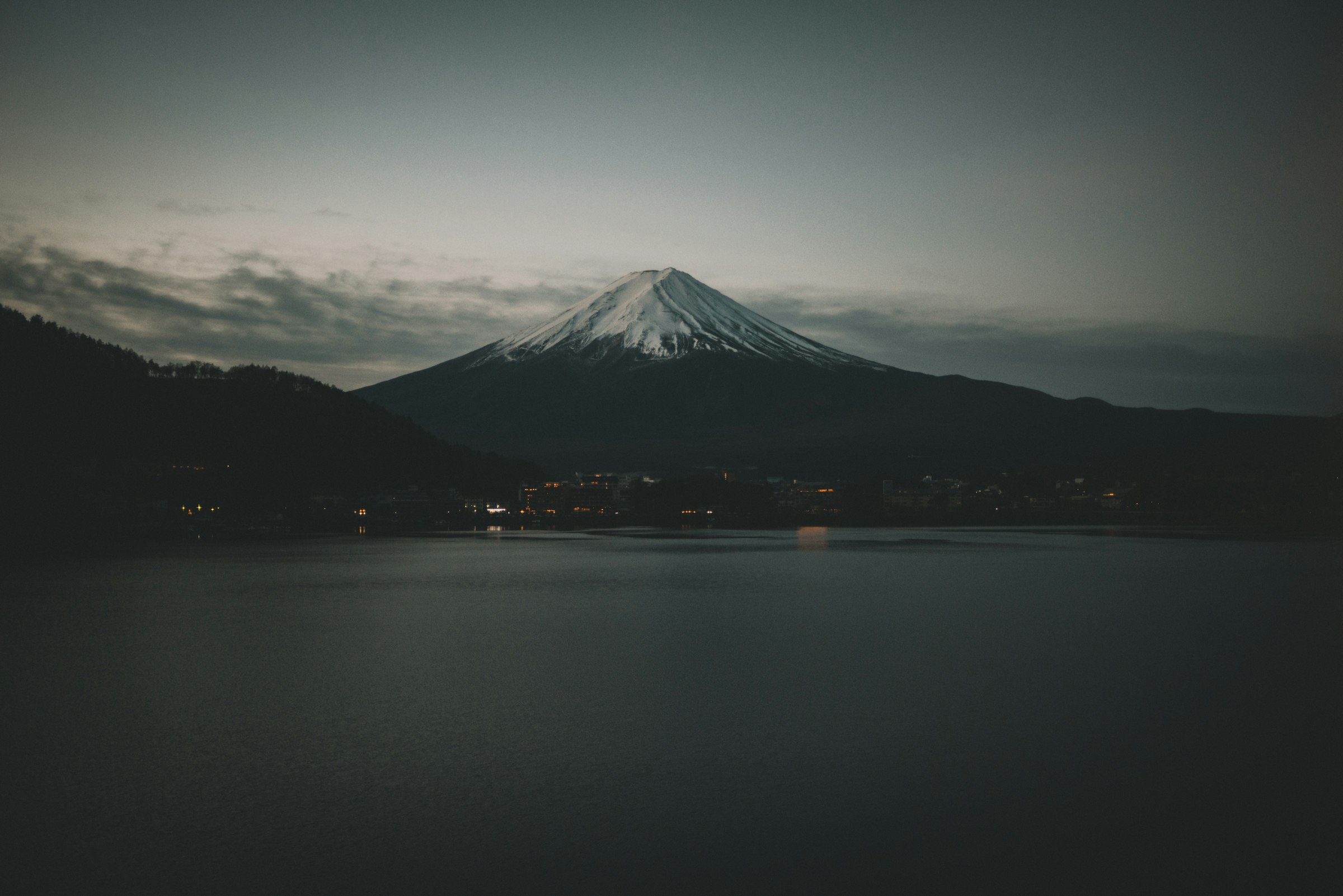
Hakone & Mt Fuji
Hot springs, ryokan stays, classic views.
-
Hokkaido
Powder skiing in winter, lavender and lakes in summer.
Practical info
- Visa
- Visa-free for most Western passports (90 days). Verify before travel.
- Currency
- JPY (Yen). Roughly 150 JPY ≈ 1 USD.
- Language
- Japanese. English is improving but limited outside tourist areas.
- Safety
- Among the safest countries in the world.
- Getting around
- World-class. JR Pass for long distances, IC card for cities.
- Tap water
- Tap water safe and excellent.
- Plug type
- Type A Type B 100V
- Money
- Cash still common; cards work in cities, less in rural areas.
General guidance — visas, safety, and health change, so check your government's travel advisory and the official sources before you go.
Common questions
- Is the Japan Rail Pass still worth it?
- Often not any more. It was hiked about 70% in late 2023 (a 7-day pass is now around ¥50,000, rising again in October 2026), so a simple Tokyo–Kyoto–Osaka loop no longer breaks even — you’d need to add Hiroshima or a lot of long-distance rail. Price your actual route against individual tickets or a regional pass. And the fastest Nozomi and Mizuho bullet trains aren’t covered by the pass at all.
- When is the best time to visit Japan?
- Spring for the cherry blossom (late March to early April) and autumn for the leaves (November) are the classic windows — both beautiful, both crowded and pricey, and the blossom lasts only about a week per city. Avoid the June–July rainy season and August–September typhoons if you can, and note two dates when the whole country travels and everything books out: Golden Week (late April to early May) and Obon (mid-August).
- Is Japan a cash country?
- Still surprisingly, yes. Big chains, convenience stores and tourist spots take cards, but small restaurants, temples and rural guesthouses are often cash-only — carry ¥15,000–20,000. The reliable way to get cash on a foreign card is a 7-Eleven (Seven Bank) ATM, which works 24/7 in English nationwide.
- Do you need to book Mount Fuji to climb it?
- Yes, and the season is short. The popular Yoshida trail is open only early July to mid-September, and for 2026 it charges a ¥4,000 permit per climber with a daily cap of 4,000 and a mandatory online reservation and QR code — the gate closes once the cap is hit. Climbing outside the July–September season isn’t sanctioned.
- Is Japan cheaper or pricier than Thailand?
- Pricier — but less than people fear, because the yen is near 40-year lows, so Japan feels roughly 20–30% cheaper on the ground than a few years ago. A neighbourhood ramen is under ¥1,000 and a clean business hotel ¥8,000–15,000. Thailand is still far cheaper overall. See our full comparison.
The trains
The Rail Pass isn’t the automatic deal it was
Japan runs on trains — but the one piece of advice everyone repeats is now often wrong.
The shinkansen is superb — Tokyo to Kyoto in 2h15 at 320 km/h — but the JR Pass was hiked about 70% in late 2023 (to roughly ¥50,000 for 7 days, and it rises again on 1 October 2026), which quietly ended its status as the default buy. A simple Tokyo–Kyoto–Osaka trip no longer covers the pass; you now need to add Hiroshima or a lot of rail to break even, so price your actual route against individual tickets or a regional pass. Two more gotchas: the fastest Nozomi and Mizuho trains aren’t on the pass, and for city transit you tap an IC card (Suica/Pasmo) — the tourist Welcome Suica skips the counter.
When to go
The season is the whole trip — and two weeks book out
Japan is a four-season country where timing decides everything: the beauty, the crowds and the price.
The famous windows are cherry blossom (late March to early April) and autumn leaves (November) — both stunning, both the year’s most crowded and expensive, and the blossom lasts only five to seven days per city, which is why people forecast-chase it. Summer is hot and humid with a June–July rainy season and August–September typhoons; winter is quiet, with world-class powder skiing in Hokkaido. Two domestic-travel landmines book everything out: Golden Week (late April to early May) and Obon (mid-August), when reserved train seats can vanish within minutes and hotels double.
The big sights
Tokyo, Kyoto, and the new crowd controls
Record tourism has brought caps, fees and fines to the headline spots — worth knowing before you go.
Tokyo is less a city than a cluster of them; Kyoto is the temple capital and the overtourism epicentre. Two Kyoto rules catch people out: photographing geisha on Gion’s private alleys now carries a ¥10,000 fine (public streets are fine), and the free icons — Fushimi Inari’s torii tunnels, the Arashiyama bamboo grove — are packed by mid-morning, so go at dawn. Osaka is the food city, Hiroshima and Miyajima the moving day trip, and Nara the bowing-deer one.
Mount Fuji is the sharpest example of the new controls: the Yoshida trail runs only early July to mid-September, and 2026 brings a ¥4,000 permit, a 4,000-climber daily cap and mandatory online booking. Away from the crowds, the Japanese Alps and Takayama are the traditional-Japan alternative, and the real onsen question is tattoos — many baths still refuse them, so plan cover stickers or a private bath.
Etiquette
The unwritten rules that actually trip tourists
Japan runs on quiet consideration — and a handful of habits are worth knowing so you don’t stand out.
The ones visitors most often get wrong: shoes off in homes, ryokan and tatami rooms; no tipping — it isn’t expected and can confuse; keep quiet on trains, no phone calls; don’t eat while walking; and carry your rubbish, because public bins are scarce. At an onsen you wash thoroughly, seated, before getting in, and bathe naked — no swimwear. Slurping your noodles is fine, even appreciated. None of it is enforced, but following it is the difference between blending in and being the tourist everyone notices.
Good to know
Visa-free, weak yen, and famously safe
The practical footnotes — including why now is an unusually cheap time to go.
Most Westerners get 90 days visa-free; the optional Visit Japan Web QR speeds arrival but paper forms still work. Plugs are Type A at 100V (US plugs fit; check dual-voltage), tap water is excellent, and Japan is among the safest countries anywhere — low crime and famously high rates of lost items being returned. The current draw is money: the yen is near 40-year lows, so the country is unusually affordable right now, though a departure tax (rising to ¥3,000) and new city lodging taxes are creeping in as record tourism prompts overtourism measures.
Sources
Where this comes from
The detail above was read off primary sources on — operator timetables, municipal ordinances, regional tourism boards, national statistics offices and first-hand traveller reports, rather than other travel articles. Researched and maintained by Dmitrii Romashchin — how we research.
Compare Japan with
If you like Japan, also consider
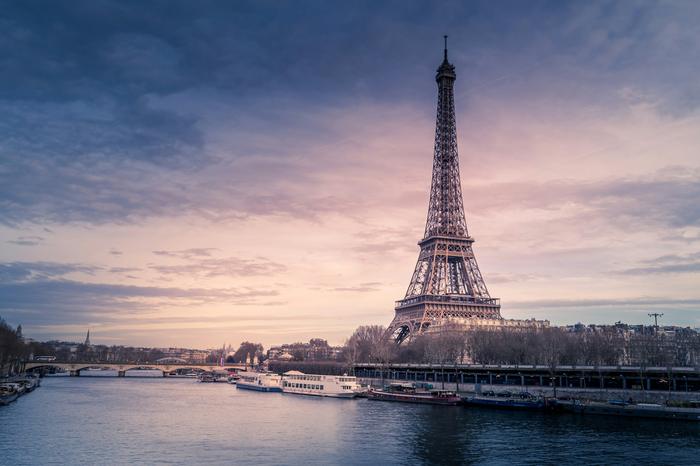
France
Paris is only the opening act — wine country, the Alps, and two coastlines.
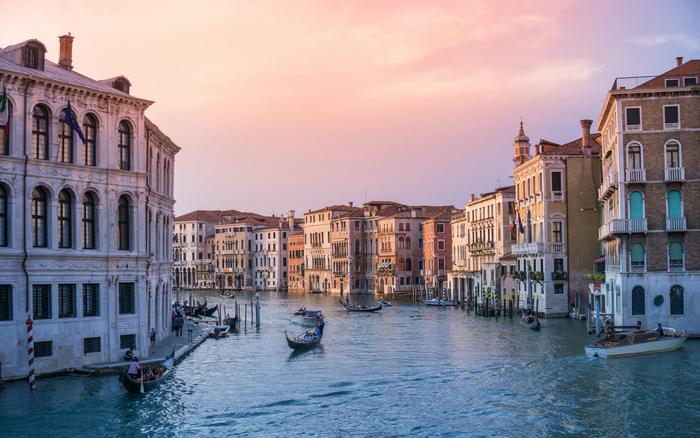
Italy
The benchmark for food, history, and beauty.
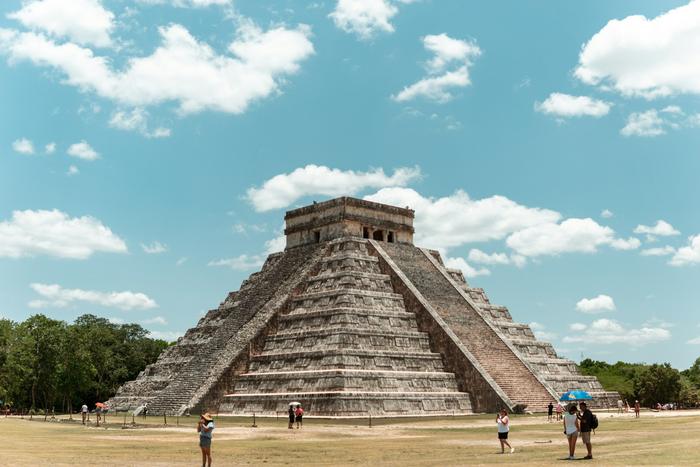
Mexico
Mexico City is world-class. Add the coast, ruins, and food culture.
Not sure where to go
Take the 5-minute quiz
Answer a few honest questions and get matched to destinations that actually fit how you travel.
Start the quiz