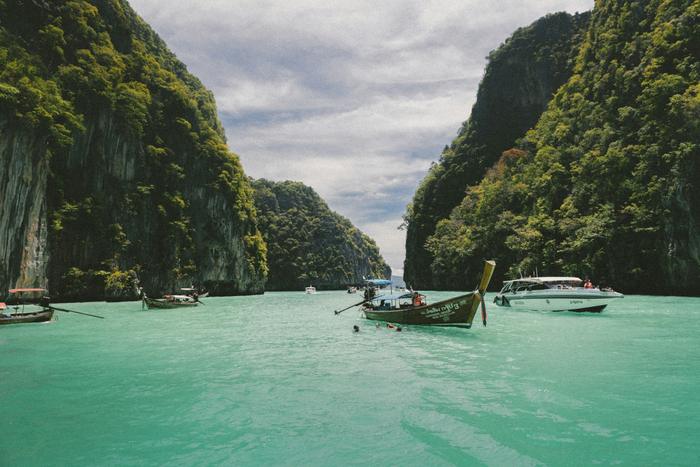
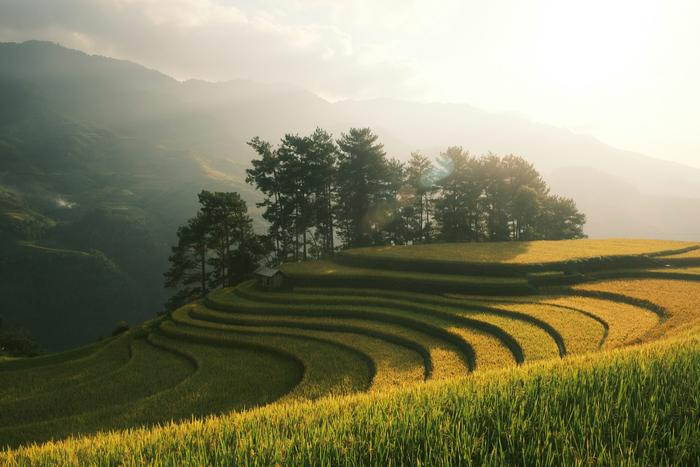
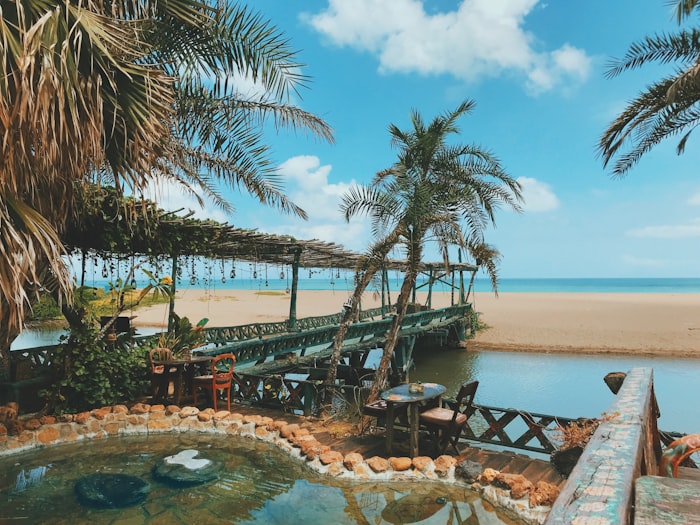
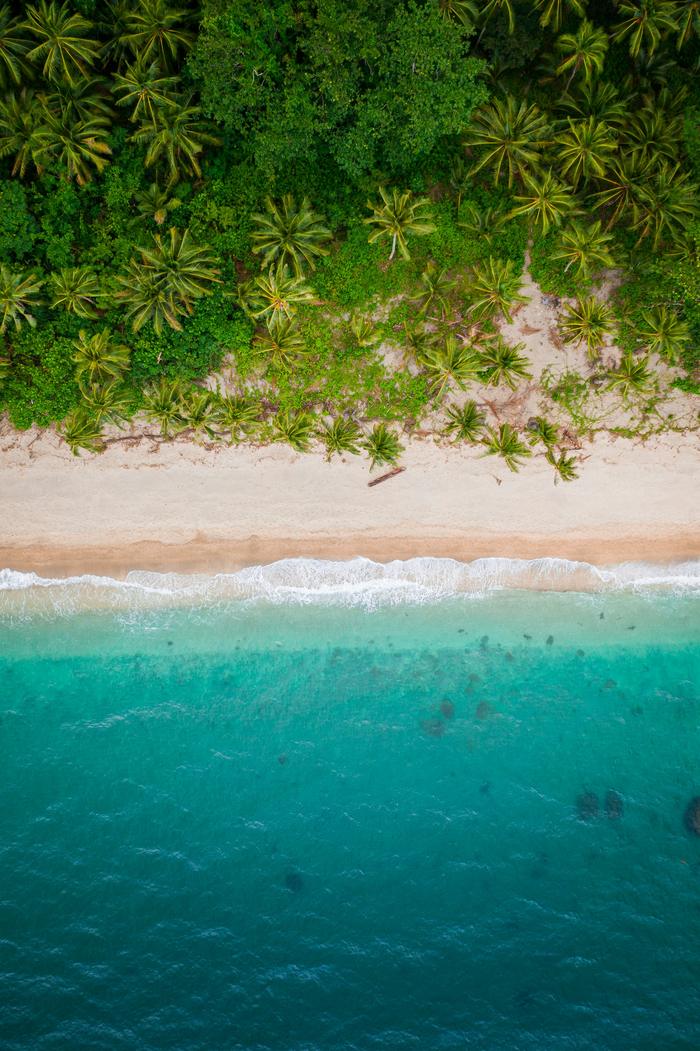
The two big-hitters of mainland South-East Asia. Thailand is the polished all-rounder — world-famous beaches, Bangkok’s buzz, golden temples, legendary food and the smoothest tourist infrastructure in Asia. Vietnam is the long, culturally dense journey — 1,600 km of energetic cities, world-class food, layered history and the limestone seascapes of Ha Long Bay. Both are cheap and food-led; one is a seamless, beach-and-temple classic, the other a north-to-south adventure of constant variety.
The two Southeast Asian heavyweights, and the choice is ease versus adventure. Thailand is the more developed, more polished trip — better islands and beaches, smoother infrastructure, nightlife, and a gentler learning curve, which makes it the classic first-timer's pick. Vietnam is cheaper still, more intense, and more rewarding for food and history, but rougher around the edges (the traffic alone is a shock).
Go to Thailand for beaches, ease, and a varied trip you can wing — Bangkok, Chiang Mai, and the southern islands. Go to Vietnam for one of the great overland journeys: Hanoi to Saigon through Halong Bay, Hoi An, and the food that many travelers rate the best in the region, at even lower prices. Thailand is the smooth, beach-forward introduction; Vietnam is the deeper, more adventurous, culture-and-food trip.
Side by side
Emphasised where they differ. Muted rows are much the same either way.
Both are cheap, food-rich mainland South-East Asia — but one is a seamless beach-and-temple classic, the other a long, dense overland journey.
Classic vs journeythe shapeA do-it-all circuit, or a 1,600 km north-to-south arc
Beaches vs food/historythe drawWorld-famous islands, or cuisine and layered history
Smooth vs intensethe feelThe easiest travel in Asia, or busier and denser
Thailand is the polished all-rounder — world-famous beaches, Bangkok’s buzz, golden temples, legendary food and the smoothest tourist infrastructure in Asia. Vietnam is the long, culturally dense journey: 1,600 km of energetic cities, world-class food, layered history and the limestone seascapes of Ha Long Bay.
The operational detail — Thailand’s arrival card and seasons; Vietnam’s nationality-dependent visa, three climate zones and Tet — lives on the two guides: Thailand, know before you go and Vietnam, know before you go. This page is the head-to-head.
The real difference
Effortless variety, or a dense journey
The trade: Thailand offers famous beaches and the easiest travel in Asia; Vietnam offers food, history and a see-a-lot journey.
Thailand wins on ease and beaches. Famous islands, temples, food and nightlife come in the most seamless package in the region, at outstanding value across every budget — the effortless, do-it-all classic.
Vietnam wins on cultural density and the journey. One long route strings together cities, food and karst landscapes with constant variety, at rock-bottom prices — a trip that shows you a country, if a busier one. Choose the polished classic, or the north-to-south journey.
Who suits which
Who each actually suits
Both are cheap and food-rich — but one leans beaches and ease, the other density and journey.
If you want…
Thailand
Vietnam
World-famous beaches
Wins. Phuket, Krabi, the islands
Decent, a side dish
The easiest travel in the region
Wins. Seamless
Busier, more intense
Iconic food and temples
Wins. Thai classics
Superb food too
Karst seascapes and Sapa
Islands and jungle
Wins. Ha Long, Sapa
A classic overland journey
More hub-based
Wins. North-to-south
Layered history
Temples, lighter
Wins. Hanoi to Hoi An
Doing both
A classic two-country pairing
A short flight apart — beaches in one, journey in the other.
Thailand and Vietnam are a short flight apart and one of the most popular two-country pairings in Asia — Thailand’s beaches and temples with Vietnam’s cities and journey. Each wants a week or more, so a combined trip wants two to three weeks. Each also compares with the region (see Japan vs Thailand, Malaysia vs Thailand, Philippines vs Thailand and Philippines vs Vietnam).
What we leave out
What we deliberately leave out
Exact prices beyond the structural comparison — both are cheap and move with season — so the figures here are the shape of the difference, not a quote; the country guides carry the live detail. The entry mechanics (Thailand’s arrival card, Vietnam’s visa-by-nationality) and Vietnam’s climate zones and Tet are covered on the guides rather than restated here.
Thailand or Vietnam, month by month
Which of the two is the better bet for each month of the year, scored on
how well the season suits each place.
Food, history and a classic north-to-south journey top the list.
You want cultural density and constant change.
An overland arc of cities and karst landscapes over a beach classic.
Common questions
Is Thailand or Vietnam easier to travel?
Thailand — it has the most developed, seamless tourist infrastructure in South-East Asia, a well-trodden circuit and endless options, making it effortless even for first-timers. Vietnam is rewarding but busier and more intense — fierce traffic, a bigger language barrier outside tourism, and a long country to travel down. For effortless travel, Thailand; for a richer, more challenging journey, Vietnam.
Which has the better beaches?
Thailand, comfortably — its beaches and islands (Phuket, Krabi, Ko Samui, the Andaman coast) are world-famous and easy to reach and hop between. Vietnam has good beaches (Da Nang, Phu Quoc, the central coast) but they’re a side dish to a trip that’s really about cities, food and landscapes. For a beach-led holiday, Thailand; for beaches as a break, Vietnam.
Which has the better food and culture?
Both are world-class and it’s close. Thailand’s cuisine is globally famous and its street-food scene unbeatable; its culture (Buddhist temples, Bangkok, the north) is rich but spread across a bigger, busier country. Vietnam’s food (pho, banh mi, regional specialities) is a destination in itself, and the country is thick with history (Hanoi, Hue, Hoi An). For iconic Thai food and temples, Thailand; for a dense food-and-history journey, Vietnam.
Do the entry rules differ?
Yes. Thailand is visa-free for short stays for many nationalities and uses a digital arrival card. Vietnam’s rules are nationality-dependent — much of Europe is visa-free for 45 days, but US/Canada/Australia need the 90-day e-visa (official .gov.vn site). Vietnam also has three climate zones (no single best month) and the Tet holiday to plan around. The guides carry the specifics: Thailand and Vietnam.
Can I combine them?
Yes — they’re a short flight apart and are one of the most popular two-country pairings in Asia, often mixing Thailand’s beaches and temples with Vietnam’s cities and journey. Each wants a week or more, so a combined trip wants two to three weeks. Each also compares with the region — Thailand with Japan, Malaysia and the Philippines, Vietnam with the Philippines and Malaysia.