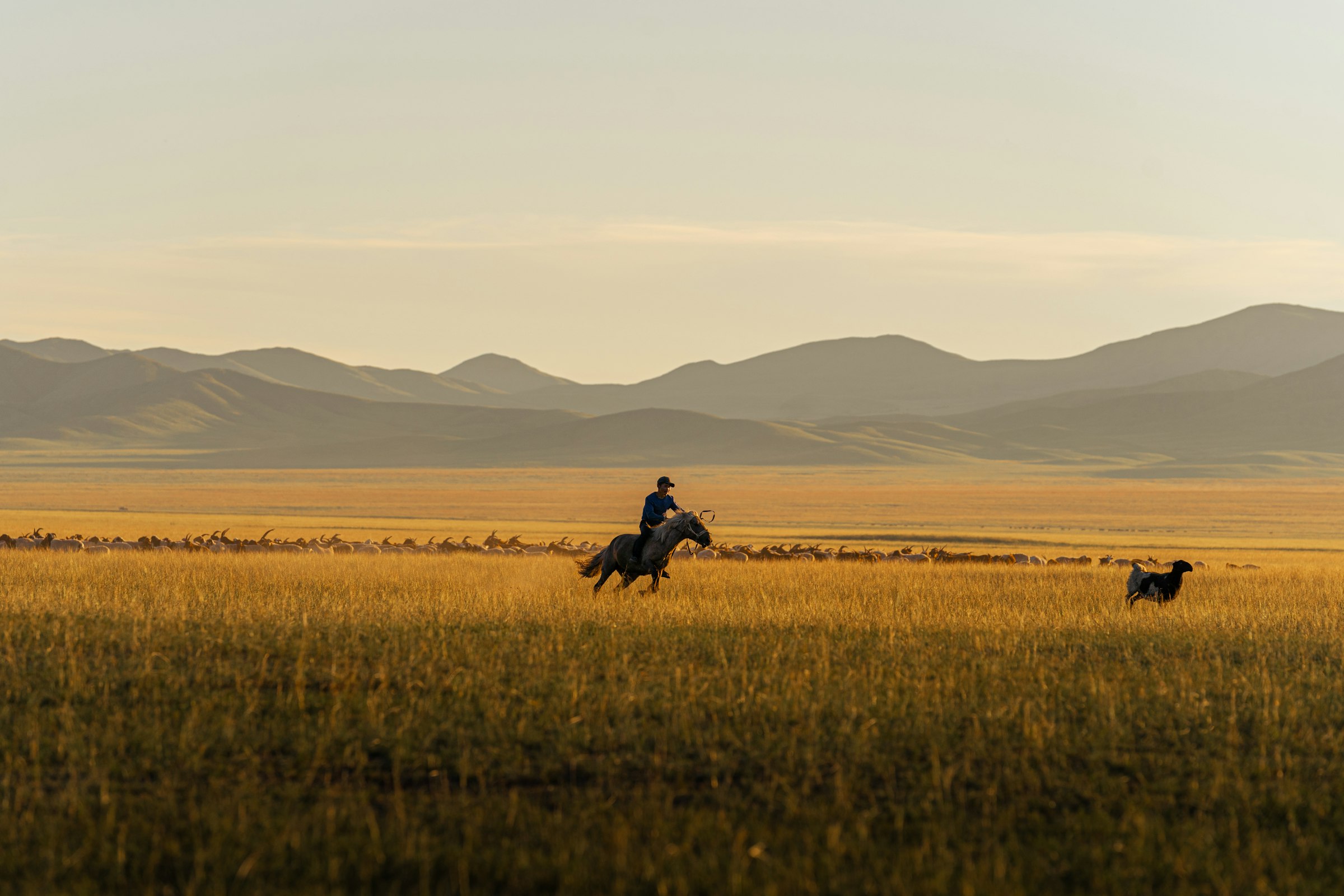
Mongolia
An expedition across the empty steppe to one of the last nomadic cultures on Earth.
Mongolia is a genuine expedition, not a holiday. You spend days grinding across roadless grassland in a 4x4, moving between nomad ger camps, sleeping under enormous skies among horses and herds. The Gobi's singing dunes and fossil cliffs, the endless steppe, and a way of life that has all but vanished elsewhere are the whole point — and you earn every kilometre of it.
The texture of a trip here is long days of driving with no road under the wheels, just tracks worn into grassland between one nomad family's ger and the next. You cross to the Gobi for the Khongoryn Els singing dunes and the Flaming Cliffs where the first dinosaur eggs were dug out of the rock, then swing north to the green valleys and lakes. Nights are spent in felt tents under skies with more stars than dark, woken by horses and herds at dawn. This is one of the last true nomadic cultures on the planet, and you live inside it rather than looking at it through glass.
The honest part: infrastructure is minimal. The drives are long and bone-shaking, the camps are basic, the toilets are squat pits over a hole, and almost nobody speaks English once you leave the capital. The season is brutally short — the country is cold and largely closed from October to April, and even the warm months are only a handful. Ulaanbaatar itself is grey, congested and badly polluted, not a reason to come. The trade-off is stark: you swap comfort for staggering, empty landscapes and a nomadic life that survives almost nowhere else. If you want adventure over ease, few places deliver more.
Highlights
-
The Gobi Desert
Khongoryn Els, the singing dunes, and the Flaming Cliffs where the first dinosaur fossils were found.
-
Staying in a nomad's ger
Sleep in a felt tent with a herding family on the open steppe — the heart of the trip.
-
The Naadam festival
Wrestling, archery, and horse racing across the country each July. The one fixed date worth planning around.
-
Lake Khövsgöl
A vast, clear alpine lake in the far north, ringed by forest and reindeer herders.
-
Orkhon Valley
The old heartland of the empire — grassland, waterfalls, and monastery ruins.
-
Kazakh eagle hunters
In the Altai of Bayan-Ölgii, hunters still ride with trained golden eagles.
Practical info
- Visa
- Visa-free or e-visa for many nationalities (around 30 days). Verify before travel.
- Currency
- MNT (Mongolian Tögrög).
- Language
- Mongolian, written in Cyrillic script. Little English outside Ulaanbaatar.
- Safety
- Very low violent crime; watch pickpockets in Ulaanbaatar. The real challenges are distance, weather, and remoteness.
- Getting around
- No self-drive realistically. You travel by 4x4 with a driver-guide over trackless terrain, plus some domestic flights.
- Tap water
- Drink bottled or boiled water.
- Plug type
- Type C Type E 220V
- Money
- Cash outside the capital; cards work in Ulaanbaatar.
General guidance — visas, safety, and health change, so check your government's travel advisory and the official sources before you go.
Common questions
- When is the best time to visit Mongolia?
- Mongolia is at its best in June–September. It's best to avoid January, February, March.
- How many days do you need in Mongolia?
- Most trips run 1–2 weeks, depending on how much ground you want to cover.
- Is Mongolia expensive?
- Plan for budget – mid-range daily spend, depending on how you travel.
- Is Mongolia safe for travelers?
- Very low violent crime; watch pickpockets in Ulaanbaatar. The real challenges are distance, weather, and remoteness.
- Do you need a visa for Mongolia?
- Visa-free or e-visa for many nationalities (around 30 days). Verify before travel.
Compare Mongolia with
If you like Mongolia, also consider
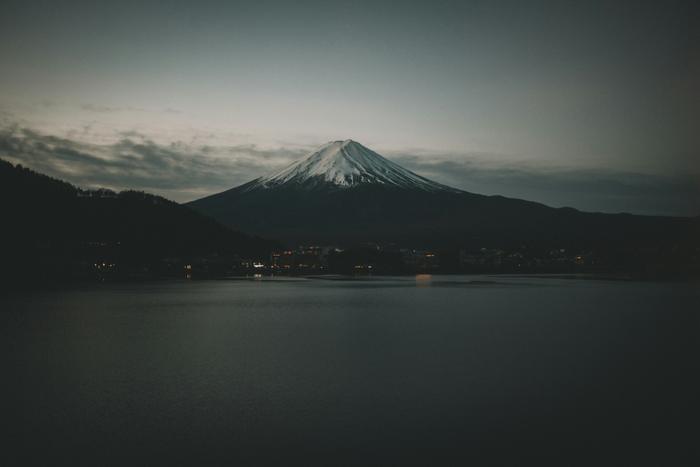
Japan
Extraordinary food, culture, and cities. Nothing quite prepares you for it.
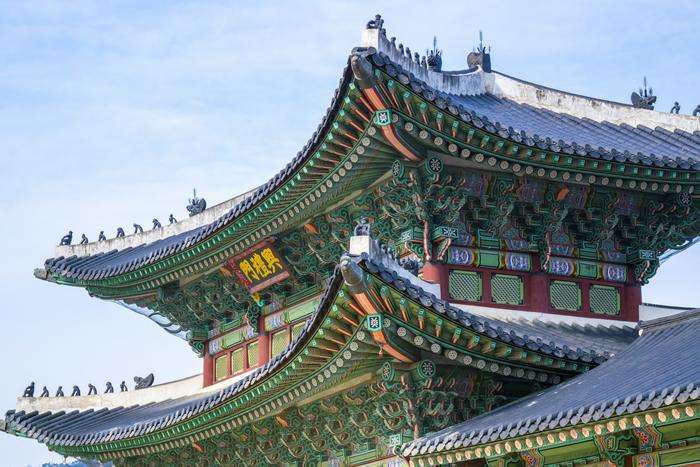
South Korea
Seoul alone justifies the flight — food, nightlife, and mountains inside the city.
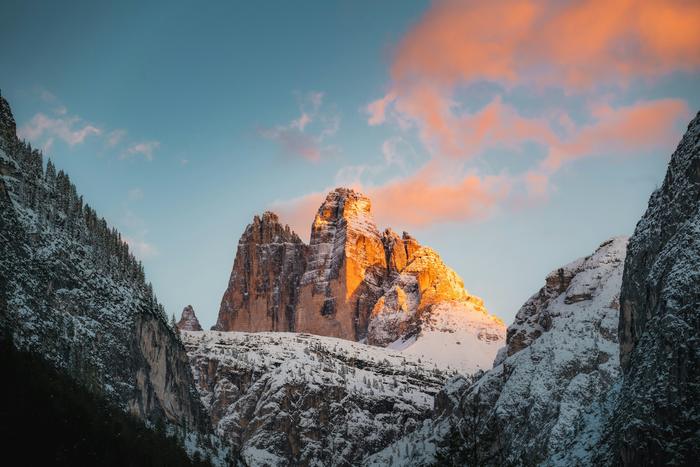
The Alps
The ski and alpine benchmark — every other mountain range is measured against this.
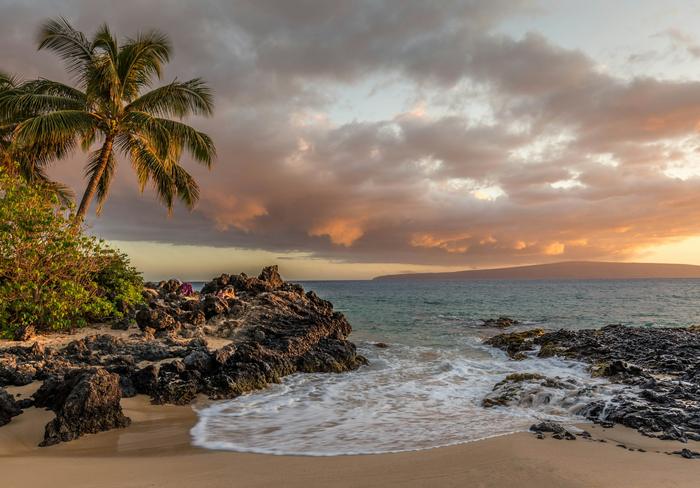
Hawaii
A handful of islands where the landscapes and the ocean genuinely earn the flight.
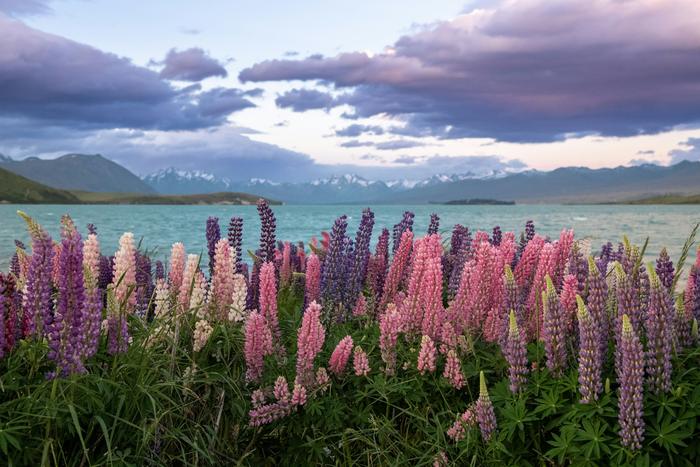
New Zealand
Fjords, volcanoes, glaciers, beaches — in one country.
Not sure where to go
Take the 5-minute quiz
Answer a few honest questions and get matched to destinations that actually fit how you travel.
Start the quiz