This isn’t a like-for-like choice. Hong Kong is a three-to-four-day vertical city — the densest skyline on earth, dim sum, a harbour and a ridge hike within the hour. Japan is a whole four-season country of Tokyo, Kyoto temples, bullet trains and mountains that wants a fortnight. They share the East-Asian virtues — safe, superb transit, serious food — but one is a stopover and the other is the trip. The useful news: a short flight apart, they pair beautifully.
The honest framing: these aren’t the same size of trip — one is three days, the other three weeks.
City vs countrythe basic mismatchHong Kong is one dense city; Japan is a four-island nation
3–4 days vs 1–2 weekshow long each really wantsA sharp stopover, or a full itinerary down Honshu
~4–5 hoursthe flight between themHong Kong to Tokyo or Osaka — which is why they pair so well
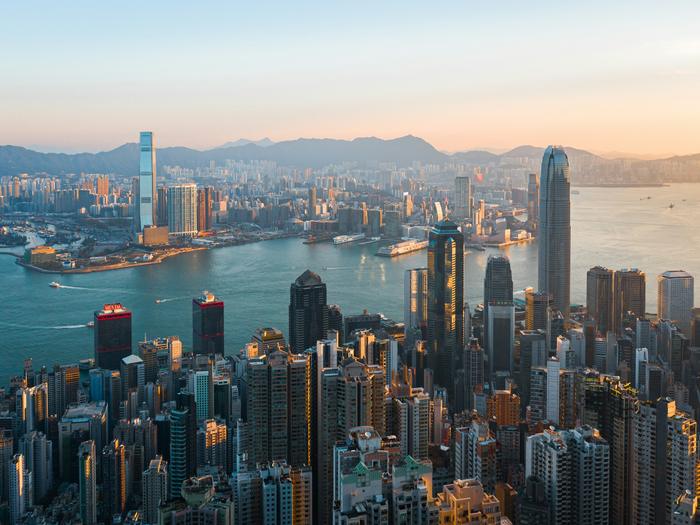
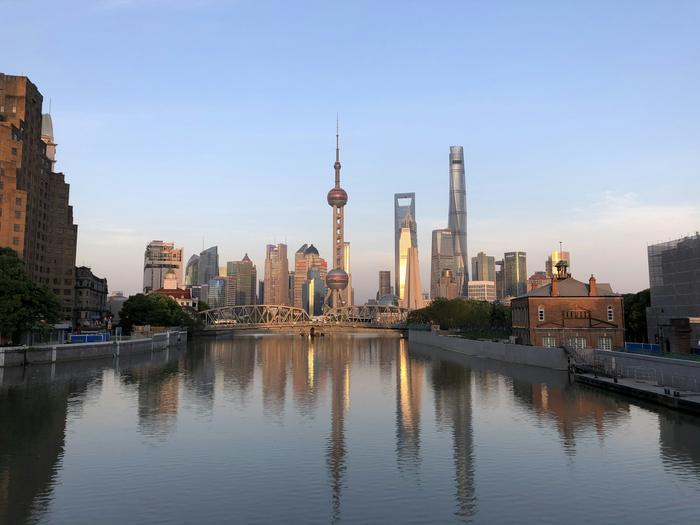
Hong Kong is a compact, intense city break. The world’s densest skyline, dim sum, neon night markets — and the underplayed part, about 40% of the territory is country park, so you can be on the Dragon’s Back ridge within the hour. Three to four days covers the Peak, the harbour, Lantau’s Big Buddha, a market and a hike, and it is an easy, English-friendly first taste of Asia. Japan is a whole country: a four-season nation of Tokyo, Kyoto’s temples, Osaka’s food, bullet trains and mountains that rewards a week or two and reshapes itself by season — pricier than Southeast Asia, but unusually affordable right now with the yen near 40-year lows.
So the real question is rarely “which is better” — it is “how much time do you have, and what kind of trip do you want?” A long weekend or a stopover points to Hong Kong; a week or two with room for cities, temples and mountains points to Japan. The operational detail for each — Hong Kong’s typhoon signals and Octopus card, Japan’s JR Pass maths and seasonal crowd controls — lives on the two guides: Hong Kong, know before you go and Japan, know before you go. This page is the head-to-head.
Scale & time
One fills a long weekend; one fills a fortnight
Not a close call: Hong Kong is a single city; Japan is a country the size of Germany plus Italy, laid out end to end.
~340×Japan’s land area against Hong Kong’s
Hong Kong is about 1,100 km² with 7.5 million people packed into roughly a quarter of it — the rest is country park. Japan is about 378,000 km² across four main islands, home to 124 million people, from Hokkaido’s snow country to subtropical Okinawa. That is the whole difference in one number: you walk and tap your way across Hong Kong in days, while Japan is a rail journey measured in hundreds of kilometres between its headline cities.
Hong Kong is built for the short, sharp trip. It is tiny, the MTR makes it effortless, and the highlights cluster — the Peak, the harbour light show, Lantau’s Big Buddha, a hike and a market — so three or four days feel complete rather than rushed, which is exactly why it works as a stopover. Japan is built for depth. Even the standard Golden Route — Tokyo, Kyoto, Osaka, Hiroshima — wants a week minimum, and the seasons (blossom, autumn colour, Hokkaido powder) reward returning, so a fortnight only begins it.
A useful way to feel the gap: Tokyo alone is less a city than a cluster of them, and Kyoto deserves three days on its own. You could spend your entire Hong Kong trip inside a single Tokyo ward. Neither is better for it — but a week in Japan is a region, while a week in Hong Kong is the whole place twice over.
Hong Kong
Japan
Category of trip
One city
A whole country
Realistic length
3–4 days
1–2 weeks minimum
How you move
MTR, ferry, tram — all on foot-and-tap
Shinkansen between cities, metros within
The shape of it
A single intense base
A route — the Tokyo–Kyoto–Osaka “Golden Route”, and beyond
Seasons
One broad subtropical year, best in autumn
Four distinct seasons that change the trip
Entry
Both are easy — one has a hidden border
Two of Asia’s most frictionless entries, with one rule that catches the China-bound.
Both are visa-free for most Western visitors and about as simple as travel gets. Hong Kong gives most Westerners 90 days (British citizens 180), and since October 2024 there is no arrival or departure card at all, paper or digital — you simply clear immigration. Japan gives most Westerners 90 days visa-free; the planned JESTA electronic authorisation is still some way off (now targeted around FY2028), so for now there is nothing to apply for, though the optional Visit Japan Web QR speeds arrival. The full specifics live on the two guides: Hong Kong and Japan.
The one trap is on the Hong Kong side, and it surprises people planning to tack on mainland China. Hong Kong is a separate immigration jurisdiction under “one country, two systems”: your visa-free Hong Kong entry does not let you cross into Shenzhen or the mainland — that needs its own Chinese visa, arranged in advance. The Greater Bay Area high-speed rail from West Kowloon makes the mainland look minutes away, but the border is real. Japan has no equivalent catch.
When to go
One broad season, or four that change everything
Hong Kong has a single clear window; Japan’s timing decides the beauty, the crowds and the price.
Signal No. 8the Hong Kong warning that stops the whole city
Hong Kong is subtropical: one broad year, best from late October to December (dry, mild, clear skies for the skyline and the hiking) and worth avoiding in the hot, 80–90%-humid summer. The summer catch is the typhoon — at the Observatory’s Signal No. 8 or above the city effectively closes: shops and ferries stop, the MTR winds down, flights cancel. It usually blows through in a day, but leave a buffer around summer flights. Japan, by contrast, is a four-season country where the window is the trip.
MAMJJASOND
Hong Kong — the sweet spot (dry, clear)late Oct – Dec
late Oct – Dec
Hong Kong — hot, humid summer / typhoon seasonMay – Nov
May – Nov
Japan — cherry blossomlate Mar – early Apr
late Mar – early Apr
Japan — Golden Week & Obon (book out)late Apr / mid-Aug
late Apr / mid-Aug
Japan — autumn leavesmid–late Nov
mid–late Nov
Crimson bars are the catches. Hong Kong’s long, 80–90%-humid summer coincides with typhoon season, when a Signal No. 8 shuts the city for a day; Japan’s Golden Week and Obon empty the seat reservations and double hotel rates. The happy overlap is autumn — good for the Hong Kong skyline and for Japan’s leaves at once.
Japan rewards picking a season. The marquee windows are cherry blossom (late March to early April, lasting only about a week per city) and autumn leaves (mid-to-late November) — both stunning, both the year’s most crowded and expensive. Summer is hot and humid with a June-to-mid-July rainy season and an August–September typhoon peak; winter is quiet, with world-class powder in Hokkaido’s Niseko. Two domestic-travel landmines book everything out — Golden Week (late April to early May) and Obon (around mid-August) — when reserved seats vanish and hotels double.
Lay the two calendars side by side and one happy overlap appears: autumn. Late October into November is Hong Kong at its clearest and Japan at its most colourful, which is the single best time to combine them.
A shared footnote: both effectively shut for their big winter holiday. Much of Hong Kong closes over Chinese New Year (early February), and Japan slows over the New Year period (1–3 January). If your dates land there, expect reduced hours and crowded transport in both.
Cost
The pricey city, and the country the weak yen made cheap
The cost story is an inversion: Hong Kong is dear to sleep in but cheap to eat; Japan looks pricier yet feels like a bargain right now.
~¥157 / $1the yen near 40-year lows in late 2026
The weak yen is the single reason Japan is such value in 2026 — it feels roughly 20–30% cheaper on the ground than a few years ago, having touched a record ¥163.86 to the dollar in July 2026. A neighbourhood ramen is under ¥1,200 and a clean business hotel ¥10,000–18,000, with no tipping anywhere. Hong Kong runs the opposite way: cheap, world-class food and transit, but expensive, famously tiny hotel rooms and pricey drinks.
Bedswhere Hong Kong hurtsRooms are small and dear; a “standard” mid-range room can be genuinely tiny
Plateswhere Hong Kong winsA Michelin-level dim sum meal is among the cheapest on earth; transit is cheap too
The yenwhy Japan is good value nowNear 40-year lows — lodging and meals both feel 20–30% cheaper than recently
Over a whole trip the two balance out differently. Hong Kong punishes the bed and rewards the plate: you will pay a lot for a small room and a bar round, then eat a Michelin-starred bowl of dim sum for pocket change and cross the harbour by Star Ferry for a few dollars. Japan is the reverse surprise — people expect it to be expensive, but with the yen this weak the lodging and the food are genuinely cheap by rich-world standards; the one real cost is intercity rail.
We keep exact daily figures off this page because they go stale within a season and the yen is volatile — the live detail sits on the two guides. The reliable shape: Hong Kong is the pricey-bed city, Japan is the good-value country of the moment.
Spend
Hong Kong
Japan
A night’s sleep
Expensive, and the rooms are small
Good value now — a clean business hotel is modest
A proper meal
Very cheap at the bottom, world-class
Very cheap too — ramen and konbini are a bargain
Getting around the city
Cheap — one Octopus tap does everything
Cheap within cities; the spend is intercity rail
A drink out
Pricey — bars are not cheap
Modest — a draft beer is a few dollars
The big line item
Your hotel room
The bullet-train tickets
Two volatile facts worth re-checking before you book: Japan’s JR Pass rose again to ¥53,000 (7-day) on 1 October 2026 and no longer automatically pays off, and Japan now layers on per-night city lodging taxes (Kyoto’s the steepest) plus a ¥3,000 departure tax built into the air fare. Hong Kong adds no equivalent tourist taxes, but its summer typhoon risk can cost you a cancelled flight.
Getting around
One card for a city, a rail network for a country
Both are transit heaven — but Hong Kong is one tap and Japan is a system to plan.
OctopusHong Kong — one tap for metro, bus, tram, ferry and shopsThe world’s original mass-transit contactless card, from 1997
2h15Japan — Tokyo to Kyoto on the fastest bullet train320 km/h; the IC card (Suica/Pasmo) handles the city legs
No car, either wayneither country needs oneHong Kong is tiny and dense; Japan runs on trains
Hong Kong needs no planning. Get an Octopus card and it runs the metro, buses, the century-old double-decker “ding ding” trams, the ferries and the Peak Tram — and works in convenience stores besides. The city is small enough that nothing is far. Japan needs a little. The shinkansen is superb, but the JR Pass was hiked about 70% since late 2023 and raised again in October 2026, so it is no longer the automatic buy — price your actual route against individual tickets or a regional pass. Within cities you tap a Suica or Pasmo IC card, exactly as you would an Octopus.
The practical upshot: Hong Kong is the easier city to move around with zero forethought, while Japan is just as smooth once you have sketched the route. Neither wants a rental car.
Hong Kong
Japan
The workhorse
The MTR — fast, cheap, covers everything
The shinkansen between cities, metros within them
The smartcard
Octopus (from 1997) — and it buys snacks too
Suica / Pasmo IC — physical cards on sale again
The scenic cheap ride
The Star Ferry across the harbour, a few dollars
The train window itself — Mt Fuji from the Tokaido line
What you plan
Almost nothing — it all clusters
Your rail route, and whether a pass or point-to-point wins
Airport to centre
Airport Express, about 24 minutes
Narita/Haneda or Kansai — longer, but seamless
One difference in feel: English. It is an official language in Hong Kong and everywhere on signs, transport and menus — one of Asia’s easiest big cities for non-Chinese speakers. Japan’s signage and tourist infrastructure are excellent, but English thins out beyond the big cities, so Japan is marginally more of a system to navigate on a first trip.
Food & culture
Two of the great food cultures — one Cantonese, one Japanese
This is the closest they come to a tie: both are serious eating, both cheap at the bottom, both Michelin-dense at the top.
~77 starsa Michelin city whose soul is a noodle stall
Hong Kong has around 77 Michelin-starred restaurants, yet the genius is the bottom of the menu — the cha chaan teng diner, the roast-goose shop, the dim sum trolley. Tim Ho Wan was once billed as the world’s cheapest Michelin meal, and the vanishing dai pai dong open-air stalls (down to just 17 licences) are the heart of it. Tokyo, for its part, holds more Michelin stars than any city on earth — the two are peers at the summit, and both reward the cheap end just as much.
Hong Kong is Cantonese cooking at every price, and the cheap end is the whole point: the cha chaan teng diners with their milk tea and pineapple buns, the shops hung with lacquered roast goose and char siu, the wonton-noodle counters, the dim sum trolleys. Make time for a proper yum cha and an egg tart warm from the bakery. Japan is a whole country of regional food — sushi in Tokyo, the street-food sprawl of Osaka’s Dotonbori, ramen that changes city to city, the ryokan kaiseki dinner — with no tipping and konbini meals that are a bargain in themselves.
Culturally they are cousins, not twins: both safe, orderly, deeply food-obsessed and easy for a visitor, but Hong Kong is a hybrid, Western-facing port city where English runs deep, while Japan’s culture is more self-contained and ritualised — the onsen etiquette, the shoes off, the quiet trains. If food alone decides it, call it a tie and pick on everything else.
Hong Kong
Japan
The cuisine
Cantonese — the roast-meat and dim sum tradition
Regional Japanese — sushi, ramen, izakaya, kaiseki
The everyday bowl
Wonton noodles, char siu over rice
A shop bowl of ramen, under ¥1,200
The ritual
Yum cha — dim sum with tea
The izakaya crawl, the sushi counter
The cheap icon
Egg tart, pineapple bun, milk tea
Konbini food — genuinely good and cheap
The high end
~77 Michelin stars
Tokyo: the most Michelin stars of any city
What you see
A skyline wrapped in country park, or a nation of cities and temples
Hong Kong’s sights are one dense cluster; Japan’s are a country’s worth, spread down a rail spine.
~40%of Hong Kong is protected country park
The most underplayed fact about Hong Kong: only about a quarter of the territory is built up — the rest is 24 country parks — so you can eat dim sum in Central and be on the Dragon’s Back ridge within about 40 minutes by bus. The headline sights cluster tightly: Victoria Peak and its tram, the free nightly Symphony of Lights laser show over the harbour, Lantau’s 34-metre Big Buddha by cable car, the Star Ferry, a night market. Japan spreads its sights across a whole country instead.
Hong Kong packs its icons into a few square kilometres. Victoria Peak for the skyline (take the funicular, or the free Lugard Road loop at the top), the harbour’s free 8pm light show from the Tsim Sha Tsui promenade, the Big Buddha and Po Lin Monastery on Lantau, a night market at Temple Street or Mong Kok, and — the duality that nothing else quite matches — a ridge trail or a car-free outlying island within the hour. Three or four days, all on one Octopus card.
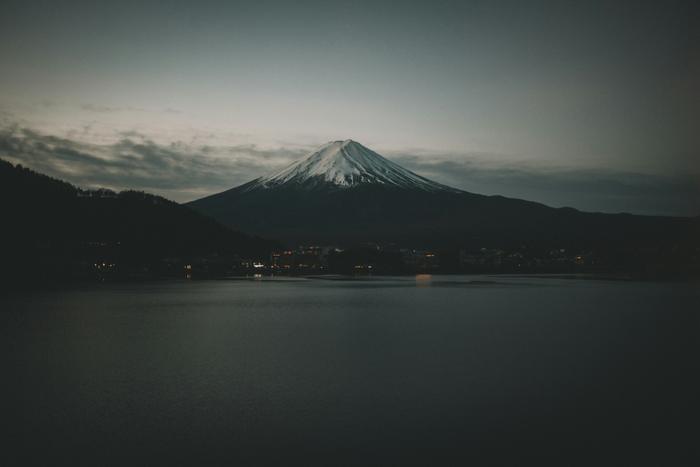
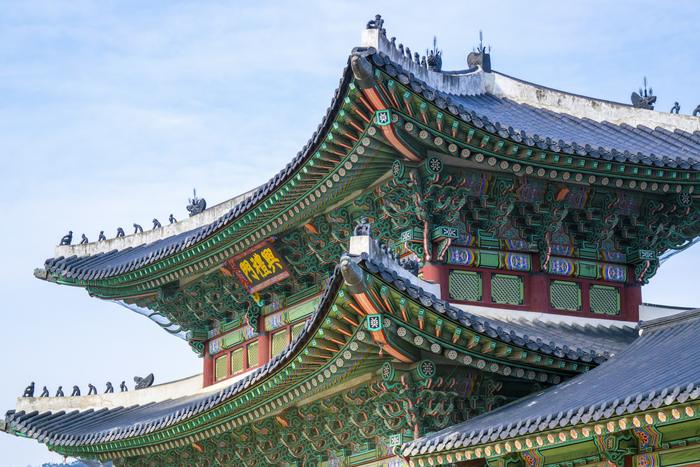
Japan is a route. Tokyo’s wards (Shibuya’s crossing, Asakusa’s old temple quarter, the teamLab digital-art venues), Kyoto’s temples (Fushimi Inari’s torii tunnels, the Arashiyama bamboo grove, the Golden Pavilion, the Gion district), Osaka’s food, Hiroshima and the floating torii of Miyajima, Nara’s bowing deer, Mt Fuji and the Hakone hot springs — then Hokkaido’s powder or Okinawa’s beaches if you have longer. You are not seeing a city; you are crossing a country.
Who suits which
Who each actually suits
Not better or worse — a city holiday versus a country one, and on several rows the answer inverts.
Read down the rows and the pattern is clear: Hong Kong wins whenever time is short, English matters, or a skyline-and-harbour city break is the goal; Japan wins whenever you want a whole country, four seasons, mountains or better-value lodging. The food row genuinely ties. The one that surprises people is hotels — the famously expensive country, Japan, is now the better value for a bed, while the compact “cheap” city, Hong Kong, is where your room budget disappears.
If you want…
Hong Kong
Japan
A short break or stopover
Wins clearly. Three to four days is complete
Too big to do justice in a long weekend
A full, varied country trip
One city, however dense
Wins clearly. Cities, temples, mountains, coasts
An easy first taste of Asia
Wins. English official, tiny and simple
Easy, but a bigger system to plan
Seasons — blossom, leaves, snow
Subtropical; one broad season
Wins. Four distinct seasons that change the trip
A great skyline and harbour
Wins. The world’s densest, right on the water
Tokyo impresses, but the skyline isn’t the point
Cheap, world-class food
Ties. Dim sum, cheap Michelin
Ties. Ramen, sushi, the weak yen
The best value on hotels
Dear, and the rooms are tiny
Wins. The weak yen makes beds a bargain
A hike without leaving the city
Wins. Dragon’s Back is 40 minutes from Central
Great mountains, but they’re a journey from the cities
Doing both
This pairing actually works
Unlike many of our comparisons, the answer here is often both.
~4–5 hoursHong Kong to Tokyo or Osaka by air
Hong Kong is one of Asia’s great stopover cities, and it sits a short flight from Japan — roughly four to five hours to Tokyo, a little less to Osaka. That makes a few days in Hong Kong a genuinely good bolt-on to a longer Japan trip rather than a compromise: the intense city hit at one end, the whole country at the other. Give Japan the bulk of the time and let Hong Kong be the vivid few days on arrival or the way home.
If the routing allows, do both. The classic shape is a long Japan itinerary — a fortnight down the Golden Route, say — with three or four days in Hong Kong stapled to one end as the stopover. The contrast is the appeal: the dense, vertical, Cantonese city, then the spacious four-season country of trains and temples. Autumn (late October into November) is the sweet spot for both at once — clear skies for the Hong Kong skyline, autumn colour in Kyoto.
And if you truly must pick one, let time be the referee. A few days or a stopover means Hong Kong. A week or two, and the wish for a country rather than a city, means Japan.
A small logistics note: because they are separate countries, you clear immigration both ways, but both entries are visa-free and painless (Hong Kong needs no arrival card at all; Japan has the optional Visit Japan Web). Build a buffer day if your Hong Kong leg falls in the June–September typhoon window, since a Signal No. 8 can ground flights for a day.
What you give up
What you give up either way
Pick Hong Kong and you give up scale and season: no cherry blossom or autumn leaves, no powder snow, no bullet-train journey across a country, and only one city however brilliant. Pick Japan and you give up the effortless, do-it-in-a-weekend quality — Japan is a trip to plan and a budget to spend on rail, not a stopover — along with that specific Hong Kong thrill of a harbour skyline and a ridge hike on the same day.
We also leave out exact prices beyond the structural comparison. Hong Kong’s fares and Japan’s rail and hotel costs move, and the yen is volatile, so the figures here are the shape of the difference, not a quote — the country guides carry the live detail. Two things change in particular and are worth checking before you travel: Japan’s JR Pass pricing (rising again through 2026) and Hong Kong’s summer typhoon disruption.
The genuinely good news bears repeating: this is one of the rare comparisons where you don’t have to choose. A short flight apart and visa-free both ways, Hong Kong and Japan combine into one of the better itineraries in Asia — the city and the country, back to back.
Hong Kong or Japan, month by month
Which of the two is the better bet for each month of the year, scored on
how well the season suits each place.
You want a full country over a week or two — cities, temples, mountains, food.
Seasons matter to you: cherry blossom, autumn leaves, powder snow.
You’ll ride the bullet trains and want depth and variety, not one city.
You want the best value right now — the weak yen makes beds and meals a bargain.
Common questions
Is Hong Kong or Japan a bigger trip?
Japan, by far — it’s a whole four-season country that rewards a week or two across Tokyo, Kyoto, Osaka and beyond, with bullet trains between them. Hong Kong is a single compact city you can cover in three to four days: the skyline, the Peak, dim sum, a night market and a hike. They’re not the same category of holiday — one is a city, the other a country.
Is Hong Kong or Japan cheaper?
It’s an inversion. Hong Kong is expensive to sleep and drink in, with famously tiny hotel rooms, but very cheap to eat (a Michelin-level dim sum meal is among the cheapest on earth) and to get around. Japan is pricier than Southeast Asia on paper, but with the yen near 40-year lows it’s unusually good value now — a ramen under ¥1,200, a clean business hotel ¥10,000–18,000. Over a full trip Japan’s lodging is the better value; Hong Kong’s food and transit are the bargains.
Is Hong Kong or Japan easier to travel?
Both are easy, and Hong Kong is marginally easier for a first-timer — English is an official language, the city is tiny and dense, and the Octopus card runs everything with no planning. Japan is just as smooth but bigger and more of a system: IC cards for the cities, a rail network to plan, and less English outside the big cities, though the signage and tourist infrastructure are excellent.
When should I go to Hong Kong vs Japan?
Hong Kong is best late October to December — dry, mild and clear for the skyline — and worth avoiding in the humid summer typhoon season, when a Signal No. 8 can shut the whole city. Japan’s marquee windows are cherry blossom (late March to early April) and autumn leaves (mid-to-late November), both beautiful, crowded and pricey. Autumn overlaps nicely for both if you’re combining them.
Should I combine Hong Kong and Japan?
Yes — this is a pairing that works, unlike many. Hong Kong is one of Asia’s great stopover cities, a four-to-five-hour flight from Japan, so a few days there bolts neatly onto a longer Japan trip: the intense city hit, then the whole country. Give Japan the bulk of the time and treat Hong Kong as the vivid few days on either end.