Hong Kong vs Singapore

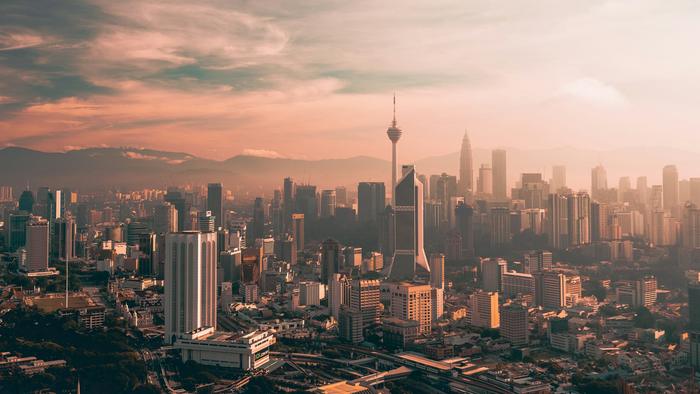
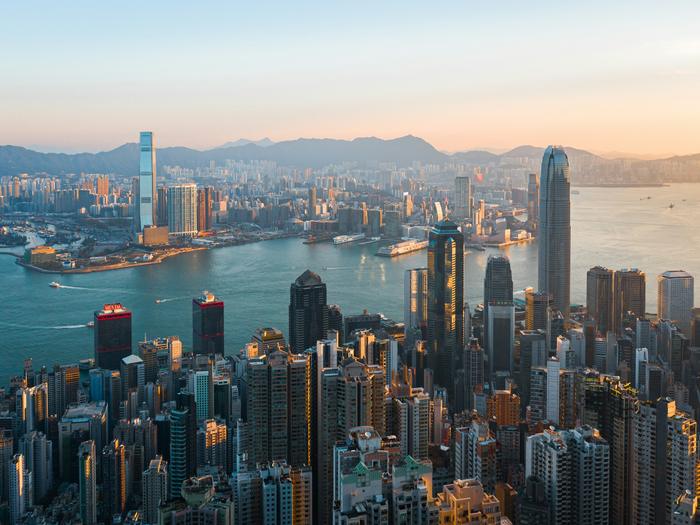
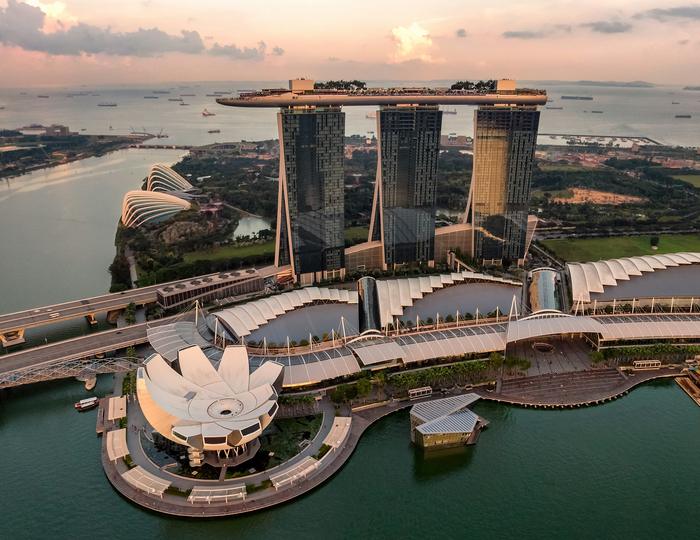
The two great city-stops of Asia, endlessly compared. Hong Kong is the dense, dramatic one — a vertical harbour city of neon and dim sum backed, surprisingly, by green mountains and outlying islands, with an East-meets-West energy and an edge. Singapore is the ultra-clean, orderly one — a planned garden-city of futuristic architecture, multicultural hawker food and spotless efficiency, safe and smooth to the point of sterility, some say. Both are compact, world-class hub-cities; one is dramatic and a little chaotic, the other polished and pristine.

East Asia

Hong Kong

One of the great dense cities — skyline, dim sum, and hiking trails minutes from the towers.

Best time to visit
  1. January: fine
  2. February: fine
  3. March: fine
  4. April: fine
  5. May: avoid
  6. June: avoid
  7. July: avoid
  8. August: avoid
  9. September: fine
  10. October: peak
  11. November: peak
  12. December: peak
Peak Fine Avoid
Southeast Asia

Singapore

The best two days you can spend between flights — or on their own.

Best time to visit
  1. January: fine
  2. February: peak
  3. March: peak
  4. April: fine
  5. May: fine
  6. June: fine
  7. July: peak
  8. August: fine
  9. September: fine
  10. October: fine
  11. November: fine
  12. December: fine
Peak Fine Avoid

Read our full guides about Hong Kong and Singapore.

Side by side

Emphasised where they differ. Muted rows are much the same either way.

Hong Kong Singapore
Best time October–December February, March, July
Climate mild warm
Budget Pricey for hotels and drinks, cheap for transport and street food Expensive — one of the world’s priciest cities, though hawker food is cheap
Trip length 1–1 wks 1–1 wks
Visa Visa-free for most Western passports (up to 90 days). Verify before travel. Visa-free for most Western passports (30-90 days).
Currency HKD (Hong Kong Dollar). SGD (Singapore Dollar), roughly 1.35 SGD ≈ 1 USD.
Language Cantonese and English. English is official, alongside Mandarin, Malay, and Tamil.
Tap water Tap water is treated and considered safe; many still prefer bottled. Tap water safe.
Safety Very safe; standard big-city precautions. Among the safest cities in the world; laws are strict, so read up.

General guidance — visas, safety, and health change, so check your government's travel advisory and the official sources before you go.

The split

Dramatic and dense, or polished and green

Both are compact world-class hub-cities — but one is dramatic, dense and edgy, the other spotless, orderly and garden-green.

Drama vs polishthe characterNeon density with an edge, or pristine, planned order
Mountains vs gardensthe natureReal hiking and islands, or manicured garden-city green
Energy vs easethe feelBuzzy and chaotic, or calm, safe and family-friendly

Hong Kong is the dense, dramatic one — a vertical harbour city of neon and dim sum, backed by green mountains and outlying islands, with East-meets-West energy and an edge. Singapore is the ultra-clean, orderly one: a planned garden-city of futuristic architecture, multicultural hawker food and spotless efficiency — safe and smooth, some say to the point of sterility.

The operational detail — each city’s visa-free entry, transit role and seasons — lives on the two guides: Hong Kong, know before you go and Singapore, know before you go. This page is the head-to-head.

The real difference

Buzz and edge, or calm and polish

The trade: Hong Kong offers drama, density and nature on the doorstep; Singapore offers spotless, easy, family-friendly order.

Hong Kong wins on drama, energy and nature. The skyline and harbour, the markets and dim sum, and the surprise of mountains and islands nearby make it the more exciting, authentic-feeling city — denser and grittier, which is the appeal.

Singapore wins on polish, ease and safety. Spotless, green, safe and seamless, with futuristic gardens and the world’s best airport, it’s the easiest and most family-friendly of the pair — pristine where Hong Kong is raw. Choose drama-and-density, or polish-and-order.

Who suits which

Who each actually suits

Both are compact hub-cities — but one leans drama and edge, the other polish and ease.

If you want…Hong KongSingapore
A dramatic skyline and harbourWins. Victoria HarbourFuturistic, but flatter drama
Spotless, safe, family-friendly easeDenser, grittierWins. Pristine and easy
Real hiking and islandsWins. Country parks, LantauManicured gardens
Dim sum and CantoneseWins. The capital of itHawker diversity instead
Multicultural hawker foodGreat local eatingWins. Chicken rice, laksa
Buzz and edgeWins. Dense energyCalm and ordered

Doing both

A classic twin stopover

A short flight apart — often paired on a wider Asia trip.

Hong Kong and Singapore are a short flight apart and are frequently paired (or used as twin stopovers) on a wider Asia trip, complementing each other neatly — Hong Kong’s drama and Singapore’s polish. Each also compares with the wider region (see Malaysia vs Singapore, Hong Kong vs Taiwan, Hong Kong vs Japan and Hong Kong vs South Korea).

What we leave out

What we deliberately leave out

Exact prices beyond the structural comparison — both are expensive for hotels and move with season, though street and hawker food are cheap in each — so the figures here are the shape of the difference, not a quote; the country guides carry the live detail. Each city’s entry and transit specifics are covered on its guide rather than restated here.

Hong Kong or Singapore, month by month

Which of the two is the better bet for each month of the year, scored on how well the season suits each place.

Which to choose

Choose Hong Kong if:

  • A dramatic skyline, harbour and surprising hiking are the draw.
  • You want energy, edge and dim sum over spotless order.
  • Dense East-meets-West chaos with nature on the doorstep.

Choose Singapore if:

  • Spotless, easy, family-friendly order is the appeal.
  • You want futuristic gardens, multicultural food and safety.
  • Polished, green efficiency over dramatic density.

Common questions

Is Hong Kong or Singapore better for a short city stop?
Both are superb three-to-four-day city stops and classic stopovers, so it comes down to character. Hong Kong is the more dramatic and dynamic — skyline, harbour, markets, dim sum, and genuinely good hiking and islands nearby. Singapore is the more polished and easy — spotless, green, safe and family-friendly, with futuristic sights and a world-class airport. For energy and drama, Hong Kong; for effortless, pristine ease, Singapore.
Which is cleaner and more orderly — and does that matter?
Singapore, famously — it’s one of the cleanest, safest, most orderly cities in the world, with strict rules and spotless streets (critics call it sterile; fans call it blissfully easy). Hong Kong is denser, grittier and more chaotic, which many find more exciting and authentic. If you value calm, safety and polish (great with kids), Singapore; if you want buzz and edge, Hong Kong.
Which has the better food?
Both are world-class and both revolve around affordable local eating. Hong Kong is a dim-sum and Cantonese capital with a dense Michelin scene. Singapore is a multicultural hawker-centre paradise (Chinese, Malay, Indian — chicken rice, laksa, chilli crab), with hawker food so good it’s Michelin-recognised. For Cantonese and dim sum, Hong Kong; for hawker diversity, Singapore — both unbeatable value for eating.
Which has more nature and things beyond the city?
Hong Kong, surprisingly — beyond the skyline it has green mountains, country-park hiking trails and outlying islands (Lantau, the beaches) within easy reach. Singapore is greener in a manicured, garden-city way (Gardens by the Bay, the Botanic Gardens, Sentosa) but is almost entirely urban. For real hiking and islands, Hong Kong; for designed green spaces, Singapore.
Can I combine them?
Yes — they’re a short flight apart and are often paired (or used as twin stopovers) on a wider Asia trip. They complement each other well: Hong Kong’s drama and Singapore’s polish. Each also compares with the wider region — Singapore with Malaysia, Hong Kong with Taiwan, Japan and South Korea.
Still undecided

Take the quiz

Three matches. Often answers comparison questions for you.

Start the quiz