Philippines
Over 7,000 islands and the best beaches in Asia.
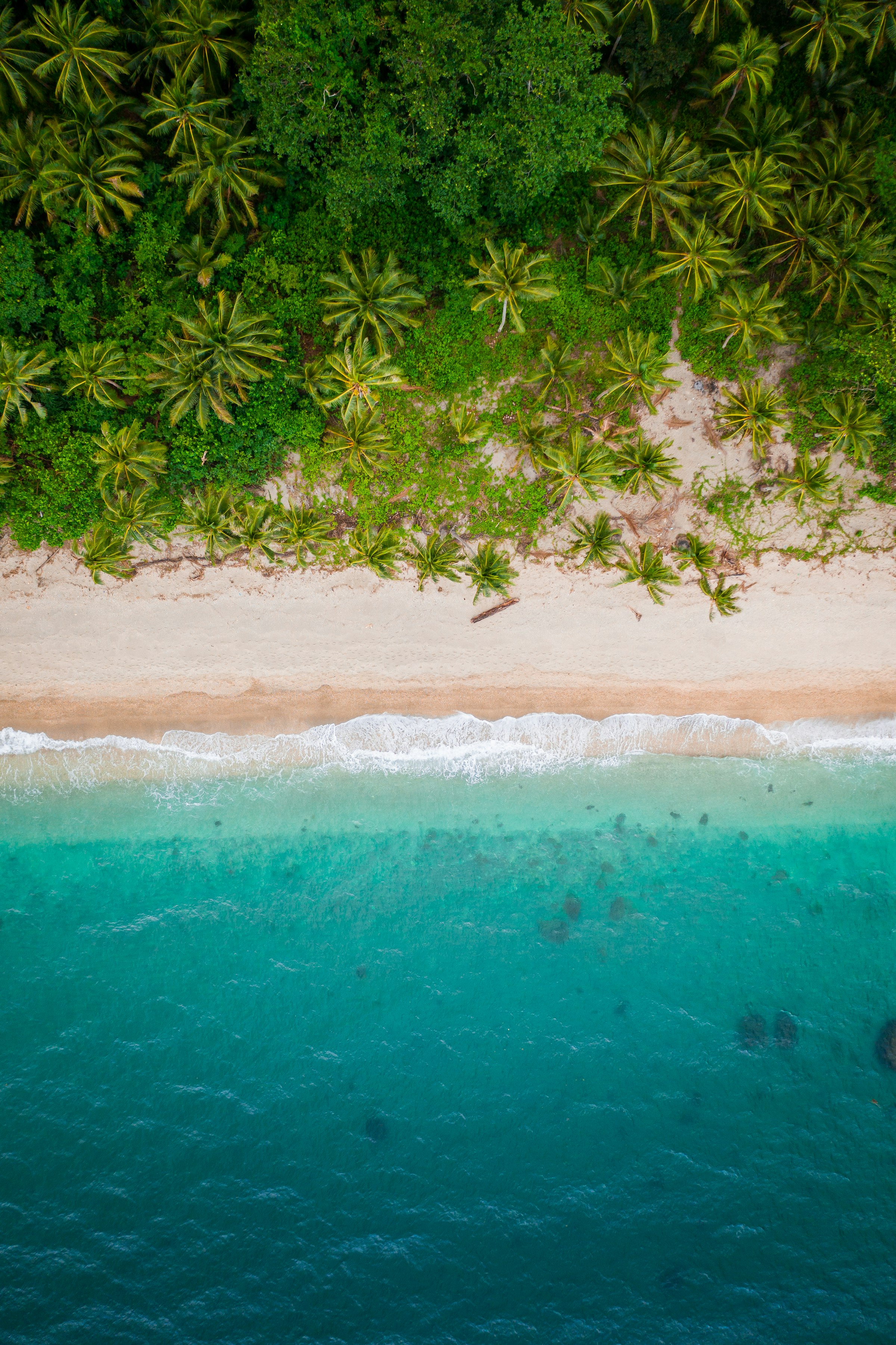
The Philippines is for people who want the postcard — clear water, white sand, palm trees — without the development of Bali or the prices of the Maldives. Palawan and Siargao are the headliners, but the real reward comes from going further off the obvious track. English is widely spoken, which makes everything easier.
Your days run on boat time. In El Nido you join a lettered island-hopping tour — A and C are the famous ones — and eat grilled fish on a beach between lagoons. Siargao is mopeds, surf at Cloud 9, and long lunches. Getting between islands is the real itinerary: a flight to Palawan, a van to El Nido, a ferry to Coron. Rooms and meals are cheap; the flights and boat tours are where the budget goes.
The honest part: logistics eat days. Flights cancel, ferries run late, and the van from Puerto Princesa to El Nido is five hours of winding road. June through October is typhoon season, and plans can dissolve overnight. The food, outside a few standouts, won't be why you came. If you have one week and low tolerance for friction, choose Thailand. But no country in Asia matches these beaches, and English everywhere makes the chaos manageable.
Highlights
-
El Nido & Coron (Palawan)
Lagoons, limestone cliffs, the best island-hopping in Asia.
-
Siargao
Surf town turned slow-living haven.
-
Bohol & Cebu
Whale sharks, chocolate hills, and easier logistics.
-
Banaue & Batad
Rice terraces in the mountains — utterly different from the islands.
Practical info
- Visa
- Visa-free for most Western passports (30 days). Verify before travel.
- Currency
- PHP (Peso). Roughly 56 PHP ≈ 1 USD.
- Language
- Filipino and English (English is official and widely spoken).
- Safety
- Generally safe in tourist areas. Avoid Mindanao without research.
- Getting around
- Inter-island flights and ferries. Internal travel takes time — plan for it.
- Tap water
- Tap water not safe.
- Plug type
- Type A Type B Type C 220V
- Money
- Cash dominant outside Manila and Cebu.
General guidance — visas, safety, and health change, so check your government's travel advisory and the official sources before you go.
Common questions
- When is the best time to visit the Philippines?
- Broadly the dry season, December to May, with the cool-dry January–April window the calmest for island-hopping and diving. The catch is that the archipelago doesn’t have one climate: the dry/wet pattern fits the west (Manila, Palawan, Boracay), but the Pacific-facing east — Siargao, Eastern Visayas, Bicol — gets rain much of the year and is often wettest November to January. Pick your months by the island, not the country.
- When is typhoon season?
- Roughly June to November, peaking July–October, when nearly 70% of the year’s storms form. Around twenty tropical cyclones enter Philippine waters a year and eight or nine make landfall — more than anywhere else on earth. It doesn’t rule the season out, but it makes flight and ferry cancellations routine, so book flexible fares, leave buffer days before any international departure, and never schedule a tight flight-then-ferry connection.
- Do I need to register before arriving?
- Yes. eTravel is mandatory and free for every arriving and departing passenger, registered at the official etravel.gov.ph (or the eGovPH app) within 72 hours of travel; it generates a QR code you show at the airport. It replaced the old paper arrival cards. Only use the official site — there’s no fee, and copycat sites that charge are scams.
- Is the Philippines visa-free?
- For about 157 nationalities — including the US, UK, EU, Canada, Australia, NZ, Japan and Korea — it’s visa-free for 30 days under Executive Order 408, extendable at an immigration office (the first extension takes you to about 59 days). Your passport must be valid at least six months, and airlines check for an onward or return ticket before they let you board.
- How many days do you need for Palawan?
- Plan at least 5–7 days if you want both El Nido and Coron — they’re linked only by a slow ferry or a flight via a hub, so you lose the better part of a day moving between them. Many people pick one base instead. Add days for Puerto Princesa and its underground river, which runs on a permit booked ahead with a hard daily cap.
- Is the Philippines safe?
- In its tourist core, yes — the US rates the country Level 2, and the main destinations (Palawan, Cebu, Bohol, Boracay, Siargao) are far from the one serious exception: the Sulu Archipelago and Marawi City in the far south of Mindanao carry a Level 4 "do not travel" warning for kidnapping and armed conflict. The everyday risks are petty theft in Manila, year-round dengue, and the typhoons. Tap water isn’t safe, so stick to bottled.
The archipelago
You fly, then you float
There’s no single hub that reaches everything — so you plan the trip island group by island group.
7,641 islands — and no single gateway reaches them
The single most useful thing to grasp before planning: no one base reaches the whole country, and routes frequently force a Manila or Cebu connection. Domestic flights are the backbone; between and around islands you’re on fast ferries, slow overnight RoRo boats, and bangka outriggers for the island-hopping itself. The practical consequence is that each island group is effectively its own self-contained trip, and the long moves eat travel days — so plan fewer regions, done properly, rather than a dash across the map.
When to go
One country, several seasons
The dry/wet calendar everyone quotes only fits the western islands — the Pacific side runs on its own clock.
~20 a year tropical cyclones enter Philippine waters
Crimson bars are the catches. The dry season (Dec–May, shown here from January) is the main window for the west — Manila, Palawan, Boracay — but the Pacific-facing east (Siargao, Eastern Visayas, Bicol) is often wettest November–January, exactly when the west is at its best. Pick your months by the island.
The broad rule is a dry season from about December to May and a wet, monsoon-driven season from June to November, with the cool-dry January–April stretch giving the calmest seas and warmest water. But the Philippines is an archipelago of very different micro-climates: the standard pattern holds for Manila, Palawan and Boracay, while the Pacific-facing east — Siargao, Eastern Visayas, Bicol — catches rain through much of the year and is often wettest November to January, exactly when the west is at its best.
Two things to dodge: the typhoon peak in July–October, and Holy Week (Easter falls on 28 March in 2027), when Filipino holidaymakers fill domestic flights, ferries and resorts and prices jump. Surfers run the other way — Siargao’s swell builds through the habagat months, peaking September to November.
- the monsoon or a typhoon hits the west (Jun–Nov)SkipPalawan, Boracay and Manila in the wetGothe Pacific-facing east — Siargao’s surf is building, and it’s drier there
- the Pacific east is wet (Nov–Jan)SkipSiargao and the Eastern Visayas thenGothe west — Palawan and Boracay are at their driest and best
- a storm cancels your island flightSkipa tight flight-then-ferry connectionGobuffer days before any international departure, booked on flexible fares
Getting in
Visa-free, but register first
Entry is easy — the one unmissable step is the free eTravel QR code.
Most visitors — the US, UK, EU, Canada, Australia, NZ, Japan, Korea and most of ASEAN — enter visa-free for 30 days under Executive Order 408, extendable once in-country to around 59 days. Separately, everyone must complete the free eTravel registration at the official etravel.gov.ph within 72 hours of arrival (and again on departure); it replaced the paper arrival and health cards. Beware copycat sites that charge — the real one never does. There’s no arrival tourist tax; the international departure fee is now normally bundled into the airfare.
Getting around
Flights, fastcraft and bangkas
The backbone is the plane; everything local is a boat or a jeepney.
Domestic flights on Cebu Pacific, Philippine Airlines and AirAsia do the long-distance work, out of Manila (NAIA) and Cebu (Mactan). NAIA is a notorious bottleneck — handed to a private operator in 2024 and being rebuilt — so many itineraries deliberately connect through Cebu or Clark instead. Between islands you’re on ferries (fast craft for short hops, overnight RoRo for the long ones) and on bangka outriggers for the tours; on land it’s tricycles, jeepneys and, in the big cities, Grab. The honest takeaway: routes often force a hub connection, ferries are slow and weather-bound, so treat each island group as a self-contained leg.
| Hop | How | Note |
|---|---|---|
| Island group → island group | Domestic flight via Manila or Cebu | The backbone — book ahead |
| Within an island group | Fastcraft (OceanJet) or RoRo ferry | Weather-dependent; slow on long hauls |
| Island-hopping tours | Bangka outrigger boat | The day-trip workhorse |
| In Manila & Cebu | Grab, jeepney, tricycle | Manila traffic is severe — allow for it |
There is no single hub that reaches everything and no useful long-distance rail, so routes often force a Manila (NAIA, privatised in 2024) or Cebu connection. Fares and times are weather-dependent — build in slack.
Plan around Manila’s airport. NAIA is a notorious bottleneck — tight terminal transfers and frequent delays — so where you can, connect through Cebu (Mactan) instead, and never book a tight same-day domestic-to-international transfer at NAIA. The country is fly-then-float: domestic flights link the island hubs, then fast ferries and bangka boats do the local hops, so leave real slack in every connection.
Where to go
Pick your islands
The classics each do one thing brilliantly — the mistake is trying to string too many together.
Palawan is the headline — El Nido’s karst lagoons, Coron’s wreck diving, Puerto Princesa’s UNESCO underground river. Cebu and Bohol pair easily by fast ferry. Siargao is the surf island; Boracay the developed beach; and inland on Luzon the two-thousand-year-old Banaue rice terraces are mountain country, not a beach at all. Weighing it against the region? See Philippines vs Thailand, Philippines vs Vietnam and Indonesia vs the Philippines.
| Island | What it’s for | Good to know |
|---|---|---|
| Palawan (El Nido, Coron) | Karst lagoons, island-hopping, wreck diving | The postcard; El Nido–Coron is a slow ferry or a hub flight apart |
| Cebu & Bohol | Diving, Kawasan canyoneering, Chocolate Hills, tarsiers | Paired easily by fastcraft ferry |
| Boracay | The developed beach-and-nightlife island | Under post-2018 environmental rules and a tourist cap |
| Siargao | Surfing (Cloud 9) and a laid-back scene | Wetter Pacific side; surf peaks Sep–Nov |
| Bicol & Banaue (Luzon) | Mayon volcano, whale sharks, 2,000-year-old rice terraces | The non-beach Philippines; Banaue is UNESCO |
| Manila | The gateway — Intramuros and the food | Mostly a day on the way through |
Rules & fees
The permits, caps and one ethical call
Several of the best sights now gate entry — and one of the famous ones is worth thinking twice about.
El Nido’s island-hopping runs on four standardised tours (A, B, C and D — Tour A, with the Big Lagoon, is the classic), each around ₱1,200–1,800, on top of a multi-day ecotourism fee and per-lagoon charges. The Puerto Princesa Underground River, a UNESCO site and one of the New 7 Wonders of Nature, runs "no permit, no entry" with a hard cap of 900 visitors a day — book several days ahead, and weeks ahead in the March–May peak. Boracay has been a regulated island since its six-month closure and clean-up in 2018: a tourist cap of around 19,000 at a time, and bans on eating, drinking, smoking and single-use plastics on the beach (some rules eased again by 2024).
The one genuine ethical call is the Oslob whale sharks: they are hand-fed to keep them in place, which research has shown turns migratory sharks into year-round residents. It’s a near-guaranteed sighting that many marine scientists urge travellers to skip — in favour of the wild, seasonal encounters at Donsol in Bicol or on a Tubbataha liveaboard.
Two volcanoes are live. Mayon, in Bicol, has been erupting since January 2026, and Taal, south of Manila, had a minor eruption in October 2026 — both can close their immediate areas at short notice, so check the PHIVOLCS alert level before planning around either. And Tubbataha Reef, the country’s great wall-diving site, is liveaboard-only and open only from roughly mid-March to mid-June; outside that window the park is simply shut.
The food
Sour, smoky and gloriously cheap
Spanish, American and Chinese layers over an island base — and one famous dare.
Filipino food leans sour, salty and rich rather than chilli-hot — adobo, the vinegar-and-soy braise, is the dish everyone claims as national, and sinigang, a tamarind-soured soup, is the comfort benchmark. The showpiece is lechon, the spit-roasted pig, with Cebu’s the most celebrated. It’s a street-food and feast culture more than a restaurant one, and it’s cheap: a full meal runs a few dollars.
The famous dare is balut, a fertilised duck egg eaten from the shell. Save room for halo-halo, the shaved-ice dessert, and the Guimaras mango, reckoned among the sweetest anywhere.
| Dish | What it is | Note |
|---|---|---|
| Adobo | Meat braised in vinegar, soy and garlic | The unofficial national dish |
| Lechon | Whole spit-roasted pig | Cebu’s is the famous one — Bourdain’s "best pig ever" |
| Sinigang | Sour tamarind soup | The comfort-food benchmark |
| Sisig | Sizzling chopped, seasoned pork | From Pampanga; a beer food |
| Halo-halo | Shaved ice, milk and a pile of toppings | The national dessert, for the heat |
| Balut | A fertilised duck egg | The dare — a street-stall classic |
Spanish, American and Chinese layers over an Austronesian base. Breakfast is a "silog" — garlic fried rice, egg and a cured meat (tapsilog, longsilog). Calamansi, a tiny citrus, sours everything, and San Miguel Pale Pilsen washes it down.
Good to know
Cash, great English, and the safety line
An easy, friendly country to travel — with the money and permits the main friction.
English is an official language and effectively universal, which is one of the trip’s quiet advantages. But carry cash: the peso goes far, yet ATMs are scarce and unreliable on small islands (El Nido, Siargao) and cap withdrawals with high fees, so stock up in Manila, Cebu or Puerto Princesa first. The local GCash and Maya e-wallets run daily life but generally need a local account, so they’re of limited use on a short visit, and you’ll meet a string of cash-only eco and terminal fees. Tap water isn’t safe — drink bottled — and dengue is a year-round mosquito risk, so pack repellent. Emergency help is 911.
The country is friendly and, in its tourist core, safe — the US rates it Level 2. The one mapped exception is the far south: the Sulu Archipelago and Marawi City in western and central Mindanao carry a Level 4 "do not travel" warning for kidnapping and armed conflict, but the tourist islands — Palawan, Cebu, Bohol, Boracay, and even Siargao and Camiguin in Mindanao’s safer north — are nowhere near them. On culture: the Philippines is strongly Catholic (and keeps the world’s longest Christmas season), same-sex marriage is not recognised, and attitudes are more conservative away from the tourist areas.
Compare Philippines
If you like Philippines, also consider
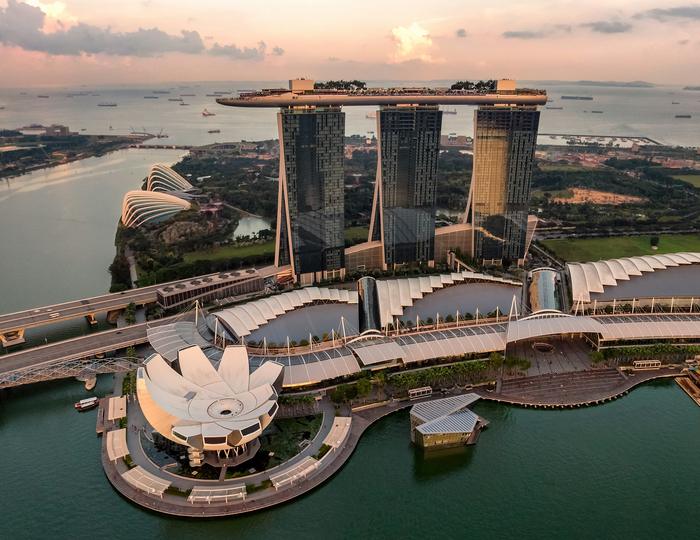
Singapore
The best two days you can spend between flights — or on their own.

Greece
Ruins in the morning, a swim by noon, taverna until dark.
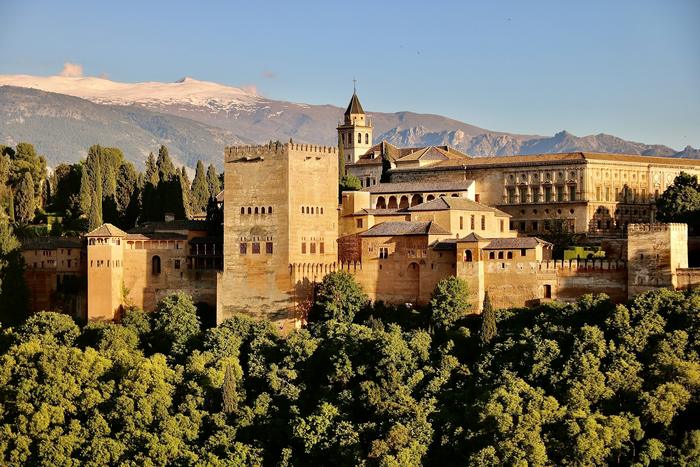
Spain
Food, beaches, and three or four cities that each justify the trip.
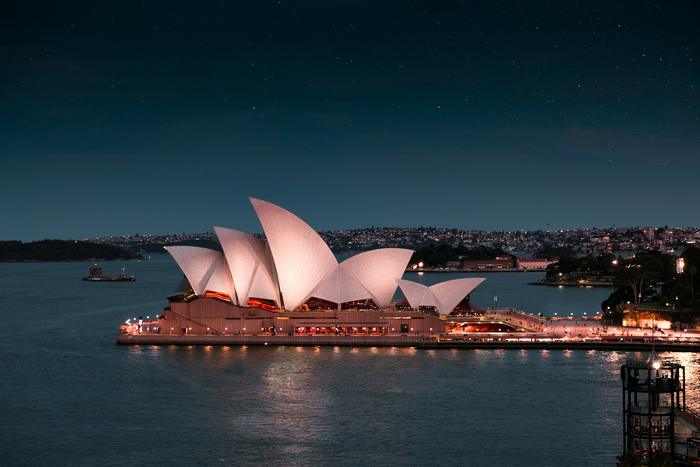
Australia
Vast, varied, relaxed. Reef, Sydney, and proper wilderness in one.
Not sure where to go
Take the 5-minute quiz
Answer a few honest questions and get matched to destinations that actually fit how you travel.
Start the quiz