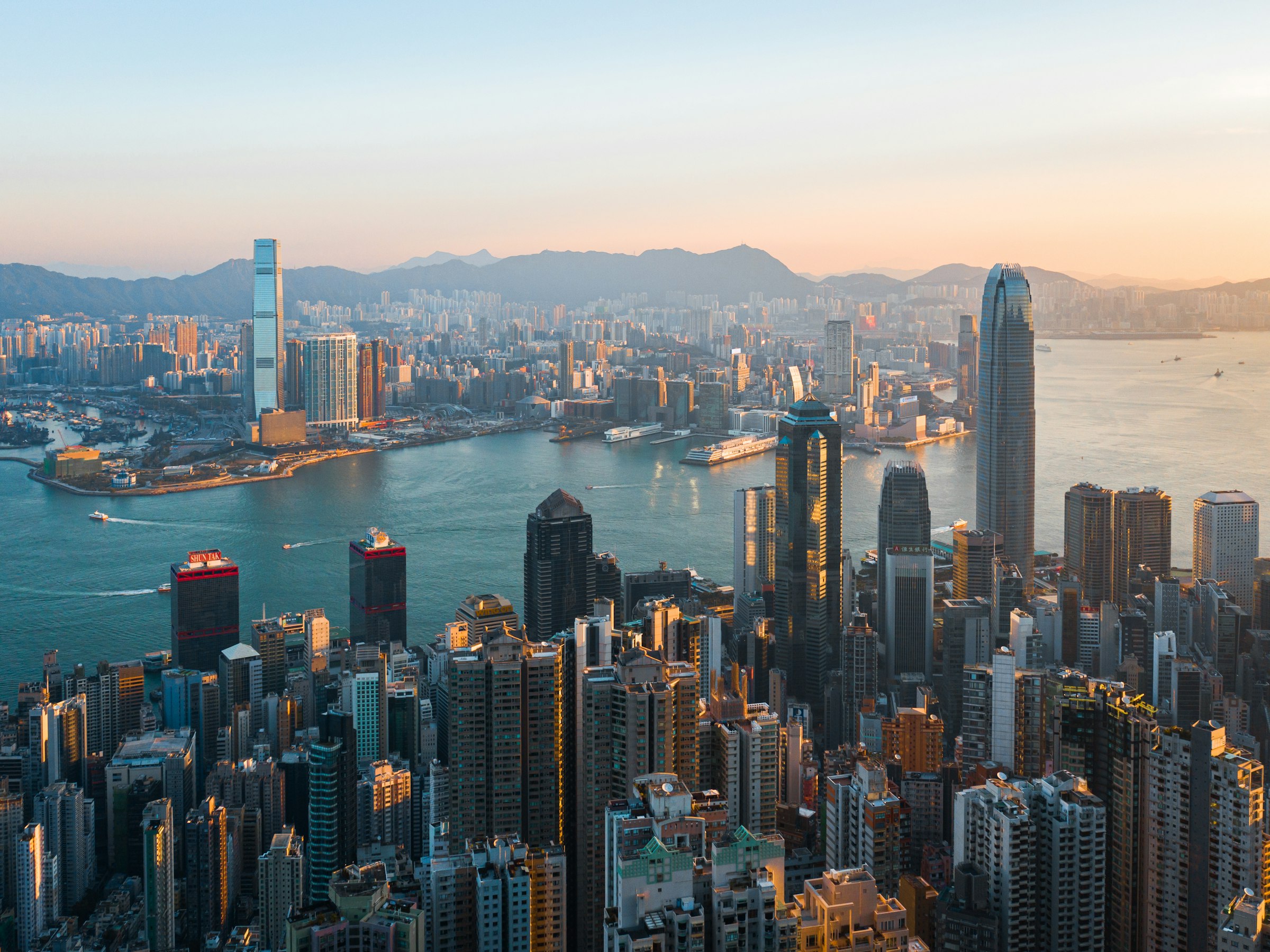
Hong Kong
One of the great dense cities — skyline, dim sum, and hiking trails minutes from the towers.
Hong Kong is vertical and relentless, and that is the appeal. The harbour skyline still earns its reputation, the dim sum and street food run from cart noodles to white-tablecloth, and the markets and tram lines reward aimless wandering. The surprise is how fast the city ends: green hills, beaches, and ferry-hop islands sit minutes from the financial district. A few days is plenty.
Days here stack a lot into a small footprint. Morning dim sum, the Star Ferry across the harbour, the tram up to Victoria Peak for the skyline, then markets in Mong Kok and Sham Shui Po before dinner. The MTR is fast, cheap, and gets you everywhere, so you cover ground without a car. Break the city up with an easy day out: the Dragon's Back trail above the south coast, or a ferry to Lamma or Cheung Chau for seafood and quiet. Most of your money goes to the hotel room, which is small and pricey for what you get.
The honest part: Hong Kong is expensive and crowded, hotel rooms are tiny, and the pace can grind you down past a few days. Summer, roughly May through September, is hot, soupy, and prone to typhoons that can pin you indoors and scramble flights. It is a short, intense city trip rather than a slow one, and it suits people who like density over calm. Time it for the dry, clear autumn, keep it to three or four days, and few cities pack more in per hour.
Highlights
-
Victoria Harbour & the Peak
The Star Ferry below, the skyline from the tram up top.
-
Dim sum & street food
From cart noodles to white-tablecloth — eat constantly.
-
Mong Kok & Sham Shui Po
Neon, markets, and the city at full density.
-
Dragon's Back
A ridge trail with sea views, twenty minutes from downtown.
-
Outlying islands
Ferry to Lamma or Cheung Chau for seafood and quiet.
Practical info
- Visa
- Visa-free for most Western passports (up to 90 days). Verify before travel.
- Currency
- HKD (Hong Kong Dollar).
- Language
- Cantonese and English.
- Safety
- Very safe; standard big-city precautions.
- Getting around
- World-class — the MTR and Octopus card get you everywhere; no car needed.
- Tap water
- Tap water is treated and considered safe; many still prefer bottled.
- Plug type
- Type G 220V
- Money
- Cards and Octopus contactless everywhere; small cash for markets and dai pai dong.
General guidance — visas, safety, and health change, so check your government's travel advisory and the official sources before you go.
Common questions
- Do you need a visa for Hong Kong?
- No — most Westerners get 90 days visa-free (British citizens 180), and there’s no arrival card to file. But note Hong Kong is a separate immigration zone from mainland China: a Hong Kong entry does not let you cross into Shenzhen or the mainland, which needs its own Chinese visa.
- When is the best time to visit Hong Kong?
- October to early December — dry, mild and clear, the best skyline weather. Spring is humid and foggy, and summer (May–September) is hot, 80–90% humid and typhoon season: when the Observatory hoists a No. 8 signal the whole city shuts down — shops, ferries and transport stop and flights are cancelled — so build buffer days around summer flights.
- Do you need a car in Hong Kong?
- Not at all — the MTR is world-class and the city is tiny and dense. Get an Octopus card (the original contactless smartcard, from 1997): it pays for the metro, buses, trams, ferries and the Peak Tram, and works in convenience stores and shops too. The Star Ferry across the harbour costs a few dollars.
- How long do you need in Hong Kong?
- Three to four days covers it — the skyline, the Peak, dim sum, a night market and an outlying island or a hike. It’s compact and intense, and works well as a standalone city break or a stopover. Unlike Taiwan next door, it isn’t a week-long country-sized trip.
- Is Hong Kong or Taiwan cheaper?
- Taiwan, clearly — Taipei runs around 30% cheaper than Hong Kong excluding rent, and much cheaper on hotels. Hong Kong is expensive to sleep and drink in (and its rooms are famously tiny), though street food, dim sum and the transport are cheap. See our full comparison.
When to go
Autumn is the window — and the typhoon can shut the city
Get the season right for the skyline, and know the one signal that stops everything.
Come in autumn — October to early December is dry, mild and clear, the best skyline weather of the year — and avoid the humid, foggy spring and the hot, sticky summer. The summer catch is the typhoon: the Hong Kong Observatory runs an escalating signal scale, and at No. 8 or above the city effectively closes — schools and offices shut, shops and restaurants close, ferries stop, the MTR and buses wind down, and flights are widely cancelled. Peak risk is July to September, so leave buffer days around summer flights.
Getting around
One card does everything — leave the car at home
Hong Kong invented the tap-to-pay smartcard, and it runs the whole city on it.
You need no car here — the MTR is fast, cheap and covers everything, and the Octopus card, the world’s original mass-transit contactless system from 1997, pays for the metro, buses, the century-old “ding ding” trams on Hong Kong Island, the ferries and the Peak Tram — and works in 7-Elevens, supermarkets and shops besides. The Star Ferry across Victoria Harbour is a few Hong Kong dollars and one of the world’s great cheap views, and the Airport Express reaches the centre in about 24 minutes. Taxis are colour-coded by region — red for the urban core, green for the New Territories, blue for Lantau.
City & trails
The world’s densest skyline, wrapped in country park
The most underplayed fact about Hong Kong: you can leave the skyscrapers and be on a ridge trail within the hour.
~40% of Hong Kong is protected country park
The big sights
The Peak, the Buddha, and a free light show
The headline sights are efficient and close together — with one that costs nothing.
Victoria Peak is the classic: the funicular Peak Tram up to the Sky Terrace, though the tram queues run 45–90 minutes at sunset and weekends, so book a timed ticket — or take the free, arguably better Lugard Road loop at the top. On Lantau, the Big Buddha is a 34-metre bronze reached by the Ngong Ping 360 cable car (the Buddha itself is free, up 268 steps). A Symphony of Lights — the nightly 8pm laser show over the harbour, best from the Tsim Sha Tsui promenade — is free. Add a night market at Temple Street, an outlying island like Lamma or the stilt-house village of Tai O, and the dim sum: Hong Kong is a Michelin city where a starred meal at Tim Ho Wan is one of the cheapest on earth.
Good to know
Easy to travel — with tiny rooms and a separate border
The practical footnotes, including the one that catches China-bound travellers.
English is an official language and widely used on signage, transport and menus — one of Asia’s easiest big cities for non-Chinese speakers — and Cantonese is the spoken tongue. The Hong Kong dollar is pegged to the US dollar around 7.8; plugs are UK-style Type G; tap water meets standards but many locals filter it; tipping is minimal (a 10% service charge is usually added). Two things to plan for: hotel rooms are small and expensive — a standard mid-range room can be tiny — and Hong Kong is a separate immigration jurisdiction from mainland China, so a day trip to Shenzhen needs its own Chinese visa arranged in advance.
Sources
Where this comes from
The detail above was read off primary sources on — operator timetables, municipal ordinances, regional tourism boards, national statistics offices and first-hand traveller reports, rather than other travel articles. Researched and maintained by Dmitrii Romashchin — how we research.
Compare Hong Kong with
If you like Hong Kong, also consider
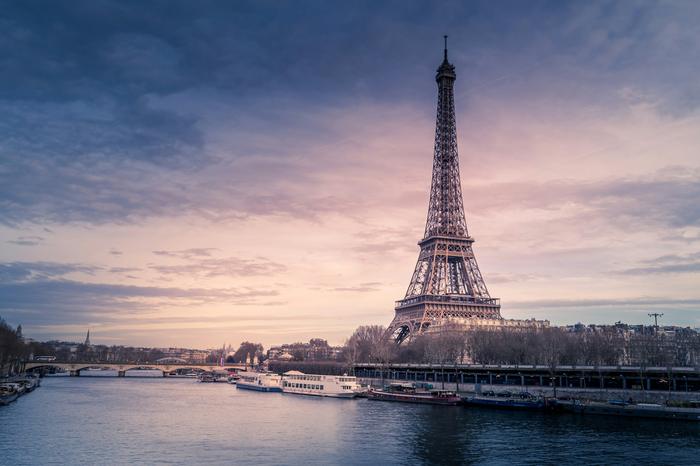
France
Paris is only the opening act — wine country, the Alps, and two coastlines.
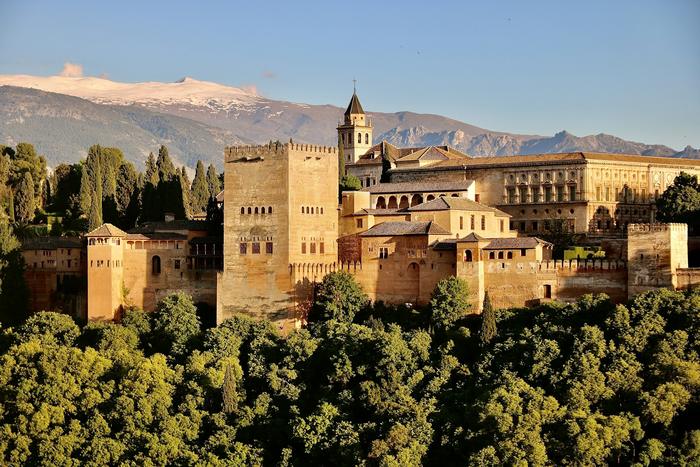
Spain
Food, beaches, and three or four cities that each justify the trip.
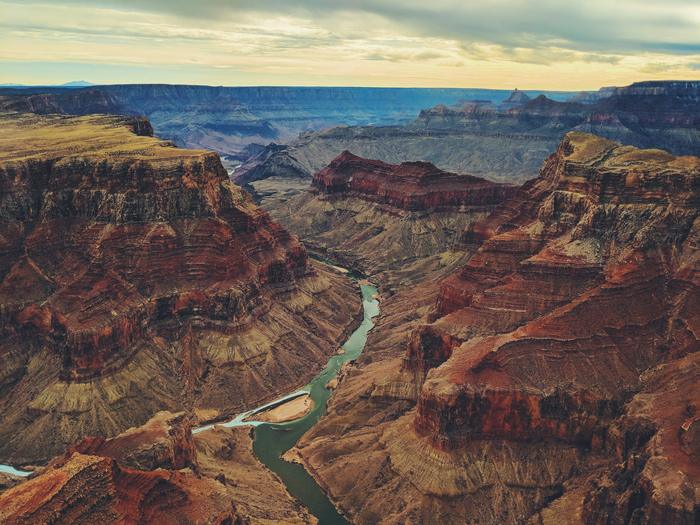
United States
A continent pretending to be a country — cities, deserts, and the best national parks anywhere.
Not sure where to go
Take the 5-minute quiz
Answer a few honest questions and get matched to destinations that actually fit how you travel.
Start the quiz