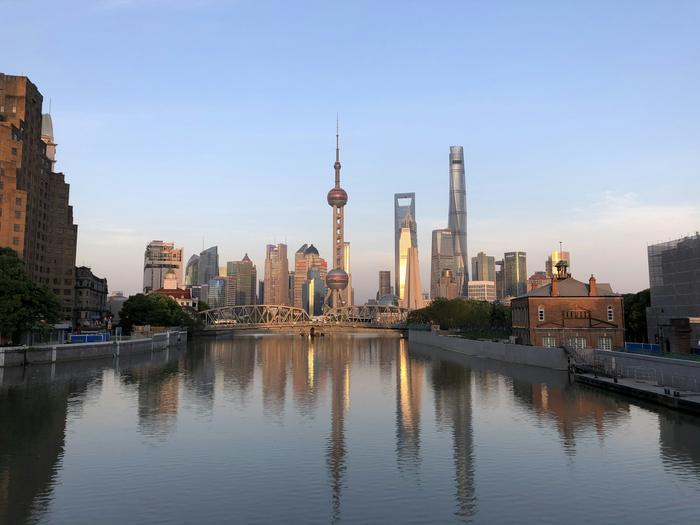
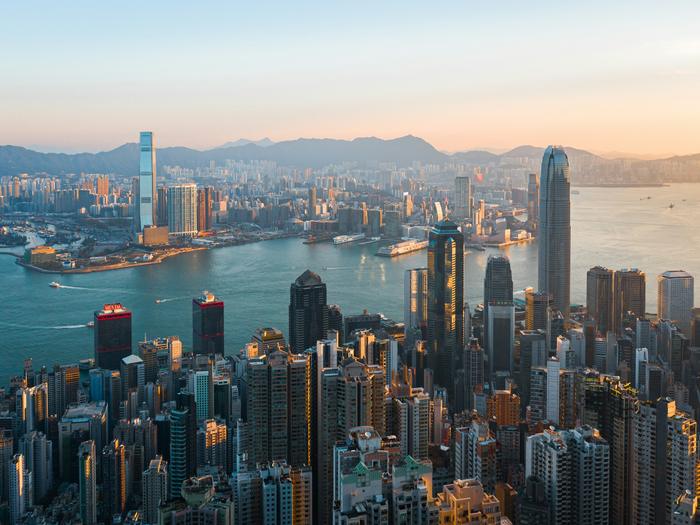
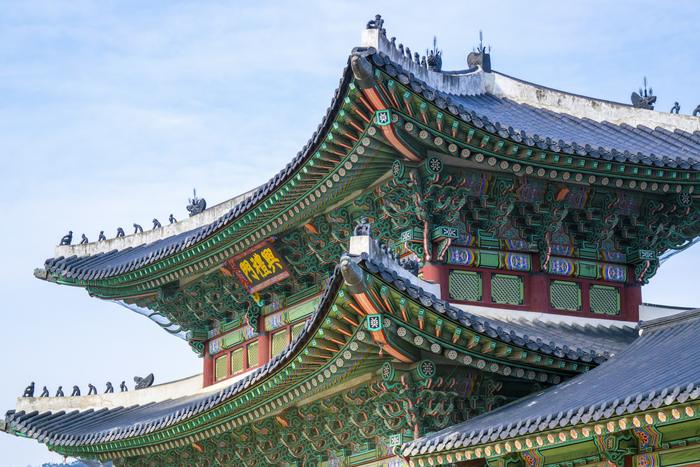
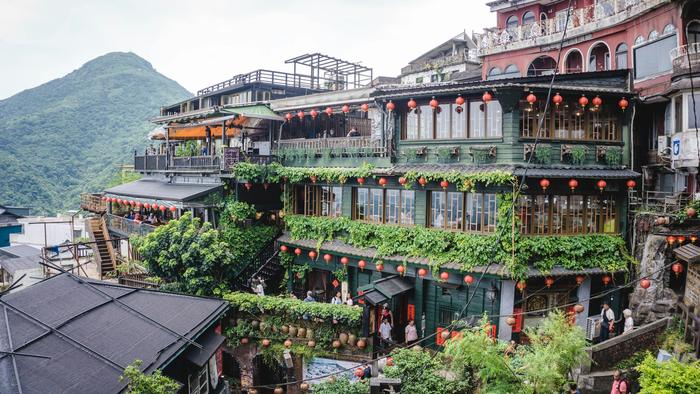
One country, two utterly different travel experiences. Mainland China is the epic — the Great Wall, the Forbidden City, the Terracotta Army, Shanghai and the Guilin karsts, on a continental scale, cheaper but with real friction (language, a restricted internet, app-based payments). Hong Kong — a Chinese Special Administrative Region with its own systems — is the compact, easy gateway: a vertical harbour city of skyline, dim sum and shopping, with an open internet, its own currency and surprising nature nearby. One is a vast adventure; the other a seamless, English-friendly city stop.
One country, two experiences — a vast, iconic, higher-friction mainland versus a compact, seamless harbour city.
Vast vs compactthe scaleA continent of icons, or a few dense city days
Friction vs easethe travelLanguage/internet/payment hurdles, or open and English-friendly
Separate systemsthe catchHong Kong has its own border, currency and open internet
Mainland China is the epic — the Great Wall, the Forbidden City, the Terracotta Army, Shanghai and the Guilin karsts, on a continental scale, cheaper but with real friction (language, a restricted internet, app payments). Hong Kong is the compact, easy gateway: a vertical harbour city of skyline, dim sum and shopping, with an open internet, its own currency and surprising nature nearby — and its own immigration, so entering it isn’t entering the mainland.
The operational detail — the mainland’s evolving visa rules and the Alipay/WeChat-and-VPN reality; Hong Kong’s visa-free entry and separate systems — lives on the two guides: China, know before you go and Hong Kong, know before you go. This page is the head-to-head.
The real difference
Epic and demanding, or compact and seamless
The trade: the mainland offers unmatched scale and icons with more effort; Hong Kong offers an easy, world-class city hit.
The mainland wins on scale and icons. Nothing in Hong Kong matches its bucket-list monuments and epic landscapes, and the depth of history and regional cuisine is vast — accepting the language, internet and payment friction of an independent trip.
Hong Kong wins on ease and convenience. Compact, English-friendly, open-internet and superbly connected, it’s the perfect short trip or stopover, with skyline, food and surprising hiking on hand. Choose the epic adventure, or the seamless gateway.
Who suits which
Who each actually suits
One country, two trips — one leans epic scale, the other compact ease.
If you want…
China
Hong Kong
Bucket-list monuments
Wins. Great Wall and more
A dense city, not monuments
A short trip or stopover
A bigger adventure
Wins. A few easy days
Epic landscapes
Wins. Guilin, Zhangjiajie
Hills and islands
An open internet, simple payments
VPN + apps needed
Wins. Straightforward
Lowest on-the-ground costs
Wins. Cheaper
Pricey for hotels
English-friendly ease
More friction
Wins. Seamless
Doing both
Adjacent — begin or end in Hong Kong
High-speed rail links them, across a border.
China and Hong Kong are adjacent — high-speed rail connects them — so a mainland trip can easily begin or end with a few days in Hong Kong, bearing in mind you cross a border between the two. Each also compares with the wider region (see China vs Taiwan, China vs Japan, Hong Kong vs Taiwan and Hong Kong vs Singapore).
What we leave out
What we deliberately leave out
Exact prices beyond the structural comparison — the mainland’s distance-driven costs and Hong Kong’s hotel prices both move with season — so the figures here are the shape of the difference, not a quote; the country guides carry the live detail. The mainland’s evolving entry rules and the payment/internet setup are covered on its guide, to be checked before you commit, rather than restated here.
China or Hong Kong, month by month
Which of the two is the better bet for each month of the year, scored on
how well the season suits each place.
A short, easy, East-meets-West city trip or stopover is the plan.
You want an open internet, simple payments and English-friendly ease.
Skyline, dim sum and nearby hiking over a sprawling country.
Common questions
Is Hong Kong just part of China for travel purposes?
Legally it’s a Chinese Special Administrative Region, but for a traveller it functions as a separate place: Hong Kong has its own immigration (you clear a border between it and the mainland), its own currency (the Hong Kong dollar), an open internet (no VPN needed), and a different, more Western-facing feel. So entering Hong Kong is not the same as entering mainland China — you may need separate arrangements for each. The country guides carry the specifics: China and Hong Kong.
Which is easier to travel?
Hong Kong, by a distance — it’s compact, English-friendly and seamless, with an open internet, easy card payments and a superb transit system, ideal for a short trip or stopover. Mainland China is a vast, rewarding but more demanding trip: a bigger language barrier, a restricted internet (bring a VPN), huge distances, and an app-based payment economy (Alipay/WeChat) to set up. For effortless travel, Hong Kong; for the epic with more effort, the mainland.
Which has the bigger sights?
The mainland, overwhelmingly — the Great Wall, the Forbidden City, the Terracotta Army, Shanghai and epic landscapes like Guilin are world-icons on a scale Hong Kong doesn’t attempt. Hong Kong’s draw is the city itself — the harbour skyline, Victoria Peak, the markets and food — plus surprising hiking and islands. For bucket-list monuments, mainland China; for a dense, dramatic city, Hong Kong.
Which for a first trip or a stopover?
Hong Kong makes the ideal short trip or stopover — you can experience it in three or four days and it’s a classic transit point. The mainland is a destination in itself that wants a week or more. Many travellers use Hong Kong as an easy gateway and the mainland as the bigger adventure beyond it.
Can I combine them?
Yes — they’re adjacent (high-speed rail links Hong Kong to the mainland), so a China trip can easily begin or end in Hong Kong, though you cross a border between them. Each also compares with the wider region — the mainland with Taiwan and Japan, Hong Kong with Taiwan, Japan and Singapore.