Crete vs Mallorca

Two big Mediterranean islands, and different trips. Crete is country-sized and cheaper — Europe’s oldest civilisation, a great gorge, wild beaches, and it stays lived-in year-round. Mallorca is compact, superbly connected and more upmarket — turquoise coves a short flight from anywhere, and wrestling openly with overtourism.

Southern Europe

Crete

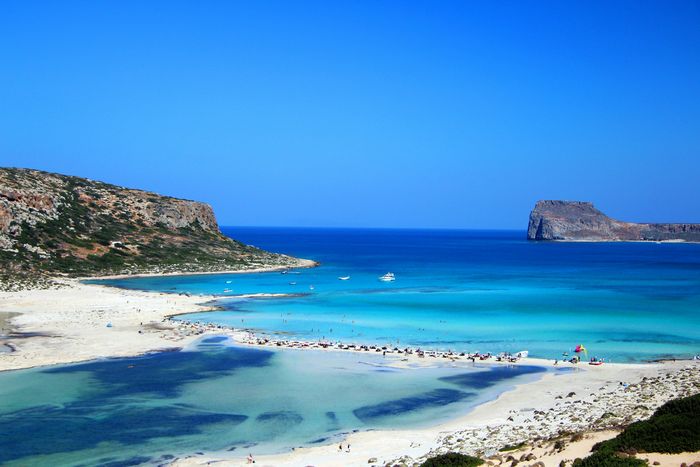
A country-sized Greek island — Europe’s oldest civilisation, pink-sand lagoons, and a mountainous wild south.

Best time to visit
  1. January: avoid
  2. February: fine
  3. March: fine
  4. April: peak
  5. May: peak
  6. June: peak
  7. July: fine
  8. August: fine
  9. September: peak
  10. October: peak
  11. November: fine
  12. December: avoid
Peak Fine Avoid
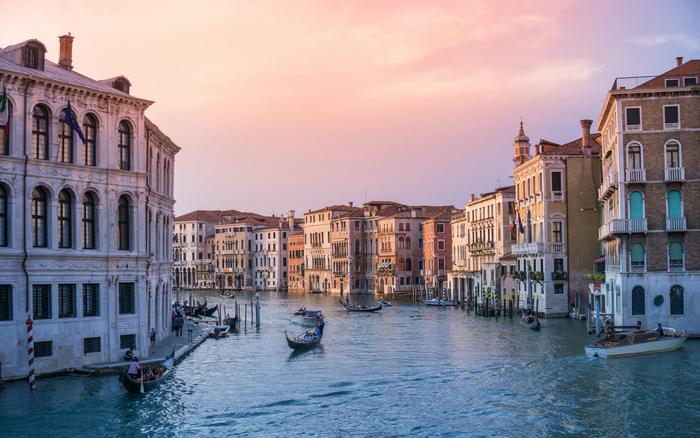
Southern Europe

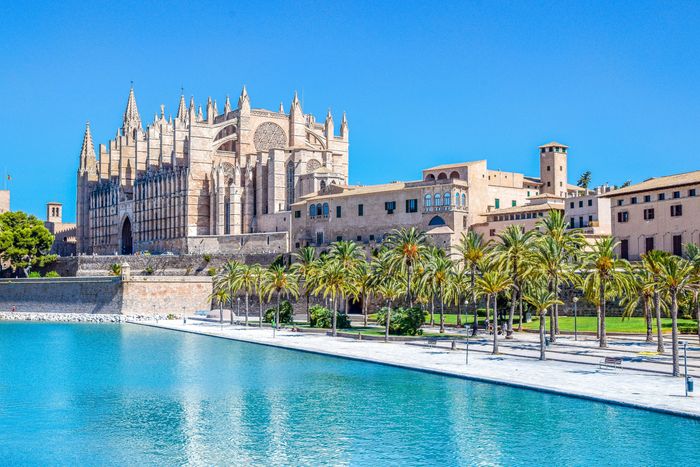
Mallorca

Far more than package beaches — turquoise coves, a UNESCO mountain range, and one of the Med’s best cities.

Best time to visit
  1. January: avoid
  2. February: fine
  3. March: fine
  4. April: peak
  5. May: peak
  6. June: peak
  7. July: fine
  8. August: fine
  9. September: peak
  10. October: peak
  11. November: fine
  12. December: avoid
Peak Fine Avoid
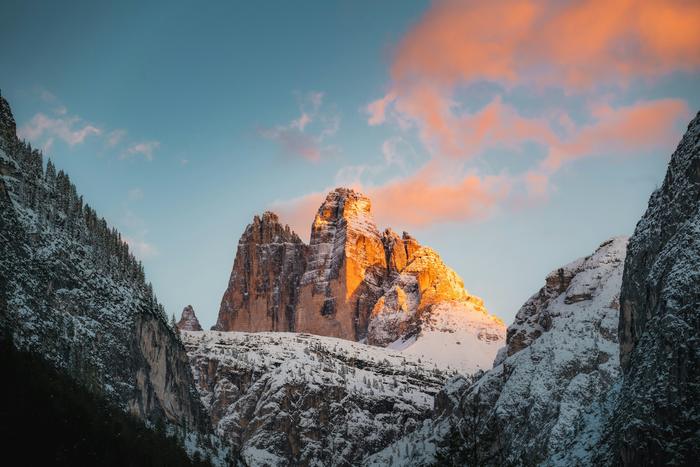
Read our full guides about Crete and Mallorca.

Side by side

Emphasised where they differ. Muted rows are much the same either way.

Crete Mallorca
Best time April–June, September, October April–June, September, October
Climate warm warm
Budget Cheaper — good value, less polished, a real budget interior Pricier — upmarket demand pushes it above most of the Med
Trip length 1–2 wks 1–1 wks
Visa Schengen — visa-free for most Western passports (90 days). Schengen — visa-free for most Western passports (90 days).
Currency EUR (€) EUR (€)
Language Greek; English widely spoken in tourism. Spanish and Catalan (Mallorquí); English widely spoken.
Tap water Tap water safe in mainland; bottled on smaller islands. Tap water safe.
Safety Very safe; take care on mountain roads and in the gorge. Very safe; watch for pickpockets in busy tourist spots in Palma.

General guidance — visas, safety, and health change, so check your government's travel advisory and the official sources before you go.

The split

Country-sized and cheaper, or compact and polished

Both are big Mediterranean islands — but one is a region to tour and the other a single easy island.

260 km vs compactthe size gap, and what it meansCrete is a week-plus region; Mallorca you cross in an hour
Cheaper vs pricierthe cost gapCrete good value; Mallorca among the pricier Med islands
History vs coveswhat each leads withMinoan ruins and gorges, or turquoise calas

Crete is the country-sized, cheaper island: Europe’s oldest civilisation at Knossos, the great Samaria Gorge, wild beaches and a mountainous south — 260 km end to end, genuinely lived-in and open year-round, and a week is the minimum. Mallorca is the compact, polished one: turquoise coves, a UNESCO mountain range and the real city of Palma, a short flight from anywhere in Europe and crossable in an hour and a half — pricier, and openly reckoning with overtourism. Crete is the deeper, better-value trip; Mallorca the easier, more upmarket one.

The operational detail for each — Crete’s Samaria logistics and car-necessity, Mallorca’s ecotax and cove access — lives on the two guides: Crete, know before you go and Mallorca, know before you go. This page is the head-to-head.

Who suits which

Who each actually suits

They’re built for different holidays — so these rarely invert.

If you want…CreteMallorca
A short, easy, polished weekBig and slow — a week is the minimumWins clearly. Compact, superbly connected
Depth — history, gorges, wild southWins clearly. Knossos, Samaria, the Libyan coastA UNESCO range and a real city, but less range
To keep costs downWins. Cheaper eating, a real budget interiorPricier — among the more upmarket Med islands
Easy turquoise covesDramatic beaches, but harder to reachWins. The calas are the signature draw
A car-light tripYou genuinely need a car hereWins. Palma works car-free
Year-round / shoulder travelWins. Stays open and lived-in all yearMuch of the resort island closes Nov–Mar

Doing both

These are two trips, not one

Unlike neighbouring islands, pairing these isn’t the move.

They sit at opposite ends of the Mediterranean with no easy direct link, and each comfortably fills its own holiday — a longer, deeper, cheaper week or more on Crete, a compact, polished week on Mallorca. Treat them as separate decisions rather than a two-in-one, and pick by what you want: range, history and value, or ease, coves and polish. Both peak in the same warm months, and Crete has the edge if you’re travelling in the shoulder or winter, when Mallorca’s resort areas shut down.

What we leave out

What we deliberately leave out

Exact prices beyond the structural comparison — both are eurozone islands where fares, tickets and lodging move within a season, so the figures here are the shape of the gap, not a quote; the country guides carry the live detail. Crete’s site tickets and Mallorca’s tourist-tax rates in particular change, so check those before you travel.

Sources

Where this comes from

The detail above was read off primary sources on — operator timetables, municipal ordinances, regional tourism boards, national statistics offices and first-hand traveller reports, rather than other travel articles. Researched and maintained by Dmitrii Romashchin — how we research.

Crete or Mallorca, month by month

Which of the two is the better bet for each month of the year, scored on how well the season suits each place.

Which to choose

Choose Crete if:

  • You want depth as well as beaches — Minoan Knossos, the Samaria Gorge, a wild mountainous south.
  • Value matters: everyday eating runs well below Mallorca.
  • You’re happy to drive a big island and give it a proper week or more.

Choose Mallorca if:

  • You want turquoise coves and a short, easy flight — Mallorca is compact and superbly connected.
  • You have a week or less and want a polished, low-friction island with a real city in Palma.
  • You’ll mix beach days with a UNESCO mountain range without long drives.

Common questions

Is Crete or Mallorca cheaper?
Crete, clearly — both are eurozone, but everyday eating on Crete runs 50–75% below Mallorca (a taverna main €8–15 against €20–30), and the Cretan interior has a real budget tier of agrotourism and mountain villages that Mallorca largely lacks. Car hire is similar. Mallorca is the more upmarket, pricier island.
Is Crete or Mallorca bigger — and does it matter?
Crete is much bigger — about 260 km long, a country-sized island where the sights are hours apart and a week is the minimum. Mallorca is compact enough to base once and day-trip the whole island in a shorter stay. It matters a lot: Crete is a region to tour, Mallorca a single accessible island.
Which has better beaches, Crete or Mallorca?
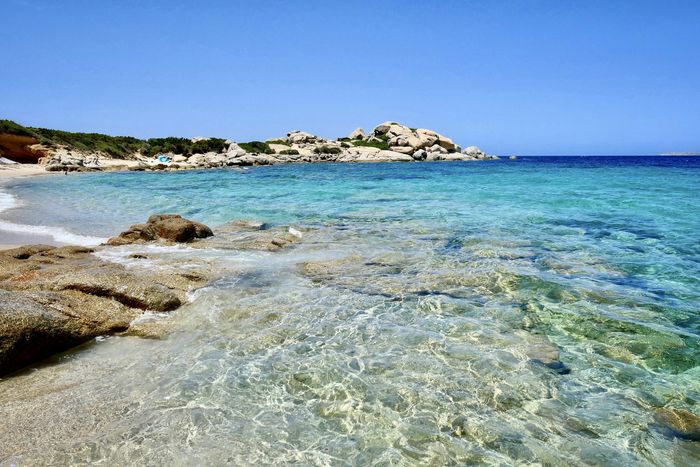
Different beauty. Mallorca’s turquoise calas are the signature, if increasingly crowded and tiny. Crete’s famous beaches — the pink sand of Elafonisi, the Balos lagoon — are dramatic but harder to reach (a rough road or a boat). Mallorca for easy, jewel-like coves; Crete for wilder, bigger set-pieces you work for.
How long do you need in Crete vs Mallorca?
Crete wants a week or more — it’s large, the roads are slow, and the highlights span the island. Mallorca suits a shorter trip, even a long weekend from Europe, because it’s compact and quick to cross. Under-budgeting Crete’s size is the most common mistake.
Should I do both Crete and Mallorca in one trip?
Rarely worth it — they’re at opposite ends of the Mediterranean with no easy direct link, and each fills its own holiday. They’re better as separate trips: Crete for a longer, deeper, cheaper island; Mallorca for a compact, polished week.

Still undecided

Take the quiz

Three matches. Often answers comparison questions for you.

Start the quiz