Nepal
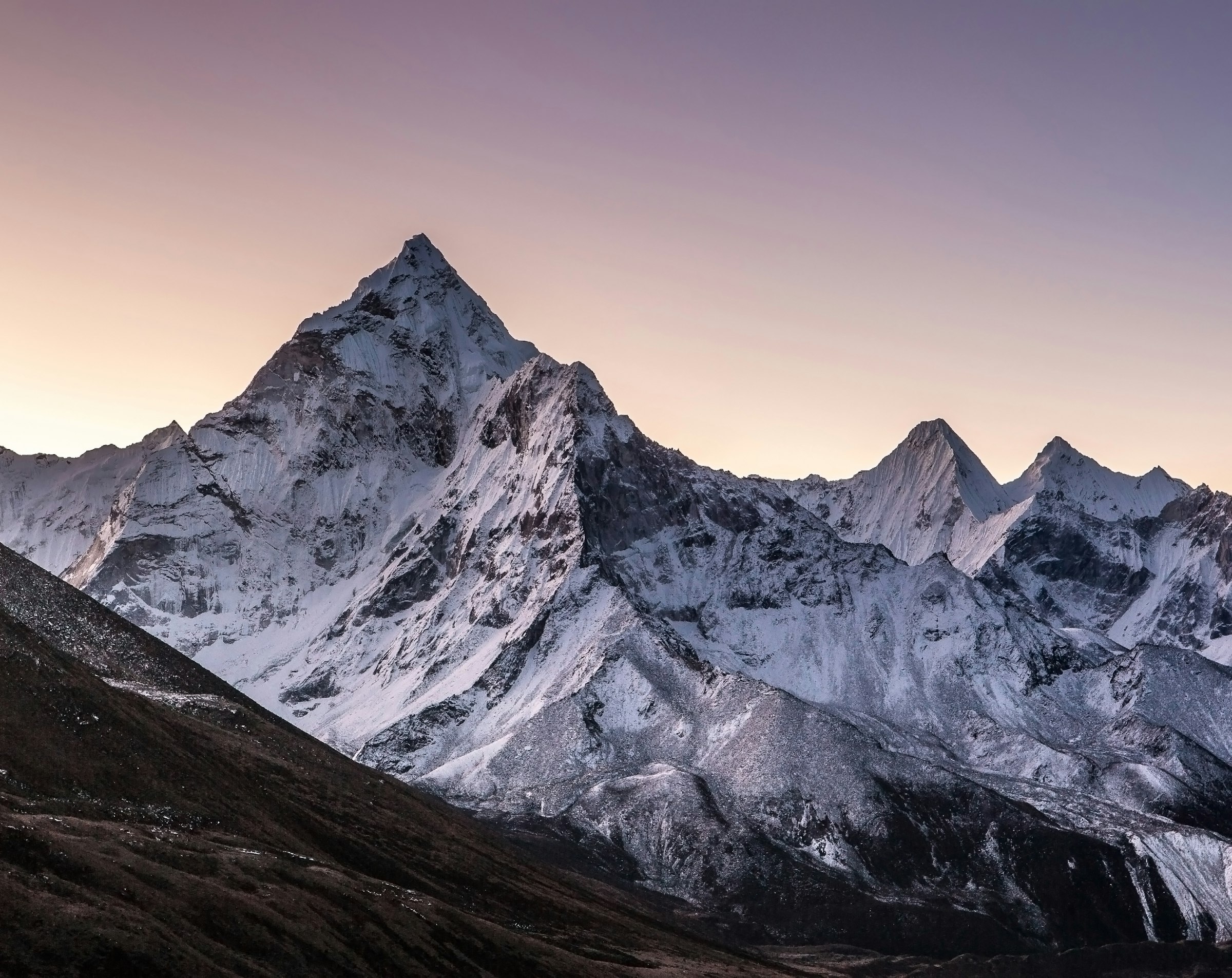
The Himalayas. Trekking that changes how you see scale.
Nepal is for people who want to be in mountains — not look at them. The Annapurna and Everest treks deliver the most dramatic high-altitude walking on earth. Kathmandu is chaotic and exhausting; Pokhara is the chill counterpoint with a lake and a view of the Annapurnas.
Trekking days fall into a rhythm fast: walking by seven, dal bhat for lunch, a teahouse bed by mid-afternoon, cards and ginger tea while the peaks go pink. Kathmandu is worth two days — Durbar Square, Boudhanath, and gear shopping in Thamel, where everything is cheap and half of it is fake. Then a flight to Lukla or a long jeep ride to the Annapurna trailheads. Your money goes to flights, permits, and guides; the walking itself costs almost nothing.
The honest part: Kathmandu's dust and traffic wear you down, Lukla flights cancel for days at a stretch in bad weather, and road construction has eaten the lower sections of the Annapurna Circuit. Teahouses are cold and basic; a hot shower is a rumor above 4,000 meters. Altitude sickness is a genuine danger, not a footnote. If your holiday needs comfort, skip it. If you want the biggest mountains on earth at backpacker prices, nothing else comes close.
Highlights
-
Annapurna Circuit
The classic 2-3 week trek through villages and 5,000m+ passes.
-
Everest Base Camp
Two weeks to stand under the highest mountain on earth.
-
Pokhara
Lake, paragliding, and mountain views you never quite get used to.
-
Kathmandu Valley
Temples, palaces, and three medieval capitals close together.
Practical info
- Visa
- Visa-on-arrival for most nationalities (15/30/90 days).
- Currency
- NPR (Nepalese Rupee). Roughly 134 NPR ≈ 1 USD.
- Language
- Nepali. English widely used in trekking areas.
- Safety
- Safe on trails. Altitude is the real risk — acclimatize properly.
- Getting around
- Mostly hire car or buses. Domestic flights for trekking trailheads.
- Tap water
- Tap water not safe. Treat or bottled.
- Plug type
- Type C Type D Type M 230V
- Money
- Cash dominant. Bring USD for visa and as backup.
General guidance — visas, safety, and health change, so check your government's travel advisory and the official sources before you go.
Common questions
- Do I need a visa for Nepal?
- Yes, but it’s easy, and you now have two ways to get it. The tourist visa on arrival at Kathmandu airport and major land borders still works — US$30 (15 days), US$50 (30 days) or US$125 (90 days), paid in crisp USD cash with a passport photo, passport valid six months. Alternatively, since 17 August 2026 a full e-Visa issued by email before departure is live (apply on the official immigration portal, ~24-hour processing). The e-Visa runs alongside visa-on-arrival rather than replacing it, so either option is fine as of 2026 — check the official portal if you prefer to arrive with it in hand.
- Do I need a guide to trek in Nepal?
- Usually, but with real nuance. A licensed-guide rule for foreign trekkers on national-park and conservation-area routes has been in force since April 2023, so assume a guide is required for the Annapurna Circuit, Langtang, Poon Hill and similar. Two important exceptions: the Everest/Khumbu region is exempt — independent trekking to Everest Base Camp remains openly allowed (park permits yes, guide not legally required) — and restricted areas (Manaslu, Upper Mustang, Dolpo, Nar Phu, Kanchenjunga, Tsum, Humla) require a guide and a registered agency. Note a 2026 change: the old “minimum two trekkers” rule for restricted areas was dropped in March 2026, so a solo foreigner can now get those permits (with a guide and agency; max group seven). Confirm current rules when booking.
- What kind of insurance do I need?
- This is the one you cannot skimp on: travel insurance that explicitly covers high-altitude trekking AND helicopter evacuation. Many standard policies cap medical cover at around 2,500–3,000m, which voids them above that — and on a high trek, where Everest Base Camp is ~5,364m and Thorong La ~5,416m, altitude sickness (AMS, and the life-threatening HAPE/HACE) can turn serious within hours, with helicopter rescue often the only option (US$4,000–8,000+) and no roads above Lukla. Acclimatisation days are non-negotiable. Confirm your policy names high-altitude trekking and heli-evac to your planned elevation.
- How do I get to the Everest trek, and when should I go?
- The gateway is the flight to Lukla — notoriously weather-dependent and delay-prone — and a crucial catch: in the two peak seasons (spring and autumn) most Lukla flights leave not from Kathmandu but from Ramechhap/Manthali, a 4–5-hour (sometimes longer) pre-dawn drive away, because of congestion at Kathmandu’s single runway. Build in buffer days. On timing, autumn (October–November) is the prime window — clearest skies and stable weather — with spring (March–May) the solid second choice; avoid the monsoon (June–September) and mind winter pass closures.
- Is Nepal safe to visit now, after the 2025 unrest?
- Yes. A Gen-Z-led uprising in September 2025 was serious and brought down the government, but it is firmly in the past — a March 2026 election produced a new elected government and the country is stable, with tourism and trekking operating completely normally (arrivals are back above pre-pandemic levels). The US lowered its advisory to Level 2 (“exercise increased caution”) in April 2026 and the UK has no restriction on travel. Ordinary caution applies — avoid any political demonstrations, watch for petty theft in Thamel — but don’t treat Nepal as currently unstable.
- Which is the better trek — Everest Base Camp or the Annapurna Circuit?
- Both are world-class and quite different. Everest Base Camp is the bucket-list name — higher, starker, Sherpa-and-monastery country reached by the Lukla flight, and legally trekkable without a guide. The Annapurna Circuit is more varied (subtropical foothills to the high Thorong La pass, villages, rhododendrons), more comfortable underfoot, road-accessible at both ends — but a guide is now required. For first-timers wanting variety and easier logistics, Annapurna; for the Everest name and the starkest high-mountain scenery, EBC.
Entry & visa
An easy visa, now also an e-Visa
Visa-on-arrival is simple — and since August 2026 a full e-Visa runs alongside it.
Entry is straightforward and now offers a choice. The tourist visa on arrival at Kathmandu’s airport and the main land borders still works — US$30/$50/$125 for 15/30/90 days, paid in crisp USD cash with a passport photo and a passport valid six months. Pre-filling the online form shaves time at the counter.
Since 17 August 2026 there is also a full e-Visa, issued remotely by email before you fly (apply on the official immigration portal, around 24-hour processing). Crucially it runs alongside visa-on-arrival rather than replacing it, so as of 2026 you can either apply online in advance or still get the visa on arrival — whichever you prefer.
Only use the official government immigration portal for the e-Visa — several commercial lookalike sites charge a markup for the same form. And because the system is newly in transition, glance at the official site shortly before travel in case the process tightens; as of late 2026, visa-on-arrival remains fully available for US, UK, EU and most other nationalities.
When to go
Two trekking windows, two to avoid
The Himalaya has a narrow prime season — clear autumn skies above all — bracketed by a wet monsoon and a frozen winter.
The two trekking windows are autumn (Oct–Nov — the clearest, most stable and busiest) and spring (Mar–May, with the rhododendrons in bloom). The crimson bars are the ones to avoid for a high trek: the monsoon (Jun–Sep: rain, cloud, leeches, landslides) and deep winter (Dec–Feb, when passes like Thorong La snow shut, though low treks like Poon Hill stay open). In both trekking peaks, the Lukla flight shifts to Ramechhap.
Nepal is for being in the mountains, not just looking at them, and the trekking calendar is strict. Autumn (October–November) is prime — the clearest skies and most stable weather of the year, and correspondingly the busiest. Spring (March–May) is the strong alternative, warmer and lit up by rhododendron blooms. The monsoon (June–September) is wet, cloudy and leech-prone with landslide risk on the roads, and winter (December–February) is cold with the high passes snowed shut — though low-altitude walks like Poon Hill and the Kathmandu-and-Pokhara sightseeing stay fine year-round.
- you want the clearest Himalaya viewsSkipthe monsoon (cloud) and deep winter (snow-shut passes)Goautumn (Oct–Nov), with spring (Mar–May) the strong second
- you’re flying to Lukla in a peak seasonSkipassuming the flight leaves KathmanduGoplanning for the Ramechhap departure — a 4–5h+ pre-dawn drive
- you’re relying on a standard travel policySkipassuming it covers you at altitudeGoone that names high-altitude trekking and helicopter evacuation to your elevation
Getting around
Lukla flights and rough roads
The Everest gateway flight is weather-dependent and, in peak season, leaves from Ramechhap — not Kathmandu.
For the Everest region, the gateway is the flight to Lukla — scenic but weather-dependent and delay-prone, so buffer days are essential. The catch most people miss: in the spring and autumn peaks, those flights depart from Ramechhap/Manthali, a 4–5-hour (and in 2026, with road damage, sometimes longer) road drive from Kathmandu, because the capital’s single runway is too congested — so the trek often starts with a pre-dawn drive, not an airport hop.
Elsewhere, domestic flights link Kathmandu and Pokhara, while mountain roads and buses are rough, slow and seasonally hit by monsoon landslides. On the trails themselves, you walk — there are no roads above Lukla, which is exactly why altitude and evacuation planning matter so much.
| Way | Use it for | Note |
|---|---|---|
| Lukla flight | The Everest gateway | Weather-dependent; peak-season flights from Ramechhap |
| Domestic flight | Kathmandu ↔ Pokhara and the regions | Quick; saves days of rough road |
| Tourist bus / jeep | Overland on the main routes | Slow; monsoon landslides |
| On foot | Above Lukla there are no roads | The trek itself — altitude governs everything |
The key planning point: in spring and autumn the Lukla flight departs Ramechhap/Manthali, a long pre-dawn drive from Kathmandu, so build in buffer days. Checked October 2026.
Build buffer days around the Lukla flight. The gateway to the Everest region is a short, scenic, highly weather-dependent hop that is routinely delayed or cancelled — and the catch most people miss is that in the spring and autumn peaks it doesn’t leave from Kathmandu at all, but from Ramechhap/Manthali, a 4–5-hour drive away. Leave slack at both ends of the trek, and never book a tight onward international flight for the day you fly back from Lukla.
Treks & permits
Permits, the guide rule, and altitude
The draw is the trek itself — with permits to arrange, a guide often (not always) required, and altitude the governing risk.
The experiences are the treks: Everest Base Camp, the Annapurna Circuit and Base Camp, Langtang, Poon Hill. Most need two or three permits — a national-park or conservation-area permit (ACAP for Annapurna, Sagarmatha for Everest, roughly NPR 3,000 each) plus, in the Everest region, a local Khumbu municipality fee (~US$23); the old TIMS card is no longer required in the Khumbu and only loosely enforced on Annapurna. A licensed guide is required on most park routes — with the Everest/Khumbu exemption, and the restricted areas (Manaslu, Mustang, Dolpo and the rest) needing a guide and registered agency, though the two-person minimum there was dropped in 2026.
Above all, altitude is the governing constraint: Everest Base Camp sits at ~5,364m and Thorong La at ~5,416m, well into the zone where acute mountain sickness turns dangerous. Build in acclimatisation days, ascend gradually, and carry insurance that covers high-altitude trekking and helicopter evacuation — with no roads up high, a chopper is often the only way out. Respect the mountain’s timescale and it rewards you; rush it and it doesn’t.
Where to go
Two great ranges, a temple valley, a jungle south
Nepal splits into the high trekking ranges, the Kathmandu Valley, and the steamy Terai lowlands.
Nepal’s draws stack by altitude. The high ranges hold the marquee treks — Everest/Khumbu (Sagarmatha National Park, EBC, the Sherpa heartland) in the east and the Annapurna region (the Circuit over Thorong La, Base Camp, Poon Hill) in the centre-west, gateway’d by lakeside Pokhara. The Kathmandu Valley is the cultural core — seven UNESCO monument zones of Durbar Squares, stupas (Boudhanath, Swayambhunath) and temples (Pashupatinath), largely rebuilt since the 2015 earthquake. And along the southern Terai lowlands lie steamy Chitwan (jungle safaris for one-horned rhino and tiger) and Lumbini, the Buddha’s birthplace.
| Region | What it’s for | Good to know |
|---|---|---|
| Everest / Khumbu | The EBC trek, Sherpa country | Sagarmatha NP (UNESCO); guide not required |
| Annapurna | The Circuit, ABC, Poon Hill | Nepal’s largest conservation area; Pokhara gateway |
| Kathmandu Valley | Temples, Durbar Squares, stupas | Seven UNESCO monument zones |
| Pokhara | Lakeside base, Annapurna views, adventure | The relaxed counterpoint to Kathmandu |
| Chitwan (Terai) | Jungle safari — rhinos and tigers | A UNESCO lowland national park |
| Lumbini (Terai) | The Buddha’s birthplace | A UNESCO Buddhist pilgrimage site |
Food & drink
Dal bhat power, momos, and mountain tea
Simple, warming, endlessly refillable — a cuisine built to fuel a day on the trail.
Free refills dal bhat — the trekker’s fuel
Nepali food is simple, warming and built for energy. The staple is dal bhat (see the figure) — eaten twice a day by much of the country and by nearly every trekker, for the free refills. The universal snack is the momo (dumpling), Tibetan thukpa noodle soup warms the high trails, and the Kathmandu Valley has its own refined Newari cuisine (bara, choila). Sweet sel roti appears at festivals, and milky, spiced chiya tea is the constant. Keep to treated or bottled water throughout — waterborne illness, not the food, is the real risk.
| Dish / drink | What it is | Note |
|---|---|---|
| Dal bhat | Lentil soup, rice, curry and pickle | The national staple — usually with free refills |
| Momos | Steamed or fried dumplings | The everywhere snack |
| Thukpa | Tibetan-style noodle soup | Warming on the trail |
| Newari dishes | Bara, choila and the valley’s cuisine | A Kathmandu Valley specialty |
| Sel roti | Ring-shaped fried rice bread | A festival treat |
| Chiya | Spiced or milk tea | The daily cup, everywhere |
On the trek, dal bhat is king — it comes with free refills, hence the trekkers’ mantra “dal bhat power.” Yak cheese and butter tea appear high up; drink only treated, boiled or bottled water, never straight from the tap or stream.
Culture
Hindu and Buddhist, Sherpa and Gurkha
A deeply spiritual, mountain-shaped culture — birthplace of the Buddha, home of the only non-rectangular flag on earth.
The only one Nepal’s non-rectangular national flag
Nepal is a Hindu-majority country (around 81%) with a significant Buddhist minority (around 8%), and the two traditions are deeply intertwined — this is, after all, the birthplace of the Buddha (at Lumbini), ringed by Hindu temples and Buddhist stupas alike. The mountain cultures are their own world: the Sherpa of the Khumbu, synonymous with high-altitude mountaineering, and the Gurkhas, the Nepali soldiers of legend. Kathmandu keeps a living goddess, the Kumari; “namaste” is the everyday greeting; and the country flies the only non-rectangular national flag on earth (see the figure). It’s a warm, devout, resilient place.
Good to know
Cash on treks, and a settled 2026
The practical footnotes — a cash economy on the trails, and a country stable again after 2025’s upheaval.
The currency is the Nepalese rupee, and the mountains run on cash: ATMs are unreliable or absent beyond the likes of Namche, so withdraw enough in Kathmandu or Pokhara (reckon on NPR 3,000+ a day on trek, plus permit and guide cash). Tipping is customary — roughly US$15–20 a day for a lead guide, less for assistants and porters, usually pooled. Load-shedding is largely resolved (Nepal now exports hydropower), with only occasional short cuts, and tap water is unsafe to drink anywhere — purify, boil or buy it.
On the political picture, be accurate rather than alarmed: a Gen-Z-led uprising in September 2025 brought down the government, but a March 2026 election produced an elected government and the country is stable, with tourism and trekking operating normally and arrivals back above pre-pandemic levels. The US rates Nepal Level 2 and the UK places no restriction on travel — avoid any demonstrations and watch for petty theft in Thamel, but don’t treat Nepal as currently unstable.
Compare Nepal
If you like Nepal, also consider
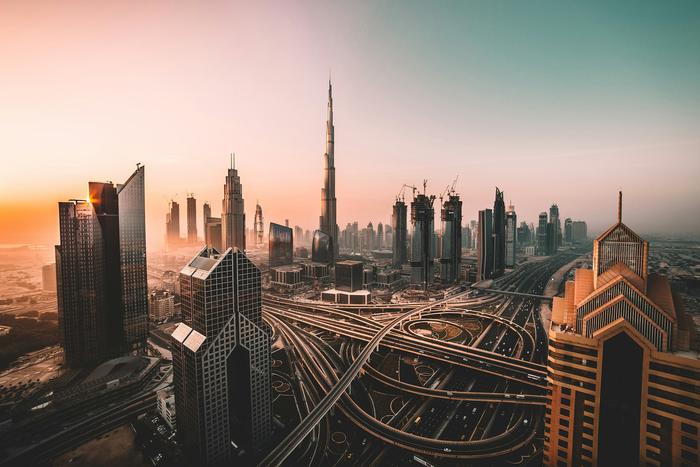
United Arab Emirates
Dubai and Abu Dhabi: superlatives, desert, and a stopover worth a few days of its own.
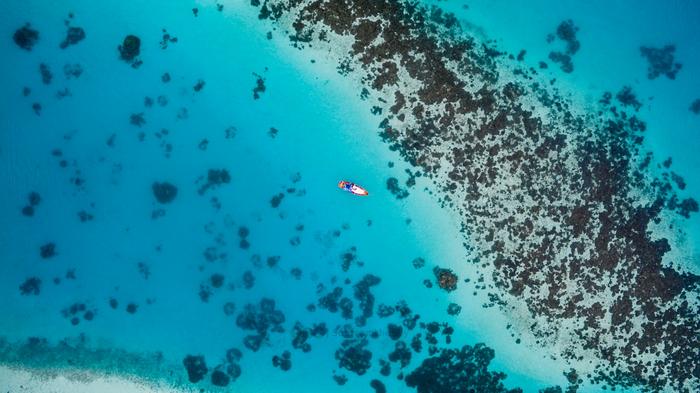
Maldives
One island, one resort, almost nothing to do. That is the point.
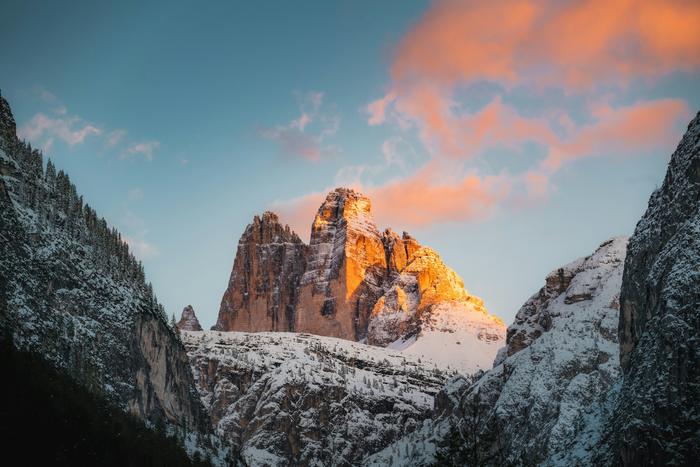
The Alps
The ski and alpine benchmark — every other mountain range is measured against this.
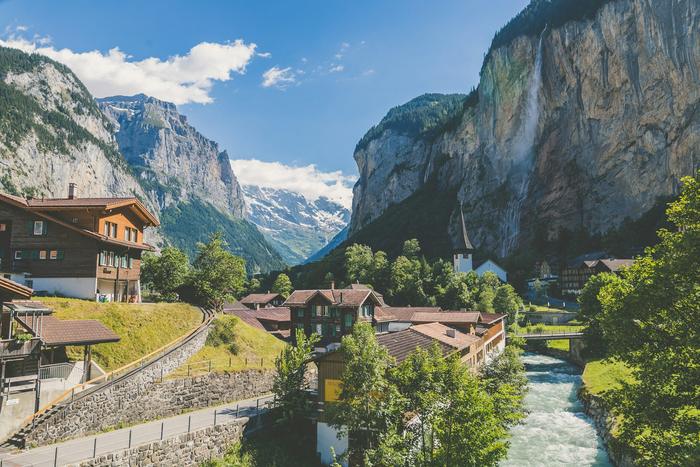
Switzerland
The most concentrated mountain scenery in Europe — and you'll pay for it.
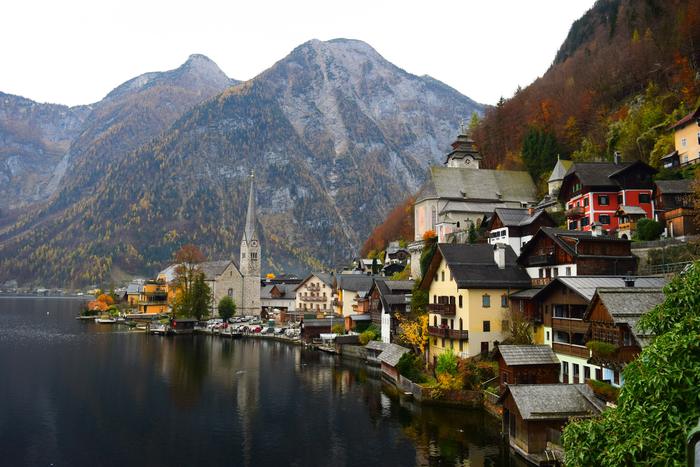
Austria
The Alps done properly — skiing, hiking, and Vienna for the culture.
Not sure where to go
Take the 5-minute quiz
Answer a few honest questions and get matched to destinations that actually fit how you travel.
Start the quiz