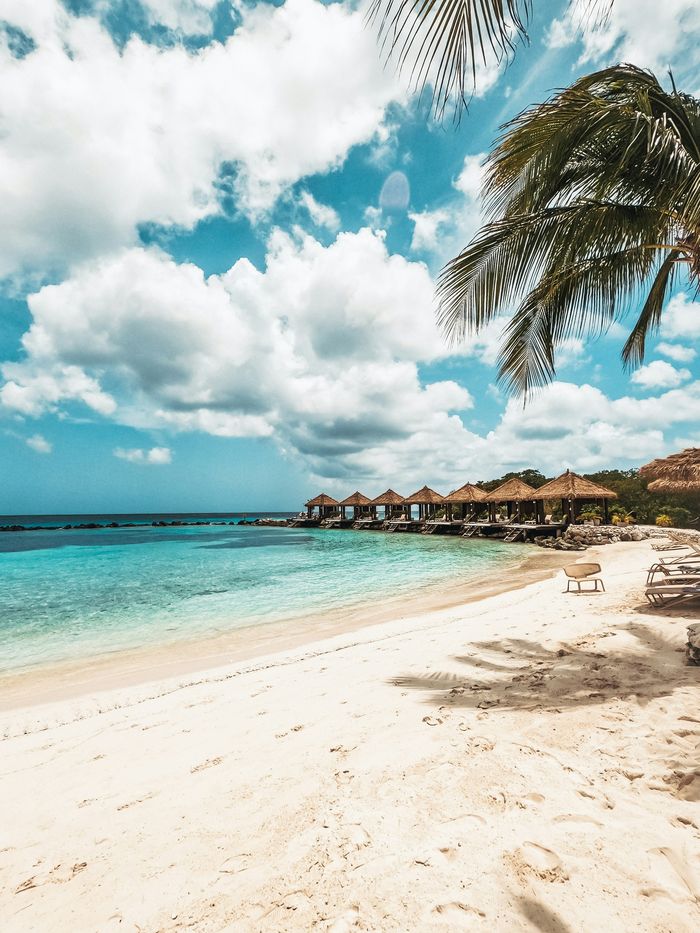
Aruba vs Bahamas

Two very different Caribbean(ish) holidays. Aruba is the single, dependable island — a dry, cactus-strewn, trade-wind-cooled Dutch island with calm west-coast beaches, sitting far enough south to largely dodge the hurricane belt, that you simply base yourself on. The Bahamas is the sprawl — an archipelago of 700-plus islands and cays strung south-east of Florida, from busy Nassau and Paradise Island to the pale sandbars of the Exumas, built for island-hopping (and sitting squarely in hurricane territory). One is a reliable one-island base; the other a scatter you move between.

Caribbean

Aruba

The dry, breezy Caribbean island that sits below the hurricane belt — sunshine you can actually bank on.

Best time to visit
  1. January: peak
  2. February: peak
  3. March: peak
  4. April: peak
  5. May: peak
  6. June: peak
  7. July: fine
  8. August: fine
  9. September: fine
  10. October: fine
  11. November: fine
  12. December: peak
Peak Fine Avoid

Caribbean

Bahamas

Seven hundred islands of impossibly clear water, from cruise-port Nassau to the empty Out Islands.

Best time to visit
  1. January: peak
  2. February: peak
  3. March: peak
  4. April: peak
  5. May: fine
  6. June: fine
  7. July: fine
  8. August: avoid
  9. September: avoid
  10. October: fine
  11. November: fine
  12. December: peak
Peak Fine Avoid

Read our full guides about Aruba and Bahamas.

Side by side

Emphasised where they differ. Muted rows are much the same either way.

Aruba Bahamas
Best time December–June December–April
Climate warm warm
Budget A pricier island — the resort strip costs most; dry and reliable year-round Pricey too — Nassau is costly, and island-hopping the out-islands adds up
Trip length 1–1 wks 1–1 wks
Visa Visa-free for most Western passports (stays up to 30–90 days). Verify before travel. Visa-free for most Western passports (stays up to 90 days). Verify before travel.
Currency Aruban Florin (AWG); US dollars accepted almost everywhere. Bahamian Dollar (BSD), pegged 1:1 to USD; US dollars accepted everywhere.
Language Dutch and Papiamento (official); English and Spanish widely spoken. English (official).
Tap water Tap water is desalinated and excellent — safe to drink. Bottled or filtered water advised, especially on the smaller islands.
Safety One of the safest islands in the Caribbean; ordinary precautions only. Resorts and Out Islands are safe; parts of Nassau outside the tourist strip warrant normal city caution at night.

General guidance — visas, safety, and health change, so check your government's travel advisory and the official sources before you go.

The split

One reliable island, or a 700-island scatter

Both are sun-and-sand escapes — but one is a single dry, breezy island you base on, the other a vast archipelago you hop.

One vs manythe shapeA single island base, or 700+ islands to hop
Dry vs lushthe climateDesert trade-winds and reliable sun, or humid Atlantic turquoise
Outside vs inside the belthurricane riskAruba largely dodges it; the Bahamas sits within it

Aruba is the single, dependable island — dry, cactus-strewn and trade-wind-cooled, with calm west-coast beaches, reliable year-round sun, and a position far enough south to largely dodge the hurricane belt. You base yourself and explore one island by car. The Bahamas is the sprawl: an archipelago of 700-plus islands and cays off Florida, from busy Nassau and Paradise Island to the pale sandbars of the Exumas, built for island-hopping — and sitting squarely in hurricane territory.

The operational detail — Aruba’s ED-Card, US$20 fee and US Preclearance; the Bahamas’ entry and inter-island logistics — lives on the two guides: Aruba, know before you go and the Bahamas, know before you go. This page is the head-to-head.

The real difference

A reliable base, or a varied scatter

The trade: Aruba offers dependable dry sun, calm beaches and low hurricane risk on one island; the Bahamas offers island-hopping variety close to the US.

Aruba wins on reliability and simplicity. Dry, breezy, reliably sunny and largely hurricane-safe, with calm swimmable beaches and one easy island to base on — plus the convenience of US Preclearance on the way home. It’s the low-worry, one-stop choice.

The Bahamas wins on variety and proximity. Hundreds of islands to hop, the famous Exuma sandbars and swimming pigs, and the shortest hop to a Caribbean-style beach from the US East Coast — at the cost of more humidity, real hurricane exposure, and the logistics of moving between islands. Choose the reliable base, or the varied scatter.

Who suits which

Who each actually suits

Both are sun-and-sand escapes — but one leans reliable one-island simplicity, the other island-hopping variety.

If you want…ArubaBahamas
Island-hopping and varietyOne island onlyWins. 700+ to hop
A single easy baseWins. Settle and driveHopping is the point
Low hurricane-season riskWins. Outside the beltInside the belt
Reliably dry, breezy sunWins. Desert trade windsLusher, more humid
The shortest hop from the USFurther southWins. Off Florida
Famous turquoise sandbarsCalm west beachesWins. The Exumas

Doing both

Far apart — usually one or the other

Different corners of the region, with no natural routing between.

Aruba (off Venezuela) and the Bahamas (off Florida) sit in different corners of the wider Caribbean with no direct, natural routing, so they’re not a natural single trip — you’d connect through a US or regional hub, and most people pick one. For more island comparisons, see Bahamas vs Dominican Republic and Costa Rica vs Dominican Republic.

What we leave out

What we deliberately leave out

Exact prices beyond the structural comparison — Aruba’s resort-strip rates and the Bahamas’ Nassau-and-out-islands costs both move with season — so the figures here are the shape of the difference, not a quote; the country guides carry the live detail. Each island’s entry mechanics (Aruba’s ED-Card and Preclearance, the Bahamas’ arrival requirements) are covered on its guide rather than restated here.

Aruba or Bahamas, month by month

Which of the two is the better bet for each month of the year, scored on how well the season suits each place.

Which to choose

Choose Aruba if:

  • A single easy base with reliably dry, sunny, breezy weather.
  • You want the lowest hurricane-season risk in the region.
  • Calm beaches and one-island simplicity over island-hopping.

Choose Bahamas if:

  • Island-hopping and variety — Nassau to the Exumas — are the appeal.
  • You want the closest Caribbean-style escape to the US East Coast.
  • Famous sights (swimming pigs, pale sandbars) over a single base.

Common questions

Is Aruba or the Bahamas safer from hurricanes?
Aruba, clearly. It sits far south (around 12°N), outside the main Atlantic hurricane belt, so direct hits are historically rare — making the June–November season far less of a gamble there. The Bahamas sits squarely in hurricane territory off Florida and is exposed to Atlantic storms (as Hurricane Dorian showed in 2019). Neither is literally risk-free, but for low hurricane-season worry, Aruba has the clear edge.
Which is better for island-hopping versus a single base?
They’re built for opposite styles. The Bahamas is an archipelago of 700-plus islands, so hopping — Nassau, the Exumas, the family islands — is the whole point, reached by short flights and boats. Aruba is one island: you base yourself and explore by car, with no hopping. For island variety, the Bahamas; for a simple one-island trip, Aruba.
Which has the better beaches and weather?
Both have superb beaches, but the feel differs. Aruba is dry and desert-like, cooled by constant trade winds, with calm, swimmable west-coast beaches (Eagle, Palm) and reliably sunny weather year-round. The Bahamas is lusher and flatter, with the famous pale-sand-and-turquoise look of the Exumas, but more humidity and rain. For dependable dry sun on calm water, Aruba; for that classic Bahamian turquoise and famous sandbars, the Bahamas.
Which is easier to reach and enter?
The Bahamas is the closest Caribbean-style escape to the US East Coast — very short flights from Florida. Aruba is further south, but has a real ace: full US Preclearance at its airport, so you clear US immigration and customs before flying and arrive home as a domestic passenger. Aruba also requires the online ED-Card (with a US$20 fee) before arrival. The country guides carry the specifics: Aruba and the Bahamas.
Can I combine them?
Not really as one trip — they’re far apart (Aruba off Venezuela, the Bahamas off Florida) with no direct, natural routing, so you’d connect through a US or regional hub, and most people choose one or the other. For more Caribbean island comparisons, see Bahamas vs Dominican Republic and Costa Rica vs Dominican Republic.

Still undecided

Take the quiz

Three matches. Often answers comparison questions for you.

Start the quiz