Antigua vs Aruba

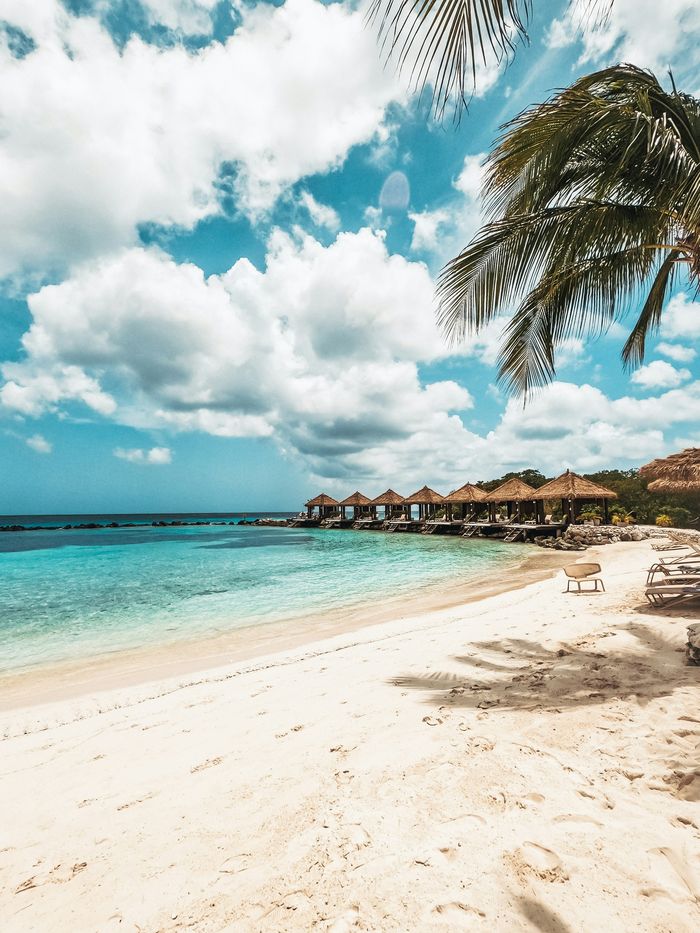
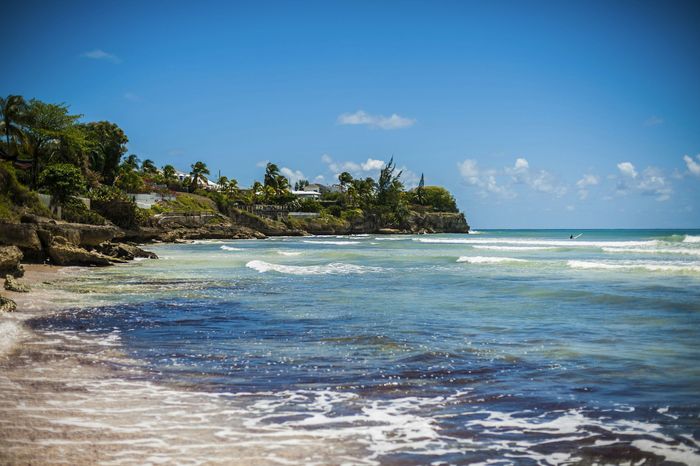
Two upscale beach islands that feel nothing alike. Antigua is green-tinged and varied: 365 reef-sheltered bays scattered round the coast, a sailing heritage, and the catch of sitting in the hurricane belt. Aruba is arid and windswept — a cactus-and-divi-divi desert island below the hurricane belt, with constant trade winds, near-guaranteed sun, and a polished resort strip along a couple of famous beaches. A varied, beach-a-day island, or a reliably dry, resort-strip one.

Caribbean

Antigua

A beach for every day of the year, and a sailing heritage to match — the Caribbean at its most classic.

Best time to visit
  1. January: peak
  2. February: peak
  3. March: peak
  4. April: peak
  5. May: fine
  6. June: fine
  7. July: fine
  8. August: avoid
  9. September: avoid
  10. October: fine
  11. November: fine
  12. December: peak
Peak Fine Avoid

Caribbean

Aruba

The dry, breezy Caribbean island that sits below the hurricane belt — sunshine you can actually bank on.

Best time to visit
  1. January: peak
  2. February: peak
  3. March: peak
  4. April: peak
  5. May: peak
  6. June: peak
  7. July: fine
  8. August: fine
  9. September: fine
  10. October: fine
  11. November: fine
  12. December: peak
Peak Fine Avoid
Read our full guides about Antigua and Aruba.

Side by side

Emphasised where they differ. Muted rows are much the same either way.

Antigua Aruba
Best time December–April December–June
Climate warm warm
Budget Upscale — one of the pricier islands, with beaches scattered round the coast Upscale and polished — a developed resort strip; sun is near-guaranteed, which commands a premium
Trip length 1–1 wks 1–1 wks
Visa Visa-free for most Western passports (stays up to 6 months). Verify before travel. Visa-free for most Western passports (stays up to 30–90 days). Verify before travel.
Currency East Caribbean Dollar (XCD); US dollars widely accepted. Aruban Florin (AWG); US dollars accepted almost everywhere.
Language English (official). Dutch and Papiamento (official); English and Spanish widely spoken.
Tap water Tap water is generally safe; bottled to be sure. Tap water is desalinated and excellent — safe to drink.
Safety Very safe in the tourist areas; ordinary precautions only. One of the safest islands in the Caribbean; ordinary precautions only.

General guidance — visas, safety, and health change, so check your government's travel advisory and the official sources before you go.

The split

Varied bays, or desert and sure sun

Two upscale beach islands — one green-ish, varied and in the hurricane belt, the other arid, windswept and reliably dry.

Green vs aridthe landscapeScattered reef-sheltered bays, or cactus desert
In-belt vs belowthe weatherHurricane-belt risk, or near-guaranteed dry sun
Scattered vs stripthe layoutMany quiet bays, or a polished resort strip

Antigua is green-ish and varied: 365 reef-sheltered bays scattered round the coast and a sailing heritage — but it sits in the hurricane belt, so the wet-season risk is real. Aruba is arid and windswept: a cactus-and-divi-divi desert island below the hurricane belt, with constant trade winds, near-guaranteed sun, and a developed resort strip on a couple of famous beaches. Beach variety, or weather certainty.

Operational detail — Antigua’s ArriveAntigua form, driving permit and taxes; Aruba’s entry and costs — lives on the two guides: Antigua, know before you go and Aruba, know before you go. This page is the head-to-head.

Who suits which

Who each actually suits

Varied-bays or desert-and-sure-sun — so these never invert.

If you want…AntiguaAruba
Near-guaranteed dry weatherHurricane-belt risk Jun–NovWins clearly. Arid, below the belt
Many varied, quiet beachesWins clearly. 365 scattered baysA few famous, busy ones
A polished resort stripMore scattered, low-keyWins. Developed and easy
A green, lush feelWins. Greener islandDesert and cactus
Sailing heritageWins. A sailing capitalWindsurfing instead
Year-round certaintyBest Dec–AprWins. Dependable year-round

Doing both

A choice, not a pairing

Far apart — pick the kind of beach island.

They’re far apart — Aruba lies off Venezuela in the far south, Antigua in the eastern Caribbean — so this is a choice, not a combination. Aruba is reliably good year-round; Antigua is at its best December to April and carries hurricane-season risk. Choose Antigua for varied, scattered beaches and a sailing soul, Aruba for near-guaranteed sun and a polished resort strip below the belt.

What we leave out

What we deliberately leave out

Exact prices and the moving pieces — Antigua’s departure-tax figure and accommodation rate; Aruba’s seasonal resort costs — change within a season, so the figures here are the shape of the gap, not a quote; the country guides carry the live detail.

Antigua or Aruba, month by month

Which of the two is the better bet for each month of the year, scored on how well the season suits each place.

Which to choose

Choose Antigua if:

  • You want many varied, scattered, reef-sheltered bays to explore.
  • A sailing heritage and a greener island appeal.
  • Variety of beaches beats guaranteed sun.

Choose Aruba if:

  • You want near-guaranteed dry weather, below the hurricane belt.
  • A polished resort strip, constant trade winds and famous beaches appeal.
  • Reliable sun and easy resorts beat scattered bays.

Common questions

How do Antigua and Aruba compare?
By climate and layout. Antigua is green-ish and varied — 365 reef-sheltered bays scattered round the coast and a sailing heritage, but it sits in the hurricane belt. Aruba is arid and windswept — a cactus-desert island below the hurricane belt with constant trade winds, near-guaranteed sun, and a polished resort strip on a couple of famous beaches. A varied, beach-a-day island, or a reliably dry, resort one. See the Antigua and Aruba guides.
Which has more reliable weather?
Aruba, clearly — it’s arid and below the hurricane belt, so rain is scarce and direct storms very rare, giving it one of the most dependable climates in the Caribbean. Antigua has lovely dry-season weather (December–April) but sits in the hurricane belt (June–November), so the wet-season risk is real. For near-guaranteed sun, Aruba; for the dry-season sweet spot, both are excellent.
Which has the better beaches?
Different kinds. Aruba has a handful of spectacular, famous beaches — Eagle and Palm — but they’re the busy heart of a developed resort strip. Antigua has far more beaches, scattered and varied, from busy resort strands to empty coves down a dirt track. A few world-famous beaches with resorts, or many quieter ones to roam between.
Can I combine them?
Not easily — they’re far apart (Aruba sits off Venezuela, in the far south), so this is a choice, not a pairing. Aruba is good year-round; Antigua is best December to April. If weather certainty matters most, lean Aruba; if you want beach variety and a sailing feel, lean Antigua.

Still undecided

Take the quiz

Three matches. Often answers comparison questions for you.

Start the quiz