Antigua
A beach for every day of the year, and a sailing heritage to match — the Caribbean at its most classic.
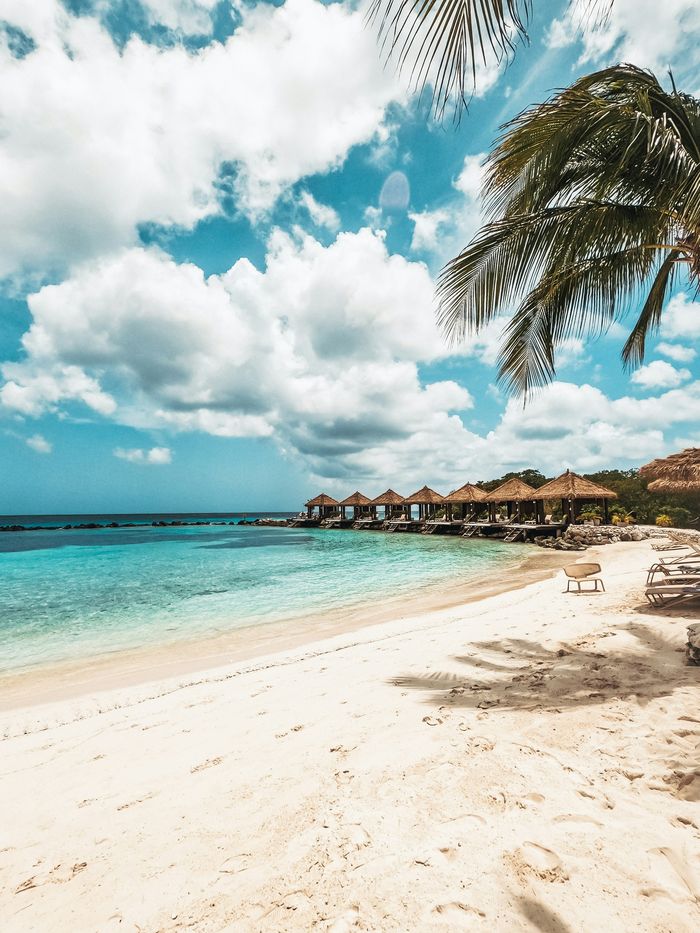
Antigua's boast is 365 beaches — one for every day — and it's not far off: the island is ringed by calm, pale-sand bays, most of them protected by reef. Beyond the sand it has a genuine maritime history in English Harbour, where Nelson's Georgian dockyard still stands, and it's one of the sailing capitals of the Caribbean. It's a straightforward, upscale beach island with an easy, English-speaking feel.
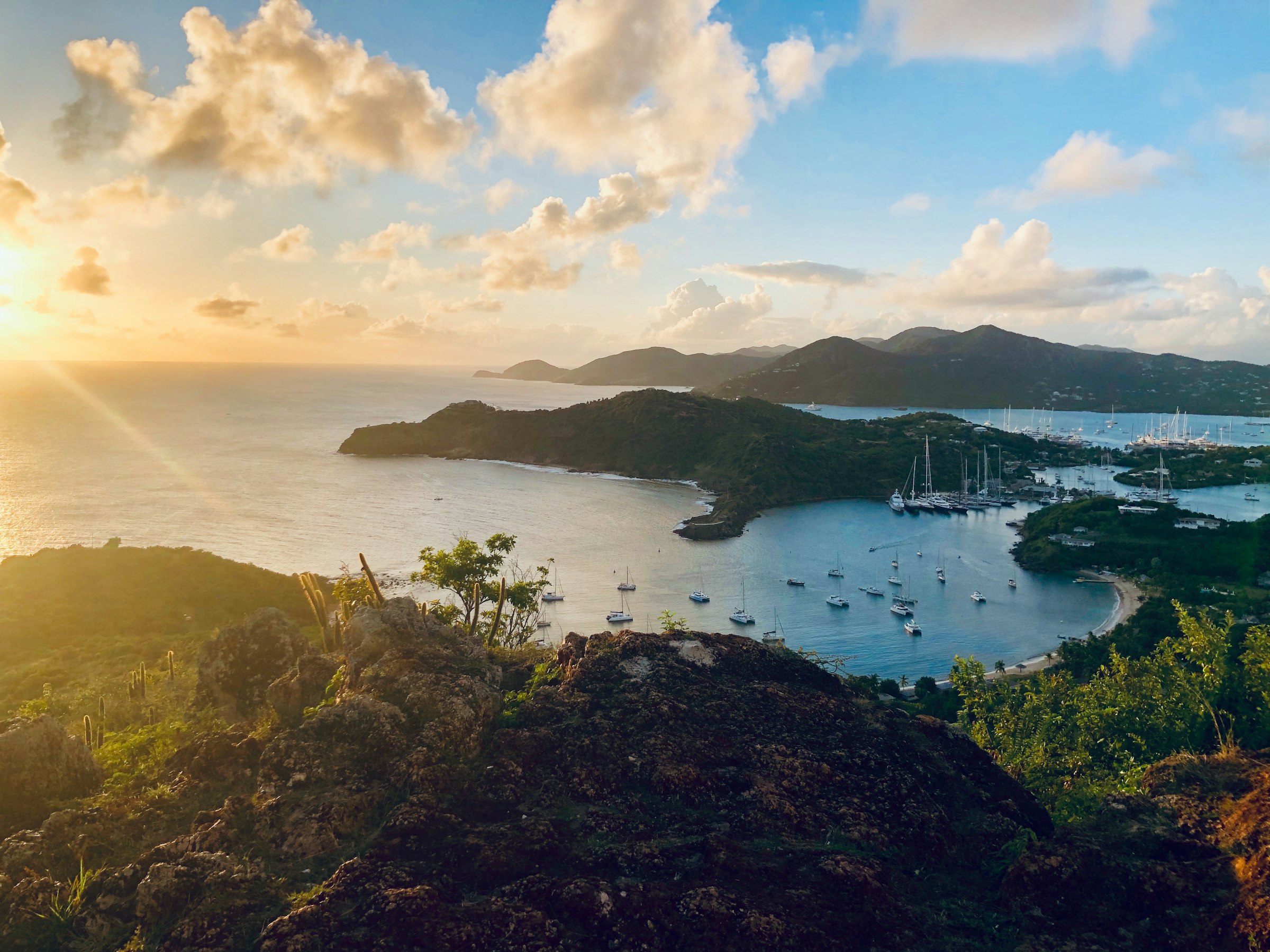
The beaches are the whole point, and they're excellent — soft, calm, and varied enough that you can find a different one each day, from the busy strips near the resorts to empty coves you reach down a dirt track. The one real 'sight' is the south coast around English Harbour and Nelson's Dockyard, a beautifully preserved 18th-century Royal Navy base that's now a UNESCO site, with the Shirley Heights lookout above it hosting a legendary Sunday-evening barbecue and steel-band party over the harbour. Sailing is in the island's blood — charter a day on the water and it makes sense. Sister island Barbuda, a short hop away, has vast pink-tinged empty beaches and a frigatebird colony.
The honest part: Antigua is quiet and low on things to do beyond the beach and the water — no big towns, limited nightlife, few cultural sights beyond the dockyard, and dining that leans pricey-resort. That calm is the appeal for a lot of people, but it's the wrong island if you want buzz or variety. It's also on the pricier side. Hurricane season (August to October) is the wet-and-risky window. Come in the dry season, rent a car to reach the quieter bays, and take it for what it is: reliable, beautiful, classic Caribbean beach time.
Highlights
-
365 beaches
Calm, pale, reef-protected bays all around the island — a different one for every day.
-
Nelson's Dockyard
A restored 18th-century Georgian naval base at English Harbour — the Caribbean’s only working one, and a UNESCO site.
-
Shirley Heights
A hilltop lookout over English Harbour with a famous Sunday-evening barbecue and steel-band party.
-
English & Falmouth Harbours
The yachting heart of the island — superyachts, sailing regattas, and waterfront bars.
-
Barbuda
The near-empty sister island: miles of pink-tinged sand and a huge frigatebird colony.
-
Half Moon Bay
A wild, curving Atlantic-facing beach on the east coast — one of the island’s best.
Practical info
- Visa
- Visa-free for most Western passports (stays up to 6 months). Verify before travel.
- Currency
- East Caribbean Dollar (XCD); US dollars widely accepted.
- Language
- English (official).
- Safety
- Very safe in the tourist areas; ordinary precautions only.
- Getting around
- Rent a car (driving on the left) to reach the quieter beaches; taxis otherwise.
- Tap water
- Tap water is generally safe; bottled to be sure.
- Plug type
- Type A Type B 230V
- Money
- Cards at resorts; carry cash for beaches and local spots.
General guidance — visas, safety, and health change, so check your government's travel advisory and the official sources before you go.
Common questions
- When is the best time to visit Antigua?
- Antigua is at its best in December–April. It's best to avoid August, September.
- How many days do you need in Antigua?
- Most trips run about 1 week, depending on how much ground you want to cover.
- Is Antigua expensive?
- Plan for mid-range – premium daily spend, depending on how you travel.
- Is Antigua safe for travelers?
- Very safe in the tourist areas; ordinary precautions only.
- Do you need a visa for Antigua?
- Visa-free for most Western passports (stays up to 6 months). Verify before travel.
Compare Antigua with
If you like Antigua, also consider
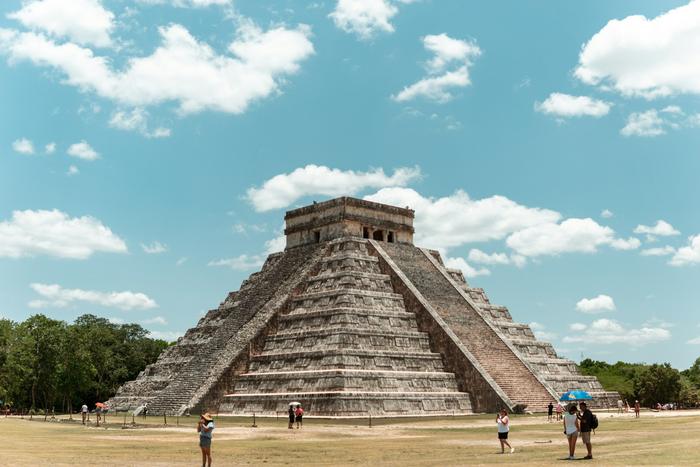
Mexico
Mexico City is world-class. Add the coast, ruins, and food culture.
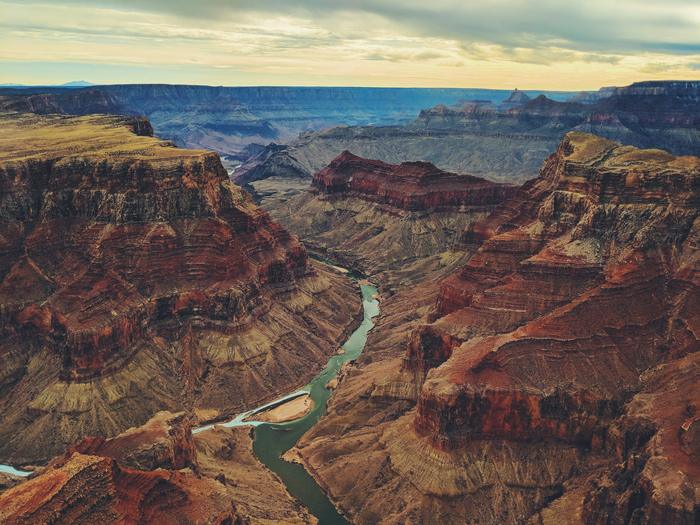
United States
A continent pretending to be a country — cities, deserts, and the best national parks anywhere.
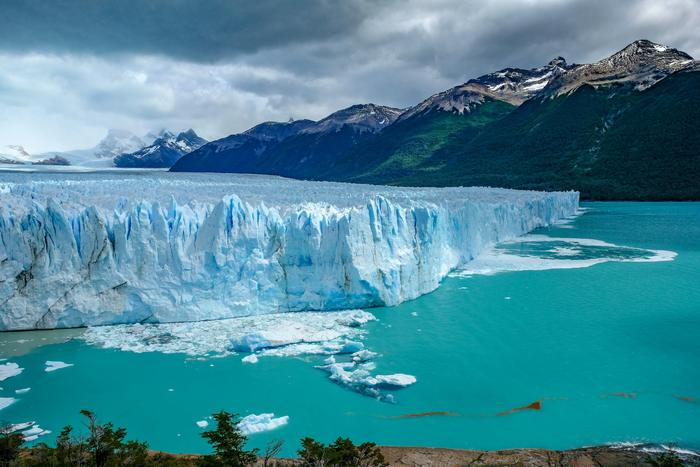
Argentina
Buenos Aires has the best steakhouses and nightlife in South America.

Greece
Ruins in the morning, a swim by noon, taverna until dark.

Spain
Food, beaches, and three or four cities that each justify the trip.
Thailand
The complete package for warm-climate travel.
Not sure where to go
Take the 5-minute quiz
Answer a few honest questions and get matched to destinations that actually fit how you travel.
Start the quiz