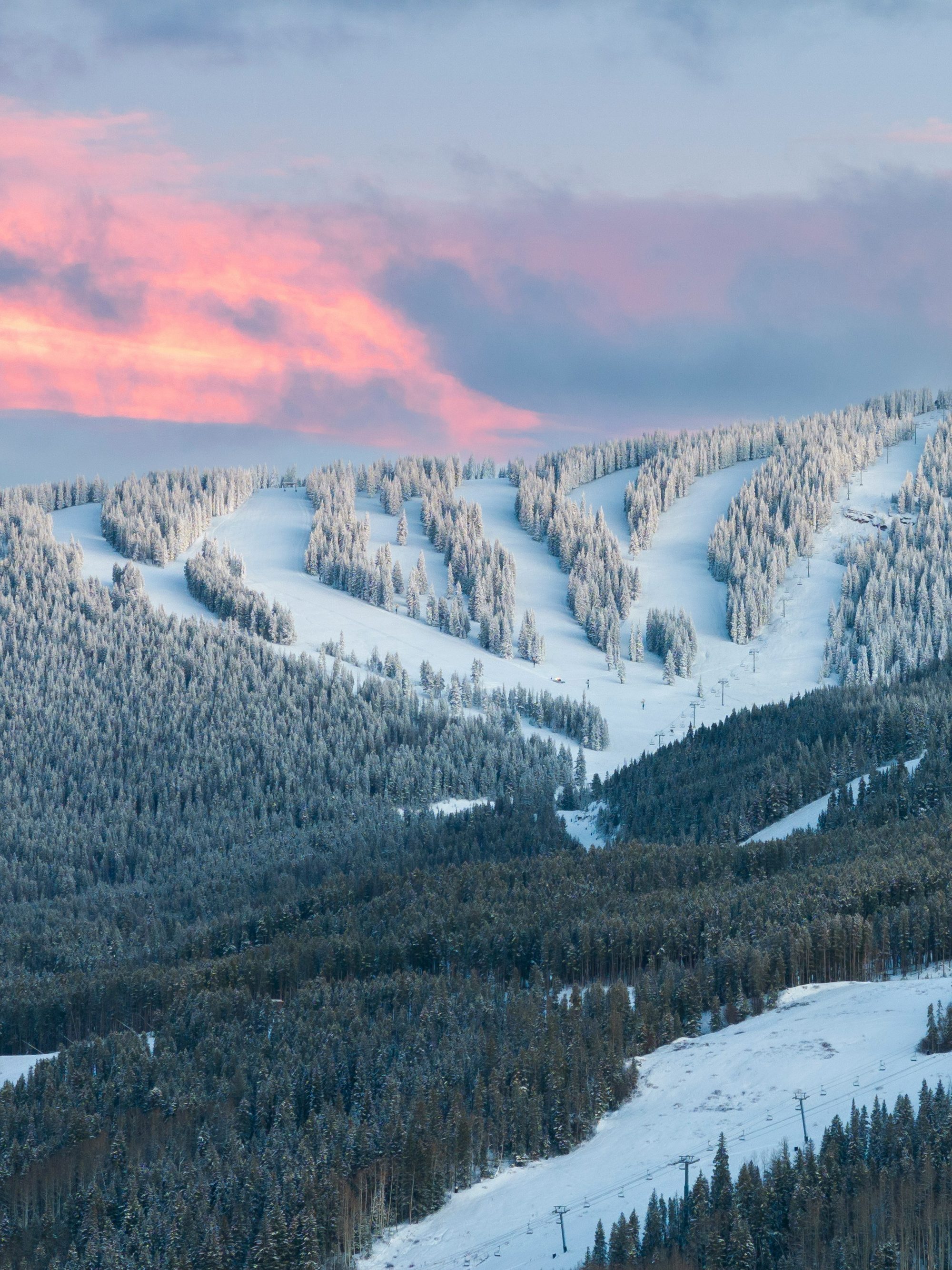
Vail, Colorado
The biggest single ski mountain in the US, with seven legendary Back Bowls.
Vail is a purpose-built resort on a colossal scale: 5,317 acres of skiable terrain spread across a long front side of groomed cruisers and seven vast Back Bowls of open alpine skiing that have no real equivalent in North America. Add Blue Sky Basin’s glades beyond the bowls and you have more lift-served variety than most skiers can cover in a week.
The front side is a textbook progression mountain — wide groomed runs from top to bottom, high-speed quads everywhere, and the kind of snowmaking that keeps the main runs open even in a lean year. Step over the ridge into the Back Bowls and it is a different world: open, ungroomed alpine terrain rolling for miles, best after a fresh dump and a blue-sky morning. Blue Sky Basin, beyond the bowls, adds intermediate-friendly glades.
The honest part: Vail is expensive — one of the priciest resorts in North America by any measure — and the villages, though car-free and well-kept, are purpose-built rather than historic. I-70 weekend traffic from Denver is notorious, and powder days bring queues at the Back Bowl access lifts.
Highlights
-
Back Bowls
Seven enormous bowls of open alpine terrain — over 3,000 acres of ungroomed, above-treeline skiing.
-
Blue Sky Basin
Gladed, intermediate-friendly terrain beyond the bowls, opened in 2000.
-
Vail Village
A car-free, Tyrolean-themed pedestrian village at the base — restaurants, bars and shops.
-
Epic Pass
One pass covers Vail, Beaver Creek, Breckenridge, Keystone, Park City and dozens more worldwide.
Practical info
- Visa
- ESTA or B-1/B-2 visa for most Western nationalities.
- Currency
- USD ($)
- Language
- English.
- Safety
- Safe; altitude sickness (base 2,475 m) is the main health risk for visitors.
- Getting around
- About 2 hours from Denver airport (DEN) via I-70; free town bus in Vail.
- Tap water
- Tap water safe.
- Plug type
- Type A Type B 120V
- Money
- Cards everywhere; tips expected (15–20%).
General guidance — visas, safety, and health change, so check your government's travel advisory and the official sources before you go.
Common questions
- When is the best time to ski Vail?
- Late January to mid-March for the most reliable snow and all terrain open, especially the Back Bowls which need a solid base. The season runs mid-November to mid-April, but early and late season can leave the high-alpine bowls closed. See snow & season.
- Is Vail good for beginners?
- Yes — the front side has wide, groomed runs off the top of the gondola and dedicated learning areas at Eagle’s Nest and Golden Peak. Nervous first-timers should stay on the front side; the Back Bowls and Blue Sky Basin are for confident intermediates and above. See who it suits.
- How do you get to Vail from Denver?
- Denver International Airport (DEN) is about 2 hours west on I-70; Eagle County Regional Airport (EGE) is 35 minutes away with seasonal direct flights. Shared shuttles, private transfers and rental cars all run the route. See getting there.
- Is Vail expensive?
- Very — it is one of the most expensive ski resorts in North America. A walk-up day ticket can top $300, lodging in Vail Village runs $300–$800+ a night, and dining and hire are priced accordingly. The Epic Pass bought in advance slashes the per-day lift cost. See what it costs.
- What is the Epic Pass and do I need it?
- The Epic Pass is Vail Resorts’ season pass, covering Vail plus Beaver Creek, Breckenridge, Keystone, Park City and dozens more resorts worldwide. At ~$900 for the full season it pays for itself in about 4 days versus window rates. Even for a single trip, the Epic Day Pass (1–7 days, bought in advance) is far cheaper than walk-up. See lift passes.
- What are the Back Bowls?
- Seven vast, open alpine bowls on Vail’s south side — China Bowl, Siberia Bowl, Tea Cup Bowl, Sun Down Bowl, Sun Up Bowl, Game Creek Bowl and Outer Mongolia Bowl — totalling over 3,000 acres of ungroomed and lightly groomed terrain above the treeline. They are what sets Vail apart from most American resorts. See the ski area.
- Can you bring a dog to Vail?
- To the villages, yes — leashed dogs are welcome in Vail Village and Lionshead, and several hotels accept pets. Onto the ski slopes, no — dogs are not permitted on the mountain, on lifts or on groomed trails during ski season. See dogs.
The ski area
The biggest single-mountain ski resort in America
Vail is not a collection of separate areas — it is one enormous mountain with a groomed front side and a wild back side, and the scale is what makes it.
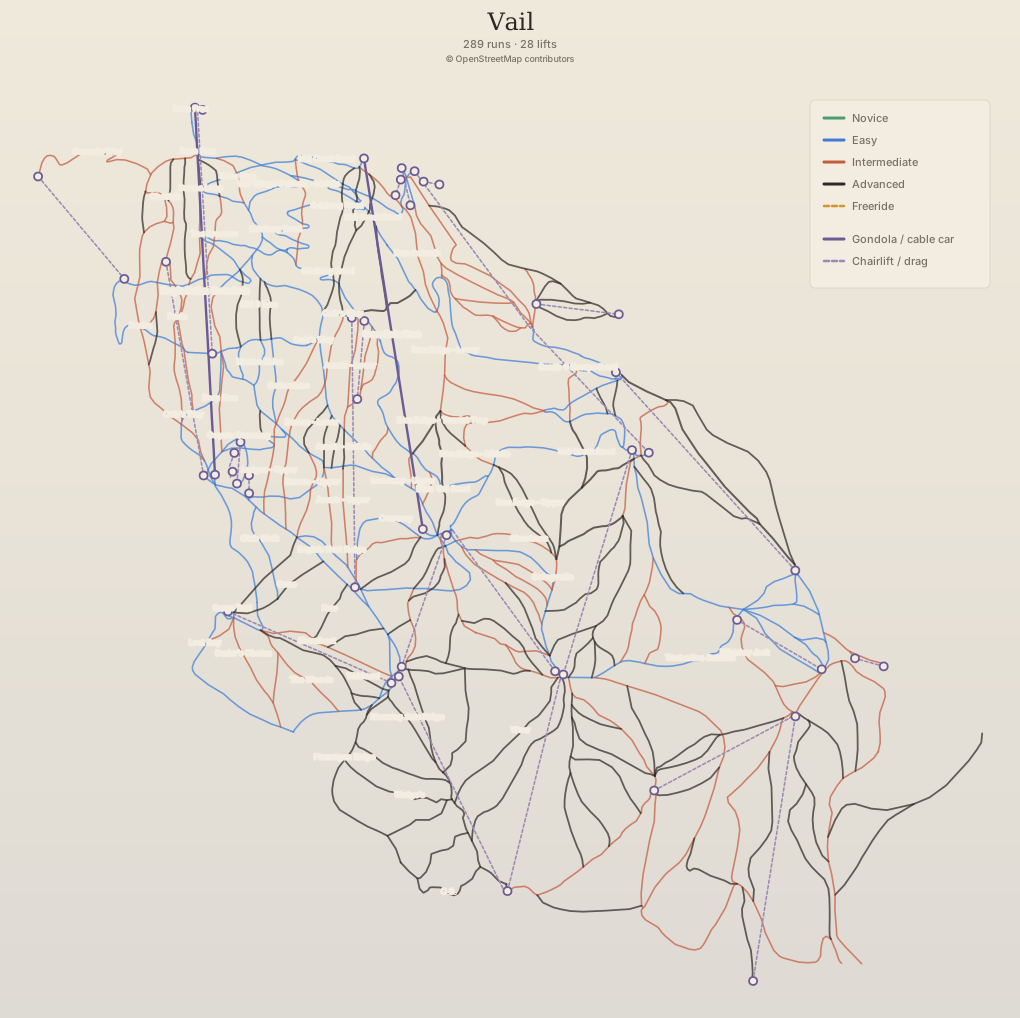
The mountain splits into two characters. The front side faces north, is heavily groomed, and offers everything from beginner runs off Eagle’s Nest to expert steeps in the Highline and Prima Cornice chutes — classic American groomed cruising with fast lifts. The back side — the famous Back Bowls — faces south and is an entirely different proposition: seven huge, open alpine bowls (China, Siberia, Tea Cup, Sun Down, Sun Up, Game Creek, Outer Mongolia) totalling over 3,000 acres of largely ungroomed snow above the treeline.
Beyond the Back Bowls, Blue Sky Basin adds another 645 acres of gladed tree skiing and open meadows at the far end of the resort — a 20-minute traverse from the bowls. The sheer acreage means Vail absorbs crowds better than most resorts; on all but the busiest holiday weekends you can find empty lines through the trees in Blue Sky or a fresh-tracked bowl.
| Zone | Elevation | Best for | Notes |
|---|---|---|---|
| Front side (north-facing) | 8,120–11,570 ft | All levels, groomed cruising | Fast lifts, wide runs, night views of the village; beginners at Eagle’s Nest |
| Back Bowls | 10,000–11,570 ft | Intermediates to experts | Seven open alpine bowls, mostly ungroomed; south-facing, so snow softens by afternoon |
| Blue Sky Basin | 9,700–11,100 ft | Strong intermediates to experts | Gladed tree skiing; a 20-min traverse beyond the bowls; the least-crowded terrain |
| Game Creek Bowl | 8,400–10,300 ft | Intermediates | Sheltered, lower, good in bad weather; the "secret" locals’ bowl |
Terrain split: 18% beginner, 29% intermediate, 53% advanced/expert. The front side is groomed nightly; the Back Bowls and Blue Sky Basin are largely left natural.
The Back Bowls face south, so powder days are best early — by afternoon the sun turns fresh snow to heavy mush. Start on the back side, finish on the front.
Who it suits
Who Vail is — and isn’t — for
Vail’s size means almost every skier can find their terrain. The question is whether the price matches your expectations.
The front side’s immaculate grooming and the back side’s open bowls create a resort that genuinely serves the full range — but the cost and the American resort style are not for everyone.
- First-timers & familiesSkipthe Back Bowls and Blue Sky BasinGoEagle’s Nest and the Golden Peak learning area on the front side — wide, gentle, well-served by ski school
- Cruising intermediatesSkipexpecting European-style linked mileage between different villagesGoThe front side’s long, groomed blues and reds, plus Game Creek Bowl for variety — one mountain, not a circuit
- Advanced & expertsSkipspending the whole day on the groomed frontGoThe seven Back Bowls for open alpine terrain and Blue Sky Basin for tree skiing — Vail’s signature terrain
- Powder chasersSkiparriving late on a powder dayGoFirst chair into China Bowl or Siberia Bowl, then traverse to Blue Sky Basin before the tracks fill in
If you want charming European village character, Vail Village is pleasant but purpose-built — it is a very good American ski town, not an old alpine village. If that matters to you, it is an honest difference.
Snow & season
Colorado dry snow, but less of it than you might think
Vail’s snow is the light, dry Colorado champagne powder — but at 354 inches (9 m) a year it gets less than the Utah or Pacific resorts. What it gets, it keeps.
Crimson bars mark the busiest periods. The Back Bowls and Blue Sky Basin typically open once the base reaches a safe depth — late December in a good year, sometimes later. Spring skiing on the front side can run into late April on north-facing terrain.
Colorado’s snow is famous for its low moisture content — light, dry powder that floats rather than packs — and Vail’s summit at 11,570 ft keeps temperatures cold enough to preserve it. The catch is that 354 inches, while plenty, is less than the 400–500+ inches that Utah (Alta, Snowbird) and the Sierras receive, so Vail relies on cold temperatures rather than raw volume.
The Back Bowls are south-facing, which means powder mornings turn to heavy, sun-crusted snow by early afternoon — get there first thing on a powder day. The north-facing front side holds its condition longer. Quietest and cheapest weeks are early-to-mid January after New Year and the first two weeks of December if you accept limited back-side terrain.
Lift passes
Epic Pass or walk-up — the difference is hundreds of dollars
Nobody should buy a walk-up window ticket at Vail. The Epic Pass system, bought in advance, is what makes the per-day cost survivable.
Vail is owned by Vail Resorts, and all its passes sit under the Epic Pass umbrella. The full-season Epic Pass covers Vail plus Beaver Creek, Breckenridge, Keystone, Park City and dozens of partner resorts worldwide — at about $900 it pays for itself in roughly 4 days versus walk-up rates. For a single trip, the Epic Day Pass (1–7 days, purchased in advance online) is dramatically cheaper than the window.
| Pass | What it covers | Price | Per day at Vail |
|---|---|---|---|
| Epic Pass (full season) | Unlimited days at Vail + 40+ resorts worldwide | ~$900 | |
| Epic Local Pass | Vail with holiday blackouts + unlimited at smaller resorts | ~$700 | |
| Epic Day Pass (advance, 1–7 days) | Vail + Beaver Creek + others, bought online ahead | $100–$230/day | |
| Walk-up day ticket (window) | Vail only, bought same-day | $230–$300+ |
Child (5–12) passes are roughly 40% off adult; under-5s ski free. Senior (65+) pricing varies by pass type. All advance-purchase passes use dynamic pricing — the earlier you buy, the less you pay. Figures read autumn 2026 for the 2026/27 season.
The single most effective money-saving move at Vail: buy an Epic Day Pass online weeks in advance. The difference between a walk-up window ticket and a pre-purchased day can be $100+ per person per day.
Lessons & guides
One big ski school, run by the resort
Vail’s ski school is large, professional and expensive — and it is the only game on the mountain.
The Vail Ski & Snowboard School is the resort’s own operation — there are no independent schools on the mountain. Group lessons run half-day (about $220) and full-day, with levels from first-timer to expert; private lessons start around $600 for a half-day and $900+ for a full day for up to 5 people. Multi-day packages bring the per-day rate down.
For experts, the school offers guided Back Bowl and Blue Sky Basin sessions — effectively a mountain guide with local knowledge of the best lines and conditions, which is worth it on a powder day when you don’t know the terrain. Women’s clinics, adaptive programmes and teen-specific groups round out the options.
Lessons at Vail are expensive even by American standards. If you are on a budget, consider a day at nearby Keystone or Breckenridge (also on Epic) where group lessons cost less, then move to Vail once you are comfortable on intermediate terrain.
Families & kids
Childcare and kids’ lessons — book early or miss out
Vail has on-mountain childcare and kids’ ski school, but both fill fast in holiday weeks and neither is cheap.
The three tiers: non-skiing childcare for infants and toddlers, ski kindergarten for small children getting their first taste, and kids’ ski-school lessons for progression. Vail runs all three through its own facilities at Golden Peak and Lionshead.
| Option | Ages | What it is |
|---|---|---|
| Small World Play School | 2 months – 6 years | Non-skiing childcare at Golden Peak; indoor play, lunch included in full day; ~$200–$250/day |
| Mogul Mice / Buckaroo ski + play | 3 – 4 | Half-day ski and snow play combos; first taste of the slopes with breaks for indoor activities |
| Kids’ group ski lessons | 3 – 14 | Full-day and half-day options; ability-grouped from first-timer to advanced; lift ticket included for kids under 5 |
| Teen lessons | 13 – 17 | Separate programme for teenagers — faster progression, terrain exploration |
Under-5s ski free at Vail (no lift ticket required). Kids’ lessons during Christmas week, Presidents’ Day and Spring Break sell out months ahead — book the day the season’s lessons go on sale if you need a specific week.
Small World Play School requires advance reservation and can sell out weeks ahead for peak dates. If childcare is essential to your trip, book it before you book your flights.
Getting there
Two airports, one highway — and winter driving that bites
Vail sits on I-70, the main artery through the Colorado Rockies. Getting there is simple on paper; the Eisenhower Tunnel and weekend traffic make it less simple in practice.
Denver International Airport (DEN) is the main gateway — about 100 miles and 2 hours in clear conditions via I-70 West through the Eisenhower–Johnson Memorial Tunnel (the highest vehicular tunnel in the world, at 11,158 ft). On peak-season Saturdays, eastbound traffic from the resorts can double or triple the return drive.
Eagle County Regional Airport (EGE), 35 minutes west of Vail, has seasonal nonstop flights from major US cities during ski season — it is the shortcut if you can find a flight. Shared shuttles (Epic Mountain Express), private transfers and rental cars all serve both airports. A rental car is useful for day trips to Beaver Creek or Breckenridge, but Vail Village and Lionshead are pedestrian — you park on the edge and walk or take the free town bus.
| From | To Vail | Notes |
|---|---|---|
| Denver airport (DEN) | ~2 hours | I-70 West; the default gateway. Peak Saturdays can be 3–4 hours |
| Eagle County airport (EGE) | ~35 min | Seasonal nonstop flights; the shortcut when available |
| Shared shuttle (DEN) | ~$75–$100 pp one-way | Epic Mountain Express or Colorado Mountain Express |
| Rental car (DEN) | self-drive, ~2 hours | AWD/4WD strongly recommended; Colorado law requires adequate traction on I-70 |
Colorado’s traction law requires all vehicles on I-70 between Morrison and the tunnel to carry chains or have AWD/4WD with adequate tread, 1 Sep–31 May. A front-wheel-drive rental with all-season tyres will be turned back. Fine: $139+.
Where to stay
Two pedestrian villages and a spread of condos
Vail is not a single hotel — it is two purpose-built pedestrian villages at the base and a valley full of condominiums and lodges spreading outward.
Vail Village is the original centre: pedestrian streets, the Vista Bahn chairlift, shops, restaurants and most of the nightlife — plus the gondola to Eagle’s Nest. Lionshead, a 10-minute walk west, is the second base with the Eagle Bahn Gondola and a quieter feel. Both are ski-in/ski-out or a short walk from the lifts.
Beyond the villages, West Vail and East Vail offer cheaper condos and lodges linked by the free town bus — you trade walkability for price. Budget options also exist in Minturn (10 minutes west, a genuine old mining town with better restaurants) and Avon/Beaver Creek area lodging. Vail’s lodging is expensive: a mid-range hotel in the village runs $300–$600/night in peak season; condos and vacation rentals are the value route for groups.
The honest trade-off: staying in Vail Village or Lionshead is convenient and atmospheric but costs 2–3x what a condo in West Vail or a room in Minturn would. The free bus runs frequently and the driving distance is 5–10 minutes.
Après & dining
American après — more restaurants than rowdiness
Vail’s après leans toward cocktails and restaurants rather than the European slopeside-party tradition, and the dining is some of the best in American ski country.
On-mountain, the 10th (a lodge at mid-mountain) is Vail’s atmospheric lunch spot — a rustic hut with a terrace and mountain views. Two Elk Lodge at the top of the Back Bowls is the resort’s landmark cafeteria, rebuilt after a 1998 arson fire. At the base, Pepi’s Bar in Vail Village is the après institution — Austrian-themed, loud, and the place where the ski-boot crowd lands.
Vail Village’s dining runs from burger joints and pizza to fine-dining rooms like Sweet Basil, Mountain Standard and Matsuhisa (Nobu’s original mountain outpost). A sit-down dinner for two with drinks runs $100–$200 at mid-range places, $200–$400+ at the top end. For something cheaper and more genuine, drive 10 minutes to Minturn — the Minturn Saloon and Kirby Cosmo’s are locals’ favourites at half the village price.
Non-skiers
More than most American resorts, less than a European town
Vail’s non-ski offering is good for a purpose-built resort — but it is not a real town with centuries of things to do, and that shows.
11,570 ft summit of Vail Mountain, by gondola
The villages themselves are pleasant to walk: pedestrian-only streets with shops, galleries and restaurants. Beyond that, the Vail Athletic Club has a spa, Adventure Ridge at Eagle’s Nest offers tubing, zip lines and snowshoeing, and snowmobile tours run out of Piney River Ranch. Ice skating on the rink in Vail Village, fat-biking and sleigh-ride dinners round out the list. For a full day, a non-skier can take the shuttle to Beaver Creek or explore Minturn.
A pairing that works: a skier on the Epic Pass and a non-skier with a scenic gondola ride to meet for lunch at the 10th or Eagle’s Nest, then the non-skier heads to the spa while the skier finishes the afternoon.
Dogs
Welcome in the villages, banned on the mountain
Vail is reasonably dog-friendly off the slopes — but not on them, and the altitude needs watching.
Leashed dogs are welcome in Vail Village and Lionshead — several hotels (The Sebastian, Gravity Haus, Hotel Talisa) accept dogs, some with pet beds and bowls. The pedestrian areas, the free town bus and most outdoor restaurant patios allow leashed dogs.
On the mountain, dogs are not permitted — no lifts, no groomed trails, no ski runs during the operating season. This is standard at Vail Resorts properties. The town of Vail has leash laws (dogs must be leashed in all public areas) and a few off-leash dog parks in the valley.
Altitude matters for dogs too: Vail Village sits at 8,150 ft (2,484 m). Brachycephalic breeds (pugs, bulldogs) can struggle. Keep your dog hydrated, watch for lethargy, and give them a day to acclimatise before long walks.
Accessibility
A strong adaptive ski programme and accessible villages
Vail has one of the better adaptive ski programmes in the US, and the purpose-built villages are largely flat and wheelchair-friendly.
The Vail Adaptive Sports Foundation (formerly Vail Veterans Program) and the National Sports Center for the Disabled (NSCD) run adaptive ski and snowboard lessons with sit-ski, mono-ski, bi-ski, guide skiing for blind and visually impaired skiers, and cognitive-disability programmes. Equipment is provided; book well ahead for peak weeks.
The villages are purpose-built and largely flat, with plowed pedestrian streets, accessible restaurants and shops, and ADA-compliant lifts and gondolas (the Eagle Bahn Gondola accommodates wheelchairs). Hotel accessibility varies — the larger properties (Four Seasons, Lodge at Vail) have full ADA rooms.
Safety & insurance
No government safety net — and altitude is the hidden hazard
The US has no public health insurance for visitors. A helicopter off the mountain can cost $50,000 before anyone treats you.
Unlike European resorts where a GHIC or S1 covers emergency care, the US has no equivalent — an ambulance, ER visit and helicopter evacuation are billed at full commercial rates, and a broken leg with surgery can run $50,000–$100,000+. Travel insurance with winter-sports and high-altitude cover is not optional; check that it covers skiing, backcountry terrain if you plan to go off-piste, and helicopter evacuation.
Altitude is the underestimated hazard: Vail Village sits at 8,150 ft (2,484 m) and the summit tops 11,570 ft (3,527 m). Acute mountain sickness affects visitors flying in from sea level — headaches, nausea and fatigue on the first day or two are common. Drink water, skip alcohol on arrival night, and consider a night in Denver (5,280 ft) to acclimatise. Colorado law does not require ski helmets, but every ski school expects them for children and they are strongly recommended for adults.
Vail Resorts does not include rescue insurance in the lift pass the way European resorts often do. If you are injured on the mountain, you are billed for ski patrol, toboggan and helicopter at American medical rates. Carry insurance.
What it costs
What a day in Vail actually costs
Vail is one of the most expensive ski destinations in the world. The Epic Pass and advance booking are the levers that bring it from outrageous to merely expensive.
Here is the day-rate breakdown so you can build your own number. Everything is per person per day unless noted.
| What | Typical day-rate | Notes |
|---|---|---|
| Lift pass — Epic Day (advance) | $100–$230 | Varies by date and demand; buy weeks ahead for the best price |
| Lift pass — walk-up window | $230–$300+ | Peak days top $300; avoid if possible |
| Ski / board hire | $50 (sport) – $100 (demo/performance) | Per day from resort rental; cheaper from town shops or pre-booked online |
| Group lesson (adult, half-day) | ~$220 | Lift ticket not included; multi-day packages cheaper |
| Private lesson (full day) | ~$900+ | Up to 5 people; half-day from ~$600 |
| Mountain lunch | $18–25 cafeteria · $30–50 sit-down | Per head on the mountain; the 10th is mid-range |
| Dinner out | $40–80 mid-range · $80–150+ fine dining | Per head in Vail Village; Minturn is 30–50% cheaper |
| Bed for the night | $80–150 condo/West Vail · $300–600 village hotel · $600+ luxury | Per room; peak weeks (Christmas, Presidents’ Day) can double these |
| Lodging tax | ~1.4% + ~8.4% sales tax | Combined ~9.8% on accommodation; plus any resort fees |
| Denver airport transfer | $75–100 pp shared · $300–500 private vehicle | One-way; the drive is ~2 hours |
Rates read autumn 2026 for the 2026/27 season. Epic Pass and Epic Day prices are set each spring/summer for the following season. Tipping: 15–20% at restaurants, $5–10 per day for housekeeping, $2–5 per bag for bell staff — standard American gratuity culture.
The levers that move the number most: buy an Epic Day Pass (or full Epic Pass if you ski 4+ days) instead of walk-up; stay in West Vail or Minturn instead of the village; self-cater with a supermarket run to City Market; and go in January rather than Christmas or Presidents’ Day week.
Compare Vail, Colorado
If you like Vail, Colorado, also consider
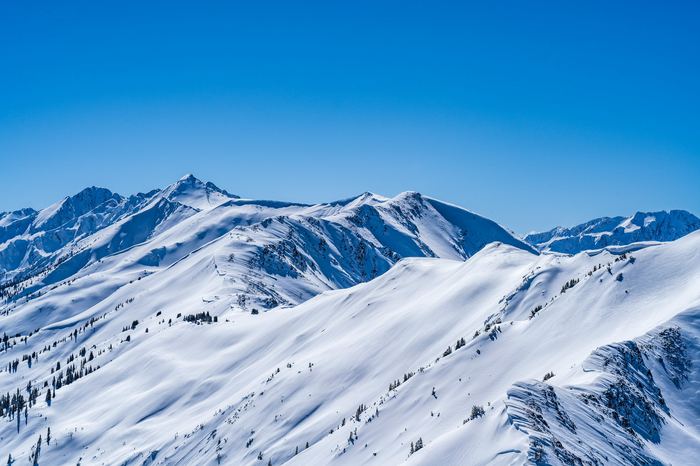
Aspen, Colorado
Four mountains, a real town and the most glamorous ski culture in America.
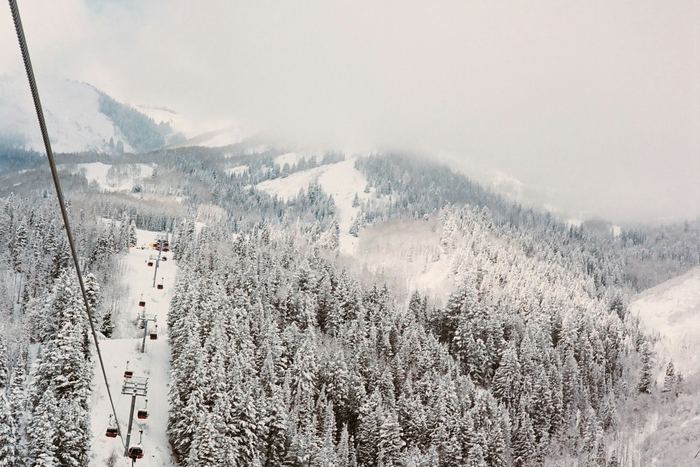
Park City, Utah
The largest ski resort in the US, 35 minutes from Salt Lake City.
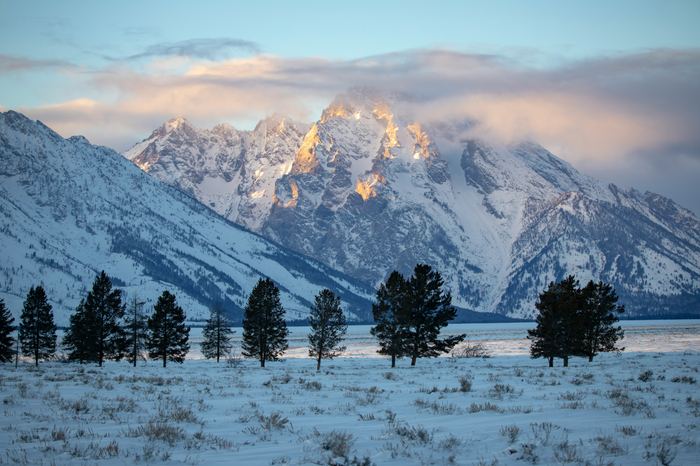
Jackson Hole, Wyoming
The steepest, most serious inbounds skiing in the US — under the Tetons.
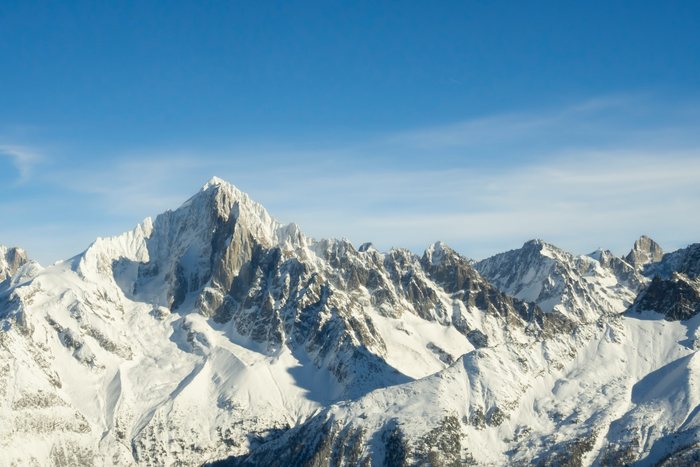
Chamonix, France
The birthplace of alpinism, under Mont Blanc.
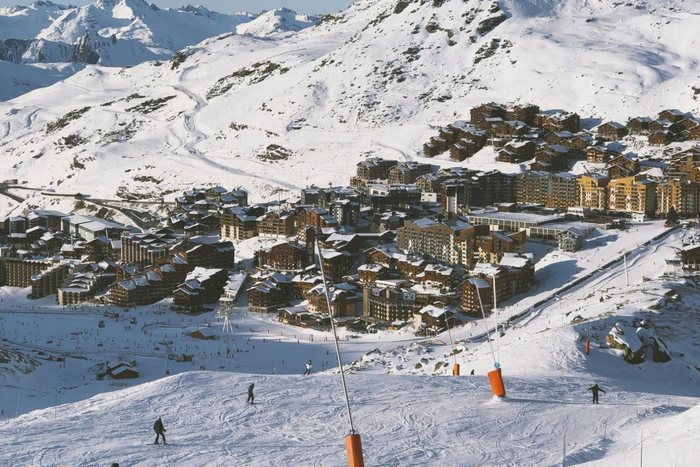
Val Thorens, France
Europe’s highest resort — snow-sure, and the gateway to the world’s largest linked ski area.
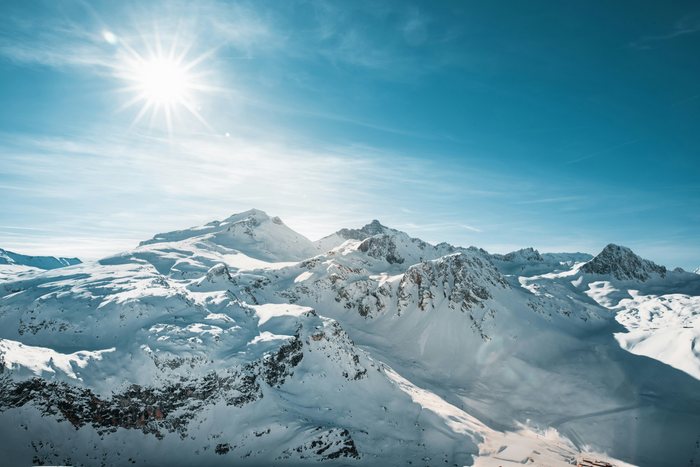
Val d’Isère, France
High-altitude, serious skiing with a village that actually feels like one.