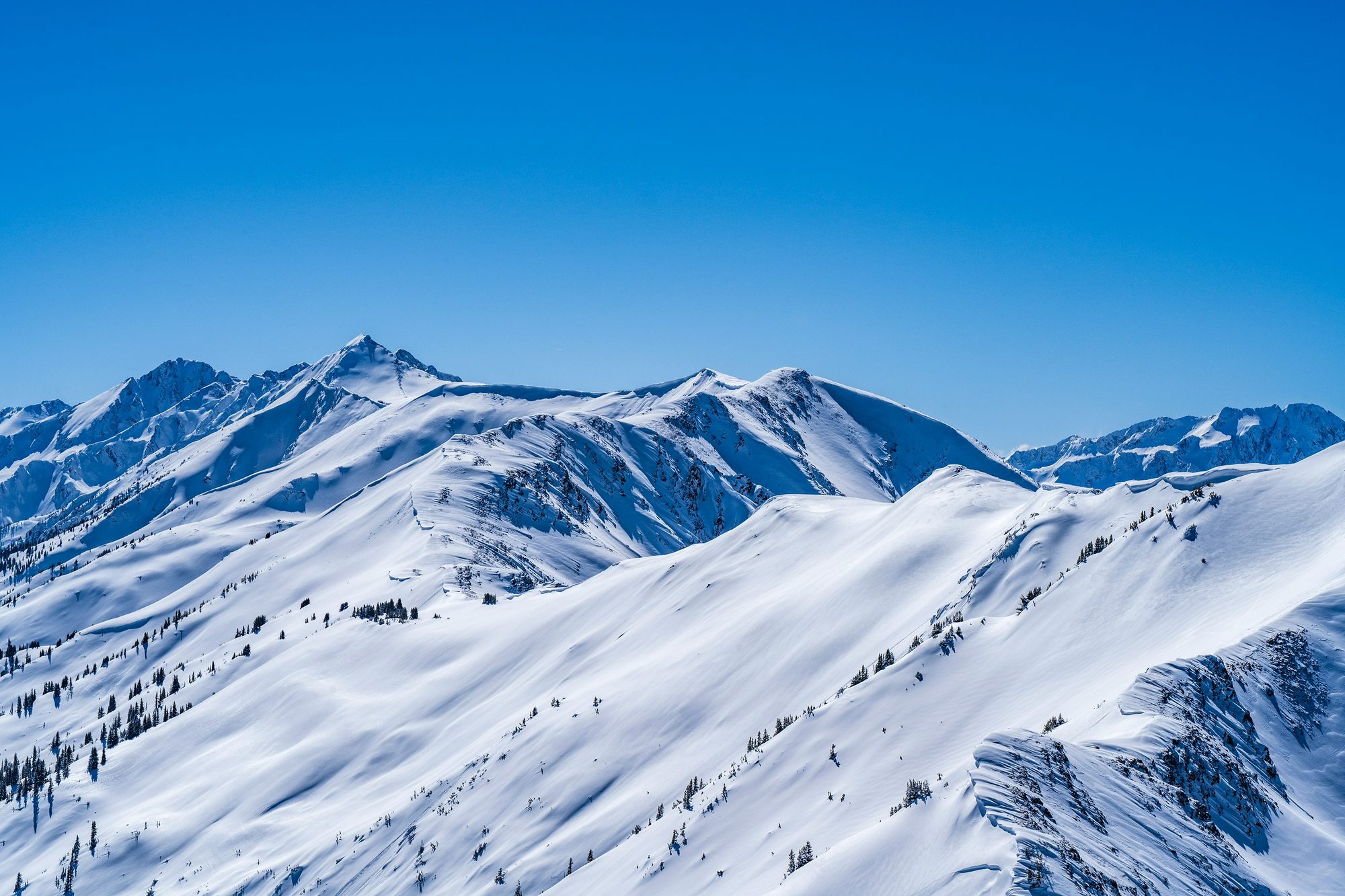
Aspen, Colorado
Four mountains, a real town and the most glamorous ski culture in America.
Aspen is four distinct mountains on one pass — Aspen Mountain (Ajax), Snowmass, Aspen Highlands and Buttermilk — plus a genuine year-round town with a 140-year mining history, a food scene that rivals resort-free cities, and a celebrity culture that pushes prices to the ceiling. It is the most complete ski destination in the US, and the most expensive.
Each of the four mountains has a character: Ajax is the steep local’s hill with no beginner terrain, Snowmass is the big family all-rounder (4,406 acres), Highlands has the hike-to Highland Bowl for experts, and Buttermilk is the gentle learner’s mountain and the home of the Winter X Games. A free bus links all four and the town, so you pick your mountain by the day.
The honest part: Aspen is genuinely expensive in a way that Vail and Park City are not — accommodation, dining and the general cost of being here sit at the top of the US market. The town’s glamour is either a draw or a put-off depending on your tolerance for fur coats at breakfast. And the airport (ASE) is small, weather-dependent and expensive to fly into.
Highlights
-
Highland Bowl
A 45-minute hike-to summit with 1,000+ feet of expert powder — among the best inbounds runs in the US.
-
Snowmass
The big mountain — 4,406 acres, long intermediate runs and the best family infrastructure of the four.
-
Aspen town
A real, year-round town with serious restaurants, galleries, and 140 years of history.
-
Winter X Games
Held at Buttermilk every January — the signature event in freestyle skiing and snowboarding.
Practical info
- Visa
- ESTA or B-1/B-2 visa for most Western nationalities.
- Currency
- USD ($)
- Language
- English.
- Safety
- Safe; altitude (base 2,422 m) can cause headaches for new arrivals.
- Getting around
- Aspen-Pitkin airport (ASE) in town; Denver (DEN) ~4 hours. Free RFTA bus between mountains.
- Tap water
- Tap water safe.
- Plug type
- Type A Type B 120V
- Money
- Cards everywhere; tips expected (15–20%).
General guidance — visas, safety, and health change, so check your government's travel advisory and the official sources before you go.
Common questions
- Is Aspen good for beginners?
- Buttermilk is purpose-built for learners and low intermediates — wide, sunny, uncrowded. Snowmass has huge beginner and intermediate terrain too. Avoid Aspen Mountain, which has no green runs at all. See who it suits.
- How do Aspen’s four mountains connect?
- They don’t connect by piste. You ride the free RFTA Skier Shuttle between all four mountains — Aspen Mountain, Aspen Highlands, Buttermilk and Snowmass are all on one lift pass but separated by road. The shuttle runs every 15–20 minutes in the ski season. See the ski area.
- Is the Ikon Pass worth it for Aspen?
- If you ski 5+ days or plan to hit other Ikon resorts the same season, yes. A 6-day Aspen Snowmass window ticket costs roughly $1,600–$2,000, while the full Ikon Pass is ~$1,300 and covers unlimited days at Aspen plus dozens of other resorts worldwide. The pass table compares them.
- How do you get to Aspen?
- Fly to Aspen–Pitkin County Airport (ASE), which is right in town — one of the most convenient airport-to-slope connections in the US. Alternatively, fly to Denver (DEN) or Eagle/Vail (EGE) and drive 4+ or 2 hours respectively. See getting there.
- Is Aspen really that expensive?
- Yes — it is one of the most expensive ski resorts in North America. But the free bus system, self-catering in a condo, and an Ikon Pass bring the per-day cost down substantially versus paying rack rate and eating out at every meal. See what it costs.
- What is Highland Bowl?
- A hike-to bowl at the top of Aspen Highlands, reaching 12,392 ft (3,777 m). You ride the Loge Peak lift, then boot-pack ~30 minutes up the ridge. The reward is some of the steepest, most spectacular in-bounds terrain in Colorado. See the ski area.
- Is Aspen good for non-skiers?
- One of the best in the US. Aspen is a real, year-round town with galleries, restaurants, an opera house, the Aspen Art Museum, cross-country skiing, snowshoeing and upmarket shopping. See non-skiers & off-slope.
The ski area
Four mountains, one pass, no piste links between them
Aspen Snowmass is four separate mountains on one lift pass, connected by a free bus — not by ski runs. Snowmass alone is bigger than most European resorts.

Aspen Mountain (Ajax) rises directly from the town — take the Silver Queen Gondola from the base and you are on the mountain in eight minutes. It is expert-oriented: no green runs, plenty of double-blacks, and the storied bump runs of Walsh’s and Hyrup’s. Aspen Highlands next door is the local’s mountain, with the famous hike-to Highland Bowl (12,392 ft / 3,777 m) and steep, north-facing terrain.
Buttermilk sits across Highway 82 and is the opposite: wide, gentle, uncrowded, the home of the Winter X Games and the best place in Aspen to learn. Snowmass, 12 miles down-valley, is the scale play — 3,332 acres, 21 lifts, 94 runs, a vertical drop of 4,406 ft (1,343 m), and terrain from green groomers to Hanging Valley Glades. It is also where most families base.
| Mountain | Base → top | Acres | Best for |
|---|---|---|---|
| Aspen Mountain (Ajax) | 7,945 → 11,212 ft | 675 | Experts, bumps, town-base skiers — no green runs |
| Aspen Highlands | 8,040 → 12,392 ft | 1,028 | Advanced & experts; Highland Bowl hike-to, steep glades |
| Buttermilk | 7,870 → 9,900 ft | 470 | Beginners, families, freestyle — home of the X Games |
| Snowmass | 8,104 → 12,510 ft | 3,332 | Everybody: biggest area, best family infrastructure, longest vertical in the US |
Acres and elevations from Aspen Skiing Company. Snowmass’s 4,406 ft vertical drop is the largest in the United States. Aspen Mountain has no beginner terrain — the Silver Queen Gondola does not count as a way down for a nervous first-timer.
Because the mountains are separate, you are choosing a different character each day, not one continuous circuit. The free RFTA Skier Shuttle connects all four every 15–20 minutes during the ski season.
Who it suits
Who Aspen is — and isn’t — for
Four mountains cover almost every ability. The trick is knowing which mountain — a beginner on Aspen Mountain will have a bad day.
Aspen’s reputation is luxury and experts, but the spread across four mountains means there is genuine terrain for every level if you pick right:
- First-timers & nervous beginnersSkipAspen Mountain (no green runs at all) and Highlands steepsGoButtermilk — wide, gentle, uncrowded, purpose-built for learning
- Families with mixed abilitiesSkipbasing in Aspen town if the family skis mostly blue and greenGoSnowmass Village — ski-in/ski-out family lodging, the Treehouse kids’ centre, and terrain from green to black
- Strong intermediatesSkipstaying only on one mountainGoA day each on Snowmass (mileage), Highlands (steeps with views) and Ajax (bumps) — use the free bus
- Experts & freeridersSkipButtermilk (too easy)GoHighland Bowl (the hike-to), Ajax’s bump runs, Snowmass’s Hanging Valley and Burnt Mountain
The split personality is the feature: a family can park a beginner at Buttermilk, send an expert to Highland Bowl, and meet for lunch in town. That is hard to do at a single-mountain resort.
Snow & season
High-altitude Colorado powder, not coastal wet
At 8,000–12,500 ft the snow is light, dry Rocky Mountain powder — not the heavy cement of the Pacific Northwest.
Months on the axis (12 = December). Crimson bars mark the main mountains and the crowd peaks. Aspen Mountain and Snowmass are the first to open and last to close; Highlands and Buttermilk run a shorter season. Presidents’ Day week is the single busiest stretch.
Colorado’s Front Range storms deliver consistent, cold, dry snow through the winter — lighter and less wind-affected than Utah’s and far drier than the Sierra or the Pacific Northwest. The core season is January through March: all four mountains are open, the snowpack is deepest and the temperatures are coldest. Early December often has thin cover on lower slopes, and April sees progressively shorter hours and soft afternoon snow.
The best-value quiet weeks are early-to-mid January (after New Year) and most of March outside spring-break dates. Christmas, New Year and Presidents’ Day week are expensive and crowded.
Lift passes
Day tickets, season passes and the Ikon question
Window-rate day tickets at Aspen are eye-watering. The Ikon Pass is the way almost everyone who skis more than four days saves money.
Aspen Snowmass sells its own day tickets and multi-day passes, but the game-changer is the Ikon Pass. Aspen is an Ikon partner (not Epic), so a full Ikon Pass gives you unlimited days at all four mountains plus dozens of other resorts worldwide. The Ikon Base Pass is cheaper but has blackout dates over Christmas and Presidents’ Day.
| Pass | Covers | Price | Per day (6 days) |
|---|---|---|---|
| Day ticket (window) | Any one mountain | $239–$289 | |
| 6-day Aspen Snowmass | All 4 mountains, 6 days | ~$1,600–$2,000 | |
| Ikon Pass (full) | Unlimited Aspen + 50+ other resorts worldwide | ~$1,300 | |
| Ikon Base Pass | Aspen (5 days, blackouts) + other resorts | ~$950 |
Adult 18–64. Child 5–12 and teen 13–17 pay reduced rates (roughly 25–40% off day tickets). Under-5s ski free. Day-ticket prices vary by date — holiday weeks cost the most. Ikon pricing is for the 2026/27 season — buy in spring for the best early-bird rate. Multi-day Aspen Snowmass tickets must be bought online in advance.
The maths: if you ski 5+ days at Aspen, or plan any other Ikon resort the same winter, the full Ikon Pass almost certainly saves money versus day tickets. Buy it in the spring sale — the price rises through the year.
Lessons & guides
The Aspen Skiing Company school and its specialist programmes
One ski school runs all four mountains, with specialist women’s, adaptive and backcountry programmes that go well beyond the generic group lesson.
The Aspen Skiing Company ski school is the sole operator across all four mountains. Group lessons run half-day and full-day for adults and children, with ability-based groups of up to 6–8. Private lessons are the faster route and cost accordingly. Buttermilk and Snowmass have the best beginner and children’s lesson terrain.
Specialist programmes include Women’s Edge (women-only clinics), Aspen Expeditions for backcountry guiding, and the Adaptive Programme — one of the largest in the country, running sit-ski, mono-ski, three-track and guide-assisted lessons. The X Games connection means Buttermilk also has terrain-park coaching and freestyle camps.
Book group lessons in advance for holiday weeks — they fill up. Privates are expensive but you choose the mountain, the ability focus and the time, which makes them better value for a group of 2–3 friends splitting the fee.
Families & kids
Two mountains built for families, plus proper childcare
Snowmass is the family base — ski-in/ski-out lodging, a children’s adventure centre and gentle terrain. Buttermilk is the learning mountain.
Aspen separates family infrastructure cleanly: Snowmass has the Treehouse Kids’ Adventure Center (ages 8 weeks to 4 years, non-skiing care), plus ski-school programmes from age 2.5. Buttermilk is the learning mountain with wide, flat greens and the ski-school meeting point for older beginners. On Aspen Mountain, children under 7 ski free with an adult — but there are no green runs, so it is for confident young skiers only.
| Option | Ages | What it is |
|---|---|---|
| Treehouse Kids’ Adventure Center (Snowmass) | 8 weeks – 4 yrs | Non-skiing childcare: naps, play, snow time; licensed and staffed |
| Ski school — Powder Pandas (Snowmass) | 2.5 – 6 | Half/full-day learn-to-ski; indoor play and outdoor snow garden |
| Group lessons (Buttermilk / Snowmass) | 7+ | Ability-based groups on green and blue terrain |
| Hideout (Buttermilk) | 3.5 – 6 | Combined ski and play programme on Buttermilk’s gentle terrain |
Under-7s ski free at Aspen Snowmass. The Treehouse is the only option for children too young to ski; book well ahead in peak weeks — it fills up.
Nappy/diaper rule: children in the Powder Pandas or Hideout ski programmes must be toilet-trained. Infants and toddlers in nappies go to the Treehouse (non-skiing care) or a private nanny.
Getting there
An airport in town — or a scenic four-hour drive from Denver
Aspen–Pitkin County Airport is four miles from the gondola, making Aspen one of the easiest fly-in ski resorts in the world.
Aspen–Pitkin County Airport (ASE) has direct flights from Denver, Los Angeles, San Francisco, Chicago, Dallas and Houston on American, United and Delta — winter schedules expand the list. It sits in the valley floor, 4 miles from the Silver Queen Gondola, and RFTA buses connect the airport to town. The catch: ASE is at 7,820 ft in a narrow valley, and flights divert to the backup in fog or heavy snow — build in a buffer day if you are on a tight schedule.
The alternative is Denver International (DEN), about 200 miles / 4–4.5 hours by car over Independence Pass (closed in winter, so the route goes via I-70 and Glenwood Springs). Eagle–Vail (EGE) is roughly 2 hours away. Both have more reliable schedules and more flights, but add the drive.
| From | To Aspen | Notes |
|---|---|---|
| Aspen–Pitkin County (ASE) | 15 min by RFTA bus | Direct flights from ~12 US cities; weather diversions possible |
| Denver International (DEN) | 4–4.5 hours by car | Via I-70 and Glenwood Canyon (Independence Pass closed in winter) |
| Eagle–Vail (EGE) | ~2 hours by car | Smaller airport near Vail; fewer flights but closer |
| Grand Junction (GJT) | ~2.5 hours | Budget fallback; fewer diversions |
RFTA (Roaring Fork Transportation Authority) runs free buses within Aspen, between Aspen and Snowmass, and a paid route down-valley to Glenwood Springs. Car hire is available but parking in Aspen is limited and expensive in winter.
Where to stay
Aspen town for nightlife, Snowmass Village for families
The two main bases are Aspen (the town, the restaurants, Aspen Mountain on your doorstep) and Snowmass Village (ski-in/ski-out, family-built, quieter).
Aspen town is the pick for couples, groups and anyone who wants restaurants, bars and a real town at night. The Silver Queen Gondola to Aspen Mountain is in the centre; Highlands and Buttermilk are a short free bus ride away. Lodging runs the full spectrum from budget hostels (the St. Moritz Lodge) to the Little Nell and the St. Regis.
Snowmass Village is 12 miles down-valley and purpose-built: many properties are genuinely ski-in/ski-out, the Treehouse kids’ centre and family-oriented restaurants are on-site, and the vibe is quieter. It is the better base for families and anyone who prioritises time on snow over time in bars. Condos and self-catering apartments are the norm.
The honest trade-off: Aspen town is more expensive and more interesting after dark. Snowmass Village is more practical, easier with kids, and often cheaper — but it is quiet by 9 pm. The free RFTA bus between them runs late, so you can mix and match.
Après & dining
From slopeside beers to Michelin-grade dinners
Aspen’s dining scene punches above any US ski town — celebrity chefs, a Nobu, a Matsuhisa, and the kind of wine lists you normally find in San Francisco.
Après starts on the mountain: Ajax Tavern on the Aspen Mountain base deck, Cloud Nine Alpine Bistro on Highlands (a champagne-fuelled lunch that turns into a mid-afternoon party), and Elk Camp on Snowmass. In town, the J-Bar at the Hotel Jerome (1889) is the classic, Eric’s Bar is the locals’ dive, and the scene ranges from craft beer to champagne lounges.
For dinner, Aspen has more culinary depth than any US ski town. Matsuhisa (Nobu’s original American outpost), Element 47 at the Little Nell, The White House Tavern for upscale pub food, and the classic Montagna at the St. Regis. A mid-range dinner is $40–$80 a head; a top table runs $120–$200+ with wine. On the mountain, lunch is $20–$40 at a cafeteria and $40–$80 at a sit-down restaurant.
Non-skiers
A real year-round town, not a ski station
Aspen was a mining town before it was a ski town, and the year-round cultural scene — music, art, ideas — means a non-skier never runs out of things to do.
1946 the year the first lift spun on Aspen Mountain
Non-ski options include the Aspen Art Museum (free, designed by Shigeru Ban), the Wheeler Opera House, cross-country skiing and snowshoeing on the Rio Grande and Hunter Creek trails, the Aspen Recreation Center (pool, ice rink, gym), sleigh-ride dinners at Pine Creek Cookhouse, and the Breathtaker Alpine Coaster at Snowmass. Shopping runs from boutique galleries to high-end brands on Galena and Mill streets.
The pairing that works: a skier on the mountain and a non-skier in town meet for après at the Ajax Tavern deck — it sits at the base of Aspen Mountain, so the skier literally skis to the table.
Dogs
Dog-friendly town, not dog-friendly slopes
Aspen is a very dog-friendly town — but dogs are not allowed on the ski slopes or the lifts.
Dogs are not permitted on any Aspen Snowmass ski run or lift, including cross-country ski trails within the ski-area boundaries. In town, though, Aspen is extremely dog-friendly: many hotels, restaurants with patios, and shops welcome leashed dogs. The Rio Grande Trail and the streets of Aspen are popular dog-walking routes. Off-leash areas exist at the Aspen dog park (Herron Park) and designated parts of Hunter Creek.
If you are flying with a dog, check airline rules carefully — cabin size limits apply, and winter weather at ASE can mean diversions or cargo-hold temperature restrictions.
Pitkin County requires dogs to be on a leash in most public areas except designated off-leash zones. Wildlife closures (elk calving, etc.) seasonally restrict some trails — check pitkinoutside.org before heading out.
Accessibility
One of the largest adaptive-ski programmes in the country
The Aspen Snowmass Adaptive Programme is among the most established in the US — sit-ski, mono-ski, three-track and guided lessons across all four mountains.
The adaptive programme runs from Buttermilk (the main base, with gentle terrain) and Snowmass, offering sit-ski, mono-ski, three-track, outrigger, guide-assisted and visually-impaired lessons. Equipment is provided. The programme works with the Challenge Aspen nonprofit, which also runs summer adaptive sports.
In town, RFTA buses are ADA-accessible, most hotels meet ADA standards, and the gondola and most newer lifts at Aspen Mountain accommodate wheelchairs for scenic rides. Snowmass Village is largely flat and walkable. The Aspen Recreation Center has accessible facilities.
Safety & insurance
No government safety net — your own travel insurance is essential
The US has no GHIC, no Carte Neige, no state-funded rescue. If you get hurt on the mountain, your own insurance — or your own wallet — pays the bill.
This is the single biggest operational difference between skiing in the US and skiing in Europe. There is no government health cover for visitors, and a helicopter evacuation, an ER visit and an orthopaedic consultation can easily run to $30,000–$100,000+ without insurance. Ski patrol and on-mountain first response are provided by Aspen Skiing Company, but ambulance, hospital and follow-up costs are yours.
Buy comprehensive travel insurance that explicitly covers winter sports, high-altitude skiing and helicopter evacuation before you travel. If you plan to hike Highland Bowl or ski any expert terrain, confirm that your policy covers steep in-bounds terrain — some policies classify anything beyond groomed runs as "off-piste." Backcountry skiing outside the ski-area boundary is a separate risk category; check your policy.
Colorado’s ski-safety statute (the Ski Safety Act) makes each skier responsible for their own ability to negotiate terrain. Skiing beyond your ability into marked expert terrain is on you, legally and financially. Helmets are not required by law but are strongly recommended.
What it costs
What a day in Aspen actually costs
Aspen is among the most expensive ski resorts in the world — but the Ikon Pass and the free bus system are the two biggest levers that bring the number down.
Here is the day-rate breakdown, so you can build your own number rather than trust a package headline. Everything is per person per day unless noted.
| What | Typical day-rate | Notes |
|---|---|---|
| Lift pass — Ikon Pass | ~$217 | Full Ikon at 6 days; ~$190 for Ikon Base at 5 days |
| Lift pass — day ticket | $239–$289 | Window rate varies by date; peak days cost the most |
| Ski / board hire | ~$40–$80 | From a 6-day pre-booked rental; demo and high-performance gear at the top end |
| Group lesson (adult, half-day) | ~$250 | Full day ~$350; book ahead for peak weeks |
| Private lesson (full day) | $900–$1,200 | 1–3 people; half-day from ~$600 |
| Mountain lunch | $20–$40 cafeteria · $40–$80 sit-down | Per head, on the mountain |
| Dinner out | $40–$80 mid-range · $120–$200+ fine dining | Per head in town; tips on top |
| Bed for the night | $60–$100 hostel · $200–$400 condo/3★ · $600+ 4–5★ | Per room; peak weeks (Christmas, Presidents’ Day) can double these |
| Lodging tax | ~11.3% | City of Aspen 2.4% + Pitkin County 2% + state/local sales taxes on room rate |
| ASE airport shuttle | Free (RFTA) | Bus from Aspen–Pitkin County Airport to town; rental cars from ~$80/day |
Rates read autumn 2026 for the 2026/27 season. Ikon Pass pricing is from the spring 2026 sale; rack prices rise through the year. Peak-week lodging (Christmas, Presidents’ Day, spring break) can roughly double — book months ahead. Remember to budget 15–20% tips on top of dining, lessons and transfers.
The levers that move the number most: buy an Ikon Pass in the spring sale rather than day tickets; self-cater in a Snowmass condo rather than eating out; use the free RFTA bus instead of renting a car; and ski in January or March rather than Presidents’ Day week.
Compare Aspen, Colorado
If you like Aspen, Colorado, also consider
Vail, Colorado
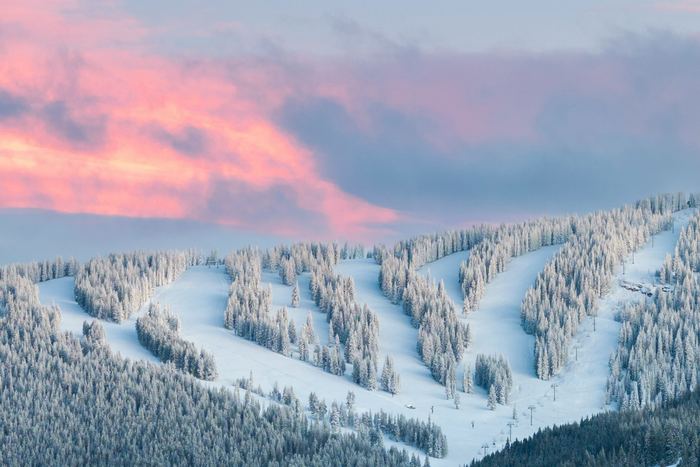
The biggest single ski mountain in the US, with seven legendary Back Bowls.
Park City, Utah
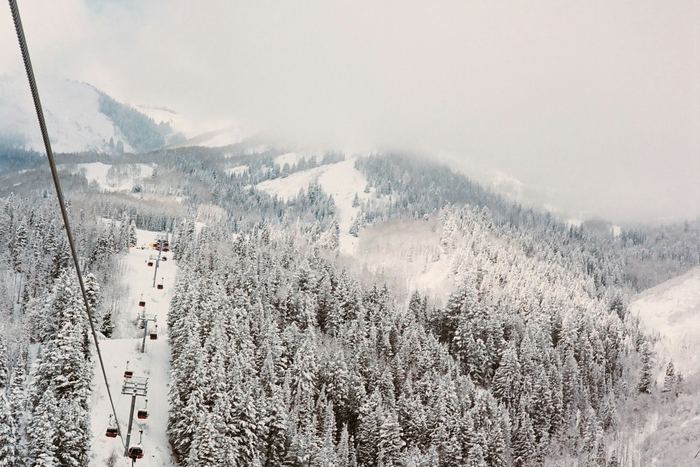
The largest ski resort in the US, 35 minutes from Salt Lake City.
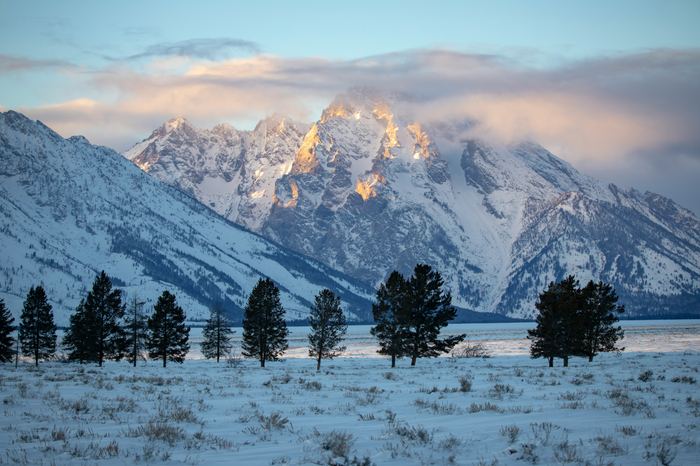
Jackson Hole, Wyoming
The steepest, most serious inbounds skiing in the US — under the Tetons.
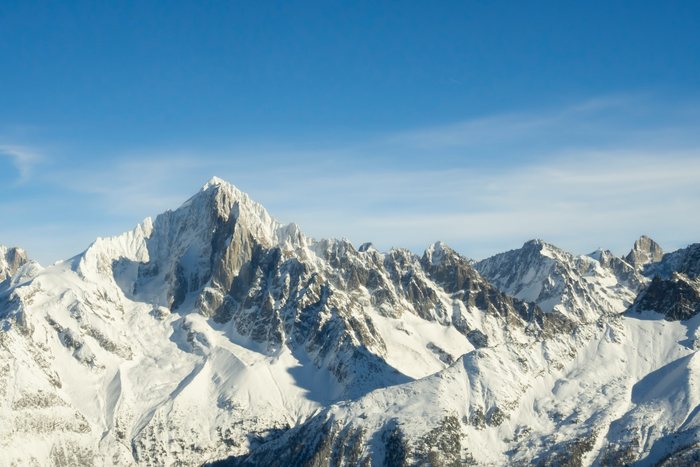
Chamonix, France
The birthplace of alpinism, under Mont Blanc.
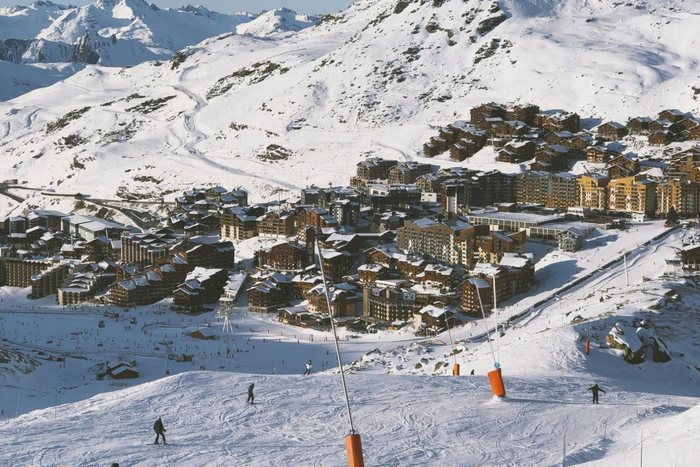
Val Thorens, France
Europe’s highest resort — snow-sure, and the gateway to the world’s largest linked ski area.
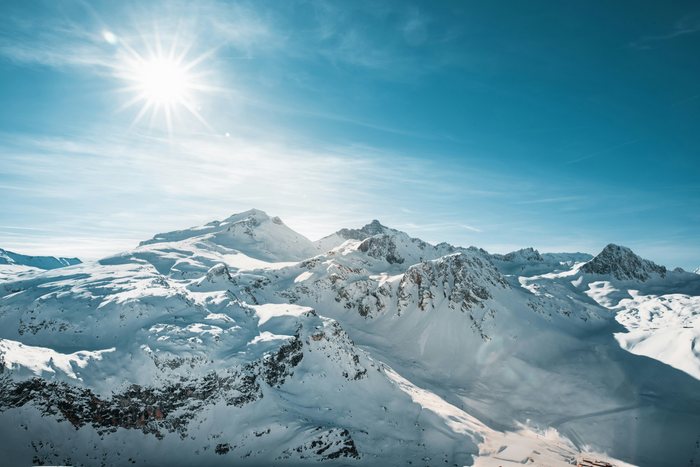
Val d’Isère, France
High-altitude, serious skiing with a village that actually feels like one.