Nepal vs Oman

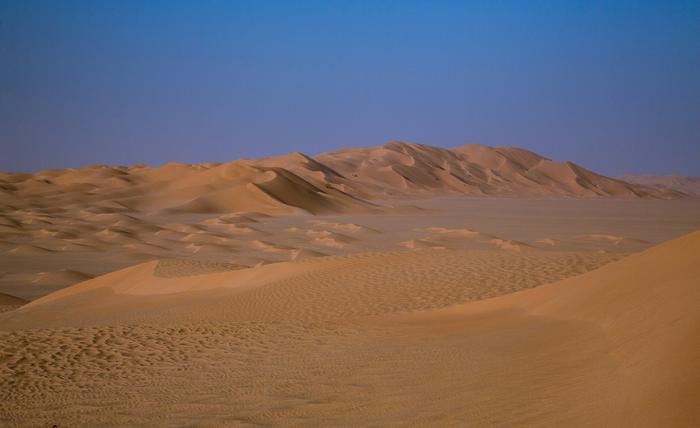
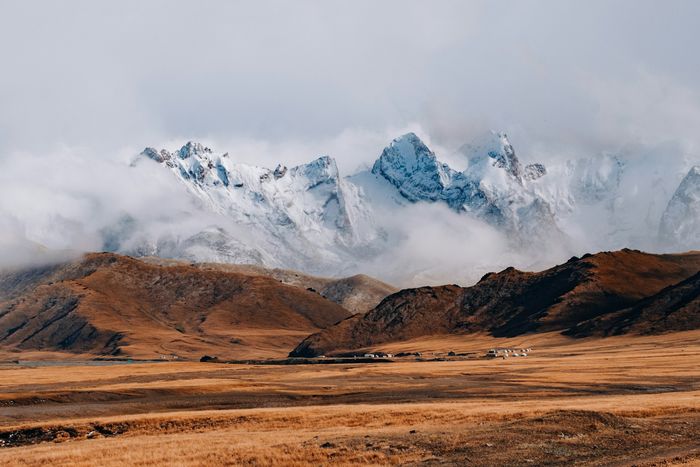
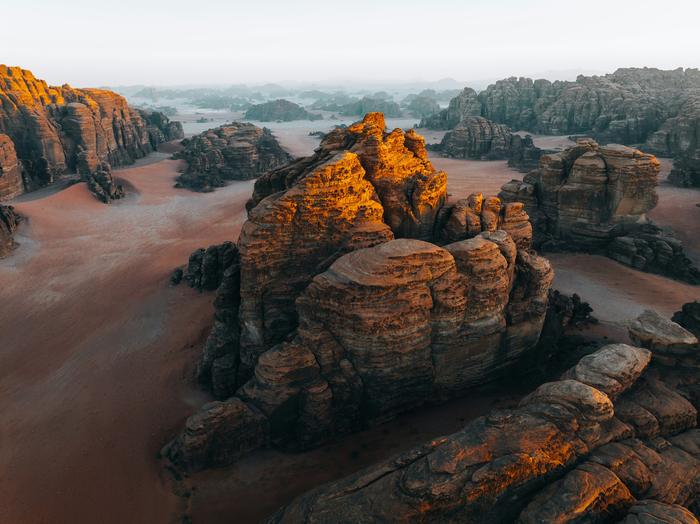
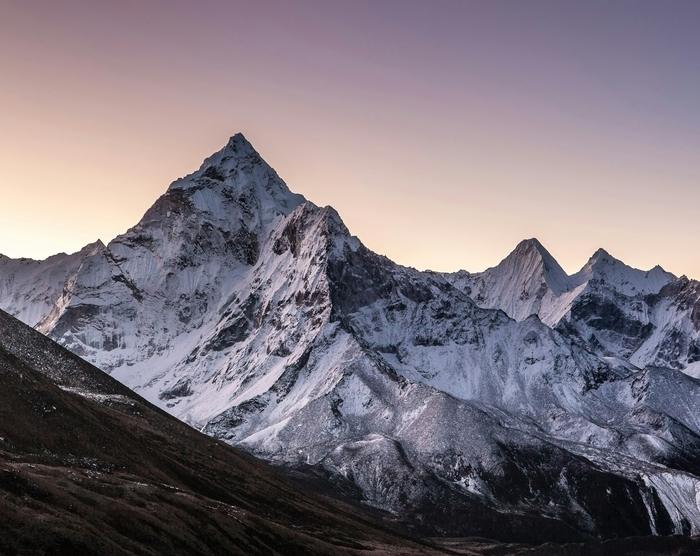
Two distinctive nature trips with nothing else in common. Nepal is the cheap, raw Himalayan trekking country — Everest and Annapurna, cold high passes, chaotic Kathmandu, the most dramatic high-altitude walking on earth. Oman is the mid-priced Arabian self-drive escape — hot deserts, turquoise wadis and fjords, driven yourself across empty roads, quiet and glitz-free.

South Asia

Nepal

The Himalayas. Trekking that changes how you see scale.

Best time to visit
  1. January: fine
  2. February: fine
  3. March: peak
  4. April: peak
  5. May: fine
  6. June: avoid
  7. July: avoid
  8. August: avoid
  9. September: fine
  10. October: peak
  11. November: peak
  12. December: fine
Peak Fine Avoid
Middle East

Oman

The calm, scenic alternative to the Gulf — wadis, mountains, and empty desert.

Best time to visit
  1. January: peak
  2. February: peak
  3. March: peak
  4. April: fine
  5. May: avoid
  6. June: avoid
  7. July: avoid
  8. August: avoid
  9. September: avoid
  10. October: fine
  11. November: peak
  12. December: peak
Peak Fine Avoid

Read our full guides about Nepal and Oman.

Side by side

Emphasised where they differ. Muted rows are much the same either way.

Nepal Oman
Best time March, April, October, November November–March
Climate cold warm
Budget Cheap — among Asia’s best value, though cash-heavy on treks Mid-to-high and self-drive — cheap fuel, a new ~17% hotel tax stack
Trip length 2–6 wks 1–2 wks
Visa Visa-on-arrival for most nationalities (15/30/90 days). eVisa or visa-free for many Western passports for short stays. Verify before travel.
Currency NPR (Nepalese Rupee). Roughly 134 NPR ≈ 1 USD. OMR (Omani Rial).
Language Nepali. English widely used in trekking areas. Arabic. English widely spoken.
Tap water Tap water not safe. Treat or bottled. Tap water generally safe in cities; bottled common.
Safety Safe on trails. Altitude is the real risk — acclimatize properly. Very safe and welcoming; standard precautions only.

General guidance — visas, safety, and health change, so check your government's travel advisory and the official sources before you go.

The split

Cold-mountain trekking, or hot-desert driving

Two nature trips — one is cheap, raw and on foot, the other mid-priced and self-drive.

Mountains vs desertthe landscapeCold Himalaya, or hot wadis and dunes
Trekking vs drivinghow you travelMulti-day walks at altitude, or a self-drive loop
Cheap vs mid-pricedthe moneyAmong Asia’s cheapest, or a pricier self-drive

Nepal is the cheap, raw Himalayan trekking country: Everest and Annapurna, cold high passes, chaotic Kathmandu, the most dramatic high-altitude walking on earth — on a budget. Oman is the mid-priced Arabian self-drive escape: hot deserts, turquoise wadis and the Musandam fjords, driven yourself across empty roads, quiet and glitz-free. Cold-mountain trekking, or hot-desert driving.

The operational detail — Nepal’s trek permits, guide rules and Lukla logistics, Oman’s new visa waiver, 4WD needs and hotel taxes — lives on the two guides: Nepal, know before you go and Oman, know before you go. This page is the head-to-head.

Who suits which

Who each actually suits

Cold-trekking or hot-self-drive — so these never invert.

If you want…NepalOman
The world’s best trekkingWins clearly. Everest, AnnapurnaDay hikes, not multi-day
A self-drive desert loopTrek on footWins clearly. Wadis, dunes, fjords
The lower billWins. Among Asia’s cheapestMid-to-high
Cold high mountainsWins. The HimalayaHot and desert
Warm landscape and easy roadsCold and roughWins. Cheap fuel, good roads
Swimmable wadis and a coastMountain riversWins. Wadi Shab, Musandam

Doing both

An either/or, regions apart

No natural link — pick one.

There’s no natural way to pair these — a landlocked Himalayan country and an Arabian Peninsula one, with opposite climates and styles of travel. They’re an either/or, decided by appetite: cold, cheap, raw mountain trekking, or warm, mid-priced, self-drive desert nature. Respect each one’s season — Nepal’s clear autumn and spring trekking windows, Oman’s October–March window away from dangerous summer heat.

What we leave out

What we deliberately leave out

Exact prices and the moving pieces — Nepal’s permit costs, guide rules and Lukla logistics, Oman’s hotel tax stack and 4WD-hire costs — change within a season, so the figures here are the shape of the gap, not a quote; the country guides carry the live detail.

Nepal or Oman, month by month

Which of the two is the better bet for each month of the year, scored on how well the season suits each place.

Which to choose

Choose Nepal if:

  • You want the world’s best trekking — Everest, Annapurna, cold high mountains.
  • A cheap, raw, adventurous mountain trip appeals.
  • High-altitude walking is the whole point.

Choose Oman if:

  • You want an Arabian self-drive nature trip — wadis, mountains, dunes, fjords.
  • Driving yourself across empty hot-desert roads beats trekking.
  • Warm landscape and easy roads appeal more than cold peaks.

Common questions

How do Nepal and Oman differ?
Almost totally. Nepal is a cheap, raw Himalayan trekking country — Everest and Annapurna, cold high passes, chaotic Kathmandu, serious high-altitude walking on a budget. Oman is a mid-priced Arabian self-drive escape — hot deserts, swimmable wadis and the Musandam fjords, driven yourself across empty roads, quiet and glitz-free. Cold-mountain trekking, or hot-desert driving. See the Nepal and Oman guides.
Which is more active, and how?
Both are active, differently. Nepal is on foot — multi-day treks at altitude, with the walking itself the experience (and acclimatisation the serious concern). Oman is behind the wheel — a self-drive loop with day hikes into wadis and canyons and a climb at Jebel Shams. Trekking high and cold, or driving and day-walking in the heat.
Which is cheaper?
Nepal, clearly — it’s among Asia’s best value (if cash-heavy on treks, where ATMs vanish). Oman is mid-to-high — cheap fuel, but a new ~17% tourism-and-VAT stack on hotels, plus a 4x4 and a couple of lodges. A budget trekking trip, or a pricier self-drive one.
Can I combine them?
There’s no natural link — a landlocked Himalayan country and an Arabian Peninsula one, with opposite climates and styles — so they’re an either/or, decided by what you want: cold, cheap, raw mountain trekking, or warm, mid-priced, self-drive desert nature. Both have seasons to respect — Nepal’s autumn and spring trekking windows, Oman’s October–March (its summer heat is dangerous).

Still undecided

Take the quiz

Three matches. Often answers comparison questions for you.

Start the quiz