Oman
The calm, scenic alternative to the Gulf — wadis, mountains, and empty desert.
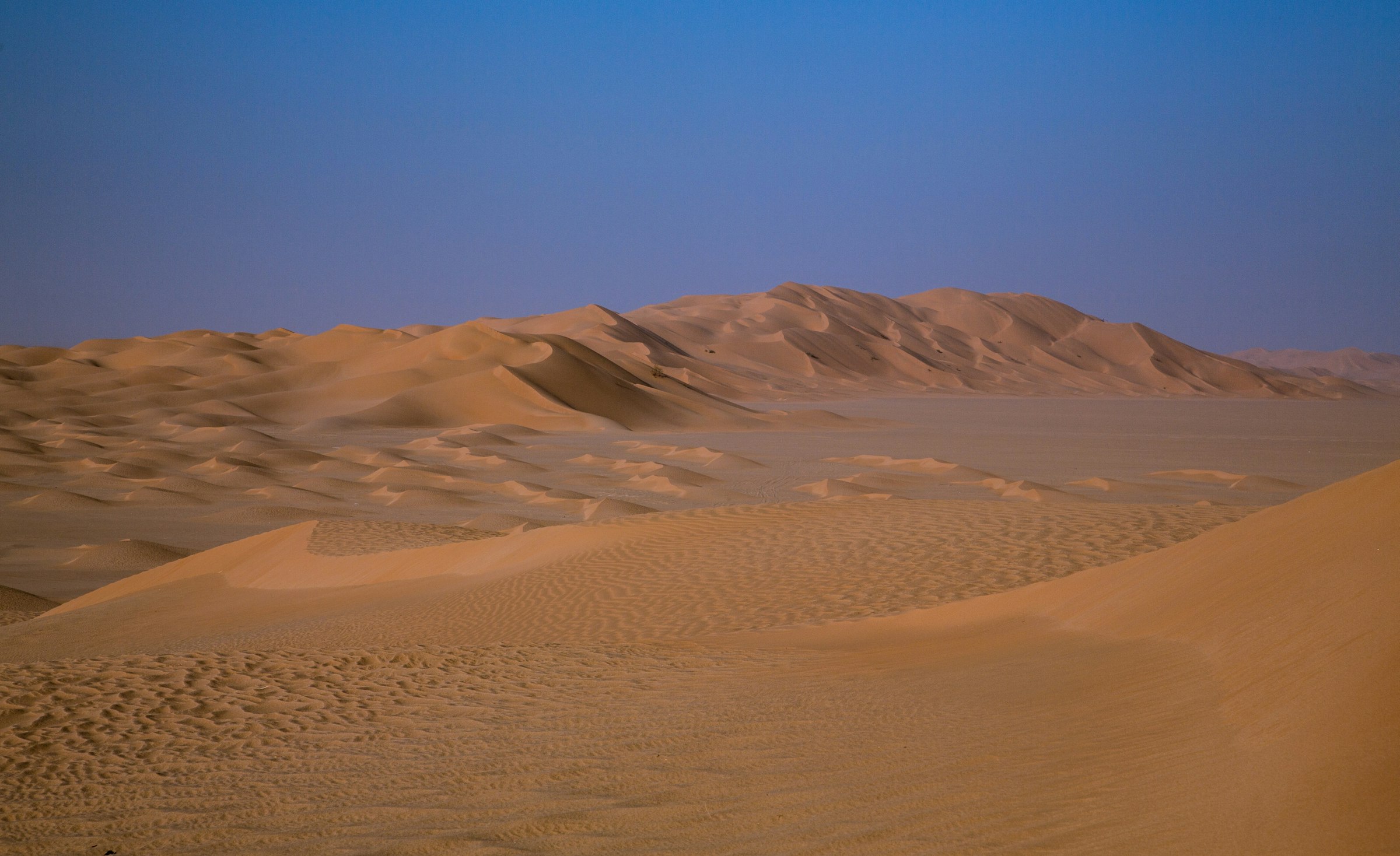
Oman is the Arabian Peninsula with the volume turned down. Muscat is low-rise and dignified rather than a skyline contest, and the real country is outside it: turquoise swimming wadis, the green terraces of Jebel Akhdar, the canyon rim of Jebel Shams, the dunes of Wahiba Sands, and the fjord coastline of Musandam. You drive yourself, and the landscapes do the rest.
Most trips are self-drive loops out of Muscat. You spend a day or two in the capital — the Grand Mosque, the souq, the corniche — then point a rented 4WD inland: swim at Wadi Shab and Wadi Bani Khalid, climb into the mountains at Jebel Akhdar, then spend a night in a desert camp in the Wahiba Sands. Roads are excellent and well signed, fuel is cheap, and distances are long but easy. Most of your budget goes to the car, a couple of nice mountain or desert lodges, and fuel.
The honest part: there is no nightlife to speak of, alcohol is restricted to licensed hotels, and Oman is quiet by design — if you want bars and buzz, the UAE next door does that better. Summer, roughly June through August, is genuinely dangerous heat that shuts the outdoors down, so the country only really works October through March. Dining outside the hotels is simple and repetitive. But for empty roads, swimmable canyons, and a Gulf trip with no glitz, nowhere else comes close.
Highlights
-
Muscat
Low-rise and dignified — the Grand Mosque, the souq, and the corniche.
-
Wadi Shab
Hike and swim through a green canyon to a hidden waterfall cave.
-
Jebel Akhdar & Jebel Shams
Cool mountain terraces and the rim of Oman's deepest canyon.
-
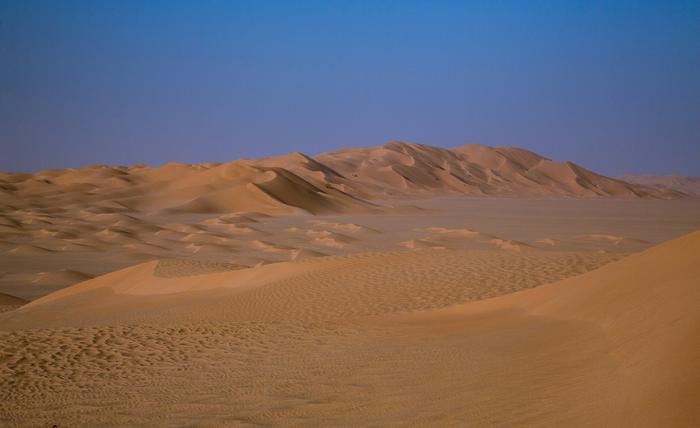
Wahiba Sands
Sleep in a desert camp among the dunes.
-
Musandam
Fjord-like inlets you explore by dhow, far up north.
Practical info
- Visa
- eVisa or visa-free for many Western passports for short stays. Verify before travel.
- Currency
- OMR (Omani Rial).
- Language
- Arabic. English widely spoken.
- Safety
- Very safe and welcoming; standard precautions only.
- Getting around
- Self-drive is the way — rent a 4WD for the wadis and desert.
- Tap water
- Tap water generally safe in cities; bottled common.
- Plug type
- Type G 240V
- Money
- Cards in towns and hotels; carry cash for fuel, camps, and rural stops.
General guidance — visas, safety, and health change, so check your government's travel advisory and the official sources before you go.
Common questions
- Do you need a visa for Oman?
- For most Western travellers, no longer. On 3 August 2026 Oman launched a free, 14-day visa-free entry scheme for 100-plus countries. The unconditional tier — all EU/Schengen states, the UK, US, Canada, Australia, Japan and others — just qualifies at the border; a conditional tier (India, Egypt, Morocco, Vietnam, Mexico and others) is visa-free only if you hold a valid US/UK/Schengen/Canada/Australia/Japan visa or GCC residency. The 14 days are non-extendable, and you’ll need a passport valid six months, a return ticket, a hotel booking, insurance and proof of funds. For longer trips the paid eVisa (evisa.rop.gov.om) still runs — roughly 20 OMR for 30 days. The scheme is new, so reverify the current country lists before booking.
- When is the best time to visit Oman?
- October to March — pleasant 25–30°C days, when the wadis, mountains and desert are all enjoyable. June to August is dangerous 40°C-plus heat that effectively shuts the outdoors; skip it. The one exception is the far south: Salalah and Dhofar in the khareef monsoon (roughly 21 June–21 September), when the southwest monsoon turns the region green and mild (20–27°C). Set expectations, though — khareef is misty, humid and drizzly, green hills and waterfalls rather than sunny beach weather.
- Do I really need a 4WD in Oman?
- For the classic trip, yes — and in places it’s legally required. A genuine 4WD is mandatory to ascend Jebel Akhdar, where a police checkpoint at the base turns back 2WD cars and soft SUVs and your rental papers must show 4×4; Jebel Shams and the Wahiba Sands dunes and some wadi tracks also need it. A standard car strands half the itinerary. Also check your rental insurance covers off-road/sand/mountain driving — many policies quietly exclude it.
- Can you drink alcohol in Oman?
- Only in licensed hotel bars and restaurants — there’s no public or retail sale, drinking in public is illegal, and the minimum age is 21. Tourists don’t need a personal licence to drink in those venues (that’s a residents-only matter for buying at bottle shops). There was no liberalisation in 2025–26 — if anything the Shura Council has pushed the other way — so don’t expect a Dubai-style scene: Oman is quiet by design, with essentially no nightlife; the draw is nature and calm, not bars.
- Is Oman safe to visit right now?
- Inside the country, yes — Oman is one of the calmest, lowest-crime places in the region, and tourists are safe and warmly received. But the honest, current caveat is the neighbourhood: in 2026 the US raised Oman to Level 3 “Reconsider Travel” on the back of regional Iran–US tension (a drone/missile risk and possible airspace or flight disruption), with a “Do Not Travel” flag only for the remote Yemen border. The UK has no blanket warning. None of this reflects conditions on the tourist route, but — as with Jordan — check the live advisories close to travel and weigh them for yourself.
- How much time do you need in Oman?
- A good first loop out of Muscat — Nizwa and the Western Hajar (Jebel Akhdar or Jebel Shams), a swimming wadi, and a night in the Wahiba Sands — wants about a week of self-driving. Add the turtle coast around Sur and Ras al Jinz, or the fjords of Musandam, and you’re at ten days to two weeks. Salalah in the far south is a separate trip (usually a short flight), worthwhile mainly in the summer khareef when the rest of the country is too hot.
Entry & visa
A brand-new free visa waiver
As of August 2026, most Western visitors get 14 days free — longer stays still use the eVisa.
Oman changed its entry rules in August 2026 with a free, 14-day visa-free scheme. The unconditional list — all EU/Schengen states plus the UK, US, Canada, Australia and Japan — qualifies on arrival with nothing to pay; a conditional list is visa-free only if you already hold a valid US/UK/Schengen/Canada/Australia/Japan visa or GCC residency. The 14 days can’t be extended, and you’ll need a passport valid six months, an onward ticket, a hotel booking, insurance and proof of funds.
For anything longer, the paid eVisa at evisa.rop.gov.om continues — about 20 OMR for 30 days or 50 OMR for a one-year multiple-entry. Because the waiver is new, reverify the current country lists on the official site before you book.
When to go
October to March — the heat is a safety matter
A self-drive nature trip that only works October–March — with Salalah’s green monsoon the single summer exception.
Oman really only works October–March (the season bar is shown Jan–Mar). The crimson summer bar is a genuine safety matter — 40°C+ shuts the outdoors — with one exception: Salalah’s khareef monsoon (21 Jun–21 Sep) turns the far south green and mild. Jebel Akhdar’s Damask roses bloom in April; Ramadan (~8 Feb–8 Mar in 2027) shortens daytime hours.
What Oman is for is landscape you drive yourself to: turquoise swimming wadis, the green terraces of Jebel Akhdar and the canyon rim of Jebel Shams, the dunes of the Wahiba Sands, the fjords of Musandam, and a dignified, low-rise Muscat. Timing is strict: the country really only works October to March, because June–August heat (40°C+) is a genuine safety issue that shuts the outdoors. The exception is Salalah in the khareef monsoon (about 21 June–21 September), the one region worth a summer visit — green and mild, if misty and humid rather than sunny.
- you want the wadis, mountains and desertSkipJune–August, when 40°C+ heat is a safety riskGoOctober–March, the only comfortable touring window
- you can only travel in summerSkipthe baking north and interiorGoSalalah in the khareef — green, misty and mild while the rest bakes
- you’re hiring a car for the mountainsSkipa 2WD (a checkpoint turns it back at Jebel Akhdar)Goa genuine 4WD, with insurance that covers off-road driving
Getting around
Self-drive, and make it a 4WD
Excellent roads and cheap fuel — but a real 4WD is needed, and there’s no useful public transport.
Oman is a self-drive country: the roads are excellent and well-signed, fuel is cheap, and distances are long but easy. The catch is the vehicle — a genuine 4WD is needed for the best of it and is legally mandatory to climb Jebel Akhdar (a checkpoint turns back 2WD cars), as well as for the Wahiba dunes and some wadi and mountain tracks. Confirm the rental shows 4×4 on its papers and that the insurance covers off-road driving, which many policies exclude.
There’s no meaningful public transport — Mwasalat intercity buses exist but are limited, and ride-hail apps (Otaxi, Marhaba, Careem) cover Muscat and the cities only. One geography note: Musandam is a separate enclave, cut off from the rest of Oman by the UAE, so you reach it overland through the UAE (mind cross-border car-rental rules) or by flying Muscat–Khasab.
| Way | Use it for | Note |
|---|---|---|
| Hire 4WD | The whole self-drive trip | Legally required for Jebel Akhdar; also the Wahiba dunes |
| Mwasalat bus | Muscat–Salalah / Nizwa / Sur | Limited intercity coverage; a car is still needed |
| Ride-hail (Otaxi/Careem) | Getting around Muscat | City-only; no Uber or Grab |
| Fly or drive to Musandam | The northern enclave | Via the UAE overland, or Muscat–Khasab by air |
Fuel is cheap and the sealed highways are excellent, so distances are long but easy. The one real constraint is the 4WD requirement for the mountains and dunes — and that Musandam is only reachable through the UAE. Checked October 2026.
Hire a proper 4WD, not a soft crossover. Oman is a self-drive country with superb, well-signed roads, but a genuine four-wheel-drive is needed for the best of it — and is legally mandatory to climb Jebel Akhdar, where a police checkpoint at the foot turns back anything that isn’t. The swimming wadis and the Wahiba dunes want one too. Fuel is cheap and the distances long but easy; just don’t attempt the mountain or the sands in a 2WD.
Sights
Wadis, mountains, dunes and fjords
The draw is landscape, not ticketed sights — most of it free, reached by the car.
The highlights are natural and largely free to enter. The swimming wadis — Wadi Shab (a walk-in then a swim to a hidden waterfall and cave) and Wadi Bani Khalid — are the signature; the mountains give you Jebel Akhdar’s rose terraces and Jebel Shams’ canyon rim above Wadi Ghul, the “Grand Canyon of Oman,” walked on the Balcony Walk trail; and a night in a desert camp in the Wahiba Sands is the classic one-nighter. The coast adds Sur’s dhow yards and the green-turtle nesting beaches at Ras al Jinz. In the north, Musandam’s fjords are best seen on a dhow cruise out of Khasab.
Muscat anchors the trip rather than dominating it — the Sultan Qaboos Grand Mosque, Mutrah Souq, the corniche and the Royal Opera House fill a day or two. The old interior capital of Nizwa, with its circular 17th-century fort and Friday livestock market, is the gateway to the mountains. Dining outside the hotels is simple, casual and inexpensive, and usually alcohol-free.
The Sultan Qaboos Grand Mosque has a strict modest-dress rule for all visitors: covered arms and legs for everyone, and women must cover their hair — bring a scarf (some are available to borrow at the entrance). Non-Muslim visiting hours are mornings only (roughly 8–11am, closed Fridays), so time it for the start of the day.
Where to go
Coast, mountains, desert — and two far corners
A compact core around Muscat, plus a green southern exception and a fjord enclave up north.
Most trips are a self-drive loop out of Muscat taking in the Western Hajar — Nizwa’s fort, the rose terraces of Jebel Akhdar, the canyon of Jebel Shams — the swimming wadis and turtle coast toward Sur, and a desert night in the Wahiba Sands. Two regions sit apart: Dhofar in the far south, green and mild in the summer khareef (usually reached by a short flight to Salalah), and Musandam in the far north, a fjord-cut enclave reached through the UAE. You pick the core loop, then decide whether to bolt on the south or the fjords.
| Region | What it’s for | Good to know |
|---|---|---|
| Muscat | The Grand Mosque, souq, opera house | The gateway; famously low-rise and calm |
| Western Hajar (Nizwa, Jebel Akhdar/Shams) | Forts, rose terraces, the canyon | 4WD country; the mountain heart |
| The east coast (Wadi Shab, Sur, Ras al Jinz) | Swimming wadis, dhows, nesting turtles | An easy loop from Muscat |
| Sharqiya / Wahiba Sands | Dune desert and Bedouin camps | The classic overnight |
| Dhofar / Salalah (far south) | Frankincense, beaches, the khareef | The summer exception; usually a flight |
| Musandam (far north) | Fjord khors and dhow cruises | A separate enclave, reached via the UAE |
Food & drink
Slow-roast feasts and the coffee of welcome
Mild, fragrant Gulf-Indian-African cooking — wrapped in a famous culture of hospitality.
Omani halwa the sticky sweet of welcome
Omani food is mild and fragrant, a blend of Arabian, Indian and East African influences. The showpiece is shuwa — meat marinated in spices, wrapped and slow-roasted in an underground pit for festivals — alongside the everyday majboos (saffron-spiced rice and meat), grilled mishkak skewers and comforting harees. But the thing that defines an Omani welcome is the ritual of kahwa (cardamom coffee), dates and sticky Omani halwa (see the figure), offered the moment you sit down. There’s no pork and little alcohol — this is a quiet, hospitable table.
| Dish / drink | What it is | Note |
|---|---|---|
| Shuwa | Spiced meat slow-roasted underground | The festive centrepiece |
| Majboos | Saffron-spiced rice with meat | The everyday feast (akin to kabsa) |
| Mishkak | Grilled meat skewers | The evening street-food staple |
| Omani halwa | A sticky rosewater-and-saffron sweet | The hospitality gift |
| Kahwa & dates | Cardamom coffee with dates | The ritual of welcome |
| Harees | Slow-cooked wheat and meat | The comfort dish |
There’s no pork, and alcohol is confined to licensed hotel venues — so the real “drink” is kahwa, the cardamom coffee poured endlessly with dates and a square of Omani halwa as the gesture of welcome.
Culture
Ibadi Islam, frankincense, and calm
A distinctive, tolerant strand of Islam and an ancient trade in aromatic resin shape a notably gentle country.
Land of Frankincense Dhofar’s ancient trade in the aromatic resin
Oman is the heartland of Ibadi Islam, a distinct, notably tolerant and moderate branch of the faith (neither Sunni nor Shia) held by a very large share of Omanis alongside substantial Sunni and smaller Shia communities — a identity that helps explain the country’s famously calm, undogmatic feel. The language is Arabic, with English common in tourism; men wear the white dishdasha robe with a kuma cap or massar turban. The country is ruled by Sultan Haitham bin Tariq, who succeeded the long-reigning, much-loved Sultan Qaboos on his death in January 2020. Frankincense (see the figure) is the cultural signature, and the overall register is dignified, hospitable and quiet.
Good to know
A strong rial, hotel add-ons, and the advisory
The practical footnotes — a high-value currency, a tax stack on tourism bills, and a regionally-driven advisory.
The currency is the Omani rial, pegged to the dollar and one of the world’s strongest units (1 OMR ≈ US$2.60), divided into 1,000 baisa. Budget for the hotel add-ons: bills carry a 4% tourism fee and 5% VAT (the confirmed government charges), plus a customary 8–10% service charge — reckon on roughly 15%+ over a quoted room rate. Tipping isn’t obligatory. A few rhythms to plan around: the weekend is Friday–Saturday, evenings are quiet with no real nightlife, and during Ramadan (around 8 February–8 March in 2027) daytime eating and drinking in public is discouraged and many restaurants close in daylight. Above all, respect the summer heat — it’s a safety matter, not a comfort one.
A 2026 safety note: Oman itself is calm and low-crime, but the US raised it to Level 3 “Reconsider Travel” (~August 2026) on regional Iran–US tension — the risk being drone/missile activity and flight or airspace disruption rather than any danger on the tourist route, with a “Do Not Travel” flag only for the remote Yemen border. The UK gives no blanket warning. Check the live advisories and take flexible flights, as with any Gulf trip in 2026.
Compare Oman
If you like Oman, also consider
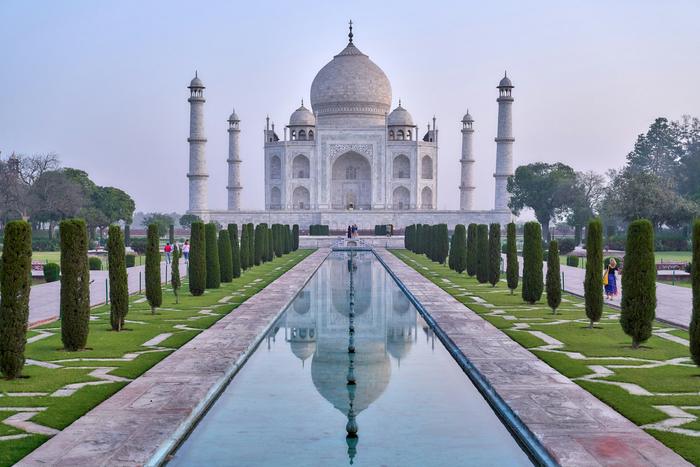
India
Overwhelming, beautiful, and utterly unlike anywhere else.
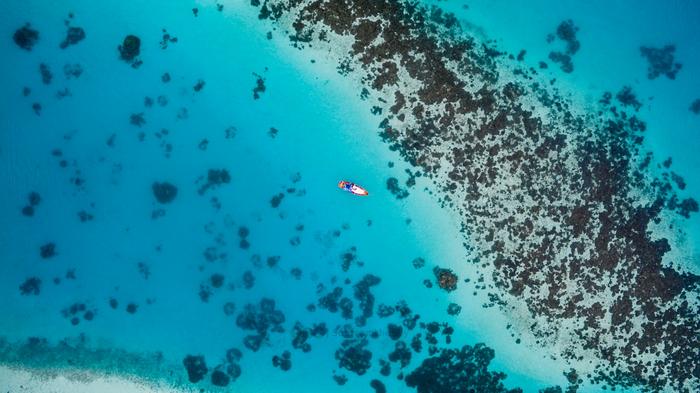
Maldives
One island, one resort, almost nothing to do. That is the point.
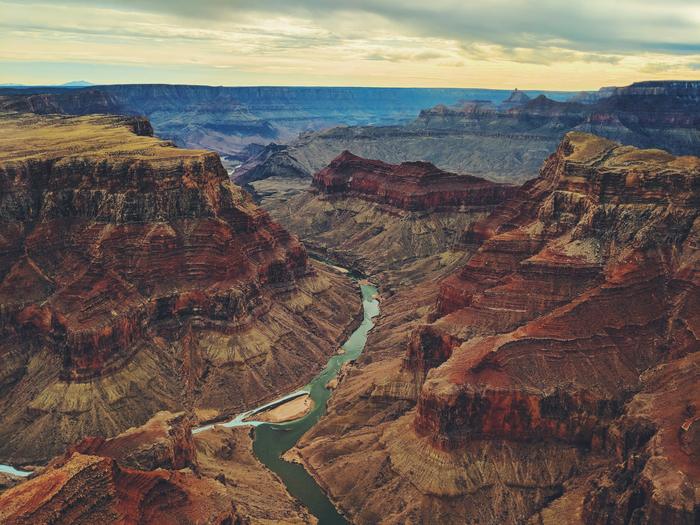
United States
A continent pretending to be a country — cities, deserts, and the best national parks anywhere.
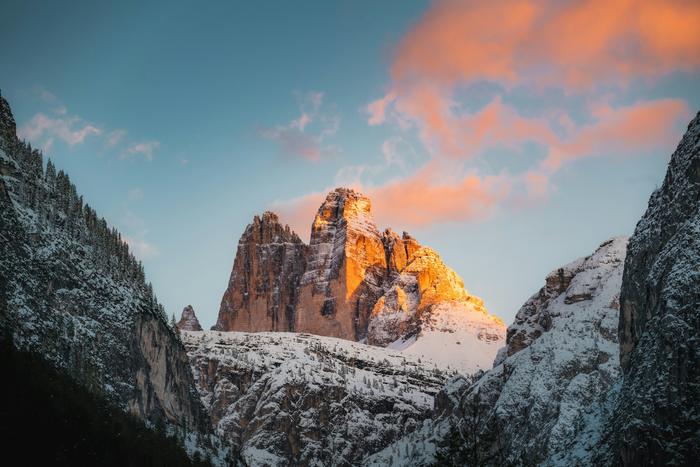
The Alps
The ski and alpine benchmark — every other mountain range is measured against this.
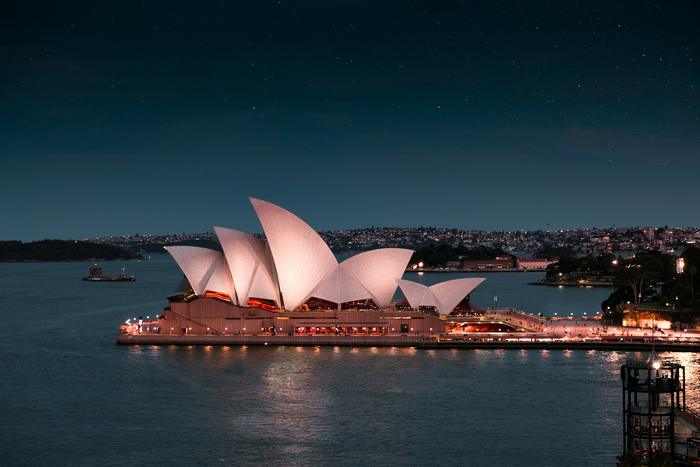
Australia
Vast, varied, relaxed. Reef, Sydney, and proper wilderness in one.
Not sure where to go
Take the 5-minute quiz
Answer a few honest questions and get matched to destinations that actually fit how you travel.
Start the quiz