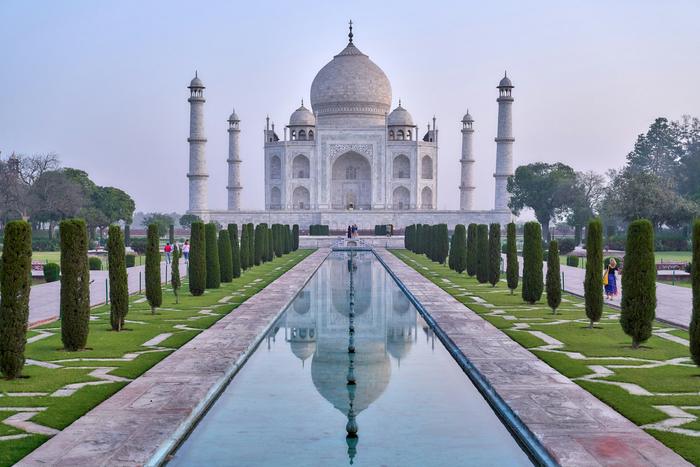
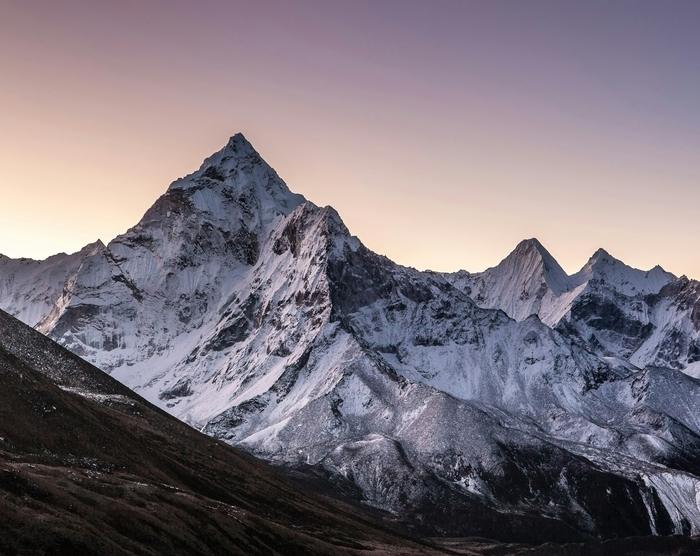
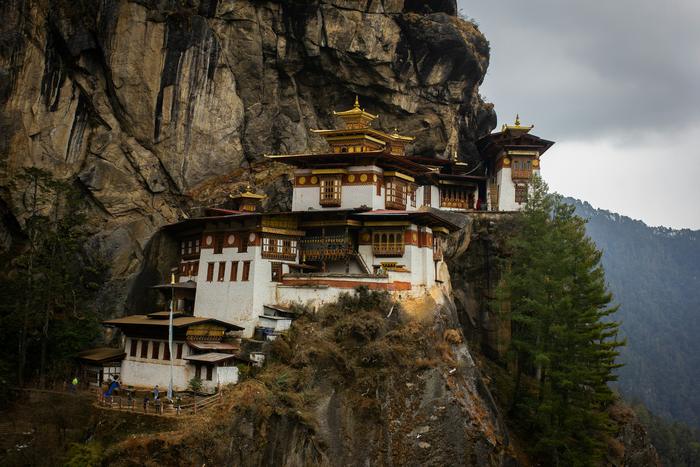
Neighbours, and a natural pairing, but with different centres of gravity. India is the vast, chaotic subcontinent — infinitely varied, overwhelming and dirt cheap, a lifetime of cities, temples, deserts and mountains. Nepal is the compact Himalayan neighbour that is really about being in the mountains — the Everest and Annapurna treks, with Kathmandu and lakeside Pokhara as the bookends.
Neighbours, naturally paired — one is a vast, varied subcontinent, the other the Himalaya in focus.
Vast vs compactthe scaleA whole subcontinent, or a focused mountain country
Variety vs trekkingwhat each is really forCities-temples-deserts, or Everest and Annapurna
Cheap vs cheapthe moneyBoth among the world’s best value
India is the vast, chaotic subcontinent: infinitely varied, overwhelming and dirt cheap, a lifetime of cities, temples, deserts and mountains. Nepal is the compact Himalayan neighbour, really about being in the mountains — the Everest and Annapurna treks, with Kathmandu and lakeside Pokhara as the bookends. Boundless variety, or the Himalaya in focus.
The operational detail — India’s e-Visa and site ticketing, Nepal’s trek permits, guide rules and Lukla logistics — lives on the two guides: India, know before you go and Nepal, know before you go. This page is the head-to-head.
Who suits which
Who each actually suits
Vast-variety or mountains-first — so these rarely invert.
If you want…
India
Nepal
Vast variety and culture
Wins clearly. A subcontinent
Focused on the mountains
The world’s best trekking
Ladakh/Sikkim, a small part
Wins clearly. Everest, Annapurna
Marquee monuments
Wins. The Taj and more
Kathmandu Valley temples
A compact, mountains-first trip
Huge and sprawling
Wins. The Himalaya
A lifetime of return trips
Wins. Endless regions
The treks, then repeat
Rock-bottom prices
Tie. Best value anywhere
Tie. Among Asia’s cheapest
Doing both
A cultural leg, then the mountains
Neighbours — a natural two-in-one.
They pair naturally: an India cultural leg — Delhi, Rajasthan, Varanasi, the Taj — then a Nepal trekking leg in the Himalaya, linked by easy flights (or historic overland routes). The subcontinent’s colour and chaos, then the mountains’ calm. Each has its own entry (India’s e-Visa, Nepal’s visa-on-arrival), and both reward the cooler, clearer autumn and spring windows — in India also to dodge the worst heat and northern winter smog.
What we leave out
What we deliberately leave out
Exact prices and the moving pieces — India’s site and transport costs and seasonal air quality, Nepal’s permit costs, guide rules and Lukla logistics — change within a season, so the figures here are the shape of the gap, not a quote; the country guides carry the live detail.
India or Nepal, month by month
Which of the two is the better bet for each month of the year, scored on
how well the season suits each place.
You want to be in the mountains — Everest, Annapurna, serious high-altitude walking.
A compact, trekking-first trip beats a sprawling cultural tour.
The Himalaya is the whole point.
Common questions
Should I combine India and Nepal?
Very naturally — they’re neighbours with easy flights (and historic overland routes), and a classic trip pairs an India cultural leg with a Nepal trekking leg: the subcontinent’s chaos and colour, then the calm of the Himalaya. Many Everest or Annapurna trips bolt on Delhi, Varanasi or Rajasthan. Each has its own entry (India’s e-Visa on indianvisaonline.gov.in; Nepal’s visa-on-arrival, with a full e-Visa rolling out) — see the guides. See the India and Nepal guides.
Which is more varied?
India, by a vast margin — a whole subcontinent of Himalayan north, desert Rajasthan, Mughal monuments, southern temples and backwaters, Goa’s beaches and more, enough for many trips. Nepal is focused on the mountains — the great treks, Kathmandu Valley’s temples and Pokhara. Infinite variety, or the Himalaya done properly.
Which is better for trekking versus culture?
Nepal for trekking, decisively — it has the world’s most dramatic high-altitude walking (Everest Base Camp, the Annapurna Circuit) and the infrastructure for it. India for culture and range — the Taj Mahal, the holy cities, the forts and food — with Himalayan trekking (Ladakh, Sikkim) a smaller part of a huge whole. The mountains, or everything else.
Are they equally cheap?
Both are among the cheapest places to travel in the world — India is excellent value at almost any budget, and Nepal is similarly cheap (though cash-heavy on treks, where ATMs vanish). Cost isn’t the deciding factor; the choice is variety-and-intensity versus the mountains.