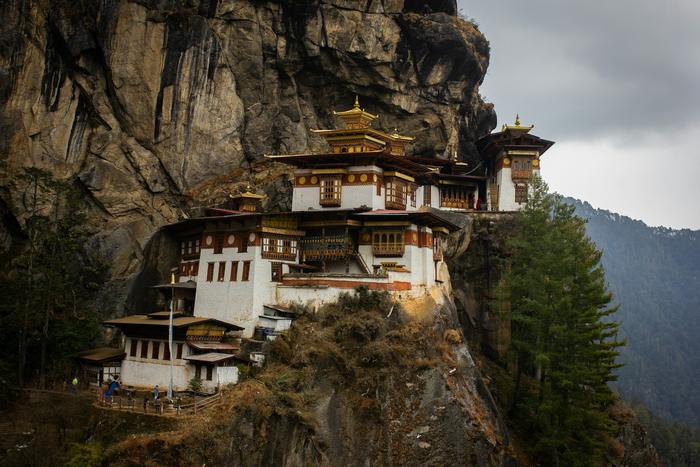
Bhutan
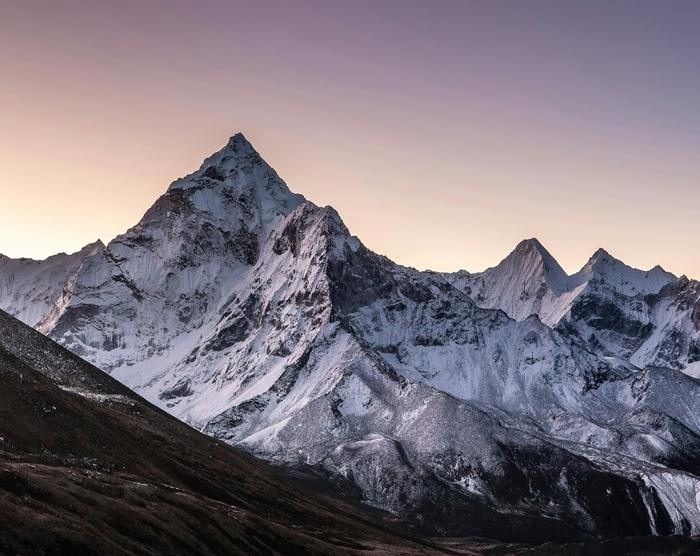
The last intact Himalayan Buddhist kingdom, on its own terms.
- January: fine
- February: fine
- March: peak
- April: peak
- May: peak
- June: fine
- July: avoid
- August: avoid
- September: peak
- October: peak
- November: peak
- December: fine
Two strong destinations, different in important ways. Here's the side-by-side, then a verdict on which suits which traveler.
The last intact Himalayan Buddhist kingdom, on its own terms.
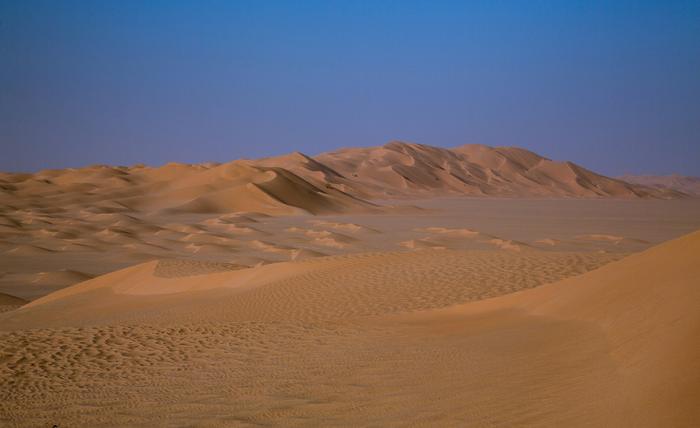
The calm, scenic alternative to the Gulf — wadis, mountains, and empty desert.
Read our full guides about Bhutan and Oman.
Emphasised where they differ. Muted rows are much the same either way.
| Bhutan | Oman | |
|---|---|---|
| Best time | March–May, September–November | November–March |
| Climate | mild | warm |
| Budget | Mid-range – Premium · $65–130+/day | Budget – Mid-range · $35–130/day |
| Trip length | 1–2 wks | 1–2 wks |
| Visa | All visitors except India, Bangladesh, and Maldives need a visa arranged in advance, plus the Sustainable Development Fee (~US$100/night). | eVisa or visa-free for many Western passports for short stays. Verify before travel. |
| Currency | BTN (Ngultrum), pegged to and interchangeable with the Indian Rupee, which is also accepted. | OMR (Omani Rial). |
| Language | Dzongkha (official); English is widely used and the medium of instruction. | Arabic. English widely spoken. |
| Tap water | Drink bottled or boiled water. | Tap water generally safe in cities; bottled common. |
| Safety | Extremely safe with very low crime. | Very safe and welcoming; standard precautions only. |
General guidance — visas, safety, and health change, so check your government's travel advisory and the official sources before you go.
Which of the two is the better bet for each month of the year, scored on how well the season suits each place.
Both deliver on nature, history — so on those dimensions either works.
Still undecided
Three matches. Often answers comparison questions for you.
Start the quiz