Jordan vs Oman

Two of the Middle East’s quietest, least glitzy trips — but built on different things. Jordan is a bucket-list history-and-desert country: Petra, Wadi Rum, the Dead Sea, and some of the ancient world’s great sights packed into a small, accessible package. Oman is a self-drive nature trip — turquoise wadis, canyon mountains, dune camps and fjords — where the landscapes, not the monuments, carry the days.

Middle East

Jordan

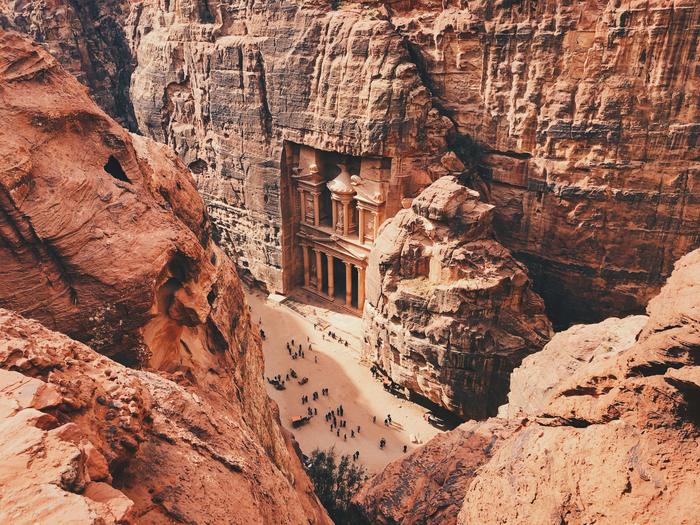
Petra alone justifies the trip.

Best time to visit
  1. January: fine
  2. February: fine
  3. March: peak
  4. April: peak
  5. May: fine
  6. June: fine
  7. July: avoid
  8. August: avoid
  9. September: fine
  10. October: peak
  11. November: peak
  12. December: fine
Peak Fine Avoid
Middle East

Oman

The calm, scenic alternative to the Gulf — wadis, mountains, and empty desert.

Best time to visit
  1. January: peak
  2. February: peak
  3. March: peak
  4. April: fine
  5. May: avoid
  6. June: avoid
  7. July: avoid
  8. August: avoid
  9. September: avoid
  10. October: fine
  11. November: peak
  12. December: peak
Peak Fine Avoid

Read our full guides about Jordan and Oman.

Side by side

Emphasised where they differ. Muted rows are much the same either way.

Jordan Oman
Best time March, April, October, November November–March
Climate warm warm
Budget Mid-to-high — Jordan is pricier than you’d expect; the Jordan Pass bundles entry and waives the visa Mid-to-high — a strong currency, self-drive fuel cheap, with a new ~17% hotel tax stack
Trip length 1–2 wks 1–2 wks
Visa Jordan Pass covers visa + main sites — buy online before arrival. eVisa or visa-free for many Western passports for short stays. Verify before travel.
Currency JOD (Jordanian Dinar). Roughly 0.71 JOD ≈ 1 USD. OMR (Omani Rial).
Language Arabic. English widely spoken in tourism. Arabic. English widely spoken.
Tap water Tap water not safe to drink. Tap water generally safe in cities; bottled common.
Safety Very safe. Despite regional perception, Jordan is stable and welcoming. Very safe and welcoming; standard precautions only.

General guidance — visas, safety, and health change, so check your government's travel advisory and the official sources before you go.

The split

Ancient sights, or quiet landscape

Both low-glitz Middle-Eastern trips — one is history and icons, the other self-drive nature.

Petra vs wadiswhat each is really forWorld-class monuments, or swimmable canyons and dunes
Tour vs self-drivehow you travelA compact sights circuit, or driving the scenery
Advisories vs calmthe contextJordan draws more regional-tension headlines; Oman is consistently calm

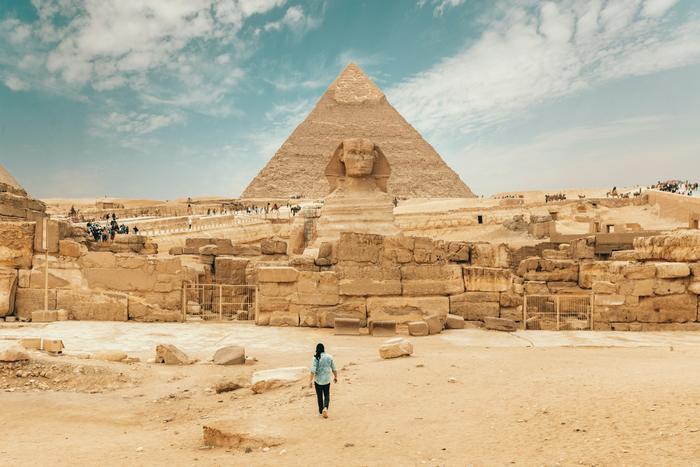
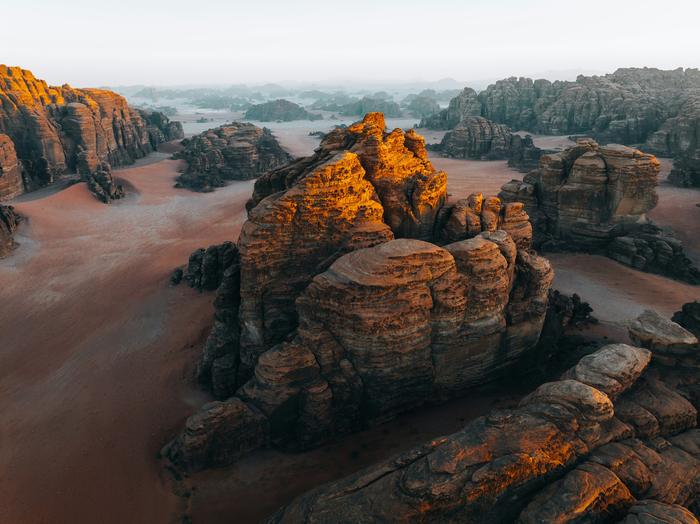
Jordan is the bucket-list history-and-desert country: Petra, Wadi Rum, Jerash and the Dead Sea, a remarkable concentration of ancient sights in a small, accessible package. Oman is the self-drive nature trip: turquoise wadis, the canyon mountains of Jebel Akhdar and Jebel Shams, the Wahiba Sands and the Musandam fjords, where landscape rather than monuments carries the days. Iconic sights, or quiet scenery.

The operational detail — Jordan’s Jordan Pass and Petra logistics (and its advisory context), Oman’s new visa waiver and 4WD needs — lives on the two guides: Jordan, know before you go and Oman, know before you go. This page is the head-to-head.

Who suits which

Who each actually suits

Ancient-icons or self-drive-nature — so these rarely invert.

If you want…JordanOman
World-class ancient sightsWins clearly. Petra, JerashLandscape, not monuments
A self-drive nature loopCompact, sights-ledWins clearly. Wadis and mountains
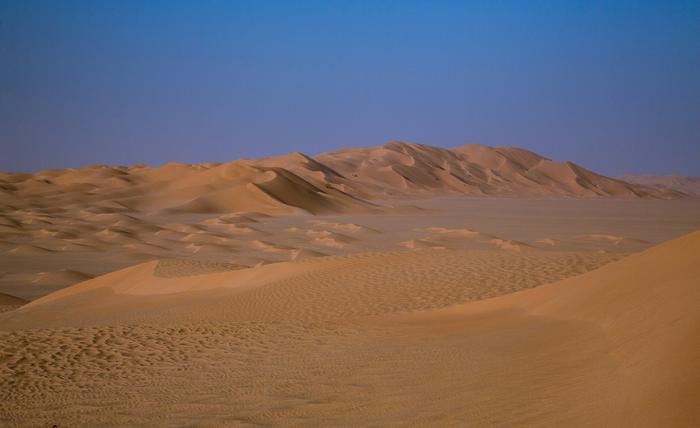
A desert experienceWins. Wadi RumWins. The Wahiba Sands
Swimmable canyons and fjordsThe Dead Sea floatWins. Wadi Shab, Musandam
The calmest advisory pictureMore regional headlinesWins. Consistently calm
A compact bucket-list weekWins. Icons close togetherRewards unhurried driving

Doing both

An either/or across the peninsula

Not neighbours — usually one or the other.

Jordan and Oman don’t share a border (Saudi Arabia lies between), so combining them means a flight, and each comfortably fills its own week — in practice an either/or. Both are best in the cooler October–March window (Oman’s summer heat is dangerous; Jordan’s desert is milder then too). Decide by what you want: Jordan’s ancient icons, with current advisories checked, or Oman’s quiet, scenic self-drive.

What we leave out

What we deliberately leave out

Exact prices, and the fast-moving regional-advisory picture for Jordan, change within a season — and advisories can shift quickly — so treat this page as the shape of the contrast, not current safety guidance; the country guides carry the live detail, and official advisories are the source to check before travel.

Jordan or Oman, month by month

Which of the two is the better bet for each month of the year, scored on how well the season suits each place.

Which to choose

Choose Jordan if:

  • You want world-class ancient sights — Petra, Jerash, Wadi Rum, the Dead Sea.
  • A compact, bucket-list history trip appeals, advisories checked.
  • Iconic monuments matter more than empty self-drive landscapes.

Choose Oman if:

  • You want a self-drive nature trip — wadis, mountains, dunes, fjords.
  • Empty roads and swimmable canyons beat a sights checklist.
  • Quiet, glitz-free landscape is the whole point.

Common questions

Is Jordan or Oman safer to visit right now?
Both are calm, welcoming countries day to day, but Jordan draws more advisory attention because of regional tensions — its named no-go zones are remote stretches of the Syrian and Iraqi borders, far from the tourist route, but the picture can shift, so check current US/UK advisories before booking. Oman is consistently rated among the region’s calmest. Neither’s tourist areas are the concern; the difference is how much the wider region intrudes on the headlines. See the Jordan and Oman guides.
Which has the bigger sights?
Jordan, decisively — Petra is a genuine wonder, backed by Wadi Rum’s desert, the Roman city of Jerash and a float in the Dead Sea, some of the ancient world’s great hits in one compact country. Oman’s draw is landscape, not monuments — wadis, Jebel Akhdar and Jebel Shams, the Wahiba Sands, the Musandam fjords. Bucket-list sights, or scenery you drive to.
Which is better for self-driving?
Oman, clearly — it’s built for self-drive: excellent roads, cheap fuel, and a loop of wadis, mountains and desert out of Muscat (though a genuine 4WD is needed, and legally required for Jebel Akhdar). Jordan is also easy to drive and compact, but its highlights are ticketed sights rather than open landscape. A driving-the-scenery trip, or a sights tour.
Should I combine them?
They don’t border each other (Saudi Arabia sits between), so combining means a flight, and each fills its own week — making it usually an either/or. Both are best in the cooler October–March window and both reward a week or so. Choose by appetite: Jordan for the ancient icons, Oman for quiet, scenic self-drive.

Still undecided

Take the quiz

Three matches. Often answers comparison questions for you.

Start the quiz