Namibia vs Rwanda

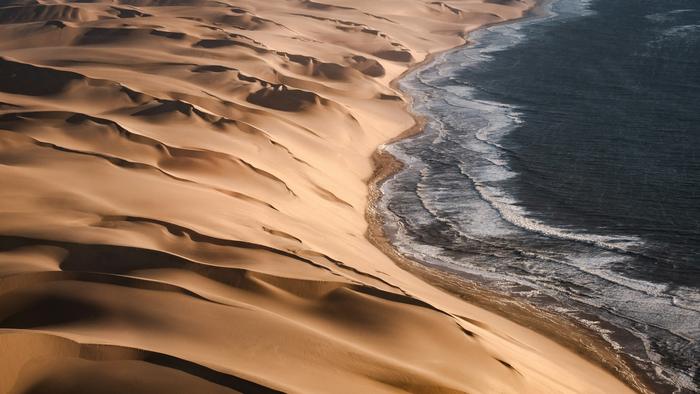
A self-drive desert epic versus a short, guided gorilla morning — opposite in almost every way. Namibia is empty and dry: you point a 4x4 at red dunes, the Skeleton Coast and Etosha’s waterholes across enormous distances, mostly on your own. Rwanda is green, compact and guided: one strenuous hour with a gorilla family, around clean, easy travel. Desert self-drive, or a singular forest encounter.

Sub-Saharan Africa

Namibia

A self-drive epic through some of the emptiest country on Earth.

Best time to visit
  1. January: avoid
  2. February: avoid
  3. March: fine
  4. April: peak
  5. May: peak
  6. June: peak
  7. July: peak
  8. August: peak
  9. September: peak
  10. October: fine
  11. November: fine
  12. December: avoid
Peak Fine Avoid
Sub-Saharan Africa

Rwanda

One hour, face-to-face with a gorilla family, in the easiest and safest place to do it.

Best time to visit
  1. January: peak
  2. February: peak
  3. March: fine
  4. April: avoid
  5. May: fine
  6. June: peak
  7. July: peak
  8. August: peak
  9. September: peak
  10. October: fine
  11. November: fine
  12. December: peak
Peak Fine Avoid

Read our full guides about Namibia and Rwanda.

Side by side

Emphasised where they differ. Muted rows are much the same either way.

Namibia Rwanda
Best time April–September June–September, December–February
Climate warm mild
Budget Mid-range and self-drive — the money goes on the 4x4, fuel and lodges; the N$ is pegged 1:1 to the rand Expensive and short — the US$1,500 gorilla permit anchors the cost; a premium, compact trip
Trip length 2–3 wks 1–2 wks
Visa Visa-free or visa-on-arrival for most Western passports. Verify before travel. Visa-on-arrival or e-visa for all nationalities (30 days).
Currency NAD (Namibian Dollar); South African Rand also accepted. RWF (Rwandan Franc).
Language English (official), plus Afrikaans, German, and local languages. Kinyarwanda, English, and French all widely used.
Tap water Tap water safe in towns; carry plenty for the road. Stick to bottled water.
Safety Generally safe; the real risk is the driving and the distances, not crime. One of Africa's safest and cleanest countries — very low crime, plastic bags banned, streets spotless.

General guidance — visas, safety, and health change, so check your government's travel advisory and the official sources before you go.

The split

Desert self-drive, or a gorilla morning

Two opposite African trips — one is a DIY desert epic, the other a short, guided forest encounter.

Desert vs forestthe landscapeRed dunes and empty coast, or green mountains
Self-drive vs guidedthe styleYour own 4x4, or a guided, driven trip
Scenery vs one animalthe pointSpace you drive through, or one hour with gorillas

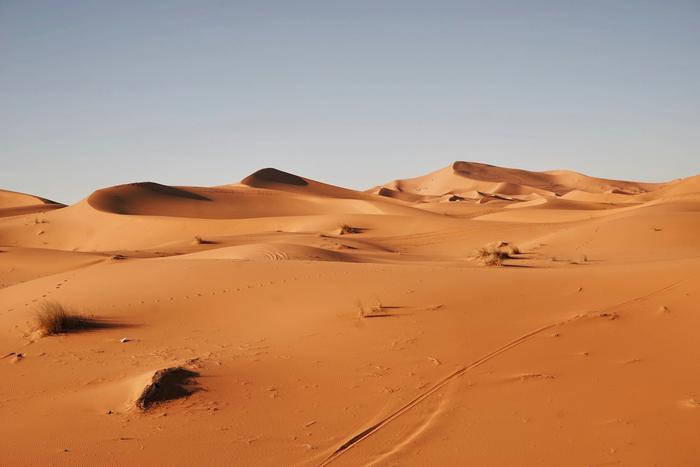
Namibia is a self-drive desert epic: a 4x4 pointed at the red dunes of Sossusvlei, the Skeleton Coast and Etosha’s waterholes, across enormous empty distances where for hours you see no one. Rwanda is a short, guided gorilla trip: one strenuous morning with a gorilla family in forested hills, around clean, compact, easy travel. Dry, DIY and landscape-led, or lush, guided and wildlife-specific.

The operational detail — Namibia’s 2025 visa-on-arrival fee, gravel-road driving and dry-season timing; Rwanda’s gorilla permit and the DRC-border security line — lives on the two guides: Namibia, know before you go and Rwanda, know before you go. This page is the head-to-head.

Who suits which

Who each actually suits

Desert-self-drive or guided-gorillas — opposite in every dimension.

If you want…NamibiaRwanda
A self-drive road tripWins clearly. 4x4 across the desertGuided and driven
The gorilla encounterNot hereWins clearly. The easiest place for it
Landscape and spaceWins. Dunes, coast, canyonGreen hills, not vast space
A short, easy tripLong distances, many daysWins. Compact and low-hassle
Value and independenceWins. Self-drive, rand-peggedPremium, permit-anchored
Quick to combineDifferent regionDifferent region — plan a real leg

Doing both

An either/or across the continent

Southwest and East/Central — different trips, usually one.

They sit far apart — Namibia in the southwest, Rwanda in East/Central Africa — so combining them is a long continental trip with regional flights, not a short add-on, and they suit different travellers: independent self-drivers versus premium wildlife seekers. Most people pick one: a Namibia desert road trip, or the Rwanda gorillas. If you do both, treat them as two distinct legs and heed Namibia’s gravel-road hazards and Rwanda’s border caution on the guides.

What we leave out

What we deliberately leave out

Exact prices and the moving pieces — Namibia’s visa fee, car-hire and fuel costs; Rwanda’s permit and discount terms — change within a season, so the figures here are the shape of the gap, not a quote; the country guides carry the live detail.

Namibia or Rwanda, month by month

Which of the two is the better bet for each month of the year, scored on how well the season suits each place.

Which to choose

Choose Namibia if:

  • You want a self-drive desert road trip — dunes, the Skeleton Coast, Etosha.
  • Space, silence and DIY freedom over huge distances appeal.
  • Landscape is the trip, and you’d rather drive than be guided.

Choose Rwanda if:

  • You want the gorilla encounter, done easily and safely, in a short trip.
  • Compact, green and guided travel suits you better than long desert drives.
  • One extraordinary hour beats days behind the wheel.

Common questions

How do Namibia and Rwanda differ?
Almost totally. Namibia is a self-drive desert epic — a 4x4 across red dunes, the Skeleton Coast and Etosha’s waterholes, over enormous, empty distances, mostly under your own steam. Rwanda is a short, guided gorilla trip — one hour with a gorilla family in green mountains, around clean, compact, easy travel. Dry desert DIY, or lush guided wildlife. Different regions, so an either/or. See the Namibia and Rwanda guides.
Which is about landscape, and which about wildlife?
Namibia is landscape-first — the dunes of Sossusvlei, the eerie Skeleton Coast, Fish River Canyon — with Etosha’s game as a bonus. Rwanda is wildlife-first and specific: the gorillas are the point, in forested hills. Space and scenery you drive through, or a single, close animal encounter.
Which is more effort?
They demand different things. Namibia is self-drive effort — long days on gravel roads (the single biggest hazard), fuel planning and real distances. Rwanda is physical effort for one morning — a steep, muddy, high-altitude gorilla trek — but otherwise easy and guided. Days behind the wheel, or one hard hike in an easy trip.
Can I combine them?
Only on a long trip — Namibia is in the southwest and Rwanda in East/Central Africa, so joining them means regional flights and time, not a short add-on. They also attract different travellers (independent self-drivers versus premium wildlife seekers), so most people pick one. If you do both, run them as two distinct legs and note the Rwanda border caution and Namibia’s driving hazards on the guides.

Still undecided

Take the quiz

Three matches. Often answers comparison questions for you.

Start the quiz