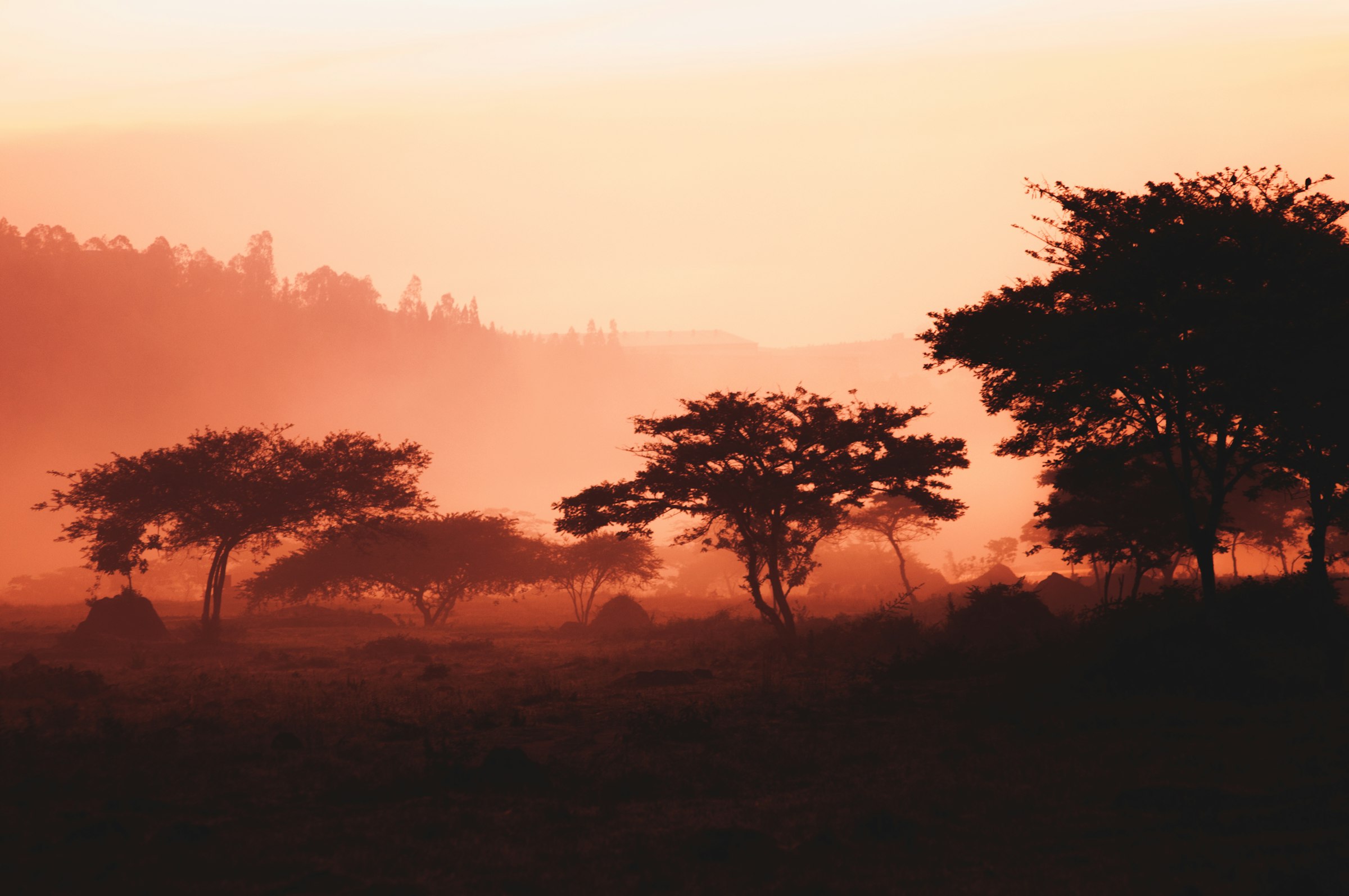
Rwanda
One hour, face-to-face with a gorilla family, in the easiest and safest place to do it.
Rwanda is a short, tightly built trip that turns on a single morning: the climb up into the Virungas to sit with a habituated mountain gorilla family. Most people wrap that around Kigali, Lake Kivu, and the forest chimps of Nyungwe, and the whole thing is compact, clean, and unusually easy to get around for East Africa.
The country is small and green and folded into a thousand hills, and the trips reflect that — you can do the headline experiences in under a week. The core is Volcanoes National Park: a pre-dawn briefing, a hard uphill push through bamboo and mud with a guide and trackers, and then an hour, by the rules, standing a few metres from a gorilla family that simply carries on with its morning. Around it you get Kigali — genuinely spotless, calm, and safe, with the sobering Genocide Memorial that you should not skip — plus the relaxed lakeside pace of Lake Kivu and the canopy walk and chimps of Nyungwe Forest. Roads are tarred and good, and a 4x4 with a driver handles the lot.
The honest part: this is expensive and quick. The gorilla permit alone is US$1,500 per person for that one hour, and everything else stacks on top, so you are paying a lot for a short trip. The trek itself is genuinely strenuous — steep, muddy, high-altitude, and unpredictable in length — so come fit and don't treat it as a stroll. And beyond the gorillas, the wildlife is thinner than East Africa's big parks; Akagera has the Big Five now but it is no Serengeti. The trade-off is simple: the gorilla encounter is one of the great wildlife experiences on Earth, and Rwanda is the easiest, safest, most efficient place on the continent to have it.
Highlights
-
Volcanoes National Park
Mountain gorilla trekking in the Virungas — the reason everyone comes.
-
Nyungwe Forest
Chimp tracking and a swaying canopy walkway high over old-growth rainforest.
-
Lake Kivu
A calm, warm lake to decompress on after the trek — boats, beaches, and nothing to prove.
-
Kigali
Clean, safe, and easy, with the moving Genocide Memorial you should make time for.
-
Akagera National Park
Big Five savannah in the east — modest by East African standards, but a real safari.
Practical info
- Visa
- Visa-on-arrival or e-visa for all nationalities (30 days).
- Currency
- RWF (Rwandan Franc).
- Language
- Kinyarwanda, English, and French all widely used.
- Safety
- One of Africa's safest and cleanest countries — very low crime, plastic bags banned, streets spotless.
- Getting around
- 4x4 with a driver is typical; roads are well tarred, with short domestic hops if you want them.
- Tap water
- Stick to bottled water.
- Plug type
- Type C Type J 230V
- Money
- Cards work in Kigali; carry cash everywhere else.
General guidance — visas, safety, and health change, so check your government's travel advisory and the official sources before you go.
Common questions
- When is the best time to visit Rwanda?
- Rwanda is at its best in June–September, December–February. It's best to avoid April.
- How many days do you need in Rwanda?
- Most trips run 1–2 weeks, depending on how much ground you want to cover.
- Is Rwanda expensive?
- Plan for mid-range – premium daily spend, depending on how you travel.
- Is Rwanda safe for travelers?
- One of Africa's safest and cleanest countries — very low crime, plastic bags banned, streets spotless.
- Do you need a visa for Rwanda?
- Visa-on-arrival or e-visa for all nationalities (30 days).
Compare Rwanda with
If you like Rwanda, also consider
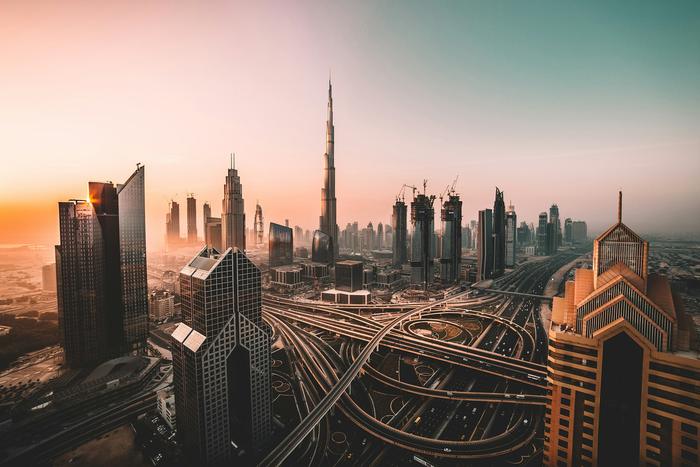
United Arab Emirates
Dubai and Abu Dhabi: superlatives, desert, and a stopover worth a few days of its own.
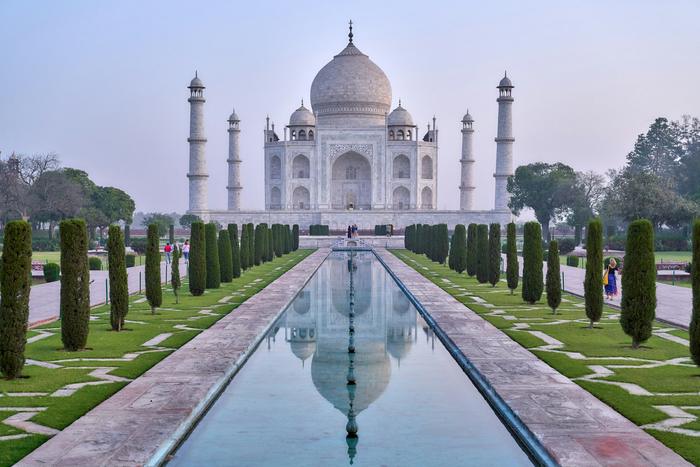
India
Overwhelming, beautiful, and utterly unlike anywhere else.
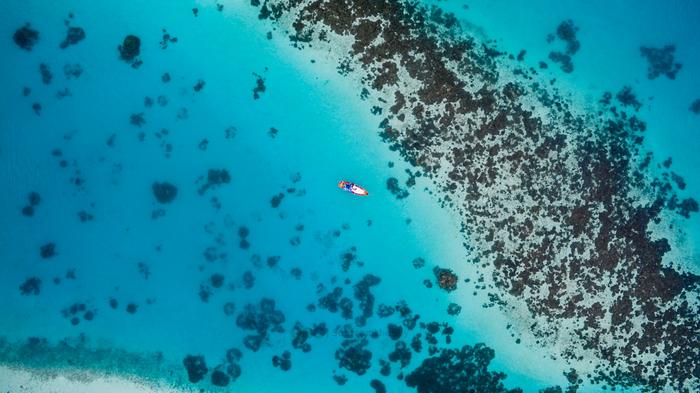
Maldives
One island, one resort, almost nothing to do. That is the point.
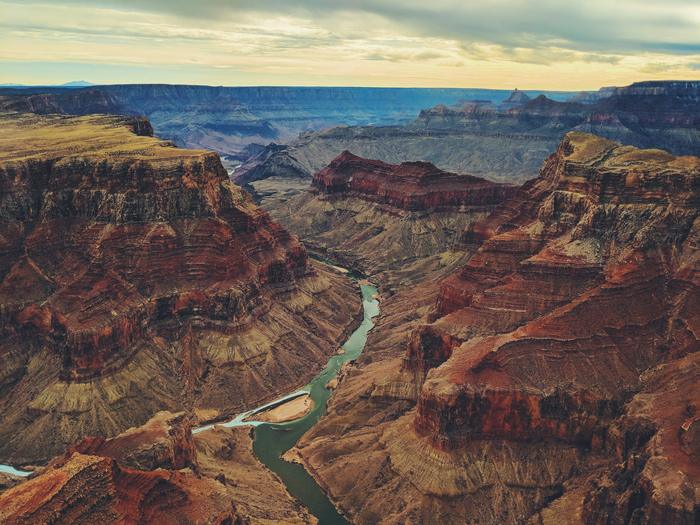
United States
A continent pretending to be a country — cities, deserts, and the best national parks anywhere.
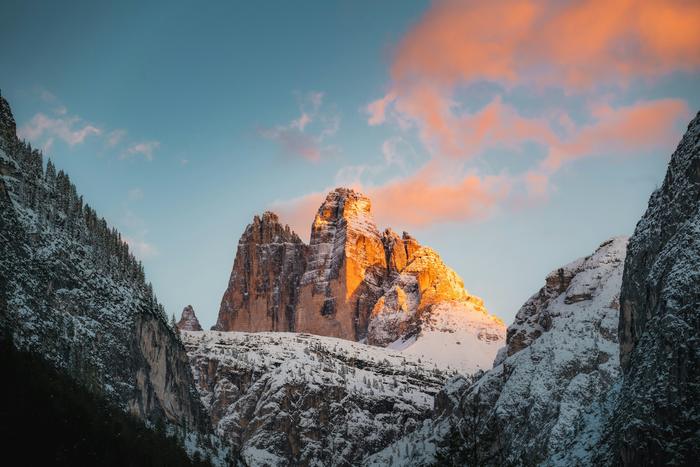
The Alps
The ski and alpine benchmark — every other mountain range is measured against this.
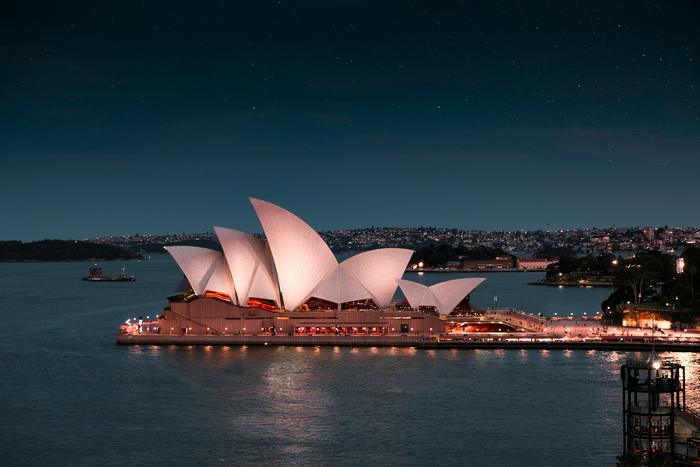
Australia
Vast, varied, relaxed. Reef, Sydney, and proper wilderness in one.
Not sure where to go
Take the 5-minute quiz
Answer a few honest questions and get matched to destinations that actually fit how you travel.
Start the quiz