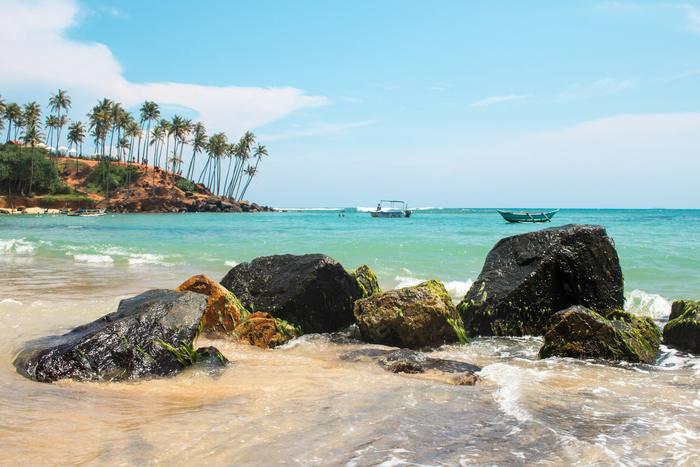
Sri Lanka vs Tunisia

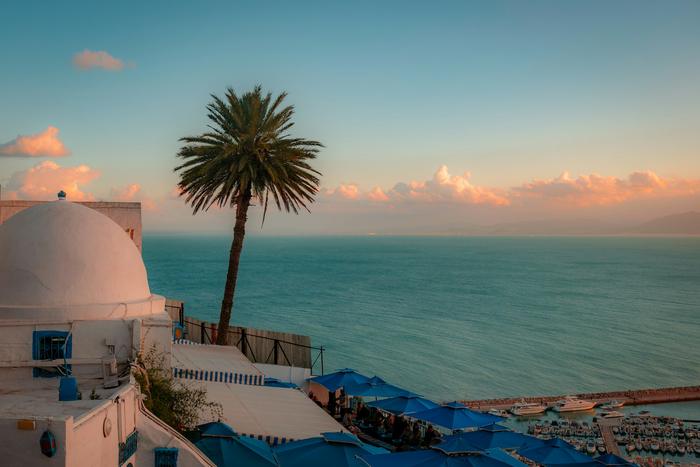
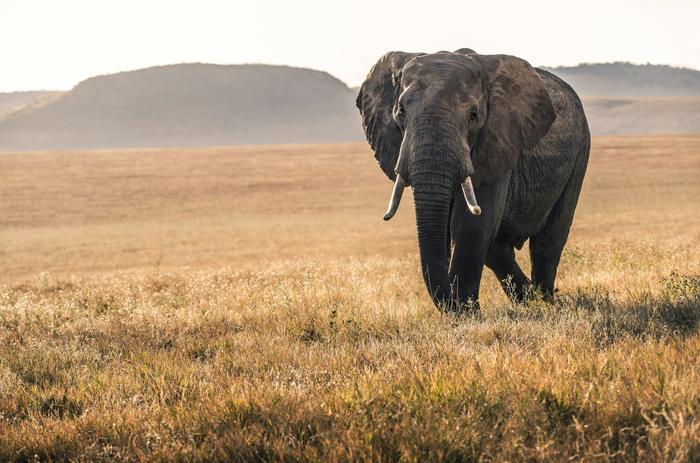
Two very different warm-weather, good-value trips on different continents. Sri Lanka is the tropical teardrop — tea-covered hills, ancient Buddhist temples, leopard-and-elephant safaris and palm-fringed beaches, all on a compact Indian Ocean island governed by a two-monsoon calendar. Tunisia is the North African sampler — Carthage and Roman ruins, the blue-and-white village of Sidi Bou Saïd, resort beaches and a slice of Sahara, in a compact Mediterranean country. One is a lush tropical island of tea, temples and wildlife; the other a Mediterranean-and-desert mix of ruins and beaches.

South Asia

Sri Lanka

Beaches, ancient ruins, tea country, and wildlife in one compact island.

Best time to visit
  1. January: peak
  2. February: peak
  3. March: peak
  4. April: fine
  5. May: avoid
  6. June: avoid
  7. July: fine
  8. August: fine
  9. September: fine
  10. October: avoid
  11. November: fine
  12. December: peak
Peak Fine Avoid
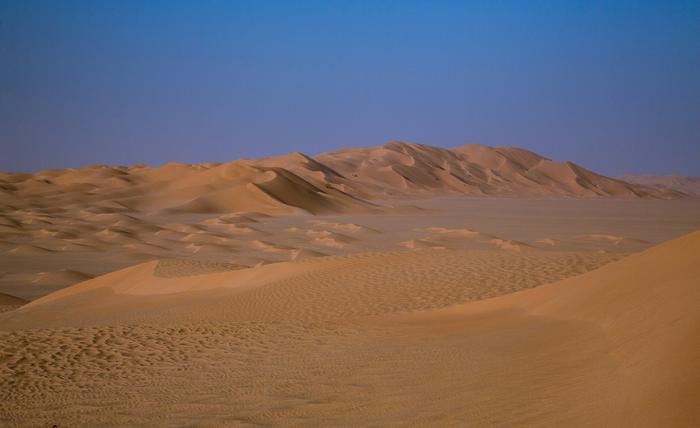
North Africa

Tunisia

Rome-grade ruins, real Sahara, and blue-and-white coast — a cheap hop from Europe.

Best time to visit
  1. January: fine
  2. February: fine
  3. March: fine
  4. April: peak
  5. May: peak
  6. June: peak
  7. July: fine
  8. August: fine
  9. September: peak
  10. October: peak
  11. November: fine
  12. December: fine
Peak Fine Avoid

Read our full guides about Sri Lanka and Tunisia.

Side by side

Emphasised where they differ. Muted rows are much the same either way.

Sri Lanka Tunisia
Best time December–March April–June, September, October
Climate warm warm
Budget Good value — a car-and-driver and the sights are the main costs Very good value — a short, affordable break (mind the closed dinar)
Trip length 2–5 wks 1–2 wks
Visa ETA required for most nationalities, applied online. Verify before travel. Visa-free for most Western passports (90 days). Verify before travel.
Currency LKR (Rupee). Roughly 295 LKR ≈ 1 USD. TND (Tunisian Dinar).
Language Sinhala and Tamil. English widely understood. Arabic and French; little English spoken.
Tap water Tap water not safe. Bottled or boiled. Drink bottled water.
Safety Generally safe. Watch for monsoon timing and tuk-tuk overcharging. Tourist areas and the main sights are fine with normal caution, but check government advisories and avoid the remote southern and western border regions near Libya and Algeria.

General guidance — visas, safety, and health change, so check your government's travel advisory and the official sources before you go.

The split

A tropical tea island, or a North African sampler

Two warm, good-value trips on different continents — one a lush Indian Ocean island of tea, temples and safari, the other a Mediterranean-and-Sahara mix of ruins and beaches.

Tropical vs Mediterraneanthe settingIndian Ocean monsoon island, or North African coast-and-desert
Safari vs Romethe drawLeopards, elephants and tea, or Carthage and Roman ruins
Island vs compact countrythe shapeA varied teardrop island, or an easy Mediterranean week

Sri Lanka is the tropical teardrop — tea-covered hills, ancient Buddhist temples, leopard-and-elephant safaris and palm-fringed beaches, on a compact island run by a two-monsoon calendar. Tunisia is the North African sampler: Carthage and Roman ruins, Sidi Bou Saïd, resort beaches and a slice of Sahara, in a compact Mediterranean country.

The operational detail — Sri Lanka’s ETA, two-monsoon timing and car-and-driver touring; Tunisia’s closed dinar and advisory geography — lives on the two guides: Sri Lanka, know before you go and Tunisia, know before you go. This page is the head-to-head.

The real difference

Tea, temples and wildlife, or ruins and desert

The trade: Sri Lanka offers a lush tropical island with safari and tea; Tunisia offers an affordable Mediterranean-and-Sahara break.

Sri Lanka wins on tropical variety and wildlife. Tea hills, the famous hill-country train, Buddhist temples and ruined cities, safari, and warm beaches make for a lush, varied island trip — good value, usually by car-and-driver, timed around the monsoons.

Tunisia wins on easy, cheap Mediterranean-and-ruins travel. A short week combines excellent Roman ruins with resort beaches and a desert taste, in a relaxed, affordable corridor. Choose the tropical tea-and-safari island, or the North African sampler.

Who suits which

Who each actually suits

Two warm, cheap trips — one leans tropical island, tea and safari, the other Mediterranean ruins and desert.

If you want…Sri LankaTunisia
Safari and wildlifeWins. Leopards, elephantsNot the draw
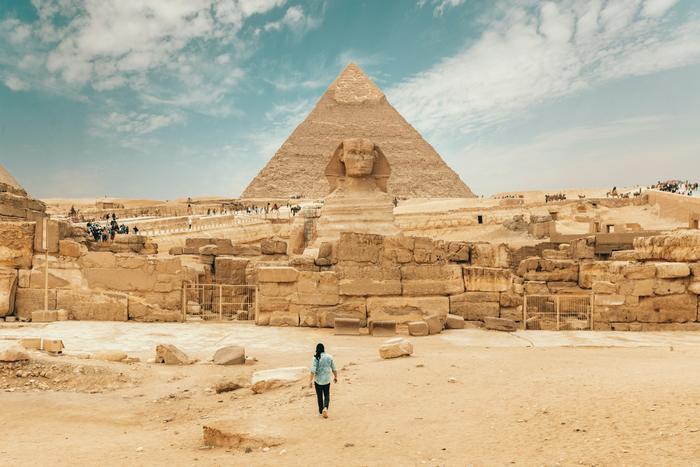
Roman ruinsOwn ancient citiesWins. Carthage, El Djem
Tea hills and scenic trainsWins. Kandy–EllaNo equivalent
A short, cheap Mediterranean breakA fuller tropical tripWins. Easy and affordable
Tropical beaches year-roundWins. (by monsoon coast)Summer Mediterranean
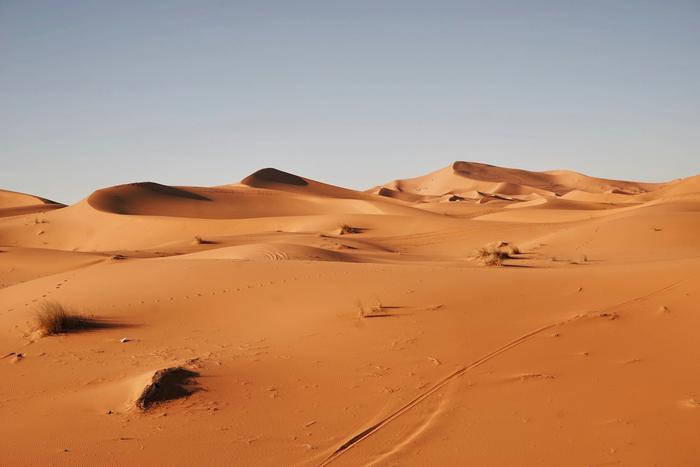
A slice of SaharaNo desertWins. Accessible desert

Doing both

Different continents — pick one

No sensible routing between them; entirely separate trips.

Sri Lanka and Tunisia are on different continents (the Indian Ocean and North Africa) with no sensible routing between them, so they’re entirely separate trips and you’d choose one. Tunisia compares more naturally within its own region (see Egypt vs Tunisia and Morocco vs Tunisia).

What we leave out

What we deliberately leave out

Exact prices beyond the structural comparison — both are good value and move with season — so the figures here are the shape of the difference, not a quote; the country guides carry the live detail. Each country’s volatile specifics (Sri Lanka’s ETA, monsoon timing and any supply situation; Tunisia’s closed dinar and advisory zones) are covered on its guide, to be checked before you commit, rather than restated here.

Sri Lanka or Tunisia, month by month

Which of the two is the better bet for each month of the year, scored on how well the season suits each place.

Which to choose

Choose Sri Lanka if:

  • Tea hills, Buddhist temples, safari and tropical beaches are the draw.
  • You want a lush, varied island with wildlife.
  • An Indian Ocean tropical trip over a Mediterranean one.

Choose Tunisia if:

  • Roman ruins, a blue-and-white coast and the Sahara appeal.
  • You want a short, cheap Mediterranean-and-desert break.
  • A North African sampler over a tropical island.

Common questions

What kind of trip is each?
Sri Lanka is a lush tropical island — hill-country tea plantations and the scenic Kandy–Ella train, ancient cities and Buddhist temples, leopard and elephant safaris, and warm Indian Ocean beaches, usually toured by car-and-driver. Tunisia is a compact North African country — the Roman ruins of Carthage, El Djem and Dougga, Sidi Bou Saïd, Mediterranean resort beaches and a taste of the Sahara. One is tropical tea-temples-and-wildlife; the other Mediterranean ruins-and-desert.
Which has the better beaches and weather?
Both have good beaches, in different seasons. Sri Lanka’s are tropical (warm year-round) but governed by two monsoons — the south/west coast is best December–March, the east May–September. Tunisia’s Mediterranean beach season is the European summer (June–September). For tropical beaches plus wildlife and tea country, Sri Lanka; for a Mediterranean beach-and-ruins break, Tunisia.
Which is better for history and wildlife?
They split. Tunisia wins on ancient history — superb Roman and Carthaginian sites. Sri Lanka wins on wildlife and its own ancient heritage — safaris (leopards at Yala, elephants at Udawalawe) plus Buddhist temples and ruined royal cities (Sigiriya, Anuradhapura). For Roman ruins, Tunisia; for safari and Buddhist heritage, Sri Lanka.
Do the entry and money rules differ?
Yes. Sri Lanka requires an ETA (now free for many nationalities but still a mandatory application via the official site), and uses the rupee. Tunisia is visa-free for 90 days but its dinar is a closed currency you can’t buy abroad (reconvert with receipts before leaving). The guides carry the specifics: Sri Lanka and Tunisia.
Can I combine them?
No — they’re on different continents (the Indian Ocean and North Africa) with no sensible routing, so they’re entirely separate trips and you’d choose one. Each compares more naturally within its own region — Tunisia with Egypt and Morocco.

Still undecided

Take the quiz

Three matches. Often answers comparison questions for you.

Start the quiz