United Arab Emirates
Dubai and Abu Dhabi: superlatives, desert, and a stopover worth a few days of its own.
The UAE is built for the short, easy trip — world-class infrastructure, reliable winter sun, and two cities competing on scale. Dubai is the spectacle: malls, towers, beach clubs, and open desert an hour away. Abu Dhabi runs calmer and leans into culture. Skip the summer; the heat is no joke.
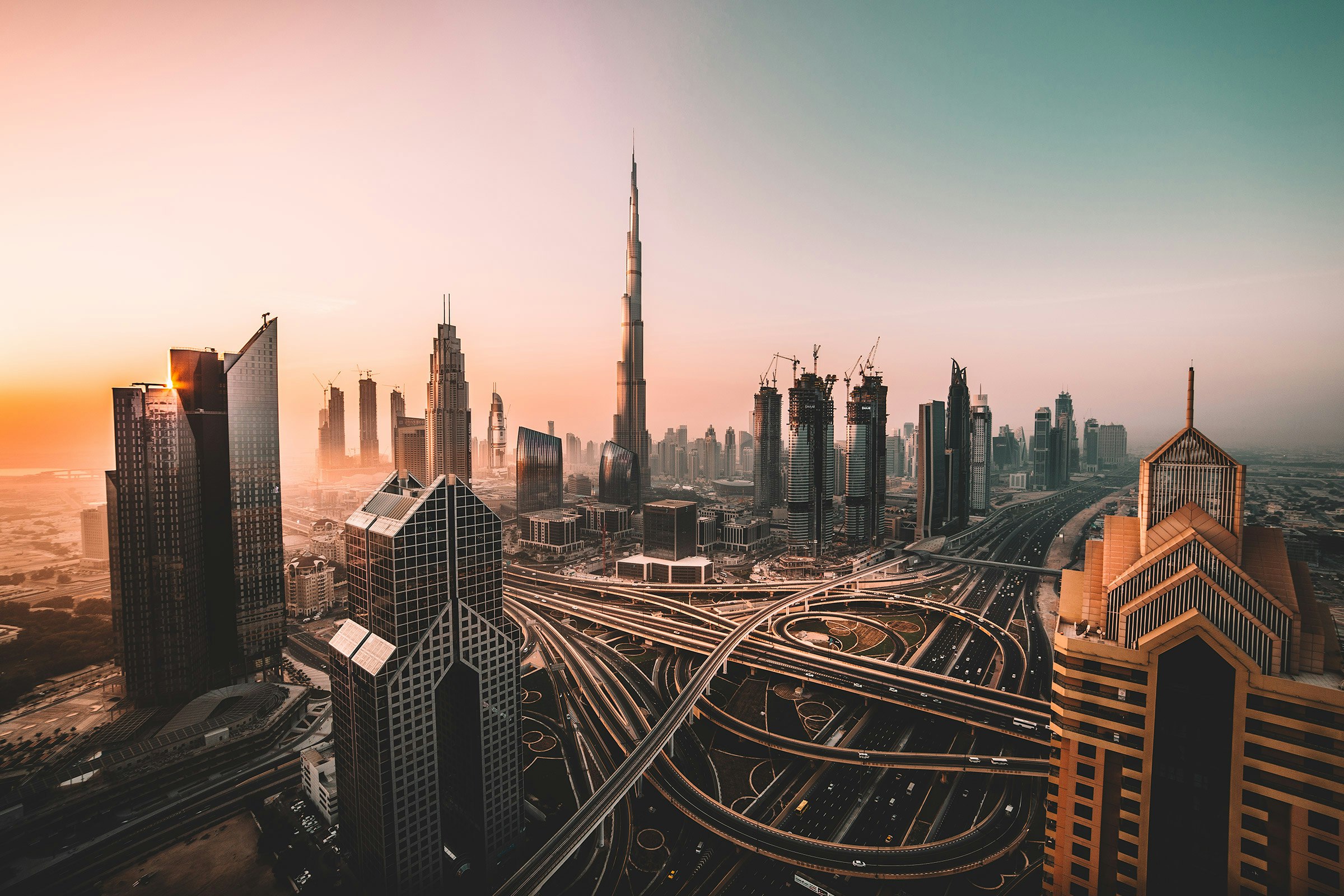
Days here are engineered: beach in the morning, mall when the heat peaks, rooftop dinner after dark. Mix the spectacle — Burj Khalifa, the marina, the fountain shows — with old Dubai, where abras still cross the creek to the spice and gold souks for pocket change. Drive out for a desert evening, and give Abu Dhabi a full day for the Grand Mosque and the Louvre. Hotels are the spend, and winter rates climb with the demand.
Know what you're buying: this is a built environment, not an old one. Street life is thin, walking between places is often impossible, alcohol is expensive and confined to licensed venues, and from May to September the outdoors effectively closes. Travellers who measure a place by its wandering — crooked lanes, accidental discoveries — will leave unsatisfied. As a frictionless winter-sun stopover with genuinely good food and service, though, it does exactly what it promises.
Highlights
-
Dubai
Old souks and creek abras on one side, record-breaking towers on the other.
-
Abu Dhabi
Louvre Abu Dhabi, the Grand Mosque, and a slower pace than its neighbour.
-
The desert
Dune drives, Bedouin-style camps, and real silence half an hour out.
-
Beaches & islands
Warm Gulf water and resort sand from November to March.
Practical info
- Visa
- Visa-free or visa-on-arrival for most Western passports (30-90 days).
- Currency
- AED (Dirham), pegged at roughly 3.67 AED ≈ 1 USD.
- Language
- Arabic. English is near-universal.
- Safety
- Among the safest countries anywhere; respect local laws and dress codes.
- Getting around
- Dubai Metro and cheap taxis; hire a car for Abu Dhabi and the desert.
- Tap water
- Tap water is desalinated and safe; most people drink bottled.
- Plug type
- Type G 230V
- Money
- Cards accepted everywhere.
General guidance — visas, safety, and health change, so check your government's travel advisory and the official sources before you go.
Common questions
- Do you need a visa for the UAE?
- Most Western travellers don’t — around fifty nationalities (the UK, US, Canada, Australia, all EU/Schengen, and more) get free visa-free entry stamped on arrival, now often for 90 days. Everyone else applies for an eVisa in advance. It is far easier than Saudi, where most tourists pay for a visa first. The list is expanding, so check u.ae for yours.
- When is the best time to visit the UAE?
- November to March — warm, dry, comfortable. June to September is brutal: Dubai highs near 40°C that don’t drop below 32°C at night, with humidity pushing the heat index past 50°C, so summer is an indoor season of malls, museums and discounted hotels.
- Can you drink alcohol in the UAE?
- Yes, in licensed venues — hotel bars, restaurants and clubs — for non-Muslims aged 21+, and the personal licence requirement was dropped in 2023. But it is expensive: Dubai’s 30% alcohol tax returned in January 2025, so a beer runs $12 or more, and public intoxication is a genuine offence. Sharjah is entirely dry.
- Is the UAE cheaper or pricier than Saudi Arabia?
- Pricier — roughly 20–30% more on hotels, dining and transport, before you add the cost of alcohol, which Saudi doesn’t have at all. But the UAE has a genuine budget tier Saudi lacks: the metro, hostels and cheap Deira eats make a low-cost trip possible. See our full comparison.
- Is Dubai or Abu Dhabi better to base in?
- Dubai for a first trip — a driverless metro, the densest sights, and the easiest to do without a car. Abu Dhabi is slower and more spread out with no metro, so it leans on taxis; it wins for the Grand Mosque, the Louvre and Saadiyat’s museums. They’re about 90 minutes apart, so many people do both.
Getting in
For most travellers, the visa is a passport stamp
This is the easiest entry in the Gulf — and the clearest single contrast with Saudi next door.
Around fifty nationalities — the UK, US, Canada, Australia, every EU/Schengen state, plus Japan, Korea, China and others — get free visa-free entry stamped at the airport, increasingly for 90 days within a 180-day window rather than the old 30. Everyone else applies for an eVisa in advance through the government apps or their airline. The list keeps expanding, so it is worth a last-minute check on u.ae, but for most Western travellers there is nothing to arrange. Passports need six months’ validity, and visit visas extend twice by 30 days without leaving.
When to go
Half the year is an indoor season
The heat here isn’t a caveat — from June it decides everything you can do.
54°C Dubai’s midsummer heat index — temperature plus humidity
Ramadan changes the rhythm rather than closing the city: no eating, drinking or smoking in public during daylight, and some venues keep shorter hours, but hotels and most restaurants stay open (often screened), licensed bars still serve in the evening, and nights come alive with iftar. It shifts about eleven days earlier each year — in 2027, roughly early February to early March.
The rules
Liberal for the Gulf, but not without lines
Dubai feels permissive — and then a rule you didn’t know about is enforced hard. The gap is where tourists get caught.
What’s relaxed: alcohol is legal in licensed venues for over-21s and the personal-licence requirement was dropped in 2023; unmarried couples have been able to cohabit legally since the 2020 personal-status reforms, and hotels don’t ask for a marriage certificate; swimwear is fine at the beach and pool. What isn’t: public intoxication is a real offence even when the drink was legal — it can mean detention — and drinking in a park or on the street is out. In malls, souks and public buildings, modest dress (shoulders and knees covered) is expected, and public displays of affection beyond hand-holding draw complaints.
Two cost-and-conduct facts that surprise people. Dubai’s 30% alcohol tax is back — suspended for a 2023–24 trial, reinstated 1 January 2025 — so a bar beer runs around $12 and a night out adds up fast. And Sharjah, the emirate next to Dubai, is entirely dry: no alcohol sold, possessed or consumed, which catches people staying there for cheaper hotels.
Getting around
Dubai runs on a metro; Abu Dhabi runs on taxis
One city is genuinely car-free; the other really isn’t — and that shapes where you base.
Dubai is the easy one: the driverless Metro’s Red Line links the airport, Downtown and Burj Khalifa, the Marina and Expo City, you tap in with a Nol card for a few dirhams, and taxis plus Uber and Careem fill the gaps. Abu Dhabi has no metro — its sights are dispersed and it leans on taxis, so a car or a lot of ride-hailing is the reality there. Between the two, public coaches run about 90 minutes for a flat AED 25 (Nol card only).
The change to watch is Etihad Rail’s passenger service, which is arriving in phases through 2026: the first route opens mid-year, the Dubai station is targeted for late September, and a ~57-minute Dubai–Abu Dhabi link is the promise — but it is not fully live at the start of the year, so confirm the status before relying on it.
The big sights
Book the towers ahead; the mosque is free but timed
The headline sights are timed-ticket and sell out — and one of the best costs nothing.
The Sheikh Zayed Grand Mosque in Abu Dhabi is free, but needs a pre-booked timed slot and enforces a strict dress code — modest, ankle-to-wrist, and women must cover their heads, one of the few places in the UAE where that is required. The paid headline sights are timed-ticket and sell out days ahead in season: Burj Khalifa’s At the Top decks (from around AED 169, more for sunset and the higher Level 148), Dubai’s Museum of the Future (AED 169, regularly sold out), and the Louvre Abu Dhabi (around AED 65, closed Mondays).
The desert safari — dune drive, camel ride, BBQ dinner — is the standard tourist half-day, typically AED 130–250 a person and pricier in peak season. The engineered islands are a category of their own: Palm Jumeirah is fully built out, Bluewaters holds the 250-metre Ain Dubai observation wheel, and the World Islands are reachable only by boat.
Costs
Genuinely cheap or genuinely expensive — your call
The luxury reputation is real but optional. The hidden costs are the ones to plan for.
The UAE spans the full range: the metro costs a few dirhams, Deira and Bur Dubai serve excellent South Asian meals for $6–8, and hostels exist — so a genuinely budget trip is possible, unlike Saudi’s thin budget tier. But two hidden costs bite. Alcohol is expensive with the 30% tax back — a bar beer is $12-plus, and drinking can add $50 a day, the single biggest swing versus dry Saudi. And a per-night Tourism Dirham (AED 7–20 by hotel rating in Dubai; a 4% tourism fee in Abu Dhabi) is added at checkout on top of the room rate.
What to expect
What travellers actually complain about
Every guide sells the superlatives. These are the recurring gripes.
The summer heat traps you indoors — June to September visitors describe bouncing between air-conditioned malls and taxis, unable to use the outdoors, and it’s the humidity they single out, not just the temperature. Everything can feel manufactured — the sights are largely engineered, the islands, the indoor ski, the world’s-biggest-everything — which some travellers find soulless next to older Middle-Eastern destinations. Abu Dhabi’s distances and car-dependence frustrate people expecting Dubai’s walkable metro. And two money gripes recur: the cost of alcohol and eating out, worsened by the 2025 tax, and persistent timeshare and tour touts at malls and tourist spots — verify any operator before you pay.
Sources
Where this comes from
The detail above was read off primary sources on — operator timetables, municipal ordinances, regional tourism boards, national statistics offices and first-hand traveller reports, rather than other travel articles. Researched and maintained by Dmitrii Romashchin — how we research.
Compare United Arab Emirates with
If you like United Arab Emirates, also consider
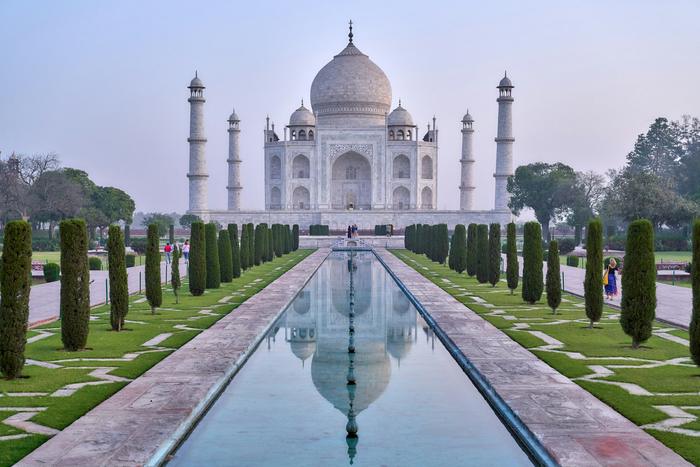
India
Overwhelming, beautiful, and utterly unlike anywhere else.
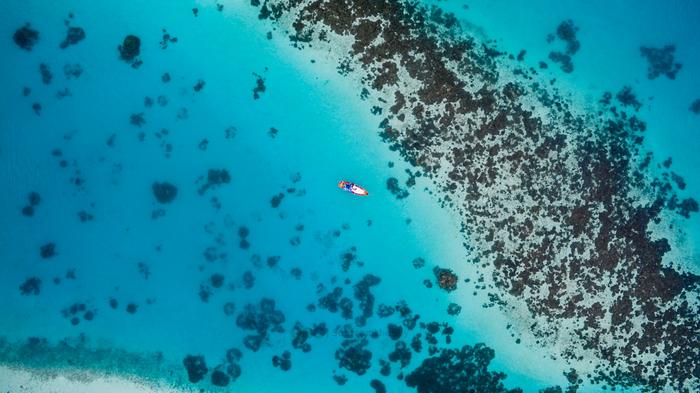
Maldives
One island, one resort, almost nothing to do. That is the point.
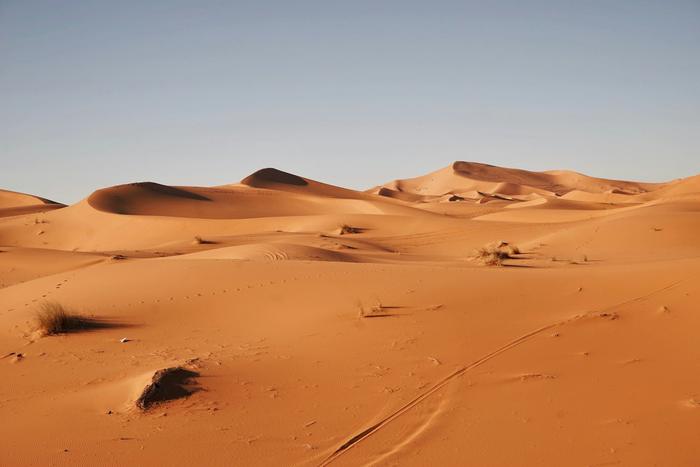
Morocco
Medinas, desert, mountains, and coast — sensory and varied.
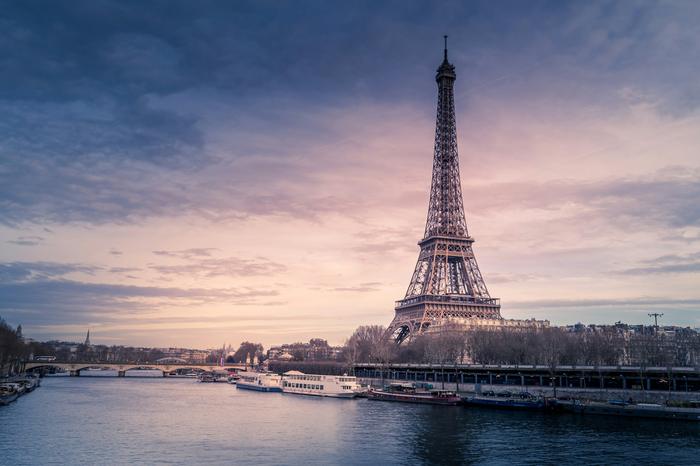
France
Paris is only the opening act — wine country, the Alps, and two coastlines.
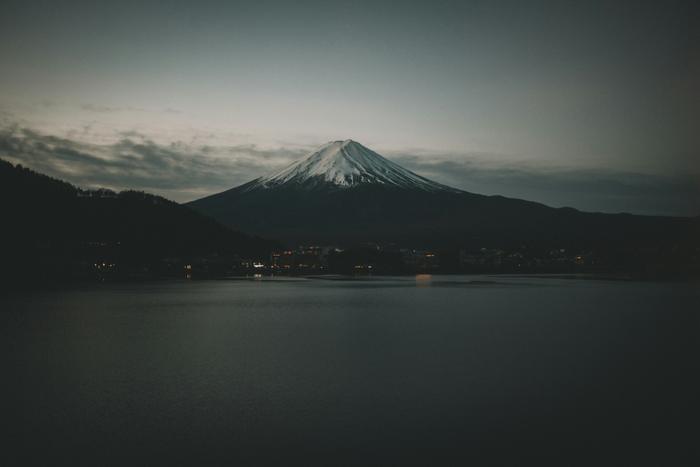
Japan
Extraordinary food, culture, and cities. Nothing quite prepares you for it.
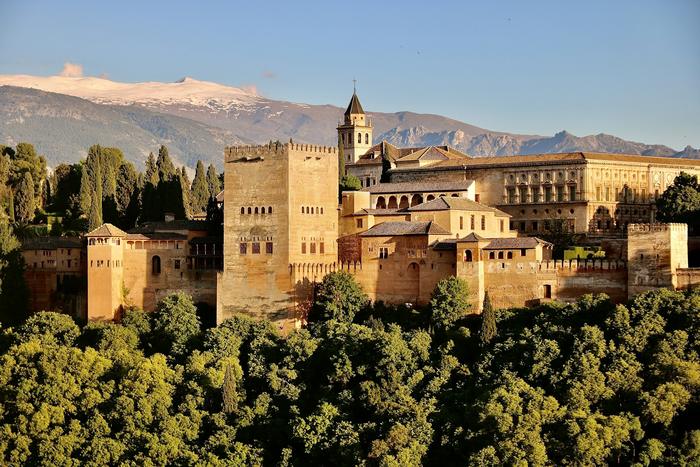
Spain
Food, beaches, and three or four cities that each justify the trip.
Not sure where to go
Take the 5-minute quiz
Answer a few honest questions and get matched to destinations that actually fit how you travel.
Start the quiz