Madeira
A steep, green volcanic island in the Atlantic — spring-like all year and built for walkers.
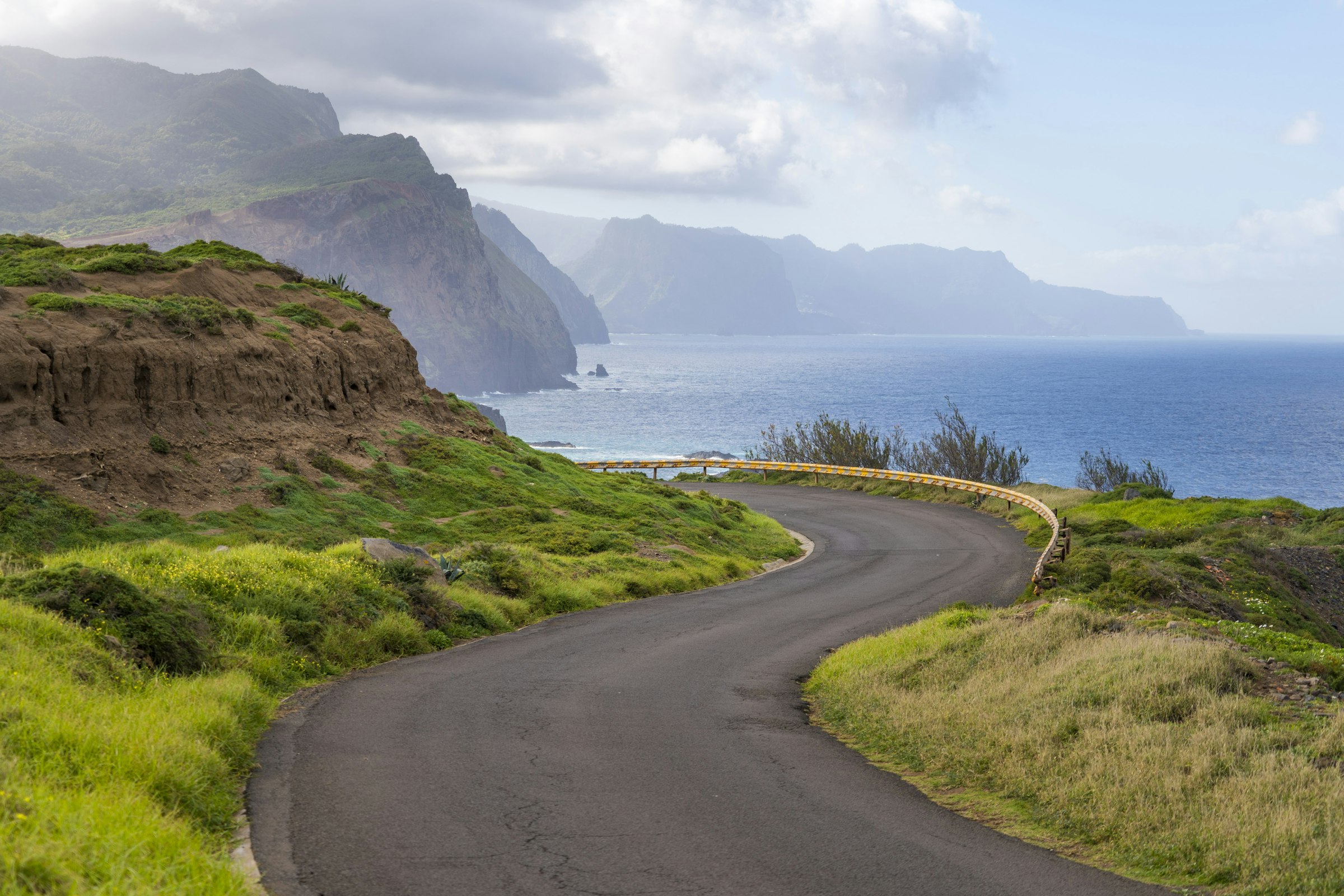
Madeira is a mountain that rises straight out of the Atlantic off the coast of Africa — a Portuguese island of near-vertical green ridges, cloud forest, and a coastline of black volcanic rock. It has no real beaches to speak of and doesn't pretend to; the draw is the walking. A subtropical climate keeps it mild and flowering all year, and a network of levada trails threads the whole island, making it one of Europe's best hiking destinations without the seasonal lock.
Base in Funchal, the handsome capital that tumbles down to the harbour, then head up and out. The set-piece hike is the ridge walk from Pico do Arieiro to Pico Ruivo, along the spine of the island above the clouds. The levadas — centuries-old irrigation channels — come with flat paths beside them, so you can walk for hours on gentle grades through the ancient laurisilva cloud forest (a UNESCO site) or out to remote waterfalls. Elsewhere there's the eerie burnt woodland of Fanal, the natural volcanic swimming pools at Porto Moniz, the knife-edge Ponta de São Lourenço peninsula, and the local drinks — poncha and Madeira wine. It's compact enough to see a lot in a week, but the roads are steep and winding, so a car or transfers help.
The honest part: don't come for a beach holiday — there's almost no sand, the sea is cool and rough, and swimming means volcanic pools or lidos. The weather is a genuine variable: the north and the peaks catch cloud and rain while the south stays sunny, and a booked ridge walk can vanish into fog, so flexibility matters. Nightlife is quiet and it skews toward an older, walking-and-gardens crowd. But for hikers it's outstanding value and works nearly year-round — spring-like in January, warm through October — which almost nowhere else in Europe manages.
Highlights
-
Pico do Arieiro to Pico Ruivo
The island’s great ridge walk, along the spine of the peaks above a sea of cloud.
-
Levada trails
Flat paths beside centuries-old irrigation channels lead through cloud forest to hidden waterfalls.
-
Funchal
The capital: a harbour city of gardens, markets, a cable car, and toboggan runs down the hillside.
-
Fanal forest
A high plateau of ancient, twisted laurel trees that turns otherworldly when the mist rolls in.
-
Porto Moniz
Natural swimming pools carved into black volcanic rock on the wild northwest coast.
-
Ponta de São Lourenço
A bare, wind-scoured peninsula of red-and-ochre cliffs at the island’s eastern tip — its best coastal walk.
Practical info
- Visa
- Portugal (Schengen) — visa-free for most Western passports (90 days). Verify before travel.
- Currency
- EUR (€).
- Language
- Portuguese; English widely spoken in tourism.
- Safety
- Very safe; ordinary precautions only.
- Getting around
- Rent a car or use transfers — roads are steep and winding; buses are slow between villages.
- Tap water
- Tap water is safe.
- Plug type
- Type C Type F 230V
- Money
- Cards accepted widely.
General guidance — visas, safety, and health change, so check your government's travel advisory and the official sources before you go.
Common questions
- Does Madeira have beaches?
- Barely any natural sand — the coast is volcanic cliff and pebble. You swim in lava pools (Porto Moniz, €3) and seafront lidos; the only true golden sand is imported at Calheta and Machico, or on Porto Santo’s ~9 km beach, a ferry away. The full picture is in the swimming section.
- Do I have to book the trails now?
- Yes — since 1 January 2026 the classified PR trails (Levada das 25 Fontes, Risco, Pico do Arieiro–Pico Ruivo, Ponta de São Lourenço) need a paid, timed slot booked via the SIMplifica portal — €4.50 for a standard walk, €10.50 for the full PR1 ridge. Rangers check a QR code. See the levadas section.
- Which is the highest peak?
- Pico Ruivo at 1,862 m, reached on the famous ridge walk from Pico do Arieiro (1,818 m) — the PR1, one of the island’s signature hikes and the one with the higher trail fee.
- Do I need a hire car?
- Effectively yes — the sights are dispersed on steep, tunnelled roads. You can base car-free in Funchal and use buses and the cable car, but a car is what unlocks the trailheads and the north coast. There’s no railway.
- When is the best time to go?
- Almost any time — it’s mild year-round (“eternal spring”, ~16–25°C). Go spring or autumn for walking and whales, favour the sunnier south over the cloudy north and peaks, and book far ahead for the famous New Year’s Eve fireworks.
- How do I get to the sandy beach?
- The Lobo Marinho ferry from Funchal to Porto Santo (~2h15–2h30, about €30–44 one-way), or a ~15-minute flight. Porto Santo’s ~9 km of golden, mineral-rich sand is the real beach the main island lacks — see the Porto Santo section.
Levadas
The walking island, now a paid booking
Madeira’s irrigation-channel paths are the whole point — and since 2026 the famous ones are ticketed and timed.
| Trail / pass | Covers | Fee |
|---|---|---|
| Standard PR trail | One classified walk (25 Fontes, Risco, São Lourenço) | €4.50 |
| PR1 Arieiro → Ruivo | The full ridge to the 1,862 m summit | €10.50 |
| Daily combined | Two or more trails (excludes PR1) | €9.00 |
| 3-day / 7-day pass | Multiple walks over the stay | €22.50 / €52.50 |
Fees from the IFCN/visitmadeira 2026 scheme, booked via the SIMplifica portal (30-minute timed entry slots); residents register free, and IFCN-protocol tour operators pay €3 a visitor. Re-check before travelling — the scheme is new.
The booking isn’t the only reason to check trail status: the August 2024 wildfires burned 5,116 ha and closed the 25 Fontes, Risco and other levadas for a spell, and fire and landslide closures recur. Book your slot early for the popular walks — Arieiro–Ruivo and 25 Fontes sell out — and confirm the trail is actually open the week you go.
Swimming
Almost no beaches — here’s where you get in
Madeira is volcanic cliff, not sand — the swimming is lava pools, lidos and imported beaches.
Almost none natural sand on the main island
Set expectations before you book a “beach” hotel: Madeira’s shoreline is dramatic volcanic cliff, and the classic way into the water is a natural lava pool — the maintained pools at Porto Moniz on the north-west tip are the set-piece, a few euros to enter, with wilder free pools beside them. Funchal’s lidos do the same job in town.
The island’s only true sand is manufactured — the golden beaches at Calheta and Machico were built with imported sand behind breakwaters in the 2000s. They’re pleasant and family-friendly, but small; the genuine 9 km beach is a ferry away on Porto Santo.
- You just want to swim in the seaSkiphunting for sand that isn’t thereGothe Porto Moniz lava pools, or a Funchal lido (Lido, Barreirinha)
- You want to lie on golden sandSkipthe main island’s rocky coastGothe imported beaches at Calheta and Machico
- You want a proper beach daySkipsettling for a coveGothe Lobo Marinho ferry to Porto Santo’s 9 km of sand
If sun-and-sand is the main point of your trip, Madeira is the wrong island on its own — pair it with a few nights on Porto Santo, or pick the Canaries instead. Madeira earns its keep on the levadas, the peaks and the flowers, with the water as a cool-off rather than the holiday.
Funchal & sights
The capital, the cable car and the toboggan
Funchal packs the island’s set-pieces — a cable car to Monte, a wicker toboggan down, and Europe’s highest sea-cliff skywalk nearby.
Base in Funchal and the island’s greatest hits are on the doorstep. Ride the cable car up to Monte, then come down the famous way — the carros de cesto, a wicker toboggan steered down the hill by two white-clad carreiros. Wander the Mercado dos Lavradores for fish, tropical fruit and the poncha stalls, and drive out to the Cabo Girão skywalk, a glass floor cantilevered over one of Europe’s highest sea cliffs.
It’s a compact, walkable capital, and the one place on the island where a car is genuinely optional — the cable car, the gardens and the old town are all close at hand.
| Sight | What it is | Price |
|---|---|---|
| Monte cable car | Funchal up to Monte, over the rooftops | €14.50 one-way / €20 return |
| Carros de cesto | The Monte wicker-toboggan run, two carreiros steering | €40 for two (from May 2026) |
| Cabo Girão skywalk | Glass platform over a ~580 m sea cliff | Free |
| Botanical Garden | 2,000+ species on the old Reid estate | ~€7.50 |
| Mercado dos Lavradores | The 1940 workers’ market — fish, fruit, flowers | Free |
Read October 2026; new glass-bottom cable-car cabins (from April 2026) cost more, and a separate Monte–Botanical Garden cable car runs ~€12.50 return.
The toboggan rose to €40 for two from 1 May 2026 (it was €35), and it’s a ~2 km, ten-minute run, not a theme-park ride — charming and a little absurd rather than thrilling. Buy the cable-car one-way up if you plan to toboggan or walk back down, rather than paying for the return you won’t use.
Getting there
A runway on stilts, then a hire car
The approach is a famously tricky airport; the island itself is tunnels and hairpins.
Flights land at Madeira Airport, whose over-water runway on stilts and crosswind approaches are a byword among pilots — diversions to Porto Santo or the Canaries happen in bad weather, so build a little slack into tight connections. From Lisbon it’s about 1h40; it’s euro, Schengen, with the EES system now live.
On the ground, a hire car is what makes the island work — the levada trailheads, the north coast and the viewpoints are spread across steep, heavily tunnelled roads. Funchal is the exception, manageable car-free on buses and the cable car.
| Journey | How | Time |
|---|---|---|
| Lisbon → Funchal | Flight | ~1h40 |
| Funchal ↔ Porto Santo | Lobo Marinho ferry | ~2h15–2h30 |
| Funchal ↔ Porto Santo | Flight | ~15 min |
| Around the island | Hire car on tunnelled roads | No railway |
Madeira (Cristiano Ronaldo) Airport’s 2,781 m runway is extended over the sea on ~180 columns ~70 m tall — hence the notorious crosswinds. Euro and Schengen, with EES live at Funchal.
If your flight is early-season or in winter, know that the airport’s crosswinds cause genuine diversions — it’s not a myth. Nothing to do but allow buffer on connections and not panic if the captain warns of a go-around; it’s routine here.
When to go
Eternal spring, with a micro-climate catch
Mild in every month — but the south and north are different islands weather-wise.
16–25°C the year-round coastal band
Mild all year (16–25°C). The New Year’s Eve fireworks from Funchal harbour — a former Guinness world record of 65,000+ fireworks — are the island’s signature, so book accommodation months ahead for 31 December.
Madeira’s selling point is that it works in any month — the “eternal spring” is real, with coastal temperatures rarely leaving the high teens to mid-twenties. The catch is the micro-climate split: the sheltered south (Funchal) is sunny while the north coast and the peaks draw cloud and rain, heaviest October to December.
Time a visit to the Flower Festival in late spring or the Atlantic Festival fireworks in June for the island at its most festive, and come in spring or autumn for the best walking and the whale-watching season. The one date that needs planning far ahead is New Year’s Eve, when Funchal’s record-setting fireworks fill the rooms months out.
Porto Santo
The sandy island next door
The beach Madeira lacks is a ferry away — 9 km of golden, therapeutic sand.
Porto Santo is Madeira’s answer to the missing beach: a low, dry island ~40 km north-east with nine kilometres of uninterrupted golden sand, repeatedly rated among Europe’s best. The sand itself is a draw — biogenic and mineral-rich, used locally in hot-sand therapy for aching joints.
It makes an easy day trip or an overnight add-on: the Lobo Marinho ferry leaves Funchal in the morning for the 2h15–2h30 crossing, with a ~15-minute flight as the quick alternative. Come here to swim and laze; the main island is where you walk.
Decide day-trip versus overnight before you book: the single daily ferry makes a day visit a long, tightly-timed outing (out in the morning, back in the evening), so if the beach is a real priority, an overnight turns the crossing from a chore into part of the trip.
Money & costs
Moderate, with fees that add up
Cheaper than you’d expect for an Atlantic island — the spend is fees and the car, not the room.
Madeira is moderate by European standards — in many ways cheaper than resort mainland Portugal — and the costs that mount up are the levada trail fees, the Funchal cable car and toboggan, and the Porto Santo ferry, rather than the rooms or the food. A nightly tourist tax of €2, capped at seven nights, is being rolled out municipality by municipality (Funchal since late 2024), but it’s a footnote.
The practical budget line is a hire car, which the dispersed trailheads and viewpoints effectively require, plus the stack of small walk-and-sight fees. None of it is steep individually; it simply pays to know the fees exist before you arrive, and to buy the levada slots and Porto Santo crossing ahead.
The levada booking fees are modest per walk but add up over a hiking week — if you’ll do several trails, the 3-day (€22.50) or 7-day (€52.50) SIMplifica pass beats paying €4.50–10.50 a time. Work out your walks before you book the slots.
Food & wine
Madeira wine, poncha and espetada
The island’s table is distinctive — a fortified wine that made it famous, a cane-spirit punch, and beef on a bay-laurel skewer.
Madeira’s food tells its history. The island grew rich first on sugar and then on Madeira wine — the oxidised, heat-aged fortified wine still shipped worldwide — and a cellar tour in Funchal (Blandy’s and others) is a genuine highlight. The everyday drink is poncha, sugarcane spirit mixed with honey and lemon and stirred with a wooden mexelote, best had standing up at a roadside bar.
On the plate, the signatures are espetada — chunks of beef skewered on a bay-laurel branch and grilled — and bolo do caco, a garlic-buttered flatbread. The Laurisilva, the ancient laurel forest that gives the wood its aroma, is itself a UNESCO World Heritage site covering a fifth of the island, and the levadas thread right through it.
Buy poncha and Madeira wine from a producer or a village bar rather than an airport shelf — the fresh poncha at a mountain poncha bar bears little resemblance to the bottled tourist version, and the wine lodges in Funchal let you taste across the sweetness styles before you commit.
Compare Madeira
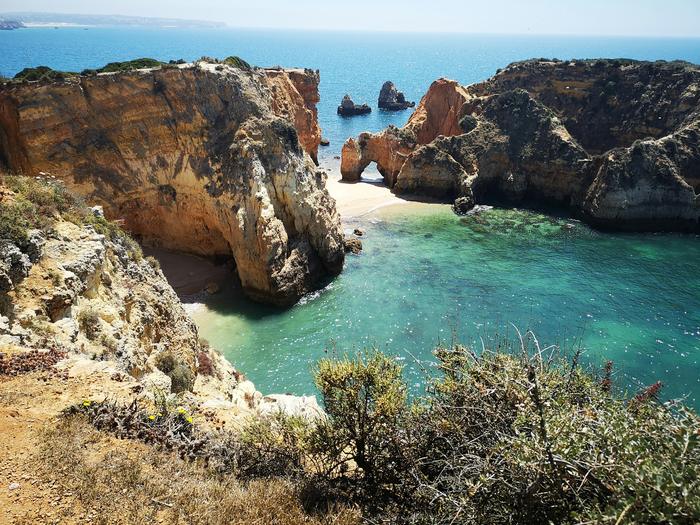
If you like Madeira, also consider

France
Paris is only the opening act — wine country, the Alps, and two coastlines.

Italy
The benchmark for food, history, and beauty.

Greece
Ruins in the morning, a swim by noon, taverna until dark.
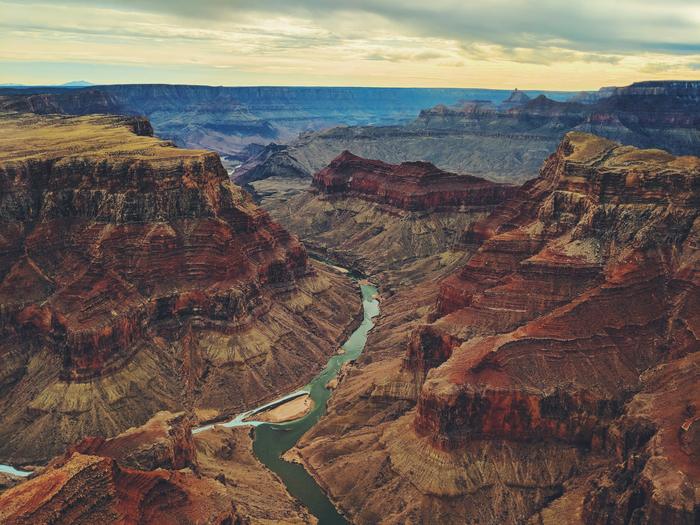
United States
A continent pretending to be a country — cities, deserts, and the best national parks anywhere.
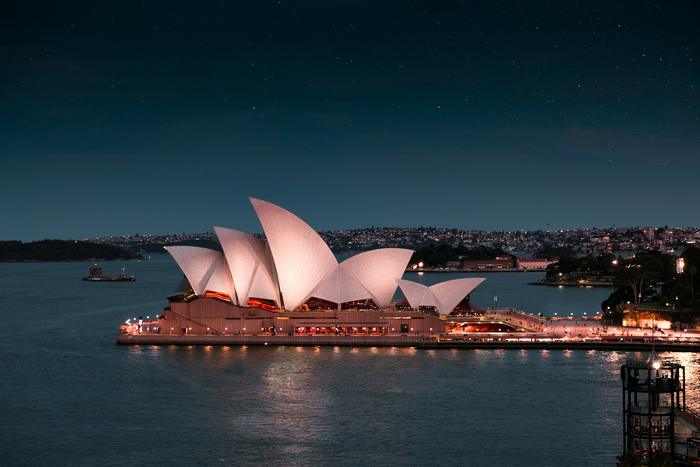
Australia
Vast, varied, relaxed. Reef, Sydney, and proper wilderness in one.
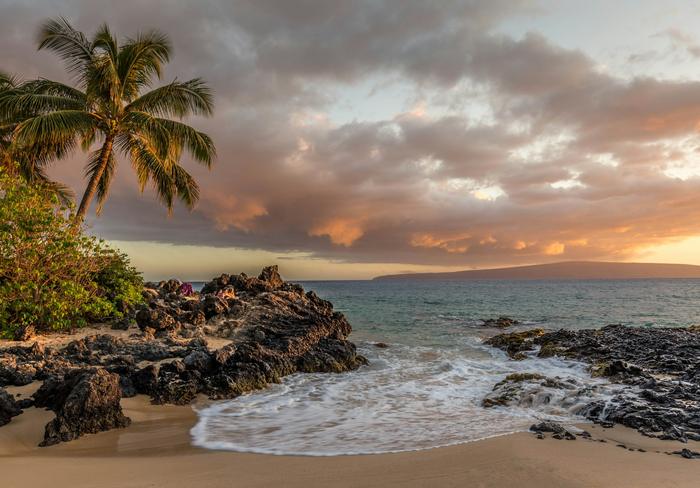
Hawaii
A handful of islands where the landscapes and the ocean genuinely earn the flight.
Not sure where to go
Take the 5-minute quiz
Answer a few honest questions and get matched to destinations that actually fit how you travel.
Start the quiz