Cook Islands vs Maldives

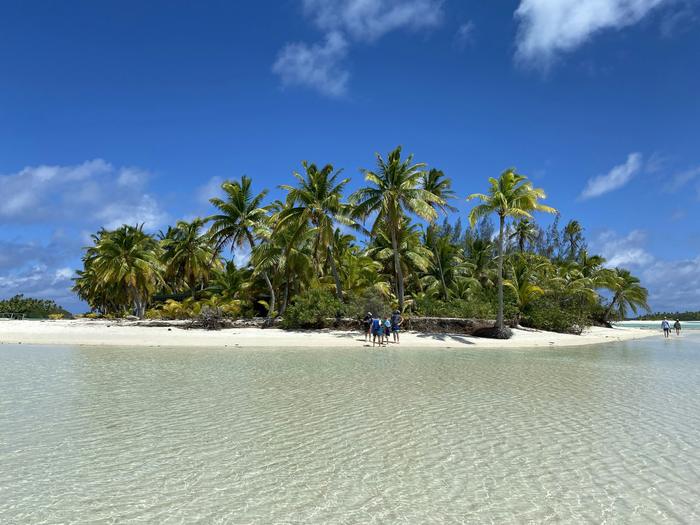
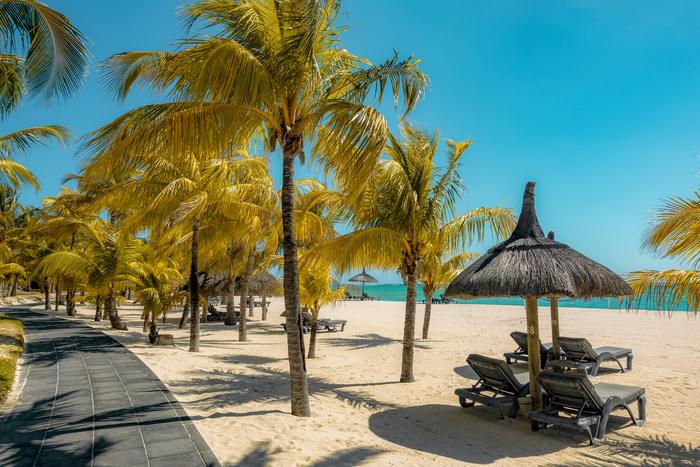
Both put you on an extraordinary lagoon, but the holidays are opposites. The Cook Islands are lively and affordable: Rarotonga’s beaches and interior, the Aitutaki lagoon, island nights and markets, all English-speaking and relaxed. The Maldives are flat, luxurious and still: one resort-island, often an overwater villa, where you swim, dive and switch off. A world-class lagoon with things to do, or premium do-nothing seclusion.

Oceania

Cook Islands

The lagoon of your dreams, at a fraction of Bora Bora money.

Best time to visit
  1. January: avoid
  2. February: avoid
  3. March: fine
  4. April: fine
  5. May: peak
  6. June: peak
  7. July: peak
  8. August: peak
  9. September: peak
  10. October: peak
  11. November: fine
  12. December: avoid
Peak Fine Avoid
South Asia

Maldives

One island, one resort, almost nothing to do. That is the point.

Best time to visit
  1. January: peak
  2. February: peak
  3. March: peak
  4. April: peak
  5. May: fine
  6. June: avoid
  7. July: avoid
  8. August: avoid
  9. September: avoid
  10. October: fine
  11. November: peak
  12. December: peak
Peak Fine Avoid

Read our full guides about Cook Islands and Maldives.

Side by side

Emphasised where they differ. Muted rows are much the same either way.

Cook Islands Maldives
Best time May–October November–April
Climate warm warm
Budget Good value and above Southeast Asia — relaxed and uncommercial; the Aitutaki flight is the one big cost High — the one-island-one-resort model and seaplane transfers make it a premium, all-in escape
Trip length 1–1 wks 1–2 wks
Visa No visa required; free entry for around 31 days on arrival. Free visa on arrival for most passports (30 days). Verify before travel.
Currency NZD (New Zealand Dollar). USD widely used; MVR (Rufiyaa) locally.
Language Cook Islands Māori and English. Dhivehi. English widely spoken in resorts and Malé.
Tap water Tap water generally safe on Rarotonga; bottled to be safe. Stick to bottled or filtered water; resorts provide it.
Safety Very safe and easygoing. Very safe within resorts; standard sense on local islands.

General guidance — visas, safety, and health change, so check your government's travel advisory and the official sources before you go.

The split

A lagoon with a pulse, or blissful stillness

Two extraordinary lagoons — one lively and affordable, the other flat, luxurious seclusion.

Lively vs stillthe paceMarkets, treks and island nights, or do-nothing seclusion
Whole island vs one resortthe shapeIslands to roam, or a single resort-island
Cheap vs premiumthe moneyUncommercial and good value, or an all-in luxury escape

The Cook Islands are lively and affordable: a world-class lagoon at Aitutaki, plus Rarotonga’s beaches and interior, markets and island-night feasts — relaxed, English-speaking and uncommercial. The Maldives are flat, luxurious and still: one resort-island, often an overwater villa, where you swim, dive and switch off, with little to disturb the calm. A lagoon with things to do, or premium do-nothing seclusion.

Operational detail — the Cooks’ Auckland routing and Aitutaki flight; the Maldives’ green tax, seaplane logistics and dry-season timing — lives on the two guides: Cook Islands, know before you go and Maldives, know before you go. This page is the head-to-head.

Who suits which

Who each actually suits

Lively-and-cheap or luxe-and-still — so these never invert.

If you want…Cook IslandsMaldives
A lagoon with things to doWins clearly. Treks, markets, island nightsDo-nothing by design
Flat luxury seclusionLow-key, uncommercialWins clearly. Overwater villas
ValueWins. Affordable throughoutPremium, all-in
World-class divingGood reefsWins. Mantas, whale sharks
A do-nothing honeymoonMore to doWins. Built for it
Culture and island lifeWins. Markets, island nightsResort-bound

Doing both

An either/or by mood

Opposite sides of the world — this is a choice of holiday, not a route.

They’re in opposite parts of the world — the South Pacific and the Indian Ocean — so there’s no combining them; it’s a choice of mood. Both reward their own dry seasons on their own calendars. Pick the Cook Islands for a beautiful lagoon you can actually do things on, the Maldives for luxury stillness and reef with nothing asked of you.

What we leave out

What we deliberately leave out

Exact prices and the moving pieces — the Cooks’ Aitutaki airfare and lagoon-cruise costs; the Maldives’ green tax, transfer and resort costs — change within a season, so the figures here are the shape of the gap, not a quote; the country guides carry the live detail.

Cook Islands or Maldives, month by month

Which of the two is the better bet for each month of the year, scored on how well the season suits each place.

Which to choose

Choose Cook Islands if:

  • You want a world-class lagoon with things to do — markets, treks, island nights.
  • Value, culture and movement beat lying still.
  • English-speaking ease and an uncommercial feel appeal.

Choose Maldives if:

  • You want flat, luxurious seclusion — an overwater villa, reef, nothing to do.
  • World-class diving and a do-nothing honeymoon are the draw.
  • Switching off on one perfect island is the whole idea.

Common questions

How do the Cook Islands and the Maldives differ?
In whether there’s anything to do. The Cook Islands pair a world-class lagoon (Aitutaki) with things to do — Rarotonga’s beaches and jungly interior, markets, island-night feasts — all relaxed and English-speaking. The Maldives are flat, luxurious and still: one resort-island, often an overwater villa, where you swim, dive and switch off. A lagoon with a pulse, or premium do-nothing seclusion. See the Cook Islands and Maldives guides.
Which is better for pure beach luxury?
The Maldives, clearly — it’s built for seclusion and luxury, with overwater villas, house reefs and some of the best diving on Earth, and nothing to disturb the switch-off. The Cook Islands’ beaches and lagoons are stunning but low-key and uncommercial, not a luxury-resort world. Premium stillness, or relaxed, lively island time.
Which has more to do, and which is cheaper?
The Cook Islands on both. They offer a cross-island trek, snorkelling, the Aitutaki lagoon cruise, markets and island nights, and they’re far cheaper. The Maldives are deliberately do-nothing and expensive: beyond diving and the spa, the point is to stay put. Things to do affordably, or blissful, pricey stillness.
Can I combine them?
No — they’re in opposite parts of the world (the South Pacific and the Indian Ocean), so this is purely a choice of mood. Both reward their own dry seasons. Pick the Cook Islands if you want a beautiful lagoon with a pulse, the Maldives if you want to do nothing in luxury.

Still undecided

Take the quiz

Three matches. Often answers comparison questions for you.

Start the quiz