Bhutan
The last intact Himalayan Buddhist kingdom, on its own terms.
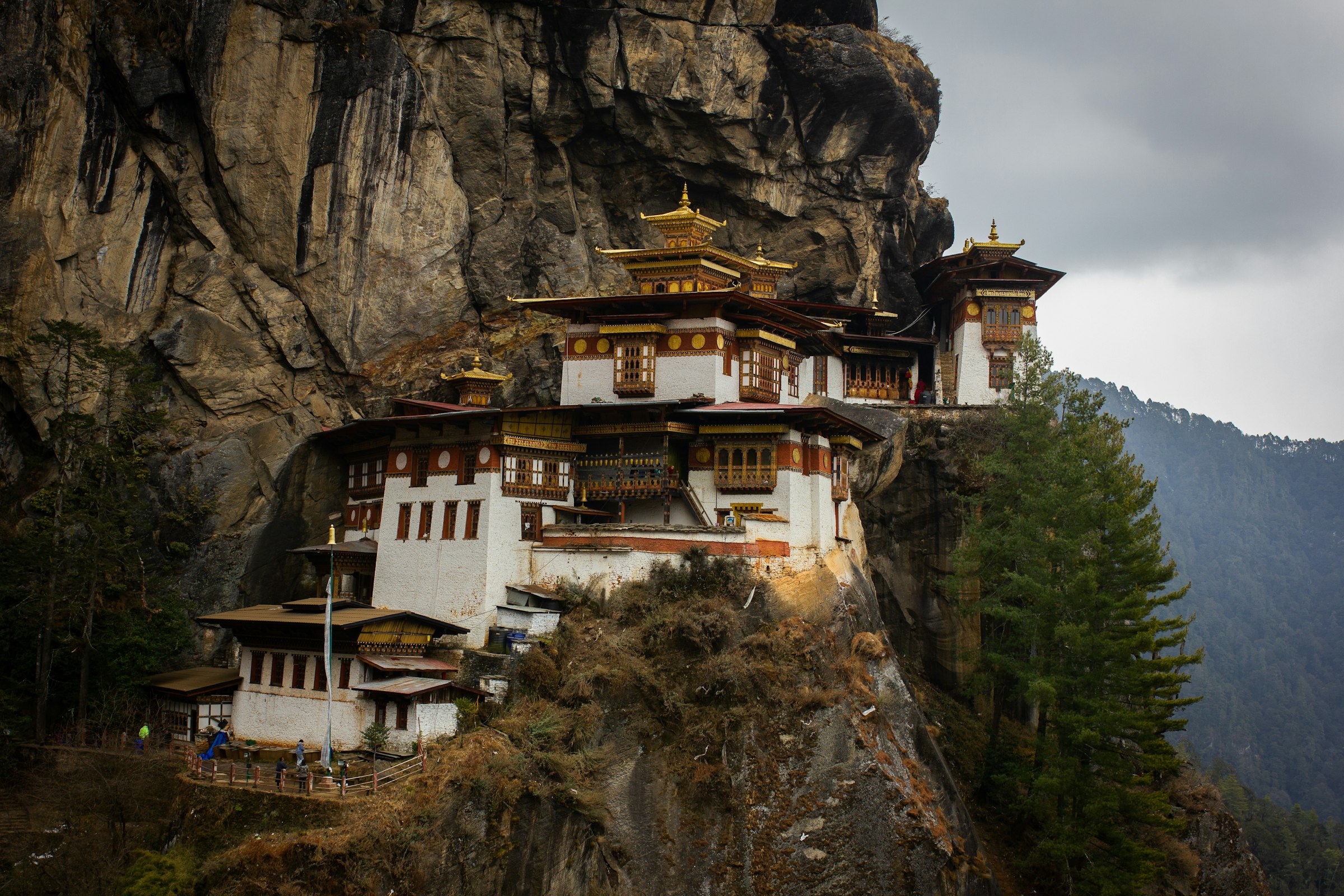
Bhutan is a guided loop through a country that decided not to chase mass tourism. You travel with a licensed guide and driver along winding mountain roads, past hillside dzongs and ridgelines strung with prayer flags, from Paro up to Thimphu and over to Punakha — building, of course, to the climb up to the Tiger's Nest clinging to its cliff. The daily fee keeps the crowds thin and the towns clean and ordered.
The standard trip is a guided western loop — Paro to Thimphu to Punakha and back — a rhythm of dzongs, monasteries, prayer wheels and terraced valleys, saving the half-day hike up to Paro Taktsang for near the end. Because the Sustainable Development Fee funds a high-value, low-volume model, you rarely share a site with a crowd, and the towns are noticeably clean and orderly — Thimphu still has no traffic lights. Gross National Happiness is real policy here, written into how the country plans, not just a line for the brochures.
The honest part: the roughly US$100-a-night fee on top of your costs, plus a mandatory guide and driver, makes Bhutan one of the most expensive countries in Asia to visit, and you can't just wander off and explore independently. The sights also start to repeat — it becomes dzong after dzong, valley after valley — and after a few days you may feel you've seen the template. The trade-off is the whole point: this is the last intact Himalayan Buddhist kingdom, uncommercialised in a way nowhere else in the region still manages.
Highlights
-
Paro Taktsang
The Tiger's Nest monastery on its cliff — the icon, and a solid half-day climb.
-
Punakha Dzong
A riverside fortress at the meeting of two rivers — the most beautiful dzong in the country.
-
Thimphu
The capital with no traffic lights — small, orderly, and unlike any other Asian city.
-
Dochula Pass
108 chortens on a ridge with the high Himalaya laid out behind them on a clear day.
-
A tshechu festival
Masked dances in a dzong courtyard — time your trip to catch one if you can.
-
Phobjikha Valley
A glacial valley where black-necked cranes winter — remote and quiet.
Practical info
- Visa
- All visitors except India, Bangladesh, and Maldives need a visa arranged in advance, plus the Sustainable Development Fee (~US$100/night).
- Currency
- BTN (Ngultrum), pegged to and interchangeable with the Indian Rupee, which is also accepted.
- Language
- Dzongkha (official); English is widely used and the medium of instruction.
- Safety
- Extremely safe with very low crime.
- Getting around
- A licensed guide and driver are effectively required; winding mountain roads make distances slow.
- Tap water
- Drink bottled or boiled water.
- Plug type
- Type D Type F Type G 230V
- Money
- Carry cash (Ngultrum or INR); cards are rare outside Thimphu and Paro.
General guidance — visas, safety, and health change, so check your government's travel advisory and the official sources before you go.
Common questions
- When is the best time to visit Bhutan?
- Bhutan is at its best in March–May, September–November. It's best to avoid July, August.
- How many days do you need in Bhutan?
- Most trips run 1–2 weeks, depending on how much ground you want to cover.
- Is Bhutan expensive?
- Plan for mid-range – premium daily spend, depending on how you travel.
- Is Bhutan safe for travelers?
- Extremely safe with very low crime.
- Do you need a visa for Bhutan?
- All visitors except India, Bangladesh, and Maldives need a visa arranged in advance, plus the Sustainable Development Fee (~US$100/night).
Compare Bhutan with
If you like Bhutan, also consider
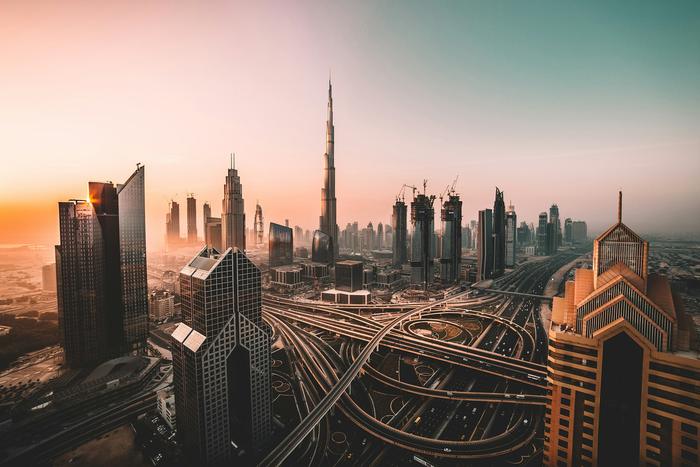
United Arab Emirates
Dubai and Abu Dhabi: superlatives, desert, and a stopover worth a few days of its own.
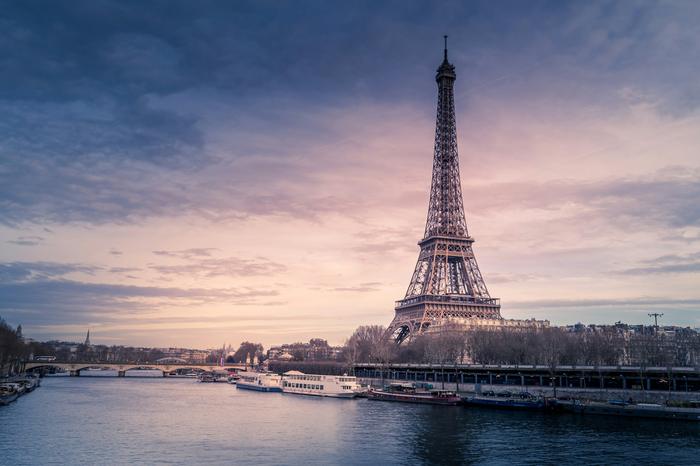
France
Paris is only the opening act — wine country, the Alps, and two coastlines.
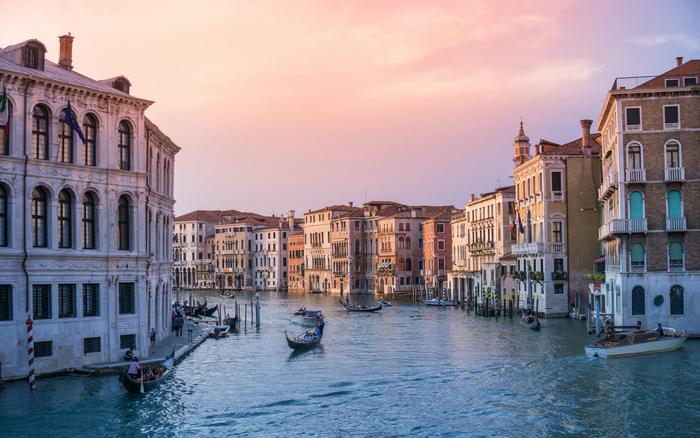
Italy
The benchmark for food, history, and beauty.
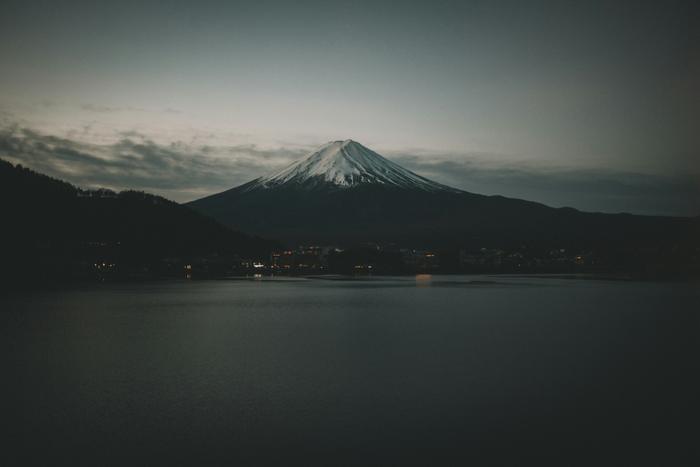
Japan
Extraordinary food, culture, and cities. Nothing quite prepares you for it.
Not sure where to go
Take the 5-minute quiz
Answer a few honest questions and get matched to destinations that actually fit how you travel.
Start the quiz