Cook Islands
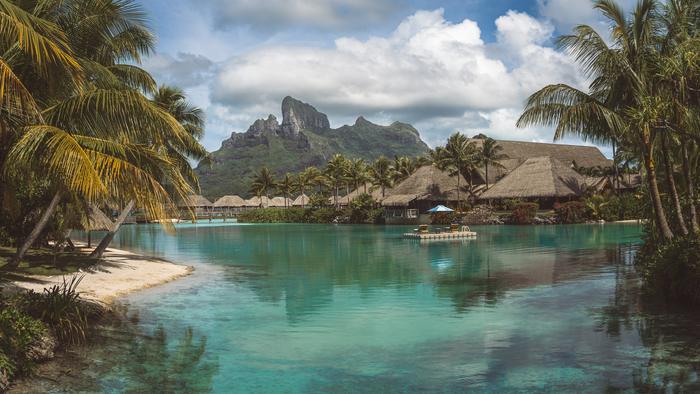
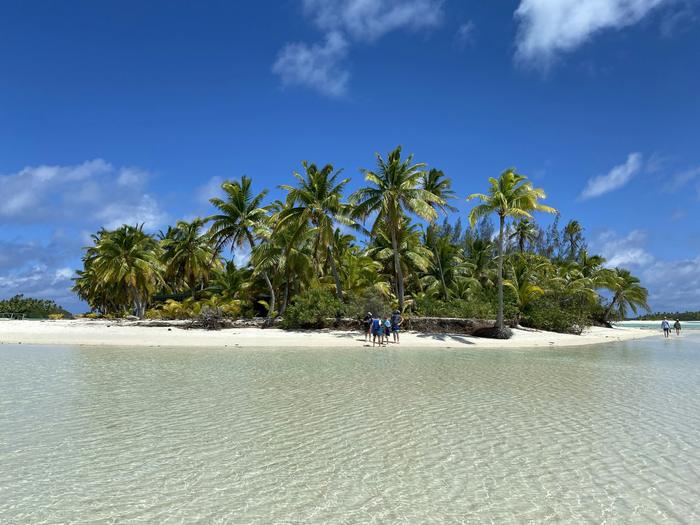
The lagoon of your dreams, at a fraction of Bora Bora money.
- January: avoid
- February: avoid
- March: fine
- April: fine
- May: peak
- June: peak
- July: peak
- August: peak
- September: peak
- October: peak
- November: fine
- December: avoid
Two strong destinations, different in important ways. Here's the side-by-side, then a verdict on which suits which traveler.
The lagoon of your dreams, at a fraction of Bora Bora money.
Overwater bungalows and lagoons in their most expensive form.
Read our full guides about Cook Islands and French Polynesia.
Emphasised where they differ. Muted rows are much the same either way.
| Cook Islands | French Polynesia | |
|---|---|---|
| Best time | May–October | May–October |
| Climate | warm | warm |
| Budget | Budget – Mid-range · $35–130/day | Premium · $130+/day |
| Trip length | 1–1 wks | 1–2 wks |
| Visa | No visa required; free entry for around 31 days on arrival. | Visa-free for most Western passports (90 days, French overseas territory rules). Verify before travel. |
| Currency | NZD (New Zealand Dollar). | XPF (CFP Franc). |
| Language | Cook Islands Māori and English. | French and Tahitian. Some English in resorts. |
| Tap water | Tap water generally safe on Rarotonga; bottled to be safe. | Tap water safe in main centers and resorts; check on smaller atolls. |
| Safety | Very safe and easygoing. | Very safe. Currents, sun, and reef are the main concerns. |
General guidance — visas, safety, and health change, so check your government's travel advisory and the official sources before you go.
Which of the two is the better bet for each month of the year, scored on how well the season suits each place.
Both deliver on beach, nature — so on those dimensions either works.
Still undecided
Three matches. Often answers comparison questions for you.
Start the quiz