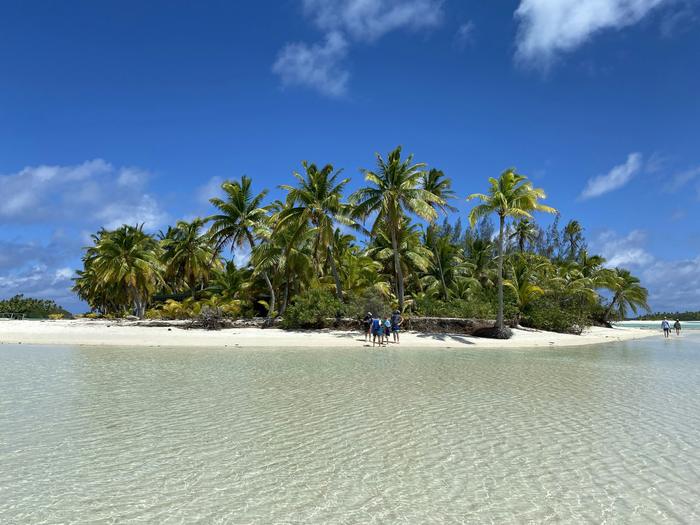
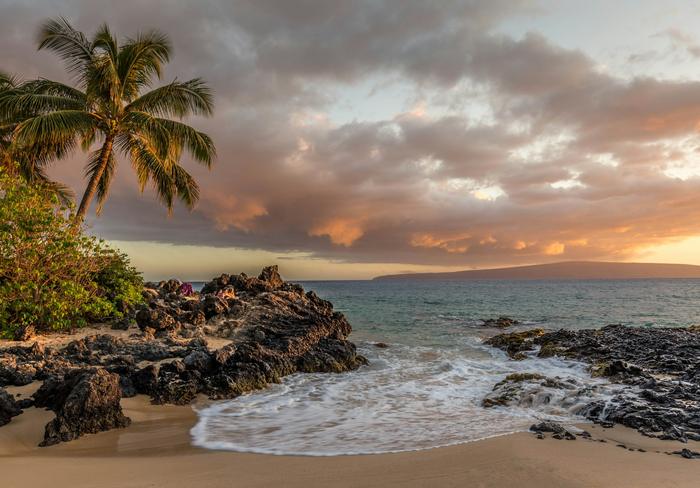
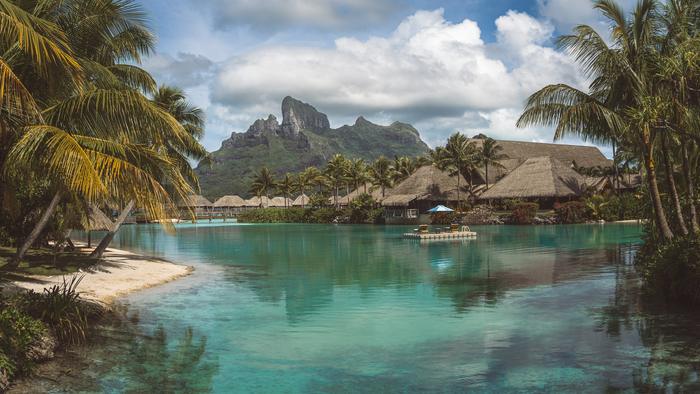
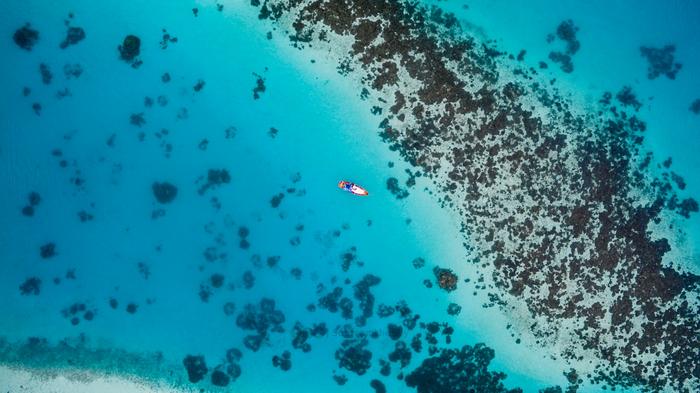
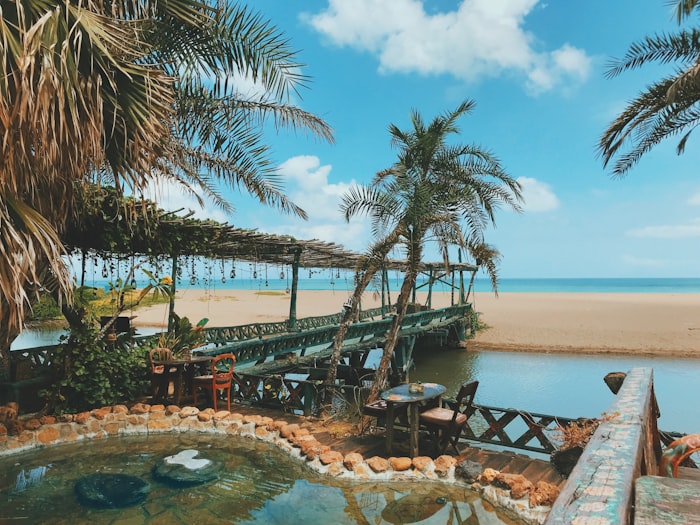
Both are Pacific islands with great water, but they sit at opposite ends of scale and access. The Cook Islands are tiny, remote and quiet — Rarotonga’s ring road, the Aitutaki lagoon, a do-little calm reached via Auckland. Hawaii is big, accessible and endlessly varied — volcanoes, rainforest hikes, surf, towns and six distinct islands, with easy direct flights. A small, slow lagoon escape, or accessible, do-everything islands.
Two Pacific island trips at opposite scales — one tiny, remote and slow, the other accessible, varied and busy.
Tiny vs bigthe scaleOne lagoon, or six distinct islands
Quiet vs variedthe tripDo-little calm, or volcanoes, surf and towns
Remote vs accessiblethe accessMostly via Auckland, or frequent direct flights
The Cook Islands are small, remote and quiet: Rarotonga’s ring road, the Aitutaki lagoon, and a slow, uncommercial calm reached mostly via Auckland. Hawaii is big, accessible and varied: a live volcano, rainforest hikes, world-class surf, towns and six islands, much of it free or cheap, with easy direct flights. A single quiet lagoon, or an accessible do-everything archipelago.
Operational detail — the Cooks’ Auckland routing and Aitutaki flight; Hawaii’s island-hopping, reservation systems and seasonal costs — lives on the two guides: Cook Islands, know before you go and Hawaii, know before you go. This page is the head-to-head.
Who suits which
Who each actually suits
Quiet-and-remote or varied-and-accessible — so these never invert.
If you want…
Cook Islands
Hawaii
A quiet, slow lagoon escape
Wins clearly. Small and remote
Busier, bigger
Variety and activity
One lagoon
Wins clearly. Volcanoes, surf, towns
Easy, cheap access
Mostly via Auckland
Wins. Frequent direct flights
Self-drive freedom
One ring road
Wins. Rent a car and roam
An uncommercial feel
Wins. Laid-back throughout
More developed
Free and cheap things to do
Few
Wins. Beaches, hikes, lookouts
Doing both
Linked, but different trips
A weekly flight connects them, yet they suit opposite moods.
A weekly Honolulu–Rarotonga flight means you could chain them, but they’re opposite trips — quiet seclusion versus varied activity — so most people pick one. The Cook Islands favour the dry May–October window (cyclone risk in the southern summer); Hawaii works year-round. Decide by whether the holiday is to lie still on a lagoon or to explore, and the choice makes itself.
What we leave out
What we deliberately leave out
Exact prices and the moving pieces — the Cooks’ Aitutaki airfare; Hawaii’s lodging, car-hire and reservation-system costs — change within a season, so the figures here are the shape of the gap, not a quote; the country guides carry the live detail.
Cook Islands or Hawaii, month by month
Which of the two is the better bet for each month of the year, scored on
how well the season suits each place.
You want range and activity — volcanoes, hikes, surf, towns, six islands.
Easy access and self-drive freedom matter.
Doing plenty beats lying still.
Common questions
How do the Cook Islands and Hawaii compare?
By scale and access. The Cook Islands are tiny, remote and quiet — Rarotonga’s ring road, the Aitutaki lagoon, a do-little calm reached via Auckland. Hawaii is big, accessible and varied — volcanoes, rainforest, surf, towns and six distinct islands, with easy direct flights. A small, slow lagoon escape, or accessible, do-everything islands. See the Cook Islands and Hawaii guides.
Which is quieter, and which has more to do?
The Cook Islands are far quieter and more remote — the appeal is a single calm lagoon and very little else. Hawaii has vastly more to do: a live volcano, world-class surf, rainforest trails, history at Pearl Harbor and six islands to roam. Switch off on one lagoon, or get out and explore.
Which is easier and cheaper to reach?
Hawaii, clearly. It has frequent direct flights from the US mainland and beyond and self-drive islands, while the Cook Islands are mostly reached via Auckland (with a single weekly Honolulu link). If you’re coming from North America, Hawaii is a short hop by comparison; the Cooks are a long way from almost everywhere.
Can I combine them?
There’s a weekly Honolulu–Rarotonga flight, so in theory you could pair them — but they’re very different trips and most people pick one. Both have warm water; the Cook Islands favour the dry May–October window (cyclone risk in the southern summer), while Hawaii works year-round. Choose by whether you want quiet seclusion or varied activity.