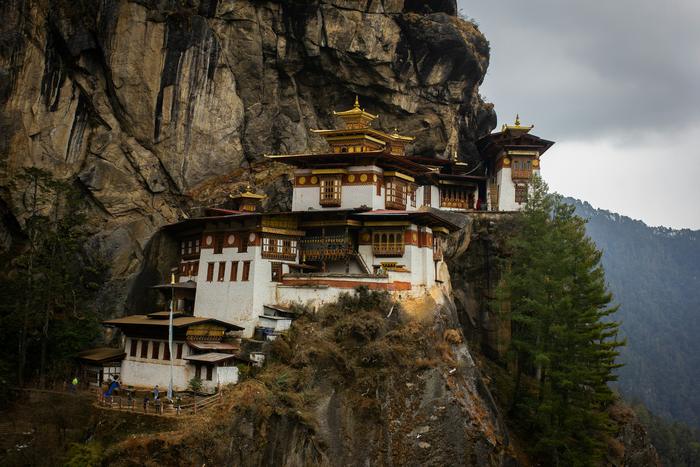
Bhutan vs Maldives

About as opposite as two trips get. Bhutan is cool, cultural and active — a guided loop through a Himalayan Buddhist kingdom of dzongs, prayer flags and the Tiger’s Nest climb, kept exclusive by a per-night fee. The Maldives is warm, secluded and still — a one-resort-per-island water world of overwater villas and reefs, where the whole point is to switch off on the beach.

South Asia

Bhutan

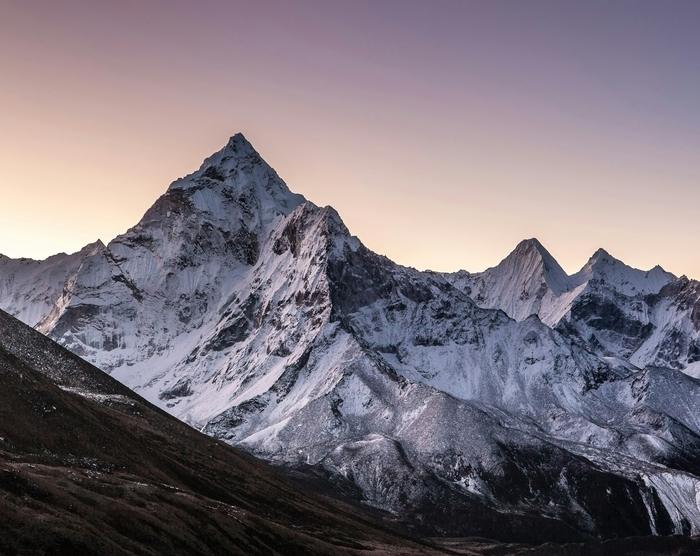
The last intact Himalayan Buddhist kingdom, on its own terms.

Best time to visit
  1. January: fine
  2. February: fine
  3. March: peak
  4. April: peak
  5. May: peak
  6. June: fine
  7. July: avoid
  8. August: avoid
  9. September: peak
  10. October: peak
  11. November: peak
  12. December: fine
Peak Fine Avoid
South Asia

Maldives

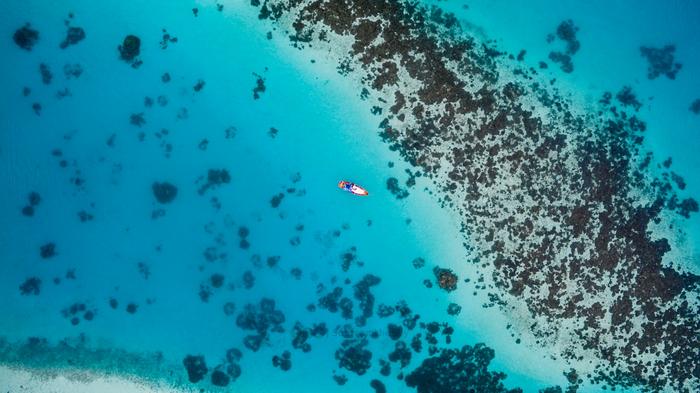
One island, one resort, almost nothing to do. That is the point.

Best time to visit
  1. January: peak
  2. February: peak
  3. March: peak
  4. April: peak
  5. May: fine
  6. June: avoid
  7. July: avoid
  8. August: avoid
  9. September: avoid
  10. October: fine
  11. November: peak
  12. December: peak
Peak Fine Avoid

Read our full guides about Bhutan and Maldives.

Side by side

Emphasised where they differ. Muted rows are much the same either way.

Bhutan Maldives
Best time March–May, September–November November–April
Climate mild warm
Budget Expensive by design — the US$100-per-adult-per-night SDF sits on top of everything Among the world’s priciest beach trips — transfers and a tax stack on top of the villa
Trip length 1–2 wks 1–2 wks
Visa All visitors except India, Bangladesh, and Maldives need a visa arranged in advance, plus the Sustainable Development Fee (~US$100/night). Free visa on arrival for most passports (30 days). Verify before travel.
Currency BTN (Ngultrum), pegged to and interchangeable with the Indian Rupee, which is also accepted. USD widely used; MVR (Rufiyaa) locally.
Language Dzongkha (official); English is widely used and the medium of instruction. Dhivehi. English widely spoken in resorts and Malé.
Tap water Drink bottled or boiled water. Stick to bottled or filtered water; resorts provide it.
Safety Extremely safe with very low crime. Very safe within resorts; standard sense on local islands.

General guidance — visas, safety, and health change, so check your government's travel advisory and the official sources before you go.

The split

Cool mountain culture, or warm water

Opposite trips — one is cool, cultural and active, the other warm, secluded and still.

Mountains vs waterwhat each is really forDzongs and the Tiger’s Nest, or overwater villas and reefs
Active vs stillthe paceA guided cultural loop, or deliberate switch-off
SDF vs tax stackthe moneyA per-night fee, or transfers and resort taxes

Bhutan is cool, cultural and active: a guided loop through a Himalayan Buddhist kingdom of dzongs, prayer flags and the Tiger’s Nest climb, kept exclusive by a per-night fee. The Maldives is warm, secluded and still: a one-resort-per-island water world of overwater villas and house reefs, where the whole point is to switch off. Mountain culture, or beach seclusion.

The operational detail — Bhutan’s SDF, guide rule and Paro flights, the Maldives’ transfers and tax stack — lives on the two guides: Bhutan, know before you go and the Maldives, know before you go. This page is the head-to-head.

Who suits which

Who each actually suits

Cool-and-cultural or warm-and-still — so these never invert.

If you want…BhutanMaldives
Mountains and Buddhist cultureWins clearly. Dzongs, the Tiger’s NestFlat atolls, no culture loop
Total beach seclusionLandlockedWins clearly. Your own island
An active, guided tripWins. A cultural loopStay-put by design
A house reef and warm waterCool mountainsWins. Overwater and reef
Serene, crowd-free exploringWins. Controlled and calmSerene, but on one island
Doing beautiful nothingToo much to seeWins. Built for it

Doing both

An either/or, worlds apart

No natural link — a contrast pairing at most.

There’s no natural way to combine these — a landlocked Himalayan kingdom and an Indian Ocean atoll nation, with no sensible route between — so you’d only link them by stitching flights, and each is a full trip of opposite character. In practice an either/or, decided by what you want: cool mountain culture and a guided loop, or warm beach seclusion and total rest. For those with time and budget, they make a classic active-then-restful contrast.

What we leave out

What we deliberately leave out

Exact prices and the moving pieces — Bhutan’s SDF (reduced rate confirmed only to Aug 2027), the Maldives’ legislated taxes and transfer costs — change within a season, so the figures here are the shape of the gap, not a quote; the country guides carry the live detail.

Bhutan or Maldives, month by month

Which of the two is the better bet for each month of the year, scored on how well the season suits each place.

Which to choose

Choose Bhutan if:

  • You want cool mountains and culture — dzongs, monasteries, the Tiger’s Nest climb.
  • An active, guided cultural loop appeals more than a beach.
  • Buddhist serenity and Himalayan scenery are the draw.

Choose Maldives if:

  • You want warm seclusion and water — an overwater villa, a house reef, total rest.
  • A honeymoon-grade switch-off escape is the point.
  • Doing nothing, beautifully, beats hiking and sightseeing.

Common questions

Can you combine Bhutan and the Maldives?
They don’t connect naturally — one is a landlocked Himalayan kingdom, the other an Indian Ocean atoll nation, with no sensible route between — so you’d link them only by stitching flights (often via an Indian or regional hub). Each is a full trip of opposite character, so it’s really an either/or: cool mountain culture, or warm beach seclusion. If anything, they make a contrast pairing — active-then-restful — for those with the time and budget. See the Bhutan and Maldives guides.
Which is more active versus more relaxing?
Opposite poles. Bhutan is active and cultural — a guided loop of dzongs and monasteries, winding mountain drives, and the steep Tiger’s Nest climb. The Maldives is pure relaxation — a resort island, a house reef, warm water and little to do by design. Culture and movement, or beautiful, deliberate stillness.
Which is more expensive?
Both are expensive, differently. Bhutan’s cost is the US$100-per-adult-per-night SDF on top of all other trip costs. The Maldives is among the world’s priciest beach destinations, with costly seaplane/boat transfers and a tax stack (green tax, GST, departure tax) layered onto the villa. One charges a per-night development fee; the other a luxury-resort premium.
Which suits a honeymoon?
The Maldives is the classic seclusion honeymoon — your own island, an overwater villa, total privacy. Bhutan is the unusual, active-romantic alternative — a serene, crowd-free kingdom to explore together rather than a beach to lie on. Switch off completely, or share a journey.

Still undecided

Take the quiz

Three matches. Often answers comparison questions for you.

Start the quiz