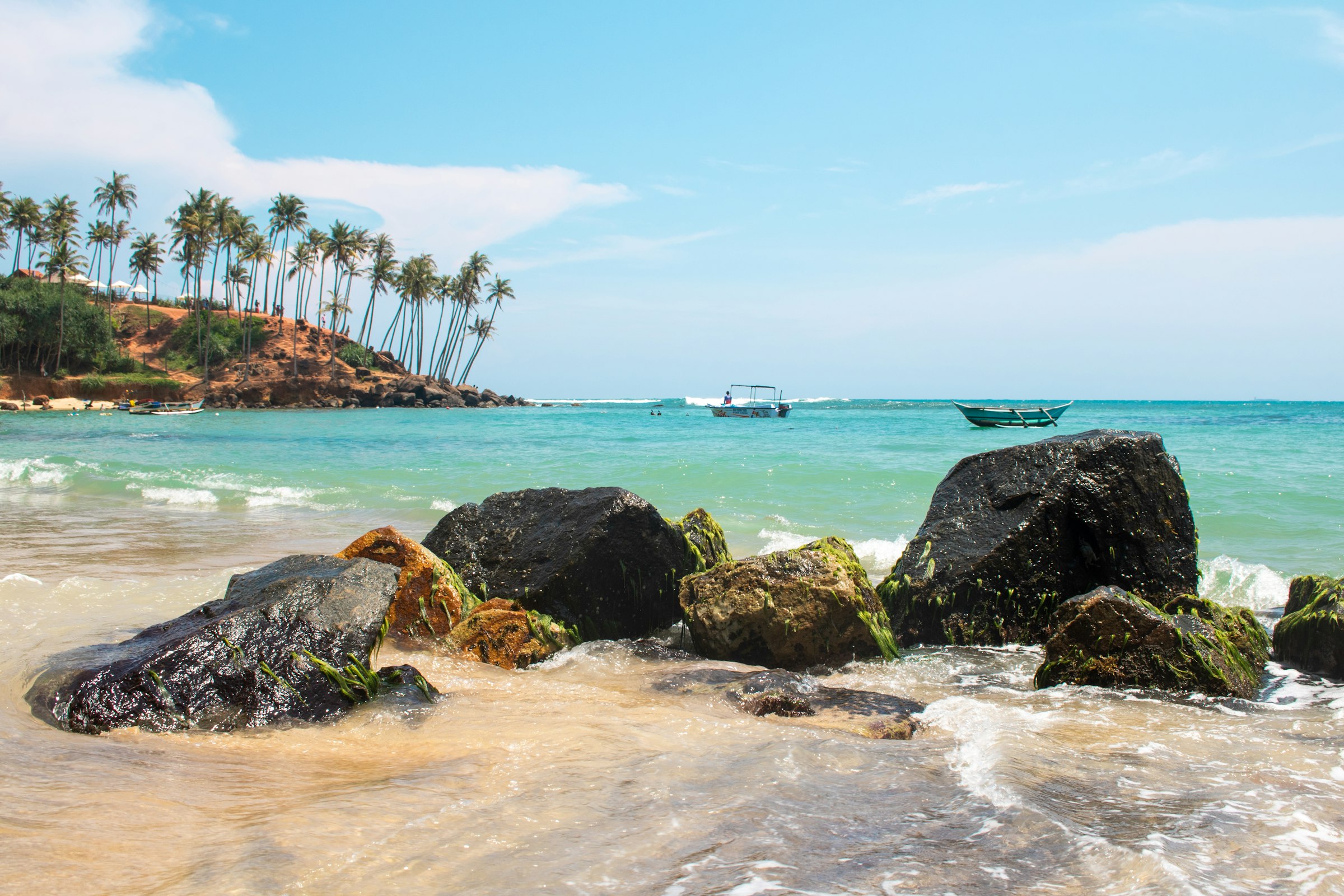
Sri Lanka
Beaches, ancient ruins, tea country, and wildlife in one compact island.
Sri Lanka delivers extraordinary variety in a country you can drive across. Surf coast in the south, tea hills in the centre, ruined cities in the cultural triangle, and wildlife (elephants, leopards) in the national parks. The food is underrated — best curries on the subcontinent for many.
Most trips run a loop: Colombo arrival, north to Sigiriya and the cultural triangle, then Kandy and the slow train through tea country to Ella, finishing on the south coast at Mirissa or Hiriketiya. The train is the point, not the transport. Days are cheap — rice-and-curry lunches, tuk-tuk hops, family guesthouses — with the money going on safari jeeps and the boutique hotels that have multiplied along the coast.
The catch is pace. Roads are slow, and a distance that looks like two hours on the map takes four. Two monsoons mean the east and west coasts peak at opposite times of year, so check the season before you book a beach. Yala's leopards come with a conga line of jeeps, and tuk-tuk drivers quote tourist prices by default. If you need things to run on schedule, go elsewhere. For variety per mile, almost nowhere matches it.
Highlights
-
Ella & Hill Country
Tea plantations, the famous train journey, mountain air.
-
Mirissa & the South Coast
Surf, whales, and a slower beach scene.
-
Sigiriya & Cultural Triangle
Ancient rock fortress and ruined kingdoms.
-
Yala National Park
One of the highest leopard densities anywhere — book the early jeep and expect company.
Practical info
- Visa
- ETA required for most nationalities, applied online. Verify before travel.
- Currency
- LKR (Rupee). Roughly 295 LKR ≈ 1 USD.
- Language
- Sinhala and Tamil. English widely understood.
- Safety
- Generally safe. Watch for monsoon timing and tuk-tuk overcharging.
- Getting around
- Trains are scenic and cheap. Tuk-tuks and PickMe (local Uber) for short hops.
- Tap water
- Tap water not safe. Bottled or boiled.
- Plug type
- Type D Type G Type M 230V
- Money
- Cash mostly. Cards work in hotels and bigger restaurants.
General guidance — visas, safety, and health change, so check your government's travel advisory and the official sources before you go.
Common questions
- Do I need a visa for Sri Lanka in 2026?
- You need an ETA (Electronic Travel Authorization), and since 25 May 2026 it is free for 40 nationalities — including the US, UK, Canada, Australia, India and most of the EU — for a 30-day, double-entry stay. Crucial catch: free does not mean no application. Every visitor must still obtain the ETA before boarding; the waiver only removes the fee. Nationals outside the 40 pay around US$50 online. Apply ONLY at the official portal eta.gov.lk — verify the .gov.lk domain, because look-alike sites charge inflated “service” fees. Your passport needs six months’ validity.
- When is the best time to visit Sri Lanka?
- It depends entirely on which coast you want, because the island has two monsoons hitting opposite sides at opposite times. The south-west monsoon (May–September) soaks the west and south coasts and the hill country; the north-east monsoon (October–January) soaks the east and north. So the classic south-and-west circuit — Galle, Mirissa, the tea country — is best December to March, while the east coast (Trincomalee, Arugam Bay) is best May to September. The Cultural Triangle in the centre is drier and doable much of the year. Don’t plan a single “dry season” for the whole island — pick the coast, then the months.
- Is Sri Lanka safe and back to normal after the 2022 crisis?
- Broadly, yes — tourism has rebounded strongly (1.5M-plus arrivals) and the economy has stabilised under an IMF programme. But two 2026-specific things to check close to travel. Fuel: a new round of rationing with weekly vehicle quotas was reintroduced in March 2026 after Middle East conflict disrupted imports — easing by October but still flagged by the UK FCDO, so verify. And dengue is at a decade-high in 2026 (see below). The US rates Sri Lanka Level 2 (exercise increased caution) and the UK has no blanket warning.
- How do you get around Sri Lanka?
- The standard tourist mode is a hired car with a driver — roughly US$80–100 a day — because distances that look short on the map take hours on winding, busy roads, and the driver doubles as a guide. For the famous Kandy–Ella hill train, book a reserved seat (1st Class Observation or 2nd Class Reserved): reservations open 30 days ahead (10am) and sell out in high season. In towns, the PickMe app (and Uber) runs metered tuk-tuks and cars; carry cash, as card payments often fail. Self-drive tuk-tuk rental is a thing, but needs an international permit plus a local recognition permit the rental firm arranges.
- Which is better for a safari — Yala or Udawalawe?
- Yala has one of the world’s highest leopard densities and is the big draw, but it is heavily crowded — “leopard jams” of dozens of jeeps, dust and diesel are a documented problem in peak season. Udawalawe is calmer and gives near-guaranteed wild elephants year-round, which many travellers find the more rewarding experience. If a leopard sighting is the goal, Yala; for a relaxed safari with elephants, Udawalawe. Park fees are USD-denominated (payable in dollars or rupees) — Yala’s foreign-adult entry is roughly US$25 base, nearer US$45 all-in with taxes and the jeep — and are revised periodically, so confirm at the gate.
- How long do you need in Sri Lanka?
- The island is small but slow, so budget more days than the map implies. A classic first loop — Cultural Triangle, Kandy, the Ella train, a safari, and the south coast — wants 10–14 days with a car and driver. A week can do a tighter version (say Cultural Triangle + hill country + one beach), but you’ll feel the long transfers. Because the two monsoons split the coasts, longer trips still pick one side of the island rather than trying to beach-hop both.
Entry
Free ETA for 40 — but still apply, and only at the real site
The visa got cheaper in 2026, not simpler: free for 40 nationalities, still a mandatory application, and surrounded by fake sites.
Since 25 May 2026 the tourist ETA is free for 40 nationalities — the US, UK, Canada, Australia, India and most of the EU among them — for a 30-day, double-entry stay, and it was confirmed still in force in October 2026. The trap is assuming free means nothing to do: every visitor still has to obtain the ETA before travelling, the waiver only removes what used to be a US$50 fee. Nationals outside the 40 still pay roughly US$50 online. Your passport needs six months’ validity from arrival.
Apply only at eta.gov.lk. Sri Lanka’s ETA system has been overhauled repeatedly since 2024 — an outsourced portal, legal challenges, a free period, fee reversals — and the churn has left a thicket of fraudulent third-party sites that charge inflated “service” fees. Because the scheme is this fresh and this changeable, re-verify the fee and your eligibility close to travel.
The single most common Sri Lanka visa mistake is paying a look-alike site. Searching “Sri Lanka ETA” surfaces slick third-party portals that charge double or triple and are not the government. The only official site is eta.gov.lk — check for the .gov.lk domain before you enter a card number, and ignore the sponsored results above it.
When to go
Two monsoons, opposite coasts
There is no single dry season — which coast is in season flips with the monsoon, so you choose the coast first.
There is no single dry season: the two monsoons (the crimson bars) soak opposite coasts at opposite times. So you pick the coast — the classic south-and-west circuit (Dec–March, shown Jan–Mar) or the east coast (May–Sep) — and the Cultural Triangle in the middle stays comparatively dry year-round, which is why it anchors most itineraries.
Sri Lanka’s weather is governed by two monsoons on opposite schedules. The south-west (Yala) monsoon runs roughly May–September and soaks the west and south coasts and the hill country; the north-east (Maha) monsoon runs roughly October–January and soaks the east and north. So the island always has a coast in season — you just pick the right one for your months.
In practice: the classic south-and-west circuit is best December–March (Galle Fort, Mirissa’s whales and beaches, the tea country), while the east coast peaks May–September (Trincomalee, Arugam Bay surf). Whale-watching follows suit — Mirissa in the south runs roughly November–April (prime December–March); Trincomalee in the east runs May–September. The Cultural Triangle in the middle stays comparatively dry and is doable across much of the year.
- you want the Galle, hill-country and whale circuitSkipMay–September, when the south-west monsoon soaks itGoDecember–March, the south-and-west dry window
- you want the east coast or Arugam Bay surfSkipDecember–March, when the east is quiet and wetGoMay–September, the east-coast season
- you’re applying for the ETASkipthe look-alike sites that overchargeGoeta.gov.lk only — and check the .gov.lk domain
Getting around
A car-and-driver, and the hill train
Short map distances, long real journeys — most visitors hire a driver and reserve the scenic train ahead.
The default way to travel is a hired car with a driver, around US$80–100 a day, because the roads are slow and winding and distances that look modest eat hours — the driver navigates and guides, and it costs far less than it would in Europe. For the celebrated Kandy–Ella train, book a reserved seat (1st Class Observation or 2nd Class Reserved); reservations open 30 days ahead and sell out in the December–March and July–August peaks, while the unreserved carriages can be a crush. In Colombo and larger towns the PickMe app (and Uber) run metered tuk-tuks and cars — keep cash, as cards often fail at the point of payment. Cinnamon Air flies domestic seaplane/air-taxi routes if you want to skip the long drives.
| Way | Use it for | Note |
|---|---|---|
| Car with driver | The whole circuit | ~US$80–100/day; the driver guides too |
| Kandy–Ella hill train | The scenic tea-country leg | Reserve 30 days ahead (opens 10am); sells out |
| PickMe / Uber | Town tuk-tuks and cars | Metered; carry cash, as cards often fail |
| Cinnamon Air | Skipping the long drives | Domestic seaplane / air-taxi routes |
Distances look short but roads are slow and winding, so plan fewer hops per day than a map suggests. The December–March and July–August peaks are when the reserved train carriages sell out. Checked October 2026.
The default way to travel Sri Lanka is a hired car with a driver (around US$80–100 a day) — the roads are slow and winding, distances that look short eat hours, and the driver doubles as navigator and guide for far less than a European equivalent. The one journey to do without the car is the famous Kandy–Ella hill train through the tea country: book a reserved 2nd-class seat days ahead, and have the driver meet you at the far end.
What it’s for
Ancient cities, a tea-country railway, big wildlife
The appeal is compact variety — ruins, hill-country rail, safari and beaches all within short (if slow) hops.
What Sri Lanka does better than almost anywhere is pack wildly different experiences into a small island. The Cultural Triangle holds the headline ruins — the Sigiriya rock fortress (UNESCO-listed, foreign-adult entry around US$35), the ancient capitals of Anuradhapura and Polonnaruwa, and the Dambulla cave temples — with Kandy and its Temple of the Sacred Tooth Relic (and its July–August Esala Perahera) as the cultural anchor to the south. Sri Lanka holds eight UNESCO World Heritage Sites in all.
From Kandy the hill-country railway to Ella climbs through tea estates past the Nine Arch Bridge and is rated one of the world’s great train rides (book a reserved seat ahead). The wildlife is the other draw: Yala for leopards (spectacular but crowded) and calmer Udawalawe for elephants, with Minneriya’s “Gathering” of elephants in August–September. Then the south coast — the Dutch-colonial ramparts of Galle Fort, Mirissa for whales and surf — rounds out a circuit that, distances aside, offers remarkable range.
Where to go
Centre, hills, and two coasts
Most trips thread the same compact loop — ruins, tea country, a safari, a beach — adjusted for the monsoon.
The itinerary almost writes itself: fly into Colombo, loop the Cultural Triangle (dry year-round), climb to Kandy and the hill country for the tea estates and the Ella train, drop to a safari park (Yala or Udawalawe), and finish on a beach. The only real variable is which coast: the south and west (Galle, Mirissa) in the December–March window, or the east (Arugam Bay, Trincomalee) from May to September. Because the monsoons split the coasts, a single trip picks one — you don’t beach-hop both.
| Region | What it’s for | Season / note |
|---|---|---|
| Cultural Triangle (centre) | Sigiriya, the ancient capitals, Dambulla | Comparatively dry year-round |
| Kandy & the hill country | The Tooth Temple, tea estates, the Ella train | Cool and green; the scenic heart |
| South coast (Galle, Mirissa) | The fort, whales, beaches, surf | Best Dec–March |
| East coast (Trincomalee, Arugam Bay) | Surf, snorkelling, quieter beaches | Best May–September |
| Safari parks (Yala, Udawalawe) | Leopards and wild elephants | The south-east |
| Colombo & the west | The gateway city, arrival and departure | A day is plenty for most |
Food & drink
Rice and curry, hoppers, and Ceylon tea
Fierce, fragrant and coconut-rich — a cuisine that stands apart from its Indian neighbour, and the world’s great tea.
Ceylon tea the hill country’s world-famous export
Sri Lankan food is its own thing — hotter and more coconut-driven than most Indian cooking. The staple is rice and curry, a spread of small, spiced dishes; the icons are hoppers (bowl-shaped fermented pancakes, best with an egg) and kottu, chopped roti stir-fried to a rhythmic clatter you’ll hear from the street. String hoppers, dhal and the fiery coconut relish pol sambol round out a meal. And of course Ceylon tea (see the figure), with king coconut and arrack to drink. Eat where the locals do — it’s cheap, fresh and fierce.
| Dish / drink | What it is | Note |
|---|---|---|
| Rice and curry | Rice with a spread of small curries | The everyday meal; endlessly varied |
| Hoppers (appa) | Bowl-shaped fermented rice pancakes | Breakfast, often with an egg in the middle |
| Kottu | Chopped roti stir-fried with egg, veg, meat | The clattering sound of the street at night |
| String hoppers | Steamed rice-noodle nests | With dhal and curry |
| Pol sambol | Fiery grated-coconut relish | On everything |
| Ceylon tea | The hill-country export | World-famous; estates you can visit |
Cool down with king coconut (thambili) straight from the husk, or try arrack, the local coconut-flower spirit. The food runs hot by default — “no spice” still means warm — and the northern Jaffna crab curry is a standout.
Culture
A Buddhist island, and the Kandy procession
Deeply Theravada Buddhist, with Hindu, Muslim and Christian threads — and a festival like nowhere else.
Jul–Aug the Kandy Esala Perahera — tuskers, dancers, drummers
Sri Lanka is a majority Theravada Buddhist island (around 70%), with significant Hindu, Muslim and Christian communities, and that layered heritage shows in its temples, kovils, mosques and churches. The official languages are Sinhala and Tamil, with English widely used as a link language, so travellers get by easily. The long civil war ended in 2009, and the country is firmly back on the traveller map. The cultural high point is the Kandy Esala Perahera (see the figure); cricket is the most popular sport and a national passion. Dress modestly at temples — cover shoulders and knees, remove shoes and hats.
Good to know
Cash, dengue, and the tap-water rule
The practical footnotes — a cash-first economy and a couple of real health basics.
Sri Lanka runs largely on cash (rupees): cards work at bigger hotels, restaurants and shops, but tuk-tuks, street food, local transport and smaller site tickets want cash, so carry a day’s worth plus a buffer. Costs have stayed reasonable since the 2022 crisis eased. The health basics matter: dengue is a real, year-round, islandwide risk, and 2026 has been the worst outbreak in a decade — so mosquito-bite prevention (repellent, cover up at dusk) is the main defence, and a travel clinic can advise on Hepatitis A and typhoid. Don’t drink the tap water anywhere, Colombo included — bottled or purified only. Tipping around 5–10% for good service is appreciated but not mandatory.
One current logistics caveat: fuel. After Middle East conflict disrupted imports, Sri Lanka reintroduced QR-based fuel rationing with weekly vehicle quotas in March 2026; by October it was easing but the UK FCDO still carried a warning. Tour operators and hotels generally have priority arrangements, so an organised trip with a car-and-driver is largely insulated — but it’s worth a quick check close to departure.
Compare Sri Lanka
If you like Sri Lanka, also consider
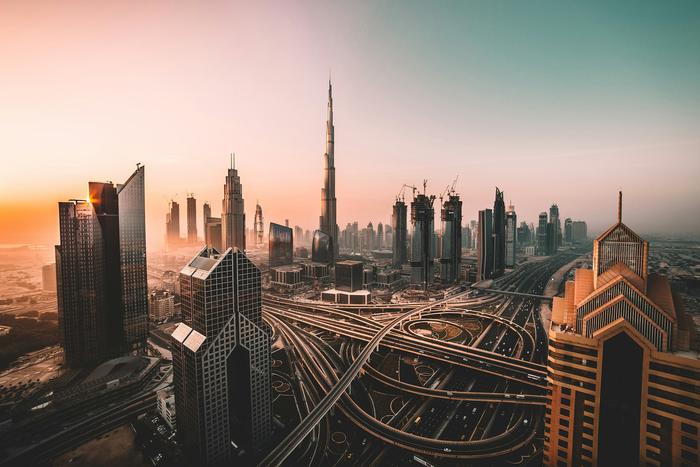
United Arab Emirates
Dubai and Abu Dhabi: superlatives, desert, and a stopover worth a few days of its own.

Greece
Ruins in the morning, a swim by noon, taverna until dark.
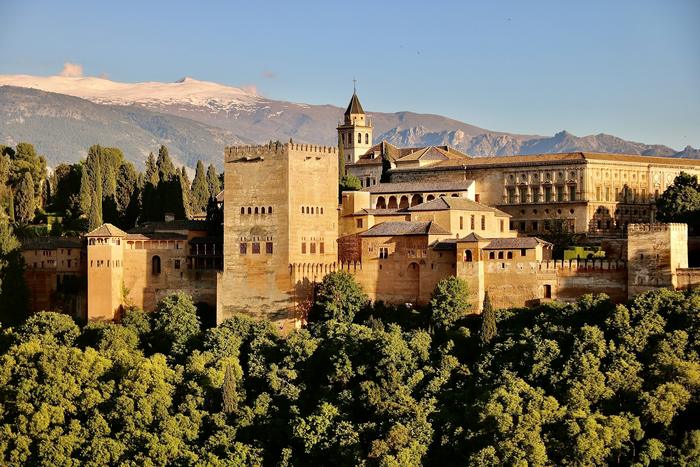
Spain
Food, beaches, and three or four cities that each justify the trip.
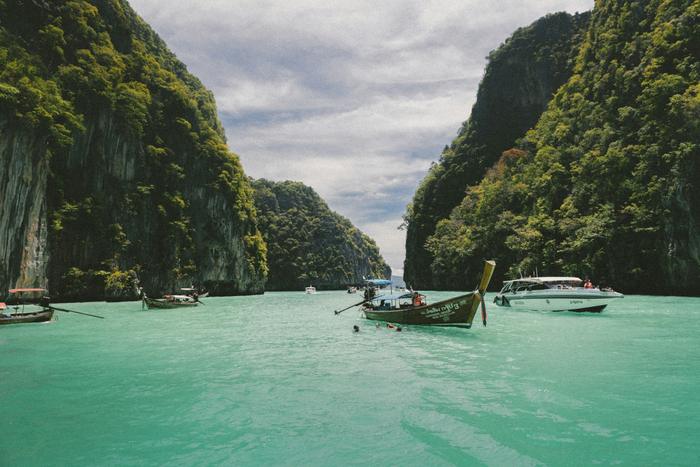
Thailand
The complete package for warm-climate travel.
Not sure where to go
Take the 5-minute quiz
Answer a few honest questions and get matched to destinations that actually fit how you travel.
Start the quiz