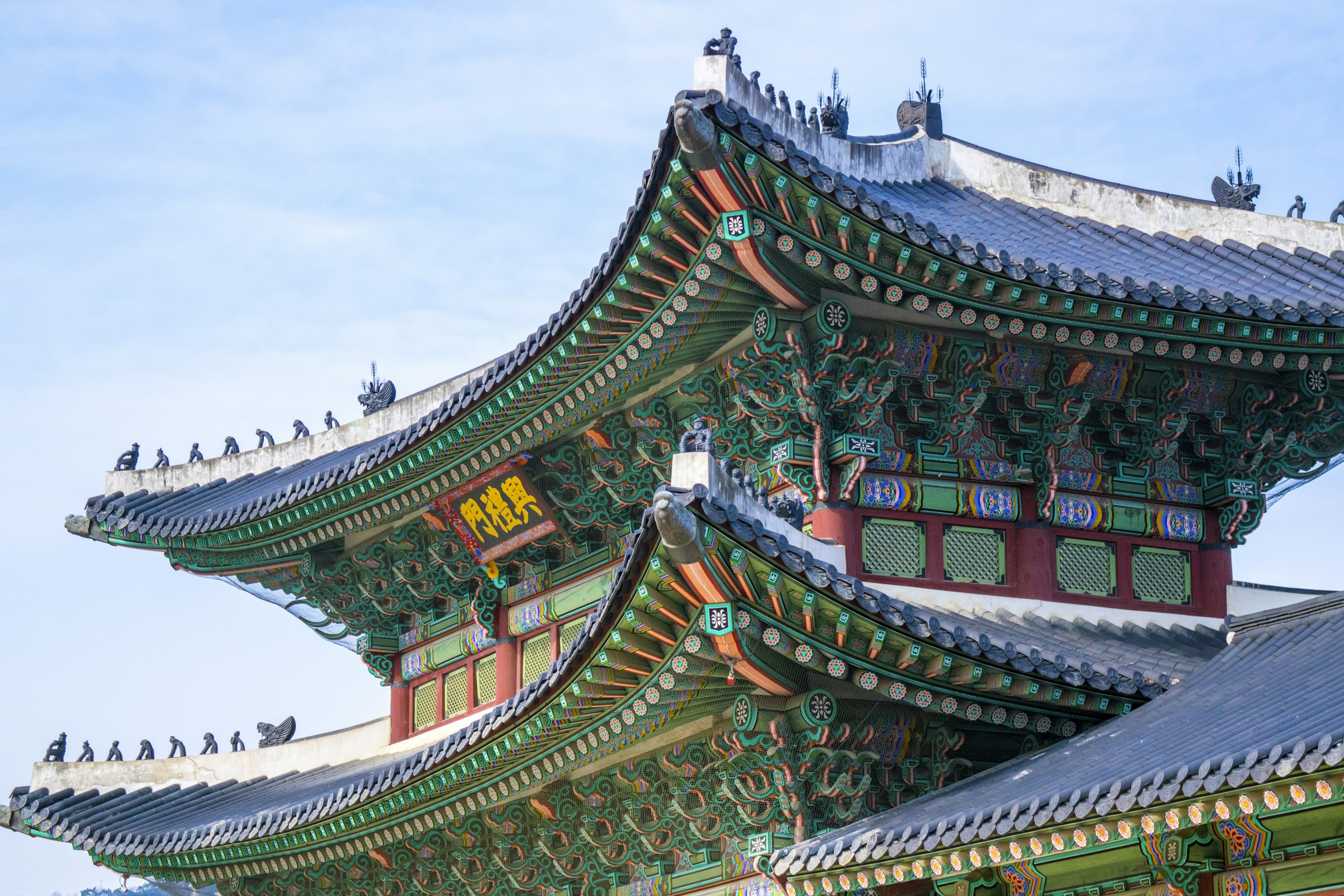
South Korea
Seoul alone justifies the flight — food, nightlife, and mountains inside the city.
Korea has gone from underrated to unmissable. Seoul for street food, nightlife, design, and 24-hour energy; Busan for coast and a lighter pace; Jeju for nature; the DMZ for history. Hiking culture is huge — there are proper mountains within Seoul itself.
A first trip is mostly Seoul, and that's correct: mornings at Gyeongbokgung, afternoons in Seongsu or Euljiro, barbecue and a second round of fried chicken at midnight. Take the KTX to Busan — under three hours — for Haeundae beach and raw fish at Jagalchi market, with Gyeongju's tombs and temples an easy stop on the way. Food and transport stay cheap; accommodation in Seoul is the line item that climbs.
Don't come in midsummer: July and August are a humid monsoon sauna, and late winter is bitter. English thins out fast beyond Seoul, menus included — a translation app is mandatory equipment. The nature is pleasant rather than spectacular; if mountains are your priority, Japan does them better. What Korea does best is the city itself, and it does it as well as anywhere: nobody leaves Seoul calling it overhyped.
Highlights
-
Seoul
Distinct neighborhoods, late-night everything, strong coffee culture.
-
Busan
Coastal city with great seafood and fewer expats.
-
Jeju Island
Volcano, lava tubes, beaches — the domestic getaway.
-
Gyeongju
Tombs, temples, and the historical heart.
Practical info
- Visa
- K-ETA required for visa-free entry for most Western passports. Verify before travel.
- Currency
- KRW (Won). Roughly 1,350 KRW ≈ 1 USD.
- Language
- Korean. English signage in Seoul; less elsewhere.
- Safety
- Extremely safe.
- Getting around
- Excellent metros and KTX trains. T-money card for everything.
- Tap water
- Tap water technically safe but most locals filter or buy bottled.
- Plug type
- Type C Type F 220V
- Money
- Cards everywhere. Cash rarely needed.
General guidance — visas, safety, and health change, so check your government's travel advisory and the official sources before you go.
Common questions
- Do you need a K-ETA to visit South Korea?
- Through 31 December 2026, no — the K-ETA requirement is waived for around 22 nationalities (the US, UK, Canada, Australia, Japan and most of the EU), who enter visa-free with nothing to apply for or pay. But the waiver is temporary and is set to expire at year-end, with K-ETA due to return on 1 January 2027 (about ₩10,000, valid three years) unless Korea extends it again, as it has each year — so re-check k-eta.go.kr for any 2027 trip. Separately, almost everyone now files the free e-Arrival Card; see the entry section.
- When is the best time to visit South Korea?
- Spring for cherry blossom and autumn for foliage are the two classic windows. Blossom sweeps up the peninsula south-to-north — Jeju and Busan around 22–30 March, Seoul around 4–10 April in 2026 — and the autumn colour runs from early-to-mid October in the north-eastern mountains (Seoraksan) down to late October and early November in Seoul and the south. Avoid the hot, humid summer monsoon (late June into July) and the typhoon risk of August–September; winters are cold and dry, and good for skiing.
- How do you get around South Korea?
- Very easily. The KTX high-speed train runs Seoul to Busan in about 2h15, and Seoul’s metro is fast, cheap and extensive. Buy a rechargeable T-money card for the subway, buses and many taxis — but note it does not cover the KTX/SRT high-speed trains, which you book separately via Korail, and that foreign contactless cards do not yet work at the subway gates. Unlike China there is no firewall, so Google Maps, Papago and your usual apps all work normally.
- Is South Korea safe, given North Korea?
- Yes — it is one of the safest countries to travel in, and the US places it at Level 1, "exercise normal precautions". Peninsula tension is a constant background — missile tests and periodic South Korea–US military drills make headlines — but it very rarely touches daily life, and Seoul carries on regardless. Violent crime is low; the usual caution against petty theft in crowds, and discretion around occasional large demonstrations in central Seoul, is all most visitors need.
- Can you visit the DMZ?
- Yes, but only on an authorised guided tour booked in advance with your passport — independent access is not allowed. General DMZ tours from Seoul (Imjingak, the Third Tunnel, Dora Observatory) run routinely. The JSA / Panmunjom tours that take you to the blue huts on the border are a different matter: they are frequently suspended at short notice for diplomatic and security reasons, so confirm current availability with an operator before you build a day around them.
- Should I choose South Korea or Japan?
- They reward different trips: Korea is cheaper, more compact and more immediate — big-city energy, palaces, food and the DMZ within easy reach — while Japan trades on depth, refinement and range. Flights between them are short, so many people do both. See our full Japan vs South Korea comparison for the measured differences.
Entry & money
A waiver that is about to lapse, and a new arrival card
Two moving pieces for 2026–27: most visitors still skip the K-ETA — but only until year-end — and nearly everyone files the new e-Arrival Card.
Get the entry sequence right, because it changes at the turn of the year. For now the K-ETA is waived for around 22 nationalities — the US, UK, Canada, Australia, Japan and most of the EU — who enter visa-free with nothing to file or pay. But the waiver is a temporary extension that expires on 31 December 2026: from 1 January 2027 a K-ETA is due to return (about ₩10,000, valid three years, applied for at least 72 hours before departure), unless Korea extends the waiver yet again as it has done annually. Confirm it on the official k-eta.go.kr before any 2027 trip.
The other piece is the e-Arrival Card, mandatory for every foreign visitor since 1 January 2026. It is free, filed online within the three days before you land, and it replaces the old paper card — it matters most to waiver travellers, who have no K-ETA carrying the same details. Neatly, the two interlock: anyone holding a valid K-ETA (or a residence registration) is exempt from the e-Arrival Card, so from 2027 a returning K-ETA would cover it again.
On money, the unit is the won (₩), trading around ₩1,350–1,400 to the US dollar through 2026. Cards and mobile pay are accepted almost everywhere, tipping is not customary and can be gently refused, and tourists can reclaim VAT: a ₩15,000 minimum per purchase, with an instant in-store refund up to ₩1,000,000 per receipt (₩5,000,000 per stay) or an airport claim on the way out.
One practical catch worth knowing before you arrive: buy a T-money card, don’t plan to tap a foreign card. Open-loop contactless (your home Visa or Mastercard) does not yet work at Seoul subway gates — the EMV rollout is a 2027 target — so pick up a rechargeable T-money card at any convenience store (CU, GS25, 7-Eleven) for a couple of thousand won and top it up with cash. It covers the metro, city buses and many taxis.
Getting around
A bullet train, a great metro, and everything works
Travel here is smooth and connected — the easy opposite of its giant neighbour across the Yellow Sea.
~119 a day flights each way, Seoul–Jeju
The KTX high-speed rail is the spine of the country — Seoul to Busan in about 2h15 for roughly ₩59,800 — booked through Korail or its app, with the parallel SRT running some routes. If you plan several long legs, the Korail Pass is a foreigners-only flexi-ticket (around ₩108,000 for three flexible days). In the capital the Seoul metro is fast, clean and extensive, a flat ₩1,550 a ride on T-money; intercity express buses undercut the train (Seoul–Busan about ₩27,000) if you don’t mind four-plus hours.
Arriving at Incheon, the AREX train runs into Seoul Station in about 43 minutes nonstop (₩9,500) or 66 minutes all-stop (₩4,950). And the contrast with China is the connectivity: there is no firewall, so Google Maps, the Papago translation app and all your usual services work out of the box, and fast wifi is everywhere.
| Journey | Mode | Fare | Time |
|---|---|---|---|
| Seoul – Busan | KTX high-speed | ~₩59,800 | ~2h15 |
| Seoul – Busan | Express bus | ~₩27,000 | ~4h15 |
| Incheon (ICN) – Seoul | AREX express | ₩9,500 | ~43 min |
| Incheon (ICN) – Seoul | AREX all-stop | ₩4,950 | ~66 min |
| Seoul (Gimpo) – Jeju | Flight | from ~₩45,000 | ~1h |
| Any Seoul metro ride | Subway (T-money) | ₩1,550 | — |
Fares read off operator and official sources in October 2026; won prices move with exchange rates and demand, so treat them as a guide. The Korail Pass is sold to foreign visitors only. T-money covers the metro, buses and many taxis but not the KTX/SRT, which you book separately.
For Jeju, if you want to drive, note that Korea recognises the International Driving Permit under both the 1949 and 1968 conventions — but island rental desks want the paper A6 booklet IDP alongside your home licence and passport; the digital or plastic-card versions are not accepted.
Seoul
Palaces by day, a free trick, and a city that never idles
The capital anchors almost every trip — and there’s a local shortcut into its grandest palace.
Start at Gyeongbokgung, the largest of Seoul’s Joseon palaces: entry is ₩3,000, it closes on Tuesdays, and the guard-changing ceremony plays out at the Gwanghwamun gate at 10:00 and 14:00. The neat local custom is that anyone in full hanbok enters free — rental shops cluster around the gates, so a lot of visitors dress the part and walk in for nothing, then carry the look through the Bukchon Hanok Village of tiled traditional houses on the slope between Gyeongbokgung and Changdeokgung.
Beyond the palaces the city splits by mood: Myeongdong and Insadong for street food, skincare and souvenirs, Hongdae for student nightlife and buskers, Gangnam for glossy modern Seoul, and the markets and palaces of the old centre for history. It is a late-night, well-lit, low-friction city — the metro reaches everything, English signage is good, and you are rarely far from a 24-hour convenience store.
Beyond the capital
Beaches, old kingdoms and a volcanic island
A week in Korea is really Seoul plus one or two — pick your second base by what you want from the trip.
South of Seoul, Busan is the relaxed coastal counterpoint — Haeundae and Gwangalli beaches, the Jagalchi fish market, hillside temples, and the photogenic Gamcheon Culture Village (free to wander). Gyeongju, the "museum without walls", holds the grassy royal tombs and UNESCO-listed Bulguksa Temple and Seokguram Grotto of the ancient Silla kingdom. In the north-east, Seoraksan National Park is the autumn-foliage showpiece, and the nearby Gangwon resorts (the 2018 Winter Olympics region) are the winter ski base.
Jeju is the one that needs a flight rather than a train: a volcanic UNESCO island built around Hallasan, Korea’s highest mountain at 1,947 m, with the sunrise crater of Seongsan Ilchulbong (₩5,000), lava-tube caves, beaches, and the haenyeo women free-divers. For heritage, Andong’s UNESCO Hahoe folk village and the national templestay programme offer a quieter, slower Korea.
| Base | What it’s for | From Seoul |
|---|---|---|
| Seoul | Palaces, food, shopping and nightlife — plus the DMZ day-trip | — |
| Busan | Beaches, seafood and a looser coastal pace | KTX ~2h15 |
| Gyeongju | Open-air Silla history: tombs, temples and grottoes | KTX + bus ~2h30 |
| Jeju | Volcanic island — Hallasan, craters, lava tubes and coast | Flight ~1h |
| Seoraksan / Gangwon | Autumn foliage and the winter ski resorts | Bus ~2h30 |
When to go
Two narrow windows worth timing — and a wet middle
Spring blossom and autumn fire are the headline seasons; the summer is hot, wet and storm-prone.
Crimson bars are the windows worth planning a trip around; the two grey bars are the ones to plan around. Blossom and foliage dates are set by the annual forecast — re-check before you book.
The cherry blossom moves up the peninsula over roughly a fortnight — Jeju and Busan first (around 22–30 March in 2026), the front reaching Seoul about 4–10 April — so the single most useful planning fact is that you can chase or wait for it rather than gamble on one fixed date. The autumn foliage runs the other way, igniting in the north-eastern mountains in early-to-mid October and working down to Seoul and the south by late October into mid-November.
The middle of the year is the trade-off. The jangma monsoon brings heavy, humid rain from late June into July, and typhoons are a real possibility in August and September. Winter (December–February) is cold and dry — bracing for city sightseeing if you dress for it, and prime time for the Gangwon ski resorts.
Chasing the seasons
How to play the blossom and the foliage
Because the colour travels, the fix for bad timing is usually to move, not to rebook.
The blossom and the foliage both sweep the country on a predictable front, which means a trip timed slightly wrong is rescued by a train or a short flight rather than written off. The table below is the 2026 forecast; the swaps under it are the moves locals make when they arrive a few days early or late.
- Arriving late MarchSkipSeoul — the blossom isn’t out yetGoJeju and Busan, where it peaks around 29–30 March
- Only free in early AprilSkiprushing south after the frontGoSeoul and Gyeonggi (~10 Apr); Seoraksan colours last
- Autumn, chasing colourSkipSeoul too early in OctoberGoSeoraksan and the NE mountains first; Seoul turns late Oct–early Nov
| Region | Cherry blossom 2026 | Autumn foliage |
|---|---|---|
| Jeju | ~22–29 Mar | mild, little colour |
| Busan / south coast | ~23–30 Mar | mid-November |
| Seoul / Gyeonggi | ~4–10 Apr | late Oct – early Nov |
| Seoraksan (NE mountains) | later / cooler | early–mid October |
Blossom dates are the 2026 bloom-to-peak forecast and run 2–7 days earlier than the long-run average that year; the front moves south-to-north in spring and north-to-south in autumn. Confirm the current year’s forecast before booking.
The DMZ
The border is a guided day-trip — and part of it comes and goes
You can stand at the edge of the world’s most fortified frontier, but only by tour, with a passport.
The Demilitarized Zone is one of Korea’s defining excursions, and it is reachable only on an authorised guided tour booked in advance — there is no independent access, and you carry your passport. The general DMZ tours from Seoul run routinely and visit Imjingak park, the Third Infiltration Tunnel and the Dora Observatory looking across into the North; they are a reliable half- or full-day trip.
The JSA (Joint Security Area) / Panmunjom tours — the ones that take you right to the blue huts straddling the demarcation line — are the volatile part. They have been suspended and partially resumed more than once in recent years, closing at short notice around diplomatic moments and security incidents. Treat their availability as something to confirm, not assume.
Book the JSA portion only after checking it is actually running. Because Panmunjom access flips between suspended, limited and open depending on the political weather, reputable operators will tell you the current status — ask before you commit a date, and keep the general DMZ tour (which rarely stops) as the fallback.
Good to know
Very safe, very connected, a few manners to learn
The practical footnotes — one of the lowest-friction destinations in Asia once you know the etiquette.
Level 1 US “exercise normal precautions”
The etiquette is easy to honour once you know it: shoes off indoors in homes, temples and floor-seating restaurants; two hands to give or receive money, cards and gifts; pour drinks for others rather than yourself; and don’t stand chopsticks upright in rice or write a living person’s name in red — both carry funeral associations. Tipping, again, is simply not done.
On the practical side, tap water is officially safe (Seoul’s "Arisu" meets strict standards), though many locals still prefer filtered or bottled. Plugs are 220V Type-C/F round-pin. For data, an eSIM is the easiest fix for most solo visitors, with airport SIMs and pocket-wifi as alternatives; English signage on the metro and at major sights is good, and Papago bridges the rest.
Keep three numbers handy: 112 for police, 119 for fire and ambulance, and the 1330 Korea Travel Helpline — a free, 24-hour, multilingual line that will also interpret three-way in an emergency. It is the single most useful number a visitor can save.
Compare South Korea
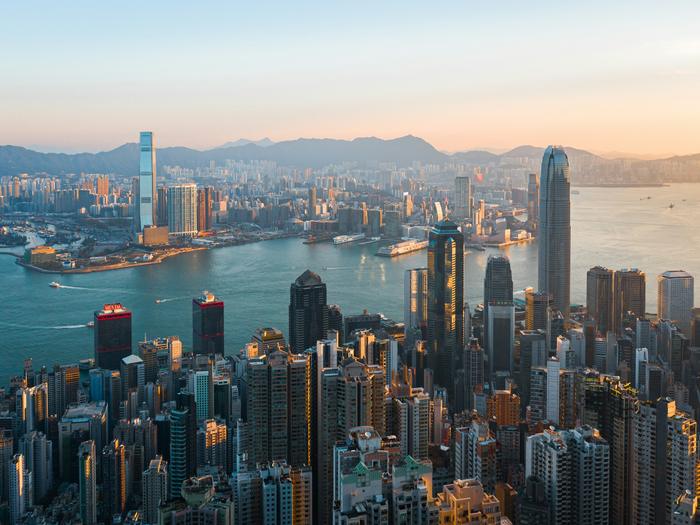
If you like South Korea, also consider
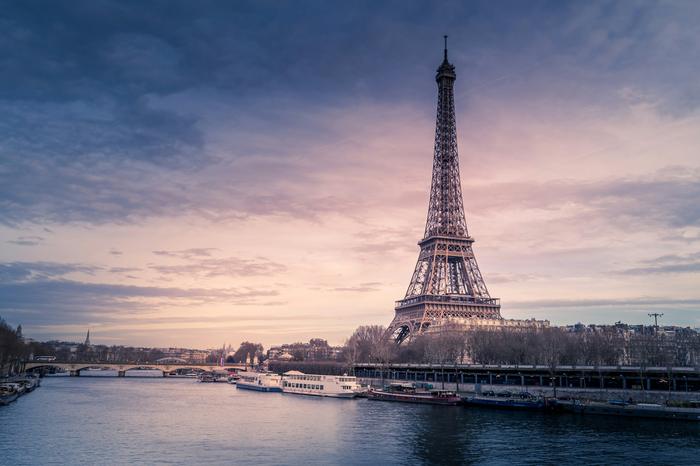
France
Paris is only the opening act — wine country, the Alps, and two coastlines.
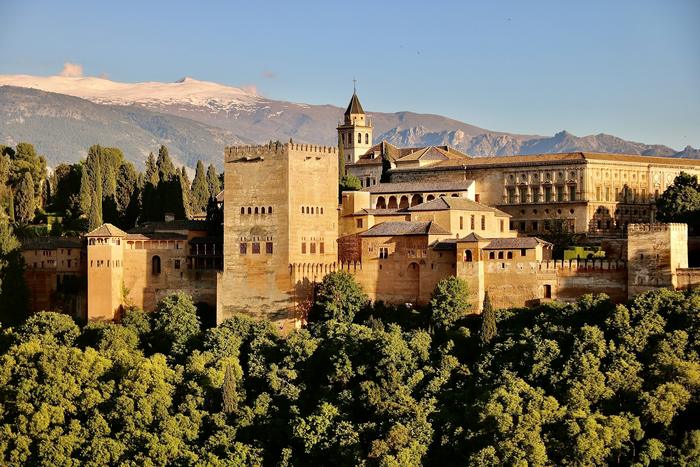
Spain
Food, beaches, and three or four cities that each justify the trip.
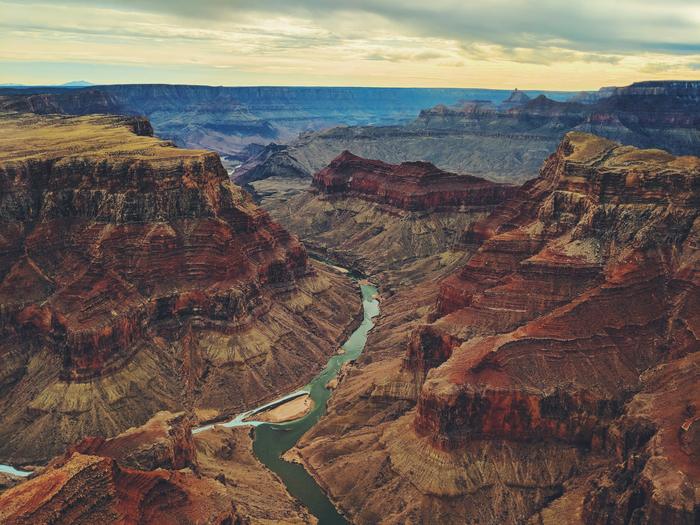
United States
A continent pretending to be a country — cities, deserts, and the best national parks anywhere.
Not sure where to go
Take the 5-minute quiz
Answer a few honest questions and get matched to destinations that actually fit how you travel.
Start the quiz