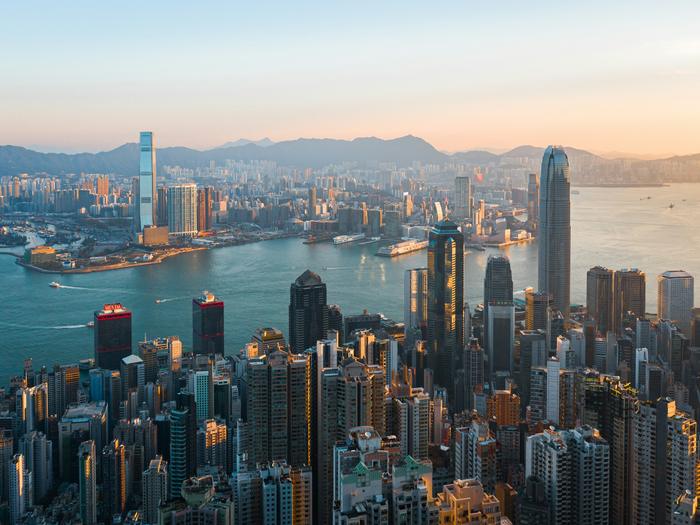
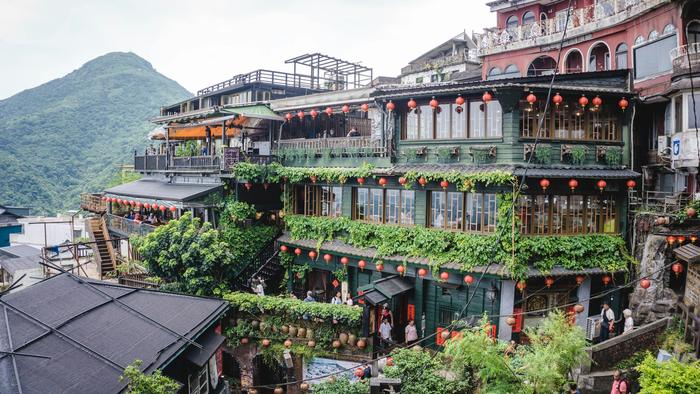
China vs South Korea

Two East Asian trips that feel worlds apart in friction. China is vast, cheap-ish and epic — once-in-a-lifetime scale and ancient history — but comes with real hurdles: the language barrier, the Great Firewall, visa rules and passport-booked sights. South Korea is compact, ultra-modern and smooth, pop-culture- and food-forward — the easier first trip to the region.

East Asia

China

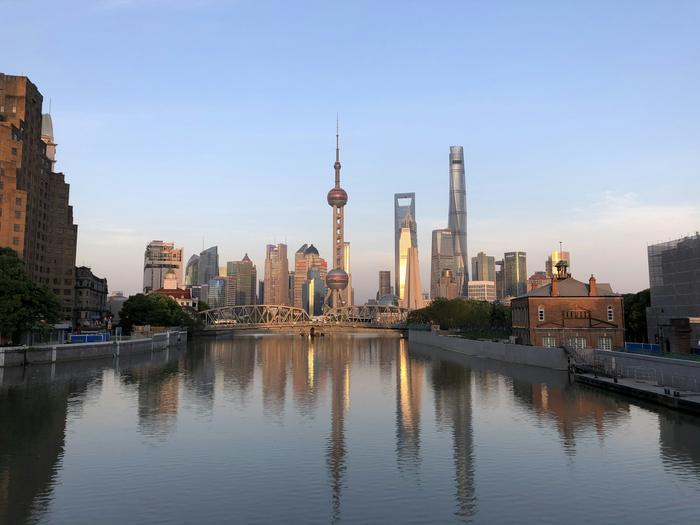
Ancient history and hypermodern cities at a scale that's hard to grasp until you're there.

Best time to visit
  1. January: avoid
  2. February: fine
  3. March: fine
  4. April: peak
  5. May: peak
  6. June: fine
  7. July: avoid
  8. August: avoid
  9. September: peak
  10. October: peak
  11. November: fine
  12. December: avoid
Peak Fine Avoid
East Asia

South Korea

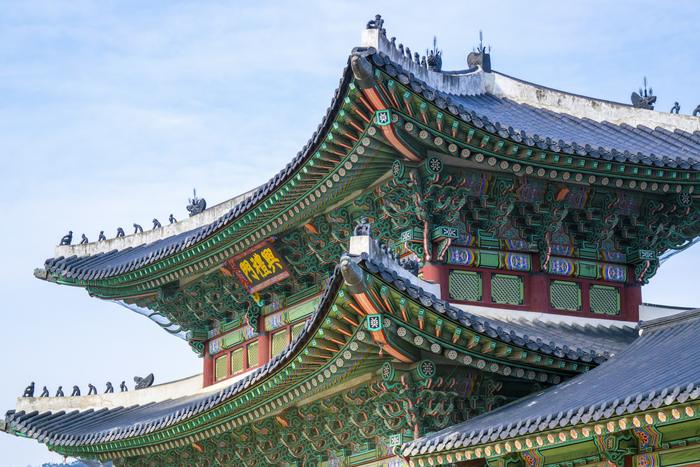
Seoul alone justifies the flight — food, nightlife, and mountains inside the city.

Best time to visit
  1. January: fine
  2. February: fine
  3. March: peak
  4. April: peak
  5. May: peak
  6. June: fine
  7. July: avoid
  8. August: avoid
  9. September: peak
  10. October: peak
  11. November: peak
  12. December: fine
Peak Fine Avoid

Read our full guides about China and South Korea.

Side by side

Emphasised where they differ. Muted rows are much the same either way.

China South Korea
Best time April, May, September, October March–May, September–November
Climate mild mild
Budget A wide range and generally good value — budget to comfortable Mid-to-higher — Seoul isn’t cheap, but cheaper than Tokyo
Trip length 2–4 wks 1–4 wks
Visa Tourist visa required for most Western passports; some cities offer visa-free transit. Verify before travel. K-ETA required for visa-free entry for most Western passports. Verify before travel.
Currency CNY (Yuan). Roughly 7 CNY ≈ 1 USD. KRW (Won). Roughly 1,350 KRW ≈ 1 USD.
Language Mandarin. English limited outside major hotels and sights. Korean. English signage in Seoul; less elsewhere.
Tap water Tap water not safe to drink. Boiled or bottled only. Tap water technically safe but most locals filter or buy bottled.
Safety Very safe for travelers; petty theft is rare. Extremely safe.

General guidance — visas, safety, and health change, so check your government's travel advisory and the official sources before you go.

The split

Epic and effortful, or smooth and modern

Both are East Asian heavyweights — the split is scale-with-friction versus ease-and-modernity.

Epic vs easythe character of eachOnce-in-a-lifetime scale, or a smooth first trip
Firewall vs openthe connectivity realityChina walls off your apps; Korea doesn’t
Both: great food, fast railwhat they shareHigh-speed trains and world-class eating

China is the epic, high-friction one: the Great Wall, the Forbidden City, the Terracotta Army and landscapes at a scale nothing else matches, cheap-ish and vast — but with real hurdles in the language barrier, the Great Firewall, passport-booked sights and (for Americans) a visa. South Korea is the smooth, modern one: compact, hyper-connected, food- and pop-culture-forward, with effortless transit and no firewall — the easiest way into East Asia, if a pricier and less epic one.

The operational detail for each — China’s visa-free/transit rules, the firewall and eSIM workaround; Korea’s K-ETA waiver and the new e-Arrival Card — lives on the two guides: China, know before you go and South Korea, know before you go. This page is the head-to-head.

Friction vs ease

The payoff, and the price in hassle

The real trade: China rewards you with scale and history, Korea rewards you with frictionless ease.

China asks more and gives more. You plan around a visa or transit rules, buy an eSIM to beat the firewall, lean on translation apps, and book sights with your passport — and in return you get the Great Wall, imperial Beijing, Xi’an and some of the planet’s great landscapes, at strong value across a huge country. Korea asks almost nothing. Enter visa-free (for most), file one online card, tap a T-money card, and everything works — maps, translation, payments — leaving you free to focus on the food, the palaces, the DMZ and the pop culture, on a smaller but sleeker trip.

So the question is your appetite for friction against epic scale. China for the once-in-a-lifetime big trip you’re willing to work for; Korea for the smooth, modern, lower-stress one.

Who suits which

Who each actually suits

Same region, same great food — the split is epic scale versus effortless ease.

If you want…ChinaSouth Korea
Epic scale and ancient historyWins clearly. The Wall, imperial Beijing, Xi’anPalaces and history, at smaller scale
The easiest, smoothest tripReal friction — firewall, language, visasWins clearly. Low-friction throughout
Working connectivity (your apps)Walled off — needs an eSIMWins. No firewall, everything works
K-culture, beauty, shoppingNot its thingWins. K-pop, drama, beauty, fashion
The widest value and itineraryWins. Vast, cheap-ish, long tripsCompact, mid-to-higher cost
A stress-free first East-Asia tripDemanding to planWins. The natural starter

Doing both

A short hop — with one transit catch

Close enough to pair easily — just mind how China’s transit rule works.

Seoul to Beijing or Shanghai is only about a 2–2.5-hour flight, with frequent service, so combining them into one East Asia trip is natural — many travellers ease into the region in Korea, then take on China’s bigger logistics. The one catch is the entry mechanics: China’s 240-hour visa-free transit requires onward travel to a third country, so a simple Korea–China round trip may not qualify for transit-only entry. If you’re pairing them, check whether you’re eligible for China’s 30-day visa-free entry, or need a full visa, rather than relying on transit.

What we leave out

What we deliberately leave out

Exact prices beyond the structural comparison — rail, lodging and tickets move, and exchange rates float, so the figures here are the shape of the difference, not a quote; the country guides carry the live detail. The most volatile items by far are the entry rules: China’s visa-free and 240-hour transit policies and Korea’s K-ETA waiver are all set to expire 31 December 2026. Re-verify every entry detail close to travel.

China or South Korea, month by month

Which of the two is the better bet for each month of the year, scored on how well the season suits each place.

Which to choose

Choose China if:

  • You want epic scale and deep history — the Great Wall, the Forbidden City, the Terracotta Army.
  • Dramatic landscapes, long itineraries and strong value, and you don’t mind planning friction.
  • The language barrier, the firewall and (for some) a visa don’t put you off.

Choose South Korea if:

  • You want ease and modernity — smooth transit, connectivity, no firewall.
  • World-class food and K-culture (K-pop, drama, beauty) are a big draw.
  • A stress-free first trip to East Asia, or a shorter, low-friction holiday.

Common questions

Is China or South Korea easier to travel?
South Korea, clearly — it’s compact, ultra-modern and low-friction: excellent metro and high-speed rail, cards and mobile pay everywhere, and no firewall, so Google Maps and translation apps just work. China is the more demanding trip: a real language barrier, the Great Firewall blocking your usual apps (plan an eSIM), passport-linked timed booking for major sights, and — for Americans — a visa. For a first, easy taste of the region, Korea.
Which is better value, China or South Korea?
China has the wider range and lower floor — it can be done cheaply or comfortably, and is generally good value across its scale. South Korea is mid-to-higher: Seoul isn’t cheap, though it’s cheaper than Tokyo, and great street food and cheap transit offset the hotels. China stretches a budget further; Korea is the pricier but smoother trip.
What does each do best?
China is about epic scale and ancient civilisation — the Great Wall, the Forbidden City, the Terracotta Army, and landscapes like Guilin and Zhangjiajie — a once-in-a-lifetime, big-itinerary country. South Korea is about modernity and culture up close — K-pop and K-drama, beauty and shopping, some of the best food in Asia, palaces and the DMZ — a sleeker, more contemporary trip.
Do the entry rules differ a lot?
Yes, and both are in flux for 2026. China offers 30-day visa-free entry to 40-plus countries (not the US, which needs a visa or uses the 240-hour transit). South Korea has waived its K-ETA for 67 countries, so most visitors enter visa-free — but everyone now files the new mandatory e-Arrival Card. Critically, China’s visa-free/transit policies and Korea’s K-ETA waiver are all set to expire 31 December 2026, so re-check before a 2027 trip.
Should I combine China and South Korea?
They pair well — Seoul to Beijing or Shanghai is only about a 2–2.5-hour flight, with frequent service — so a combined East Asia trip works, often easing into the region in Korea before taking on China’s bigger logistics. One caveat: China’s 240-hour visa-free transit requires onward travel to a third country, so a simple Korea–China round trip may not qualify for transit-only entry — check whether you need China’s 30-day visa-free (if eligible) or a full visa.
Still undecided

Take the quiz

Three matches. Often answers comparison questions for you.

Start the quiz