Kyrgyzstan
The most accessible corner of nomad Central Asia — high alpine lakes, yurts, and horses, for almost nothing.
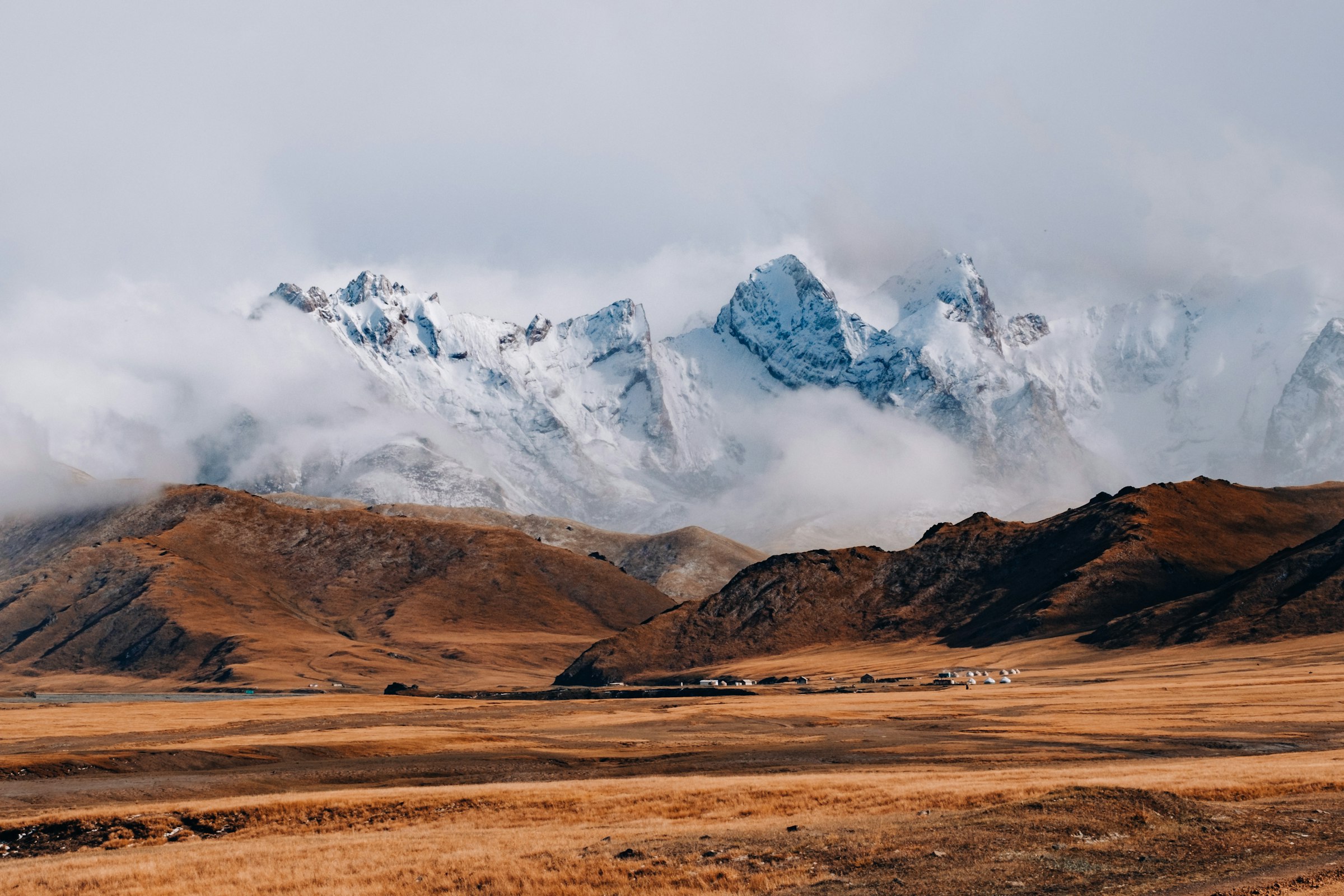
Kyrgyzstan is a small, mountainous country that runs on nomadism and altitude: more than nine-tenths of it is mountains, and in summer families still move their herds up to high pastures and live in yurts. Visa-free, dirt-cheap, and set up for independent trekkers, it has quietly become the adventure-travel darling of Central Asia — the place to ride a horse to an alpine lake, sleep in a yurt with a nomad family, and see the Tien Shan up close.
The summer highlight is Song-Köl, a high mountain lake ringed by grazing land where you stay in yurts among the herders — days of nothing but horses, stars, and silence. Issyk-Kul, the vast warm lake in the northeast, is the country's summer playground, with the trekking hub of Karakol and the peaks of the Terskey Ala-Too above it. The Tien Shan and Ala-Archa gorge near Bishkek offer serious hiking straight out of the capital, and the community-based tourism (CBT) network makes homestays, horse guides, and yurt stays genuinely easy to arrange on the ground. The old Silk Road caravanserai of Tash Rabat sits alone in a valley near the Chinese border.
The honest part: this is a summer-only, active, roughing-it destination — the high passes and yurt camps only make sense from roughly June to September, the infrastructure is basic, roads are rough, and English is rare (Kyrgyz and Russian rule). You need a tolerance for altitude, cold nights, long bumpy drives, and simple food. There are essentially no cities worth the trip and few 'sights' in the conventional sense. What there is instead is raw high-mountain wilderness and a living nomadic culture, at a price that barely registers — one of the last genuine adventures left this cheap.
Highlights
-
Song-Köl
A high alpine lake ringed by summer pastures — yurt stays among the herders, and nothing but horses and stars.
-
Issyk-Kul
A vast, warm mountain lake in the northeast — the country’s summer playground, backed by snow peaks.
-
Horse trekking
The way to travel here — multi-day rides between high pastures and yurt camps with local guides.
-
Karakol & the Tien Shan
A trekking base below serious peaks, with the Jeti-Ögüz red rock formations nearby.
-
Ala-Archa Gorge
Alpine hiking and glaciers within easy reach of the capital, Bishkek.
-
Tash Rabat
A lonely stone Silk Road caravanserai in a remote valley near the Chinese border.
Practical info
- Visa
- Visa-free for most Western passports (typically 60 days). Verify before travel.
- Currency
- Kyrgyzstani Som (KGS); carry cash, especially in the mountains.
- Language
- Kyrgyz and Russian; little English outside a few tour operators.
- Safety
- Very safe for travelers; the real risks are altitude, weather, and rough roads.
- Getting around
- Shared taxis (marshrutkas) and hired 4x4s with drivers; the CBT network arranges guides and horses.
- Tap water
- Drink bottled or purified water.
- Plug type
- Type C Type F 220V
- Money
- Cash economy; ATMs in Bishkek and larger towns only. Bring US dollars to exchange.
General guidance — visas, safety, and health change, so check your government's travel advisory and the official sources before you go.
Common questions
- When is the best time to visit Kyrgyzstan?
- Kyrgyzstan is at its best in June–September. It's best to avoid January, February, March.
- How many days do you need in Kyrgyzstan?
- Most trips run 1–2 weeks, depending on how much ground you want to cover.
- Is Kyrgyzstan expensive?
- Plan for backpacker – budget daily spend, depending on how you travel.
- Is Kyrgyzstan safe for travelers?
- Very safe for travelers; the real risks are altitude, weather, and rough roads.
- Do you need a visa for Kyrgyzstan?
- Visa-free for most Western passports (typically 60 days). Verify before travel.
Compare Kyrgyzstan with
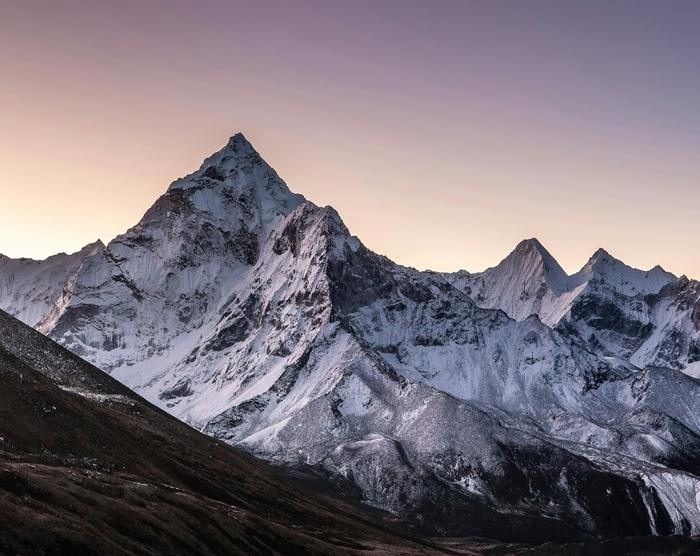
If you like Kyrgyzstan, also consider
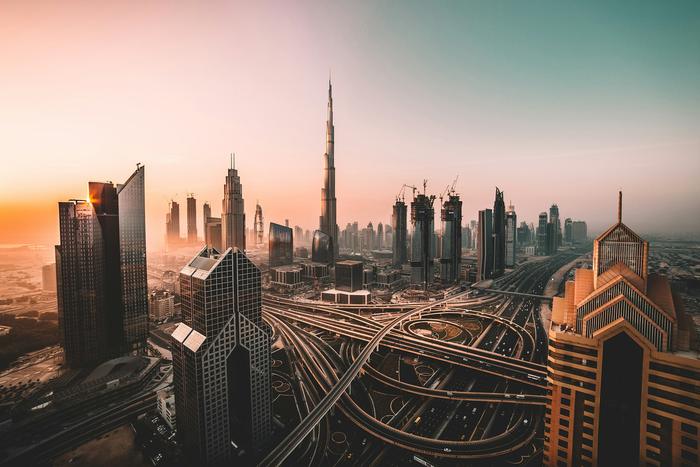
United Arab Emirates
Dubai and Abu Dhabi: superlatives, desert, and a stopover worth a few days of its own.
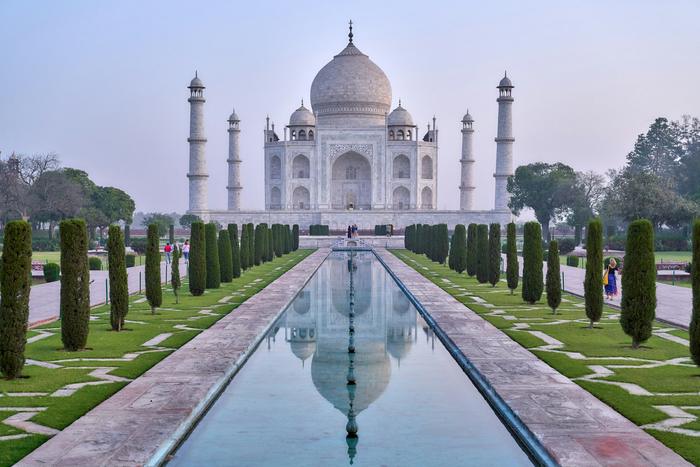
India
Overwhelming, beautiful, and utterly unlike anywhere else.
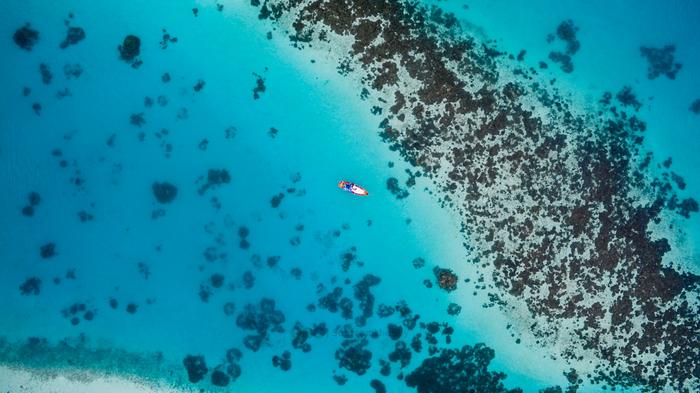
Maldives
One island, one resort, almost nothing to do. That is the point.
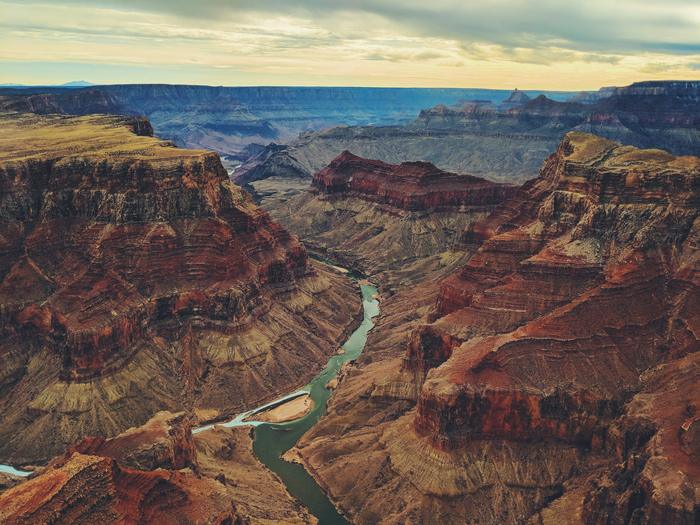
United States
A continent pretending to be a country — cities, deserts, and the best national parks anywhere.
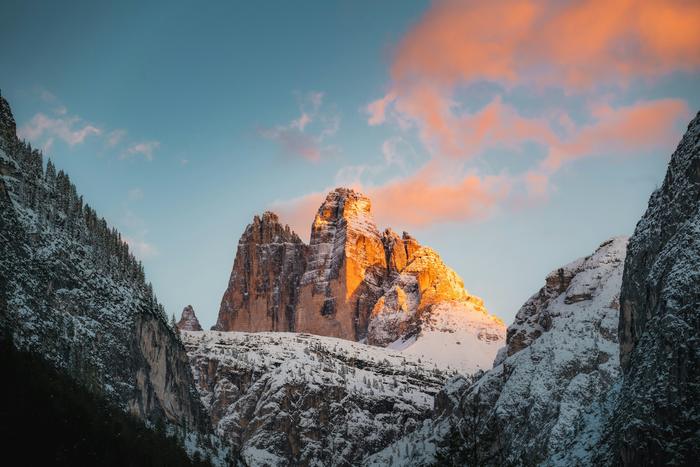
The Alps
The ski and alpine benchmark — every other mountain range is measured against this.
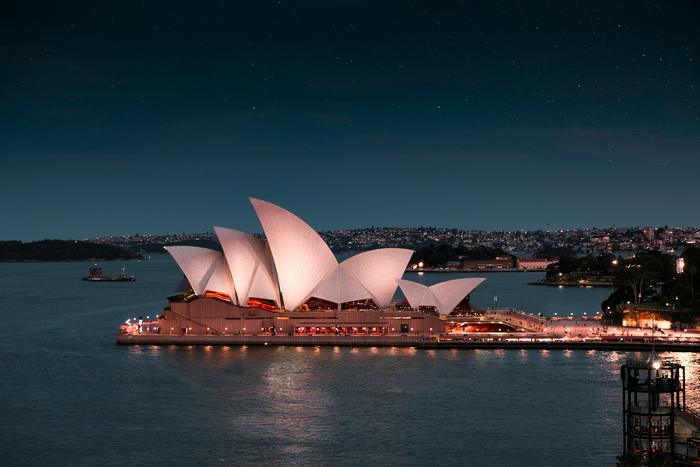
Australia
Vast, varied, relaxed. Reef, Sydney, and proper wilderness in one.
Not sure where to go
Take the 5-minute quiz
Answer a few honest questions and get matched to destinations that actually fit how you travel.
Start the quiz