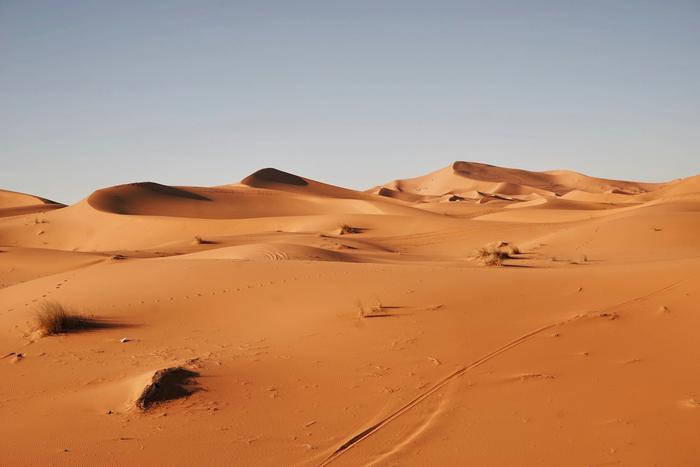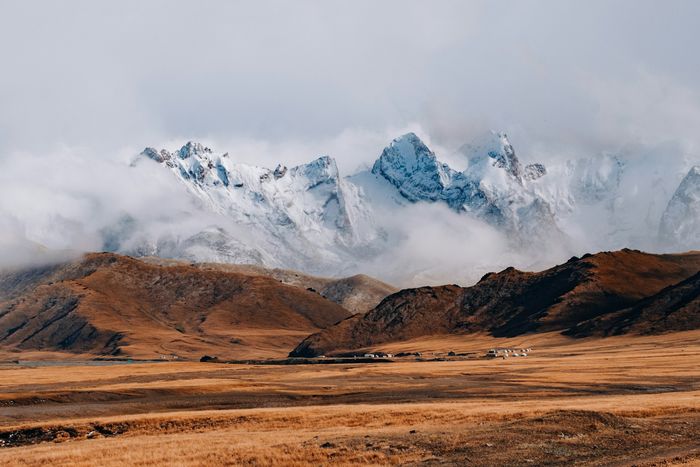
Kyrgyzstan vs Uzbekistan

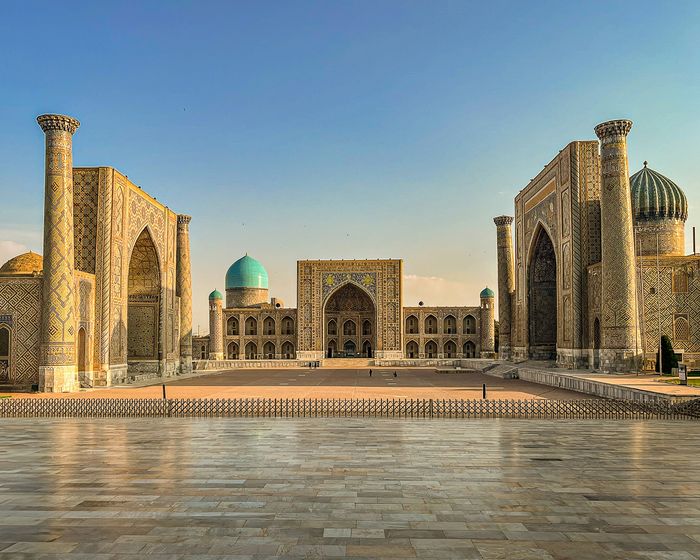
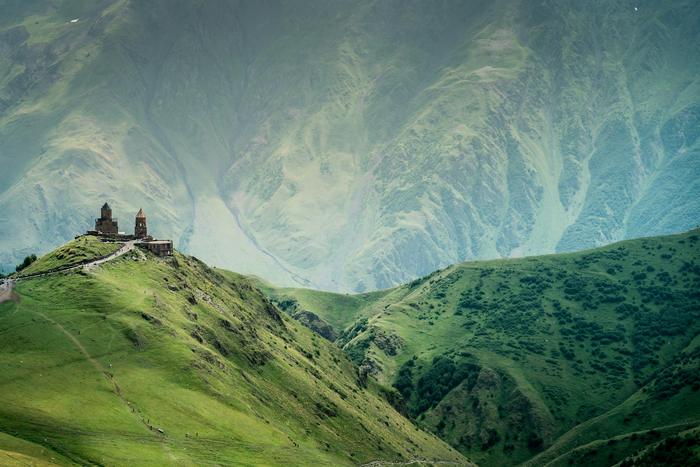
The two halves of a Central Asian trip, and most people lean to one. Kyrgyzstan is nature and nomads: high alpine lakes, summer pastures dotted with yurts, horse treks and a living nomadic culture, on a short mountain season. Uzbekistan is the Silk Road made real: Samarkand, Bukhara and Khiva, turquoise-tiled cities and spectacular monuments, on an easy year-round circuit. Wild mountains and yurts, or tiled cities and history.

Central Asia

Kyrgyzstan

The most accessible corner of nomad Central Asia — high alpine lakes, yurts, and horses, for almost nothing.

Best time to visit
  1. January: avoid
  2. February: avoid
  3. March: avoid
  4. April: fine
  5. May: fine
  6. June: peak
  7. July: peak
  8. August: peak
  9. September: peak
  10. October: fine
  11. November: avoid
  12. December: avoid
Peak Fine Avoid
Central Asia

Uzbekistan

The Silk Road made real — turquoise-tiled cities that look like nowhere else, at prices that barely register.

Best time to visit
  1. January: avoid
  2. February: avoid
  3. March: fine
  4. April: peak
  5. May: peak
  6. June: fine
  7. July: avoid
  8. August: avoid
  9. September: peak
  10. October: peak
  11. November: fine
  12. December: avoid
Peak Fine Avoid

Read our full guides about Kyrgyzstan and Uzbekistan.

Side by side

Emphasised where they differ. Muted rows are much the same either way.

Kyrgyzstan Uzbekistan
Best time June–September April, May, September, October
Climate cold mild
Budget Startlingly cheap — CBT homestays and horse treks cost little; a short season and remote logistics are the constraint Startlingly cheap once there — though fast trains and restored monuments both raised prices recently
Trip length 1–2 wks 1–2 wks
Visa Visa-free for most Western passports (typically 60 days). Verify before travel. Visa-free for many Western passports (typically 30 days) or a simple e-visa. Verify before travel.
Currency Kyrgyzstani Som (KGS); carry cash, especially in the mountains. Uzbekistani Som (UZS); carry cash, though cards are increasingly accepted in cities.
Language Kyrgyz and Russian; little English outside a few tour operators. Uzbek and Russian; little English outside the main hotels and sights.
Tap water Drink bottled or purified water. Drink bottled water.
Safety Very safe for travelers; the real risks are altitude, weather, and rough roads. Very safe for travelers; petty crime is low and the police presence is heavy.

General guidance — visas, safety, and health change, so check your government's travel advisory and the official sources before you go.

The split

Mountains and nomads, or tiled cities

The classic Central Asia split — one wild, outdoor and nomadic, the other the Silk Road’s architecture.

Nature vs culturethe tripMountains and yurts, or tiled cities
Rugged vs easythe travelMarshrutkas and 4WDs, or fast trains
Summer vs year-roundthe seasonA short mountain window, or much of the year

Kyrgyzstan is nature and nomads: high alpine lakes, summer pastures dotted with yurts, horse treks and a living nomadic culture — but on a short mountain season. Uzbekistan is the Silk Road made real: Samarkand, Bukhara and Khiva, turquoise-tiled cities and spectacular monuments, on an easy, comfortable, largely year-round circuit. Wild mountains and yurts, or tiled cities and history — the two halves of Central Asia.

Operational detail — Kyrgyzstan’s new 30-day visa rule, short season and Batken border caution; Uzbekistan’s visa-free access, new Khiva train and recent fare and fee rises — lives on the two guides: Kyrgyzstan, know before you go and Uzbekistan, know before you go. This page is the head-to-head.

Who suits which

Who each actually suits

Nature-and-nomads or Silk-Road-cities — so these never invert.

If you want…KyrgyzstanUzbekistan
Mountains and horse treksWins clearly. Song-Köl, yurtsFlatter, city-based
The Silk Road citiesSome history, not the drawWins clearly. Samarkand, Khiva
A living nomadic cultureWins. Yurtstays, jailooSettled, urban
Spectacular architectureLandscape over monumentsWins. World-class tilework
Easy, comfortable travelRugged and seasonalWins. Fast trains, year-round
The outdoors and hikingWins. A mountain tripMinimal

Doing both

Natural to combine

Neighbours — mountains and the Silk Road in one trip.

These pair beautifully: they’re neighbours, and combining them gives the full Central Asia — Kyrgyzstan’s mountains and Uzbekistan’s Silk Road cities — often linked via the Fergana Valley. The seasons align in summer, Kyrgyzstan’s short window, when Uzbekistan’s cities are hot but manageable; mind Kyrgyzstan’s new 30-day visa-free limit on a regional loop. If choosing one, pick Kyrgyzstan for mountains and nomads, Uzbekistan for the Silk Road.

What we leave out

What we deliberately leave out

Exact prices and the moving pieces — Kyrgyzstan’s transport and trek costs; Uzbekistan’s train fares and site-entry fees — change within a season, so the figures here are the shape of the gap, not a quote; the country guides carry the live detail.

Kyrgyzstan or Uzbekistan, month by month

Which of the two is the better bet for each month of the year, scored on how well the season suits each place.

Which to choose

Choose Kyrgyzstan if:

  • You want mountains, yurts, horse treks and nomadic culture.
  • The outdoors and wild landscapes are the draw.
  • Nature-and-nomads beats a city circuit.

Choose Uzbekistan if:

  • You want the Silk Road — Samarkand, Bukhara, Khiva’s tiled cities.
  • Spectacular monuments and history are the draw.
  • Architecture-and-history beats mountains and yurts.

Common questions

How do Kyrgyzstan and Uzbekistan compare?
By nature versus culture — the classic Central Asian split. Kyrgyzstan is mountains and nomads — high alpine lakes, summer yurt pastures, horse treks and a living nomadic culture, on a short season. Uzbekistan is the Silk Road — Samarkand, Bukhara and Khiva, turquoise-tiled cities and monuments, on an easy year-round circuit. Wild mountains and yurts, or tiled cities and history. See the Kyrgyzstan and Uzbekistan guides.
Which is more outdoorsy, and which more cultural?
Strongly split. Kyrgyzstan is the outdoor trip — hiking, horse trekking to Song-Köl, yurtstays, alpine lakes — with relatively little in the way of grand monuments. Uzbekistan is the cultural trip — some of the most spectacular built spaces anywhere, a city-circuit of tiled madrasas and mosques — with flatter, less dramatic landscape. Active and wild, or architectural and historic.
Which is easier to travel, and when?
Uzbekistan is far easier — fast trains link the Silk Road cities, it’s comfortable and works much of the year (spring and autumn best, summer very hot). Kyrgyzstan is more rugged and seasonal — marshrutkas, shared taxis and 4WDs, with the high country only open roughly mid-June to September. Easy and year-round, or rugged and summer-bound.
Can I combine them?
Yes, and many do — they’re neighbours and pair naturally into a fuller Central Asia trip (mountains and the Silk Road), often via the Fergana Valley. Note Kyrgyzstan’s new 30-day visa-free limit if you’re looping the region. The seasons align in summer (Kyrgyzstan’s window), when Uzbekistan’s cities are hot but doable. Otherwise, decide on mountains and nomads, or the Silk Road.

Still undecided

Take the quiz

Three matches. Often answers comparison questions for you.

Start the quiz