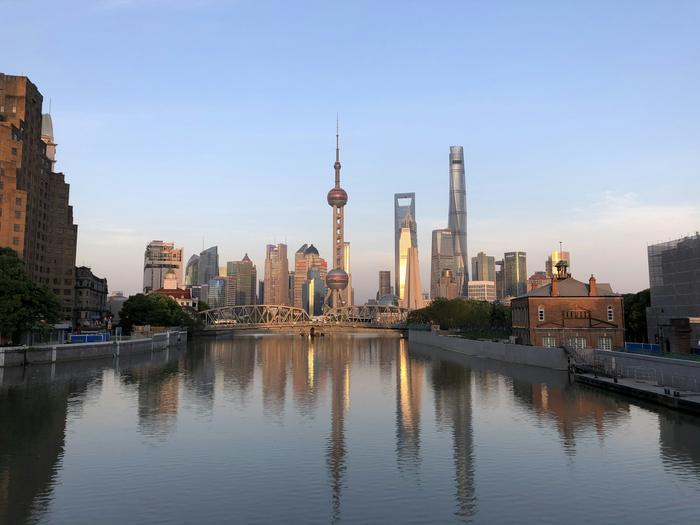
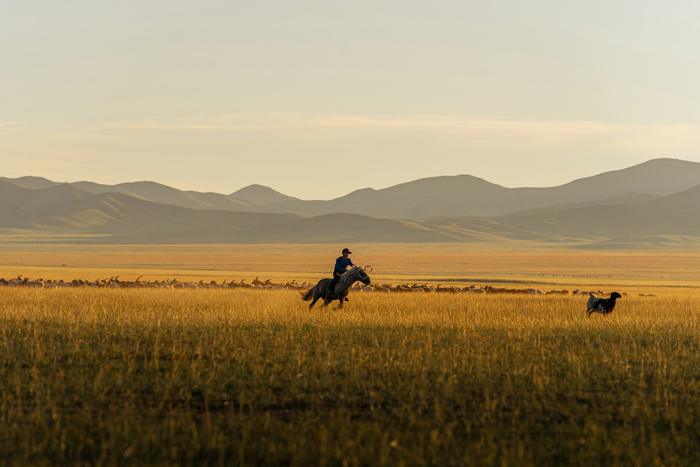
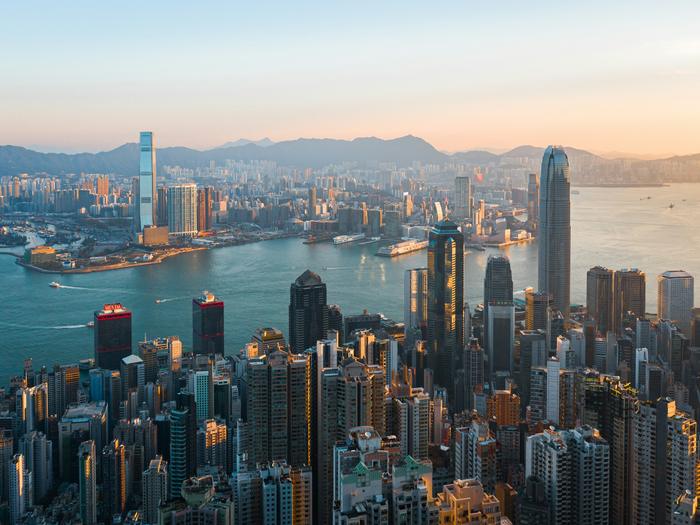
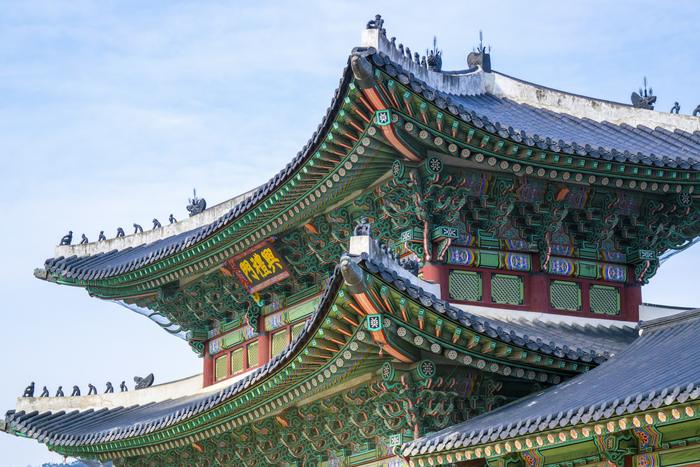
Neighbours at opposite extremes. China is a vast, developed civilisation — megacities, the Great Wall, thousands of years of history, and the world’s best high-speed rail knitting it together, with near-infinite variety. Mongolia is the empty opposite: a genuine expedition across roadless steppe, nights in nomad ger camps, the Gobi’s dunes, and one of the last nomadic cultures on earth.
Neighbours at opposite extremes — one is vast and developed, the other empty and raw.
Developed vs rawthe characterMegacities and high-speed rail, or roadless steppe
Variety vs emptinesswhat each is really forNear-infinite range, or wilderness and nomadic life
Fast vs slowhow you travelBullet trains, or slow 4x4 with a driver
China is a vast, developed civilisation: megacities, the Great Wall, thousands of years of history, and the world’s best high-speed rail, with near-infinite variety and smooth logistics. Mongolia is the empty opposite: a genuine expedition across roadless steppe, nights in nomad ger camps, the Gobi’s dunes, and one of the last nomadic cultures on earth. Developed range, or raw wilderness.
The operational detail — China’s visa and visa-free transit, high-speed rail and site logistics, Mongolia’s rolling visa-free trial and summer-only expedition travel — lives on the two guides: China, know before you go and Mongolia, know before you go. This page is the head-to-head.
Who suits which
Who each actually suits
Developed-variety or raw-expedition — so these never invert.
If you want…
China
Mongolia
Megacities and deep history
Wins clearly. A whole civilisation
One real city
A genuine wilderness expedition
Developed
Wins clearly. Roadless steppe
Fast, easy travel
Wins. World-best high-speed rail
Slow 4x4 with a driver
Nomadic culture and the Gobi
Not the draw
Wins. Ger camps, singing dunes
Near-infinite variety
Wins. Cities, mountains, karst
Steppe and desert
Year-round flexibility
Wins. By region
Summer-only
Doing both
The Trans-Mongolian pairing
Neighbours — linked by one of the great railways.
They pair naturally via the Trans-Mongolian railway between Beijing and Ulaanbaatar (and on to Russia), with Mongolia also often reached through a Beijing hub. A combined trip runs China’s developed, hyper-varied civilisation into Mongolia’s empty, raw expedition — a striking contrast. Build it around Mongolia’s short summer (June–September), and mind each country’s entry: China’s visa and expanding visa-free transit, and Mongolia’s rolling visa-free trial.
What we leave out
What we deliberately leave out
Exact prices and the moving pieces — China’s visa/transit policy and rail costs, Mongolia’s expedition costs and rolling visa-free status — change within a season, so the figures here are the shape of the gap, not a quote; the country guides carry the live detail.
China or Mongolia, month by month
Which of the two is the better bet for each month of the year, scored on
how well the season suits each place.
You want a genuine expedition — empty steppe, ger camps, the Gobi, nomadic life.
Raw emptiness and a vanishing culture are the whole point.
You’ll trade comfort and speed for wilderness and space.
Common questions
Should I combine China and Mongolia?
Very naturally — they’re neighbours, and the classic link is the Trans-Mongolian railway between Beijing and Ulaanbaatar (continuing to Russia). Mongolia is also often reached via a Beijing hub. A combined trip gives you China’s developed, hyper-varied civilisation and then Mongolia’s empty, raw expedition — a dramatic contrast. Mind each country’s entry: China’s visa (and its expanding visa-free transit schemes), and Mongolia’s rolling visa-free trial. See the China and Mongolia guides.
Which is more varied and developed?
China, overwhelmingly — it’s a vast, developed civilisation with megacities, the Great Wall, the Terracotta Army, karst landscapes and the world’s best high-speed rail, offering near-infinite range and smooth logistics. Mongolia is the empty opposite — one real city, then roadless steppe and the Gobi. Boundless developed variety, or raw wilderness and space.
Which is easier to travel?
China, by a mile — its high-speed rail network makes crossing a huge country fast and easy, and the tourism infrastructure is deep (if the language and the Great Firewall take adjustment). Mongolia is a genuine expedition: almost no paved roads outside Ulaanbaatar, slow 4x4 travel with a driver, basic ger camps. Smooth and fast, or slow and raw.
When should I go?
China works much of the year by region (spring and autumn are generally best; summer is hot and crowded, winter cold in the north). Mongolia is effectively summer-only (June–September) — winters are brutally cold and Ulaanbaatar’s winter smog is among the world’s worst. If you combine them, build the trip around Mongolia’s short summer window.