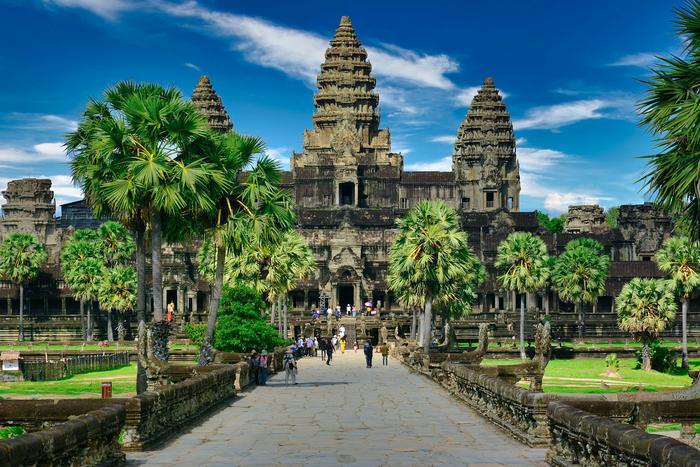
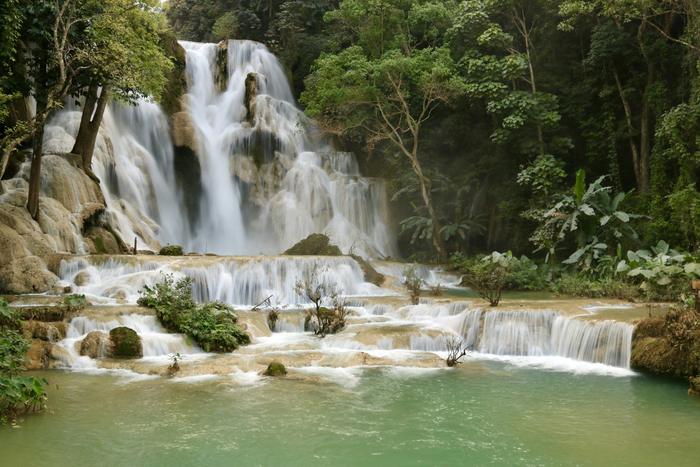
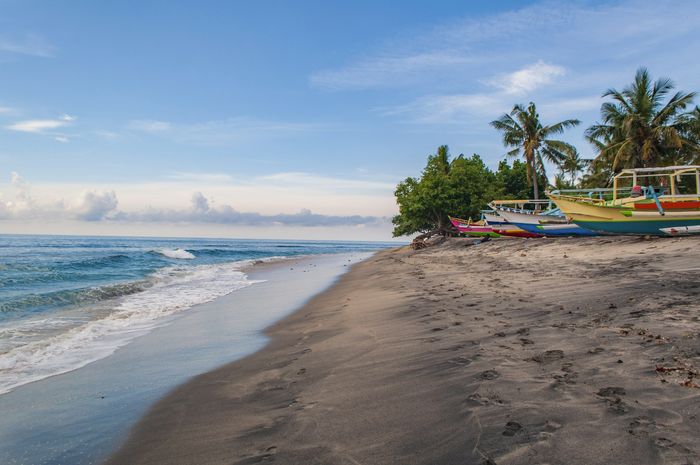
Two neighbouring South-East Asian countries, one far more famous than the other. Thailand is the region’s tourism giant — world-renowned beaches, Bangkok’s energy, golden temples, legendary food and the smoothest travel infrastructure in Asia. Malaysia is the underrated multicultural one — a Malay-Chinese-Indian melting pot with arguably the region’s best street food, Kuala Lumpur’s skyline, and the wild rainforests and orangutans of Borneo — quieter, cheaper and English-friendly. One is the polished classic; the other a diverse, under-the-radar reward.
Thailand is Southeast Asia's default — more developed tourism, more famous islands, better-known nightlife and temples — and it's brilliant at it. Malaysia is the underrated one next door: quieter, just as cheap, and arguably more diverse, thanks to a genuine Malay-Chinese-Indian melting pot that makes its food some of the best in the region.
Go to Thailand for the classic, effortless island-and-temple trip with all the infrastructure and buzz. Go to Malaysia for variety without the crowds: Penang and KL for food, Borneo for rainforest and orangutans, the Cameron Highlands for tea and cool air, and islands like the Perhentians for the snorkelling. Thailand is the safe, polished bet; Malaysia rewards the traveler who wants food, diversity, and Borneo over nightlife and fame.
Side by side
Emphasised where they differ. Muted rows are much the same either way.
Both are warm, cheap and food-rich — but one is a multicultural, Borneo-wild underdog, the other the famous, do-it-all classic.
Quiet vs famousthe profileUnder-the-radar and diverse, or the region’s tourism giant
Borneo vs beachesthe natureRainforest and orangutans, or world-famous islands
Melting pot vs Thaithe cultureMalay-Chinese-Indian mix, or quintessential Thailand
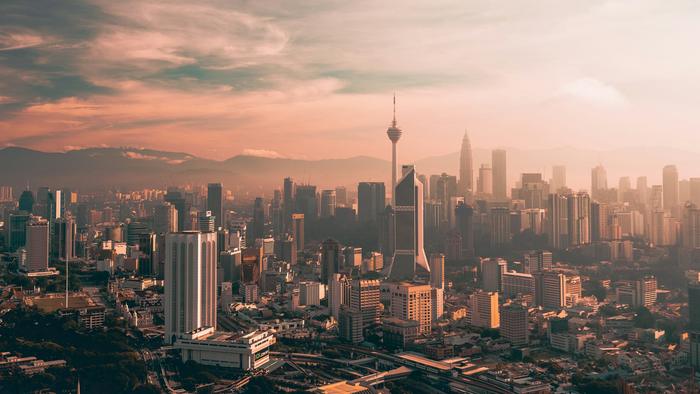
Thailand is the tourism giant — famous beaches, Bangkok’s energy, golden temples, legendary food and the smoothest infrastructure in South-East Asia. Malaysia is the underrated multicultural one: a Malay-Chinese-Indian melting pot with some of the region’s best street food, Kuala Lumpur’s skyline, and the wild rainforests and orangutans of Borneo — quieter, cheaper and English-friendly.
The operational detail — Malaysia’s arrival card and regional seasons; Thailand’s arrival card and seasons — lives on the two guides: Malaysia, know before you go and Thailand, know before you go. This page is the head-to-head.
The real difference
Diverse and quiet, or famous and easy
The trade: Malaysia offers multicultural food, Borneo nature and fewer crowds; Thailand offers famous beaches and the easiest travel in Asia.
Malaysia wins on diversity and nature. Its food culture is a destination in itself, Borneo offers genuine wilderness and orangutans, and it’s quieter and English-friendly — an underrated, rewarding trip for travellers who like to go a little off the obvious track.
Thailand wins on fame, beaches and ease. The iconic beaches, temples, nightlife and seamless infrastructure make it the effortless, do-it-all classic, at outstanding value. Choose underrated diversity, or the polished giant.
Who suits which
Who each actually suits
Both are warm and cheap — but one leans diversity and Borneo, the other famous beaches and ease.
If you want…
Malaysia
Thailand
Multicultural street food
Wins. Penang and beyond
World-famous too
Famous beaches and islands
Langkawi, Perhentians
Wins. Phuket, Krabi
Rainforest and orangutans
Wins. Borneo
Jungle, but not the draw
The easiest travel in the region
Easy and English-friendly
Wins. Most developed
Fewer crowds
Wins. Under the radar
Busy and famous
Temples, nightlife and buzz
KL and Melaka
Wins. Bangkok and the islands
Doing both
Neighbours you can pair
A land border and short flights — easy to combine.
Malaysia and Thailand are neighbours linked by a land border and short flights, so a longer South-East Asia trip pairs them naturally (often adding Singapore) — Thailand’s beaches and temples with Malaysia’s cities and Borneo. Each also compares with the wider region (see Malaysia vs Singapore, Malaysia vs Philippines, Japan vs Thailand and Philippines vs Thailand).
What we leave out
What we deliberately leave out
Exact prices beyond the structural comparison — both are cheap and move with season — so the figures here are the shape of the difference, not a quote; the country guides carry the live detail. Each country’s entry mechanics (the digital arrival cards) and regional seasons are covered on its guide rather than restated here.
Malaysia or Thailand, month by month
Which of the two is the better bet for each month of the year, scored on
how well the season suits each place.
Famous beaches, temples, nightlife and buzz top the list.
You want the easiest, most developed travel in the region.
The classic, do-it-all South-East Asia trip.
Common questions
Is Malaysia or Thailand better for food?
Both are world-class, and this is genuinely close. Malaysia may have the edge for sheer diversity — its Malay, Chinese and Indian heritage makes it one of the great street-food destinations on Earth (Penang is a pilgrimage for eaters). Thailand has the more globally famous cuisine and an unbeatable street-and-market food scene. For multicultural range, Malaysia; for iconic Thai food, Thailand — you can’t lose either way.
Which is better for beaches and nature?
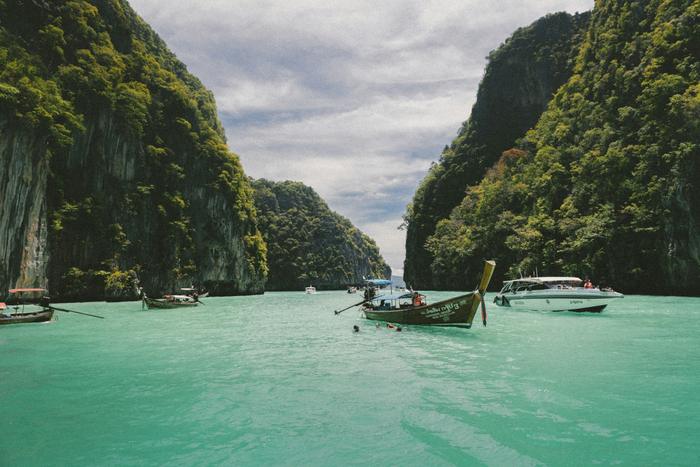
They split. Thailand wins on famous beaches (Phuket, Krabi, the islands) with easy access and infrastructure. Malaysia wins on wild nature — the rainforests, orangutans and diving of Borneo (Sabah, Sarawak), plus islands like Langkawi and the Perhentians. For classic beach holidays, Thailand; for rainforest and wildlife, Malaysia.
Which is easier and quieter?
Thailand is the easiest to travel — the most developed tourist infrastructure in the region, a well-trodden circuit and endless options. Malaysia is also easy (English is widely spoken, and it’s very navigable) but quieter and less touristy, which many travellers prize. For seamless, well-worn travel, Thailand; for a smooth but less-crowded trip, Malaysia.
Which is better value?
Both are excellent value; Malaysia is often a touch cheaper and very easy on the wallet, while Thailand’s scale and competition mean outstanding value across every tier from backpacker to luxury. Neither will strain a budget. The country guides carry the detail: Malaysia and Thailand.
Can I combine them?
Yes — they’re neighbours with a land border and short flights, so a longer South-East Asia trip pairs them naturally (often with Singapore too). A combined trip might mix Thailand’s beaches and temples with Malaysia’s cities and Borneo. Each also compares with the wider region — Malaysia with Singapore and the Philippines, Thailand with Japan and the Philippines.