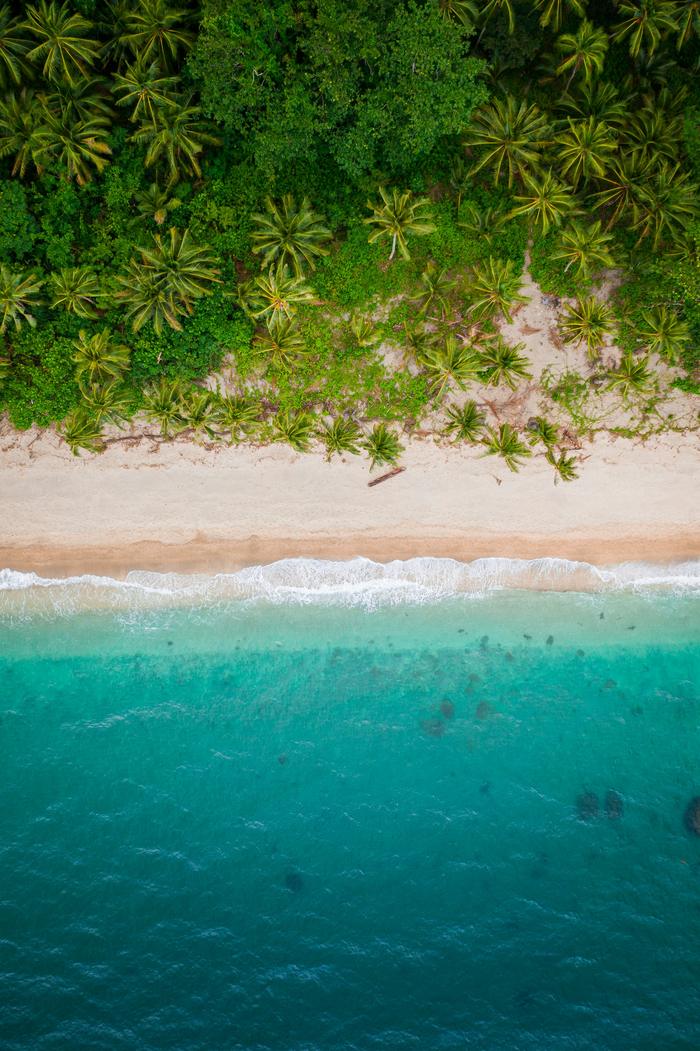
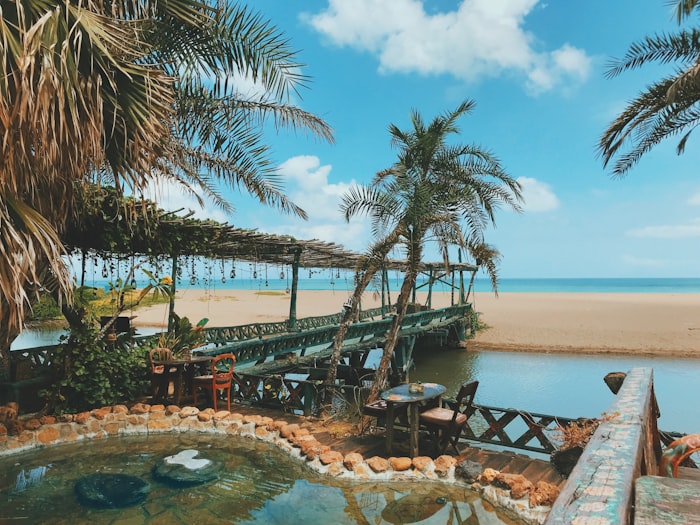
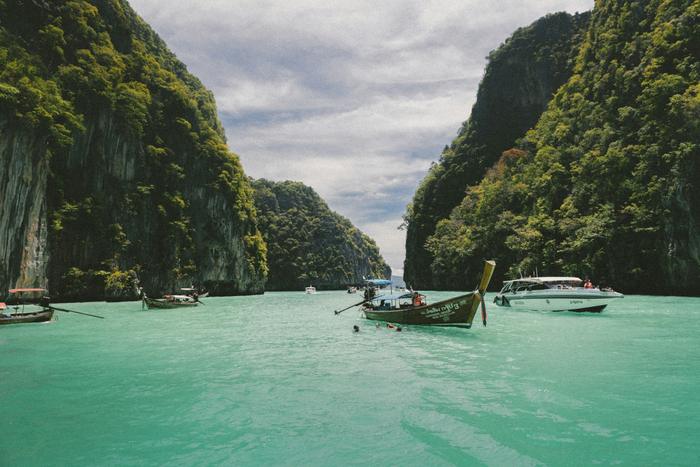
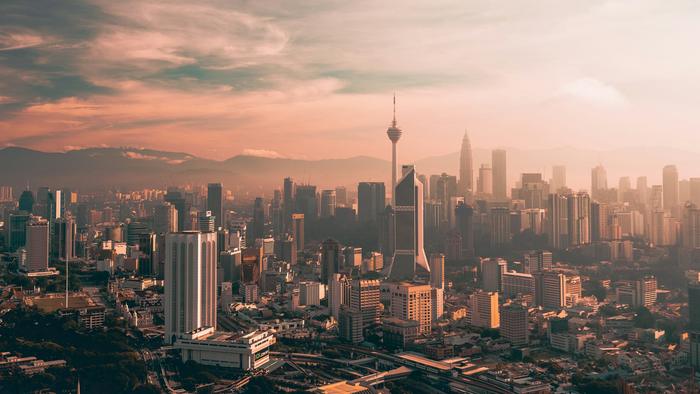
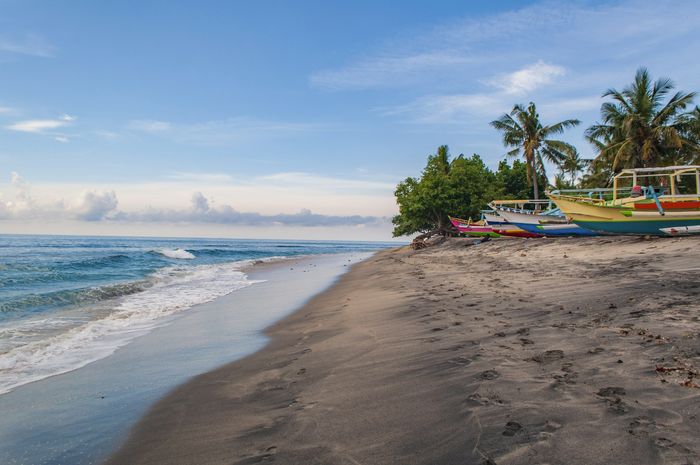
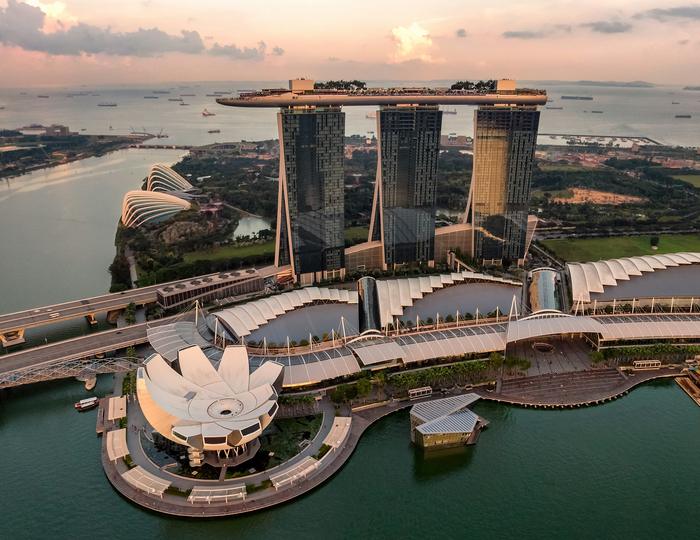
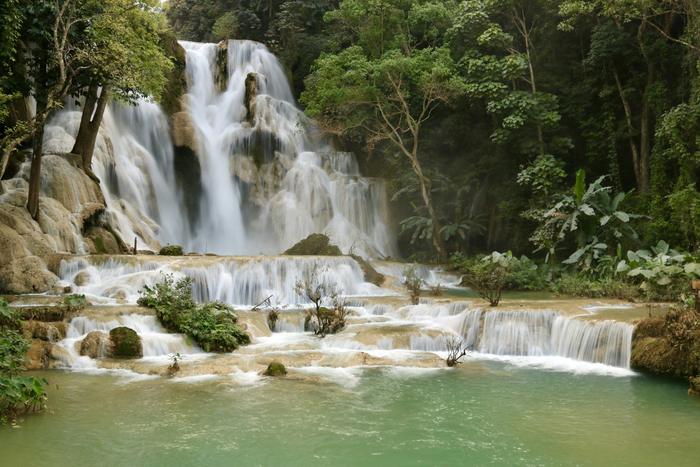
Two of South-East Asia’s great trips, pulling in opposite directions. The Philippines is the island one — more than seven thousand islands, some of the world’s best beaches and diving, and a warm, English-speaking holiday that lives on the water and hops between islands by plane and boat. Vietnam is the mainland one — a long, narrow country of fast cities, a food culture that is a destination in itself, deep history and limestone seascapes, travelled overland from north to south. Both are cheap and tropical; one is about getting to the water, the other about moving down a country.
These deliver almost opposite trips. Vietnam is a long, cheap, culture-heavy overland journey — you travel top to bottom through cities, food, history, and landscapes like Halong Bay and Hoi An, all easily strung together. The Philippines is a fly-between-islands beach country, light on history and cities but heavy on tropical coastline and diving.
Choose Vietnam for food, history, and a coast-to-coast adventure at rock-bottom prices — it's one of the most rewarding overland trips in Asia. Choose the Philippines when the beaches and the water are the whole point: El Nido, Coron, Siargao, and some of the best diving on earth, reached by short flights and boats. Vietnam is a journey through a country; the Philippines is an island holiday.
Side by side
Emphasised where they differ. Muted rows are much the same either way.
Both are warm, cheap and tropical — but one is a scatter of islands you hop between, the other a single long country you travel down.
Islands vs mainlandthe basic shape7,641 islands in three groups, or one country 1,650 km top to tail
Beach vs culturethe pullWorld-class diving and sand, or food, cities and layered history
Hop vs journeyhow you moveInter-island flights and ferries, or one overland north–south arc
The Philippines is the island one — 7,641 islands across three groups (Luzon in the north, the Visayas in the middle, Mindanao in the south, with Palawan out to the west), some of the planet’s best beaches and dive sites, and a laid-back holiday that revolves around the water and moving between islands by plane and boat. English is an official language and effectively universal, which quietly smooths the whole trip. Vietnam is the mainland one: a country that runs 1,650 km north to south, strung with fast-moving cities, a world-beating food scene, deep history, and the limestone seascapes of Ha Long Bay — travelled overland in a logical line from one end to the other.
Neither is better; they are different holidays that happen to share a corner of the map. The operational detail — the Philippines’ inter-island logistics and typhoon timing, Vietnam’s nationality-dependent visa rules and three climate zones — lives on the two guides: Philippines, know before you go and Vietnam, know before you go. This page is the head-to-head: the choice between them, measured.
Getting in
Both are easy to enter — in different ways
The Philippines waves most people in visa-free; Vietnam splits its visitors by passport, so check your bucket first.
30 daysPhilippines: visa-free for ~157 nationalities under EO 408Extendable in-country to about 59 days; passport valid 6+ months
45 or 90Vietnam: 45 days visa-free for 24 countries, else a 90-day e-visaUK, much of the EU, Japan and Korea walk in; US, Canada, Australia and NZ need the e-visa
2 stepsthe only paperwork that catches people outThe Philippines’ free eTravel QR code; Vietnam’s e-visa on the official .gov.vn portal
Philippines
Vietnam
Most Western passports
Visa-free 30 days (EO 408)
45 days visa-free (UK/EU/Japan/Korea) or 90-day e-visa (US/Canada/Australia/NZ)
Pre-arrival step
Free eTravel registration — QR code shown at the airport
E-visa only for the non-exempt, ~US$25 single / US$50 multiple, 3–5 working days
Where to apply
etravel.gov.ph only — copycat sites that charge are scams
The official government portal, a .gov.vn address — lookalike agencies overcharge
Passport validity
6+ months; onward ticket checked at boarding
6 months beyond entry whichever route applies
Both are straightforward for the typical traveller. The Philippines is the simpler single rule; Vietnam’s only real homework is working out whether your nationality is visa-free or needs the e-visa — the detail is on the country guides.
One shared trap worth naming: both countries have a thriving industry of copycat official-looking sites. The Philippines’ eTravel is always free and only ever at etravel.gov.ph; Vietnam’s e-visa costs about US$25 and is only genuine on a .gov.vn address. Anything charging a fee for eTravel, or several times US$25 for the e-visa, is a middleman at best.
When to go
Both dodge a wet season — but on different clocks
Each is tropical with a rainy, storm-prone stretch to avoid — but the Philippines runs several micro-climates, and Vietnam splits into three zones that peak at different times.
~20 a yeartropical cyclones enter Philippine waters — more than anywhere on earth
Around twenty tropical cyclones enter the Philippine Area of Responsibility each year and eight or nine make landfall, concentrated July–October. It doesn’t cancel a trip, but it makes flight and ferry disruption routine — which matters far more to an island-hopping holiday than to an overland one. Vietnam’s storm risk is narrower and regional: typhoons hit the central coast September–November, flooding Hoi An’s old town, while the north and south stay largely clear.
JFMAMJJASON
Philippines — dry season (west: Manila, Palawan, Boracay)Dec – May
Dec – May
Philippines — typhoon peak (flight & ferry disruption)Jul – Oct
Jul – Oct
Vietnam — best all-round compromise for the full tripMar – Apr
Mar – Apr
Vietnam — central typhoon & flood seasonSep – Nov
Sep – Nov
Vietnam — Tet (much closes, transport fills)≈6 Feb 2027
≈6 Feb 2027
The accented bar is the Philippines’ main window. For a full north-to-south Vietnam trip there is no single perfect month because the three zones peak apart — March–April (or November) is the safest compromise. Both country guides carry the region-by-region detail.
The Philippines broadly runs dry December to May, with the cool-dry January–April stretch giving the calmest seas and warmest water for island-hopping and diving — the catch being that the archipelago has no single climate. The standard dry/wet pattern fits the west (Manila, Palawan, Boracay), while the Pacific-facing east — Siargao, the Eastern Visayas, Bicol — catches rain through much of the year and is often wettest November to January, exactly when the west is at its best. You pick months by the island, not the country.
Vietnam is three trips in three climate zones. The north (Hanoi, Ha Long, Sapa) has a cool, grey winter and hot, stormy summers, so spring and autumn are best. The centre (Hue, Da Nang, Hoi An) is dry roughly February–August and turns wet with typhoons September–December. The south (Ho Chi Minh City, the Mekong) is warm year-round, dry November–April. Because the zones peak apart, you plan the route around the season — and plan around Tet, the lunar new year (6 February in 2027), when much closes and transport fills.
The practical upshot of the storm geography: a typhoon in the Philippines threatens the very thing the trip depends on — the flight or ferry to the next island — so keep fares flexible and leave buffer days before any international departure. In Vietnam a wet spell mostly costs you the central coast for a few days, and you can simply shift south, where the weather is independent of the centre.
The real difference
A water holiday, or a see-a-lot journey
The trade is clean: the Philippines gives you the best beaches, diving and an unhurried pace; Vietnam gives you food, culture, history and constant variety.
The Philippines wins on beaches, diving and ease of pace. Palawan’s karst lagoons at El Nido and the wreck diving at Coron, Siargao’s surf, Boracay’s white sand and the reefs of Tubbataha and the Visayas make it a genuine water-lover’s destination — one of the premier beach-and-island trips anywhere. The widespread English and the slow island rhythm make it relaxing too. The trade-offs are that moving between islands costs time and money, and that it is light on big-city culture: the Philippines is a beach-and-nature destination first.
Vietnam wins on food, culture and value-for-variety. One long overland route strings together Hanoi and Ha Long Bay in the north, the imperial city of Hue and lantern-lit Hoi An through the centre, and Ho Chi Minh City and the Mekong Delta in the south — with a world-class food scene the whole way, at rock-bottom prices. Vietnamese cuisine is a reason to go on its own: pho, banh mi, bun cha, the egg coffee of Hanoi. It is a trip that shows you a country rather than parking you on a beach, if a busier and more sightseeing-heavy one. Choose the islands, or the journey.
Getting around
You fly then float — or you move down a spine
The Philippines has no long-distance rail and no single hub, so every region is its own trip; Vietnam is a single overland line you fly the long legs of.
1,650 kmVietnam’s one north–south spine — the Philippines has no equivalent
Vietnam is a single country you move down in a logical line: the Reunification Express railway, the long-distance buses and short domestic flights all follow the same 1,650 km axis, and the Hanoi–Ho Chi Minh City flight takes about two hours against 32-plus overland. The Philippines has no useful long-distance rail and no hub that reaches everything — routes frequently force a Manila or Cebu connection, so each island group becomes a self-contained leg and the long moves eat travel days.
Philippines
Vietnam
The backbone
Domestic flights via Manila (NAIA) or Cebu — Cebu Pacific, PAL, AirAsia
Fly the big legs (VietJet, Vietnam Airlines); the train and bus for the rest
Local movement
Fastcraft and RoRo ferries, plus bangka outriggers for island tours
Ride apps (Xanh SM, Grab), the Reunification Express, long-distance coaches
The scenic option
The island-hopping boat day itself
The Hue–Da Nang train over the Hai Van Pass
The catch
Weather-bound ferries; a hub connection on most routes; NAIA is a bottleneck
The traffic — a rented motorbike is the single biggest danger to visitors
The shapes are opposite. The Philippines is fly-then-float, with each island group a separate leg and real slack needed in every connection. Vietnam is one continuous arc you cover by a mix of short flights, train and bus — smoother to plan, but the roads are the real hazard.
A caution that only applies to one side: in Vietnam, renting a motorbike is a legal and insurance trap. For most Western tourists, riding means riding unlicensed and uninsured — the US/Canada/UK-style permit is not the one Vietnam recognises — and the traffic is the biggest risk of the trip. A Grab or Xanh SM motorbike-taxi does the same job legally. The Philippines’ equivalent trap is softer: never book a tight same-day domestic-to-international transfer through NAIA, and never schedule a tight flight-then-ferry connection.
Cost
Both are cheap — the difference is where the money goes
Neither is expensive. But Vietnam’s cost stays flat and low on the ground, while the Philippines makes you pay to move between islands.
~US$2a bowl of pho in Vietnam — a fair emblem of how cheap the ground game is
Vietnam is among the very cheapest countries in Asia: a bowl of pho runs US$1.40–2.40, a budget room a few dollars, and because the trip is overland there is little to spend beyond food, rooms and cheap transport. The long-haul flight in is the main cost. The Philippines is just as cheap for food and lodging, but a multi-island trip layers on domestic flights, ferries and island tours — so the same two weeks can cost noticeably more once you add the mobility.
FlatVietnam’s on-the-ground costOverland means food, rooms and cheap transport — little else to spend on
Stackedthe Philippines’ trip costCheap per day, but inter-island flights, ferries and tours add up fast
Day to day the two are close: street food and local rooms cost a few dollars in both, and both reward carrying cash because ATMs are scarce and fee-heavy on small islands and outside Vietnam’s big cities. The gap opens on mobility. Vietnam’s structure keeps costs down — one overland route, cheap trains and buses, the occasional US$20–120 domestic flight. The Philippines charges you for its geography: El Nido’s standardised island-hopping tours run roughly ₱1,200–1,800 each, El Nido and Coron are a slow ferry or a hub flight apart, and every region change is another domestic flight.
So the honest line is not “which is cheaper” — both are superb value — but what you are paying for. In Vietnam you are paying for distance down a single country. In the Philippines you are paying for the boats and planes that make an archipelago reachable at all. We keep exact figures off this page because they move with season and route; the live detail is on the country guides.
Both run heavily on cash. In the Philippines, stock up in Manila, Cebu or Puerto Princesa before heading to small islands like El Nido or Siargao, where ATMs are unreliable and a string of eco and terminal fees are cash-only. In Vietnam the dong runs to a lot of zeros — watch the lookalike 100,000 and 500,000 notes — and QR payments are spreading fast in the cities but thin in the countryside.
Food & culture
A beach culture, or a food-and-history one
This is the sharpest inversion on the page: Vietnam is a food-and-culture destination first; the Philippines is a beach-and-nature one with warmth and easy English.
Vietnam’s food and history are the trip. The cuisine is a genuine global draw, and the overland route is thick with culture — Hanoi’s old quarter, Hue’s imperial city, Hoi An’s lantern-lit streets, the war history of Ho Chi Minh City. You are constantly arriving somewhere with a reason to be there beyond the weather.
The Philippines’ draw is the water and the welcome. It has its own fine, under-rated food — adobo, the vinegar-and-soy braise everyone claims as national; lechon, the spit-roasted pig Cebu is famous for; sinigang’s sour tamarind comfort — and warm, English-speaking hospitality that makes it one of the easiest countries in the region to travel. But nobody comes for the cities. The culture you remember is island life, not monuments.
Philippines
Vietnam
The food
Sour, smoky and cheap — adobo, lechon, sinigang, halo-halo
A world draw — pho, banh mi, bun cha, egg coffee; a reason to go on its own
History & cities
Lighter — Manila’s Intramuros, mostly a day on the way through
Dense — Hanoi’s old quarter, Hue’s imperial citadel, Hoi An’s old town
Landscape headline
Karst lagoons, reefs and white-sand islands
Ha Long Bay, Sapa’s rice terraces, the Phong Nha caves
Language on the ground
English official and near-universal
English common in tourist areas, thinner in the rural north
The everyday feel
Relaxed, friendly island life
Energetic, urban, fast-moving
Filipino food leans sour, salty and rich rather than chilli-hot, and it is a feast-and-street-food culture — but the country is a beach-and-nature destination first. Vietnam is the opposite weighting: the cuisine and the historic towns are the headline, the beaches a side dish.
Who suits which
Who each actually suits
On almost every line the answer inverts — the country that wins the headline loses for a different kind of traveller.
A fortnight does two or three Philippine island groups well — or one or two of Vietnam’s three zones.
In the Philippines, the mistake is trying to string too many islands together — each group is effectively its own trip, and a Manila or Cebu connection sits between most of them. Palawan is the headline; Cebu and Bohol pair easily; Siargao is the surf island and Boracay the developed beach. In Vietnam, the classic full run is Hanoi to Ho Chi Minh City (or the reverse), flying the long legs and lingering in the centre — but a shorter trip happily does just the north, or just the centre and south.
The classics
What it’s for
Philippines — Palawan
El Nido, Coron, the underground river
Karst lagoons, island-hopping, wreck diving — the postcard
Philippines — Cebu & Bohol
Paired by fastcraft ferry
Diving, canyoneering, Chocolate Hills, tarsiers
Philippines — Siargao / Boracay
Surf island, or developed beach
Cloud 9 surf; or sand-and-nightlife under a tourist cap
Vietnam — North
Hanoi, Ha Long Bay, Sapa
Old quarter, limestone bay, rice-terrace mountains
Vietnam — Centre
Hue, Da Nang, Hoi An
Imperial city, beaches, lantern-lit old town, caves nearby
Vietnam — South
Ho Chi Minh City, Mekong, Phu Quoc
Fast city, delta life, a beach island to finish
The planning rule is the same on both sides: do fewer places properly. In the Philippines the long moves between island groups eat days; in Vietnam a first trip usually covers one or two zones rather than racing all three. Full region detail is on the country guides.
Doing both
A natural two-stop trip
They are a classic South-East Asia pairing — a short flight apart, and they complement each other almost perfectly.
~3 hrsManila to Ho Chi Minh City by air — the link between the two legs
The two countries sit a single short-haul flight apart, so combining them is routine: a food-and-culture leg in Vietnam, then an island-and-beach decompress in the Philippines (or the reverse). They complement each other almost perfectly — the busy overland journey, then the slow water holiday. Each deserves a week or more, so a combined trip really wants two to three weeks; with less time, choose by mood.
Because they pull in opposite directions, doing both is more than possible — it is one of the better-balanced two-country trips in the region. The usual shape is Vietnam first, overland and sightseeing-heavy, then the Philippines to wind down on the water; but the order is a matter of taste and flights. Each also pairs with its regional neighbours — see Malaysia vs Philippines for the Philippines, and Thailand vs Vietnam for the mainland alternative.
If you only have one week, don’t try to do both — the inter-island time in the Philippines and the overland distances in Vietnam both punish a rushed trip. Pick the mood instead: the mainland journey with the food and the history, or the islands with the beaches and the diving. Two weeks is the honest minimum for the pair.
What you give up
What each one makes you give up
There is no free lunch here — choosing one means losing the other’s headline.
Choose the Philippines and you give up the food, the history and the overland rhythm. You trade a dense, see-a-lot journey for a slower water holiday, you accept that big-city culture is thin, and you pay — in money and in travel days — for the flights and ferries that stitch the islands together. The typhoon season (July–October) can also disrupt the very connections the trip depends on.
Choose Vietnam and you give up the beaches and the diving. The coast is pleasant but it is a side dish, not the point; you accept a busier, more urban, more sightseeing-led trip, with the traffic as a genuine hazard and English thinner once you leave the tourist track. What you gain is a world-class food culture, real historical depth, and a country that unfolds along one logical line.
Exact prices are left off this page on purpose — the Philippines’ inter-island flight and ferry costs and Vietnam’s on-the-ground cheapness both move with season and route, and a stale figure is worse than none. The numbers here are the shape of the difference; the live detail lives on the Philippines and Vietnam guides, which also carry each country’s operational specifics rather than restating them here.
Philippines or Vietnam, month by month
Which of the two is the better bet for each month of the year, scored on
how well the season suits each place.
You want a classic overland journey with constant variety.
Great value and a dense, see-a-lot trip matter more than pure beach time.
You’d rather move down one country by train, bus and short flight than hop between islands.
Common questions
Is the Philippines or Vietnam better for beaches?
The Philippines, clearly — it is one of the world’s premier beach-and-island destinations, with Palawan, Boracay, Siargao and Cebu offering white sand, karst lagoons and some of the best diving and snorkelling anywhere. Vietnam has good beaches (Da Nang, Phu Quoc, the central coast), but they are a side dish to a trip that is really about cities, food and landscapes. For a holiday built around the water, the Philippines; for beaches as a break between other things, Vietnam.
Which has better food and culture?
Vietnam, and it is not especially close. Vietnamese cuisine is a genuine world draw — pho, banh mi, bun cha, regional specialities — and the country is thick with history, from Hanoi’s old quarter and Hue’s imperial city to Hoi An’s lantern-lit streets. The Philippines has warm hospitality and its own under-rated food (adobo, lechon, sinigang), but it is a beach-and-nature destination first. For food and cultural depth, Vietnam; for island life and easy English, the Philippines.
Which is easier and cheaper to travel around?
Vietnam is the smoother journey and the flatter cost — a single long country you move down by train, bus and short flight in a logical north-to-south line, among the cheapest in Asia on the ground. The Philippines is more fragmented and more expensive to move around: getting between islands means inter-island flights and ferries that add cost, time and the odd weather delay, so it rewards picking a region rather than racing the map. English is more widely spoken in the Philippines, which eases the ground game; Vietnam’s traffic is its own challenge.
When should I go, and does the weather differ?
Both are tropical with a wet, storm-prone season to dodge, but the geography differs. The Philippines is broadly best in its dry season (roughly December–May), with typhoon risk concentrated July–October — and that disruption hits island flights and ferries hard. Vietnam has three climate zones that peak at different times, so there is no single best month for the whole country; March–April (or November) is the safest all-round compromise, and Tet (6 February 2027) is worth planning around. Check the specifics on the Philippines and Vietnam guides.
Can I combine them into one trip?
Yes — they are a natural two-stop South-East Asia trip, a short flight apart (Manila to Ho Chi Minh City is roughly three hours), and they complement each other well: a culture-and-food leg in Vietnam, then a beach-and-island decompress in the Philippines, or the reverse. Each deserves a week or more, so a combined trip wants two to three weeks. With less time, pick by mood — the mainland journey, or the islands.