Zermatt, Switzerland
Car-free village under the Matterhorn, with year-round glacier skiing.
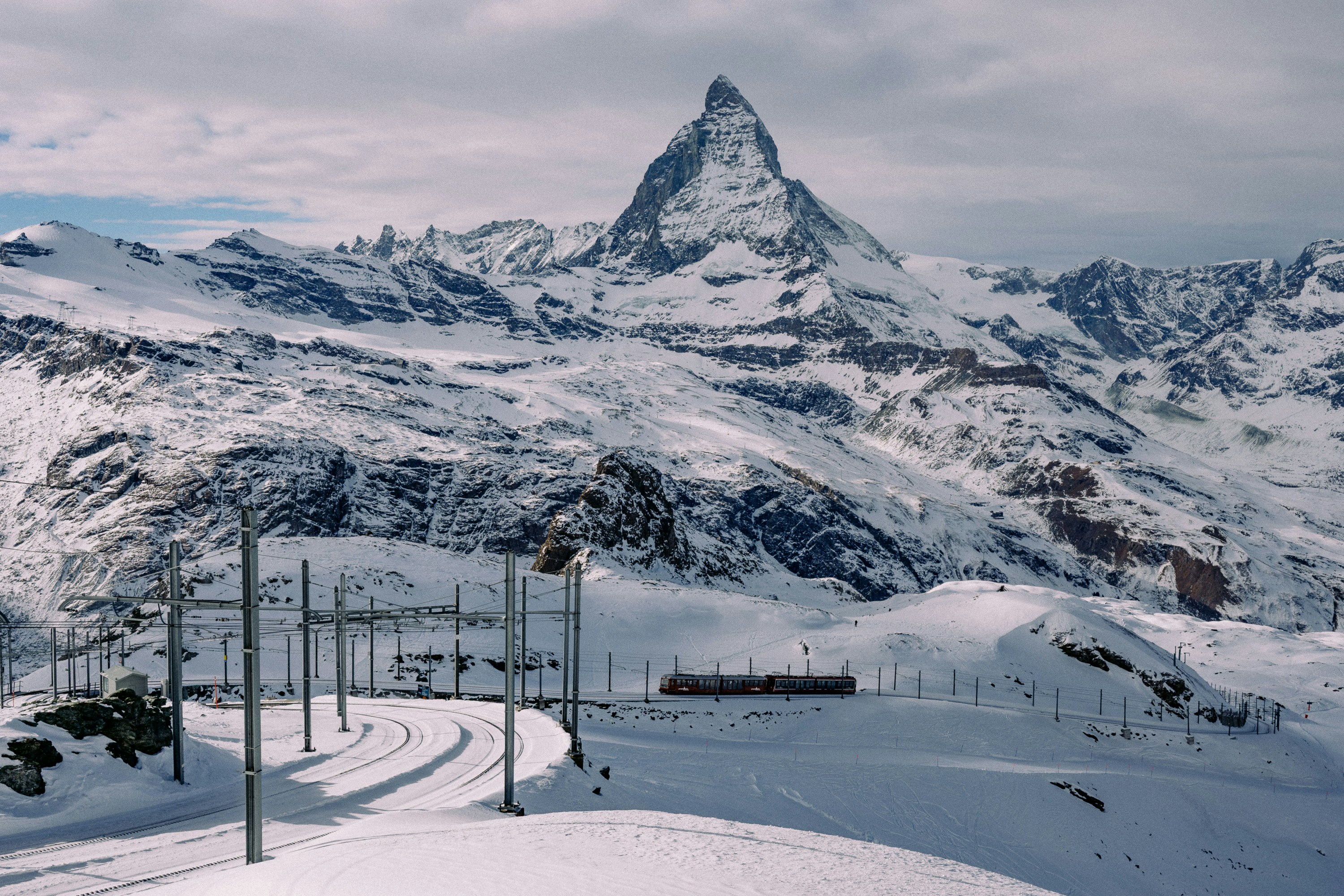
Zermatt is the resort that has the Matterhorn — arguably the most photographed peak on earth — and a ski area that reaches 3,883 m on the Klein Matterhorn, making it the highest and one of the only year-round ski resorts in Europe. The village is car-free, reached by cog railway, and the skiing links across the Italian border to Cervinia on the Matterhorn Ski Paradise pass.
The ski area is huge — over 360 km of piste across three interconnected sectors (Sunnegga-Rothorn, Gornergrat and the Klein Matterhorn glacier), with the border crossing to Cervinia adding gentle Italian-side cruising. The glacier keeps snow from October through late spring, and the Matterhorn glacier paradise cable car is open almost year-round.
The catch is the price: Zermatt is comfortably the most expensive major resort in Europe, from the lift pass through the restaurants to the hotel bill. It is also remote — car-free means the Matterhorn Gotthard Bahn cog railway from Täsch or Visp is the only way in, which is half the charm and half the inconvenience.
Highlights
-
Matterhorn
The 4,478 m icon — visible from almost every run and restaurant.
-
Year-round glacier skiing
The Klein Matterhorn at 3,883 m keeps snow twelve months a year.
-
Car-free village
Electric taxis and the cog railway — no combustion engines in town.
-
Cervinia link
Ski across the Italian border on the Matterhorn Ski Paradise pass.
Practical info
- Visa
- Switzerland is Schengen — visa-free for most Western passports (90 days).
- Currency
- CHF (Swiss franc); EUR widely accepted at a poor rate.
- Language
- German (Swiss-German). English widely spoken.
- Safety
- Very safe; serious glaciated terrain off-piste requires a guide.
- Getting around
- Car-free — cog railway from Täsch/Visp. Geneva ~3.5h, Zurich ~3.5h by train.
- Tap water
- Tap water safe.
- Plug type
- Type J Type C Type G 230V
- Money
- Cards everywhere; some mountain huts cash-preferred.
General guidance — visas, safety, and health change, so check your government's travel advisory and the official sources before you go.
Common questions
- Is Zermatt good for beginners?
- Only in the right spot. The Sunnegga–Rothorn sector has wide, gentle blues and the Wolli Park nursery at Leisee — it is the dedicated beginner and family zone. The rest of Zermatt's terrain is intermediate-to-expert, much of it high and exposed, and total beginners wanting a gentle village-level carpet are better served elsewhere. See who it suits.
- Can you ski to Italy from Zermatt?
- Yes. The Matterhorn Ski Paradise links Zermatt to Cervinia and Valtourneige in Italy via the Klein Matterhorn glacier at 3,883 m — you ski across the border and back on the same pass (the International pass). It is the highest lift-served skiing in Europe and genuinely spectacular. See the ski area.
- Which lift pass do I need — Zermatt-only or International?
- Zermatt-only covers the three Swiss sectors and is cheaper. The International pass adds Cervinia and Valtourneige on the Italian side — worth it if you want to cross the border, which most people do at least once. The pass table compares them. Zermatt is also on the Ikon Pass.
- Do you need a car in Zermatt?
- You cannot bring one. Zermatt is car-free — you park at Täsch (5 km away) and take the Matterhorn Gotthard Bahn shuttle train (12 minutes, every 20 minutes). Once in the village, everything is on foot or by electric taxi. See getting there.
- Is Zermatt expensive?
- Yes — it is one of the most expensive resorts in the Alps. Swiss prices, a strong franc, and luxury positioning push daily costs to CHF 200–400 per person all-in. But there are levers: the Zermatt-only pass saves over the International, a Täsch bed halves accommodation, and self-catering from the Coop cuts food. See what it costs.
- Can you ski in Zermatt in summer?
- Historically yes — Zermatt offered year-round glacier skiing on the Theodul glacier, and the Matterhorn Glacier Ride opened in 2023. However, summer skiing was suspended on 31 July 2026 due to high temperatures, and its return depends on ice conditions. The winter season (late November–late April) remains rock-solid. See snow & season.
- Can you bring a dog to Zermatt?
- To the village, yes — and uniquely, dogs ride all Zermatt lifts and the Gornergrat Bahn for free. Dogs are not allowed on the groomed pistes, but the car-free village and mountain restaurants are generally welcoming. GB visitors need an Animal Health Certificate and a tapeworm treatment. See dogs.
The ski area
Three sectors under one pass — and a border crossing to Italy
The Matterhorn Ski Paradise stretches from the village at 1,562 m to Klein Matterhorn at 3,883 m, linking Switzerland to Italy across a glacier. It is among the highest, most spectacular lift-served skiing anywhere.
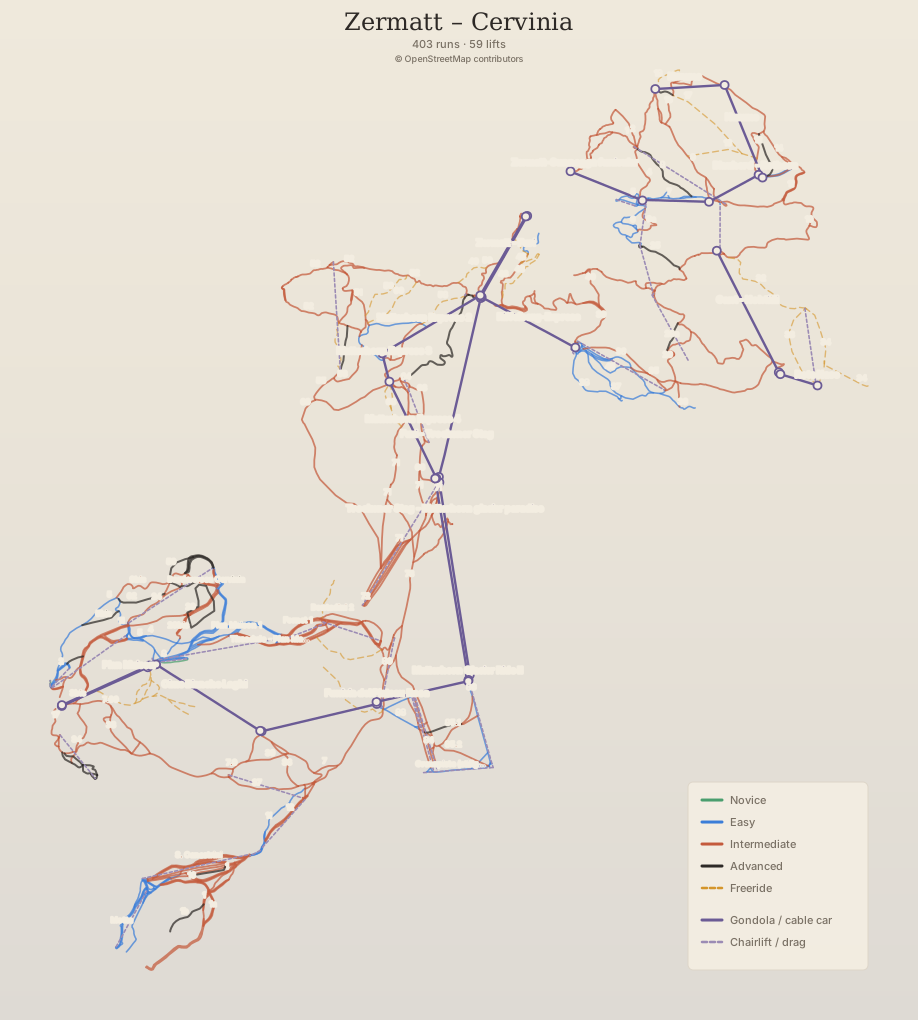
Zermatt's skiing divides into three sectors on the Swiss side, all reached from the village, plus the Italian side via Klein Matterhorn:
Sunnegga–Rothorn (1,562–3,103 m) — the family and intermediate sector, with the widest, sunniest pistes and the Wolli Park nursery at Leisee lake. The underground Sunnegga Express funicular reaches the mid-station in three minutes.
Gornergrat (1,604–3,089 m) — reached by the cog railway that's been running since 1898; spectacular panoramic skiing facing the Matterhorn and 29 four-thousand-metre peaks. The Riffelberg area links skiers between sectors.
Klein Matterhorn / Matterhorn Glacier Paradise (1,562–3,883 m) — the glacier and the border crossing to Italy. The Matterhorn Glacier Ride, Europe's highest 3S gondola (opened 2023), carries you to 3,883 m; from there you ski down into Cervinia and Valtourneige on the Italian side, and back — if you time the last lift.
| Sector | Altitude range | Best for | Notes |
|---|---|---|---|
| Sunnegga–Rothorn | 1,562 → 3,103 m | Families, beginners, intermediates | Sunny, wide, the Wolli Park at Leisee; funicular from the village |
| Gornergrat | 1,604 → 3,089 m | Intermediates, sightseeing | Cog railway (since 1898); 29 four-thousander panorama; links to other sectors |
| Klein Matterhorn | 1,562 → 3,883 m | Advanced, experts, the Italy link | Glacier skiing; Matterhorn Glacier Ride; border crossing to Cervinia |
| Cervinia / Valtourneige (Italy) | 2,050 → 3,480 m | Cruising intermediates | Wide Italian pistes on the International pass; return by last lift or taxi |
Zermatt-only marked piste is about 200 km across roughly 70 runs; the combined Matterhorn Ski Paradise advertises 360 km. Piste totals vary by source and season.
The three Swiss sectors are linked on the mountain — you can move between Sunnegga, Gornergrat and Klein Matterhorn without returning to the village. The Italy crossing via Klein Matterhorn is a day trip: check the last return lift (typically 15:30–16:00 Swiss time) or you are stuck taking a taxi back through the Mont Blanc or Simplon tunnel.
Who it suits
Who Zermatt is — and isn't — for
The altitude makes it snow-sure, the views are unmatched, and the terrain covers every level — but the prices are punishing and the logistics of a car-free village take adjustment.
Zermatt's reputation is built on the Matterhorn and serious high-alpine skiing, but the layout actually serves a wider range than that suggests. Match the sector to the skier:
- First-timers & familiesSkipKlein Matterhorn and the glacier — exposed, high, coldGoSunnegga–Rothorn: the Wolli Park at Leisee, wide blues, the fastest access from the village by funicular
- Cruising intermediatesSkipstaying only on the Swiss sideGoCross to Cervinia for huge, flattering, sun-drenched Italian cruisers; Gornergrat for the panorama; Rothorn for the long blues back to Sunnegga
- Advanced & expertsSkipunderrating the glacier terrainGoKlein Matterhorn for serious descents, the Triftji bump run, and guided off-piste from Stockhorn and the glacier
- Budget-conscious skiersSkiptreating Zermatt as a value destinationGoStay in Täsch (half the price), self-cater, use the Zermatt-only pass and bring your own gear — or consider Cervinia from the Italian side, which is significantly cheaper
If you want cheap, convenient, car-friendly skiing with a big linked circuit, Zermatt is the wrong choice. If you want the most dramatic scenery in the Alps, year-round snow reliability, and a car-free village with genuine character, there is nothing else quite like it.
Snow & season
The most snow-sure resort in the Alps — altitude does the work
When you ski between 2,500 m and 3,883 m, snow is rarely the problem. Zermatt's glacier and high north-facing slopes hold cover when everything below 2,000 m is bare.
Months on the axis (10 = October). Crimson bars are the glacier high season and the crowd peaks. Summer glacier skiing was offered historically but was suspended 31 July 2026 due to high temperatures — its return depends on ice conditions. The winter season remains rock-solid.
Altitude is the whole story. The glacier guarantees snow from late October deep into May, and the main ski areas above 2,500 m rarely lose cover even in warm winters. The village at 1,562 m can be bare, but the skiing is up at 2,500–3,800 m where it doesn't matter.
Best-value quiet weeks: early-to-mid January (after New Year, before February half-term) and late March to mid-April (spring skiing, long days, softening snow, thinner crowds). Avoid the Swiss and European February school holidays unless you have no choice — lifts queue, restaurants book out, and accommodation prices spike.
Zermatt advertises ~300 days of sunshine a year, and it is not hype — its inner-Alpine, high-altitude position genuinely sees less cloud and precipitation than lower, more westerly resorts. This means less new-snow frequency but superb existing-cover preservation.
Lift passes
Two pass tiers — and a third option via Ikon
The choice is how much of the cross-border area you want — and whether your season pass already covers it.
Zermatt sells two main pass tiers. The Zermatt-only pass covers the three Swiss sectors (Sunnegga, Gornergrat, Klein Matterhorn) but stops at the Italian border. The International pass adds Cervinia and Valtourneige — the full Matterhorn Ski Paradise. Most visitors buy the International for the Italy crossing, which is the thing to do at least once.
Zermatt is also on the Ikon Pass (7 days full access on Ikon, 5 days on Ikon Base). If you already hold one, you may need no local pass at all for a week.
| Pass | Covers | 6-day adult | Per day |
|---|---|---|---|
| Zermatt-only | Three Swiss sectors (not Cervinia) | from CHF 376 | |
| International | Zermatt + Cervinia + Valtourneige | from CHF 424 | |
| Zermatt-only 1-day | Swiss sectors, single day | from CHF 88 | |
| International 1-day | Full area, single day | from CHF 103 |
Adult 16+; children 9–15 pay 50%; free under 9 with a Wolli Card (register at any ticket office). On Saturdays, under-16s ski free with a paying adult. Senior (65+) rates roughly 10% off adult. All prices use dynamic online pricing — "from" is the advance-purchase floor; walk-up window rates are higher. Ikon Pass: 7 days full (Ikon), 5 days (Ikon Base) — unlimited on Ikon, blackout dates on Ikon Base.
Buy online as far ahead as possible — dynamic pricing means the cheapest rates sell out first. The Saturday under-16 deal is a genuine saving for families hitting a weekend.
Lessons & guides
Ski schools, mountain guides, and Europe's highest heli-drop
For piste lessons, a handful of schools compete for your booking. For the serious off-piste and glacier terrain, Zermatt is guiding country.
The Swiss Ski School Zermatt (red jackets) is the traditional choice — large, multilingual, with group and private lessons. Summit Ski & Snowboard School, Stoked, and European Snowsport are the English-first alternatives with smaller groups, often the better bet for nervous beginners and children.
Off the pistes, Zermatt's guided terrain is world-class. The Zermatt Alpin Center and independent guides run glacier descents, the Stockhorn off-piste, and heli-skiing — Air Zermatt offers drops onto otherwise unreachable glaciers, making this one of the few resorts in Switzerland where helicopter-accessed skiing is routine. A guide is non-negotiable on the glacier: the crevasse risk is real and the terrain is unmarked.
The glacier off-piste and couloirs from Stockhorn are serious mountaineering terrain, not resort "off-piste." Transceiver, probe and shovel are standard kit, and if your insurance doesn't cover guided glacier skiing, don't go.
Families & kids
Wolli Park, the Wolli Card, and a car-free village that works for families
Zermatt is not the cheapest family resort, but the car-free streets, the dedicated kids' zone at Leisee, and the free-under-9 pass make it safer and more structured than most.
The family hub is Wolli Park at Leisee (Sunnegga sector, 2,288 m) — five magic carpets, a kids' ski area, snow-tubing and a heated igloo for breaks. It is reached by the underground Sunnegga Express funicular in three minutes, which makes the commute painless. Leisee lake freezes and becomes a play area in deep winter.
Non-skiing childcare: Zermatt doesn't have a giant resort-run crèche complex. Infant care means private nannies (agencies like Kinderparadies Pumuckl or hotel concierge bookings) and the Kinderclub at the Riffelalp Resort. For children aged 3+, the ski schools run snow gardens and group lessons.
| Option | Ages | What it is |
|---|---|---|
| Wolli Card (free lift pass) | under 9 | Register at any ticket office — free skiing on all Zermatt lifts |
| Saturday free pass | under 16 | Free skiing every Saturday with a paying adult — register in advance |
| Wolli Park (Leisee) | 3+ | Five magic carpets, snow garden, tubing, heated igloo at 2,288 m |
| Ski school group lessons | 3–4 (Snowli) / 5+ | Swiss Ski School, Summit, Stoked — half-day or full-day groups |
| Private nanny / Kinderclub | babies – toddlers | Private in-chalet nannies or the Riffelalp Kinderclub; book ahead |
The Sunnegga–Rothorn sector is the family zone: wide blues, the Wolli Park, and the fastest access from the village. Keep young children off Klein Matterhorn — the altitude (3,883 m) and cold are too much for small kids.
Free under 9 (Wolli Card) and free on Saturdays under 16 are genuine money-savers — a family of four with two children under 9 pays only two adult passes. Register in advance online to avoid queuing on arrival day.
Getting there
Car-free means car-free — park at Täsch, train the last five kilometres
You cannot drive into Zermatt. This is not a guideline — the road literally ends at Täsch, and there is no parking in the village.
The nearest airports are Geneva (~3h 45 by train, ~3h by transfer via Visp) and Zurich (~3h 30 by train). The Swiss rail network is superb — the train runs direct from the airports through Visp to Zermatt without needing a car at any point.
If you drive, you park at Täsch (open-air from CHF 15/day, covered from CHF 16.50/day) and take the Matterhorn Gotthard Bahn shuttle — every 20 minutes, 12-minute ride, CHF 16.40 return. Your luggage goes in a trolley you wheel onto the platform. In the village, electric taxis and hotel shuttle buggies are the only motorised transport.
The scenic alternative: the Glacier Express runs from St. Moritz to Zermatt (~8 hours) through the heart of the Swiss Alps — not a commute, but one of the great European train journeys and a way to combine two ski resorts.
| From | To Zermatt | Notes |
|---|---|---|
| Geneva airport | ~3h 45 (train) / ~3h (transfer) | Train via Visp; private transfer to Täsch then shuttle |
| Zurich airport | ~3h 30 (train) | Direct rail via Visp — the most convenient Swiss gateway |
| Milan Malpensa | ~3h 30 (transfer) | Via Simplon tunnel; an option for cheap Italian flights |
| Täsch (car park) | 12 min shuttle | Every 20 min; CHF 16.40 return; parking from CHF 15/day |
| St. Moritz (Glacier Express) | ~8 hours | Scenic rail, not a transfer — an experience in itself |
Swiss motorways require a vignette (CHF 40/year, bought at the border or a petrol station). Winter tyres are not legally mandatory in Switzerland but are effectively compulsory on mountain roads — you will be fined if you block traffic without them.
Where to stay
The village, or Täsch for half the price
Zermatt is not cheap to sleep in — but the range runs from a Täsch hostel to some of the most luxurious mountain hotels in Europe, and the car-free village is genuinely pleasant to walk around.
Central Zermatt (Bahnhofstrasse area) is the pick for most — close to the Sunnegga funicular, the Gornergrat Bahn station, the shops and the bars. Accommodation ranges from self-catered apartments and three-star hotels (from about CHF 120/night double) to legendary five-stars: The Omnia (cantilevered over the village), Mont Cervin Palace (grand, with a pool), and Riffelalp Resort 2222 (at 2,222 m on the Gornergrat railway — ski-in/ski-out).
Täsch, 5 km down the valley, is the budget lever. A hostel or apartment in Täsch runs from about CHF 40 per person per night — roughly half the Zermatt price — and the 12-minute shuttle to the village means you trade convenience for savings. For a week, that saving compounds.
True ski-in/ski-out in Zermatt exists but is rare and expensive — the Riffelalp Resort at 2,222 m is one of the few that genuinely delivers it. Most village accommodation involves a 5–15 minute walk to a lift station, which is fine given the car-free streets.
Après & dining
On-mountain tables at altitude, and a village that fills up after dark
Zermatt's après starts at altitude — mountain restaurants you linger at, not slopeside umbrella bars — and rolls into a village scene with more substance than most ski towns.
On-mountain dining here is a category above the usual cafeteria. Chez Vrony (Findeln, 2,130 m) is the famous sun-terrace lunch facing the Matterhorn — book ahead. Findlerhof (next to Vrony) is quieter and just as good. Iglu-Dorf at Rotenboden serves fondue inside an igloo at 2,727 m. A mountain lunch runs CHF 25–50 per head.
In the village: Hennu Stall (on the Sunnegga piste, reached by skiing in) is Zermatt's version of an Austrian après bar — tables, music, last-run drinks. Papperla Pub on the Steinmatte is the long-running nightlife fixture. Elsie's on Kirchplatz does champagne and oysters in a 400-year-old timber house. Vernissage in the Backstage Hotel combines a cinema, a bar and a live-event space.
Dining runs from raclette and fondue at classic spots like Whymper Stube (named after the Matterhorn's first summiteer) through to the After Seven restaurant (the highest Michelin-starred dining in Switzerland at the time of its award). Budget dinner in the village: CHF 30–50 per head. A splurge: CHF 80+.
Non-skiers
The Matterhorn without skis — one of the best non-ski resorts in the Alps
Zermatt's non-ski offering is exceptional because the thing that makes it famous — the Matterhorn — is right there whether you ski or not.
3,883 m Klein Matterhorn viewing platform
The village is a destination in itself — car-free, photogenic, full of shops and cafés, with the Matterhorn framed at the end of every second street. Beyond walking: the Gornergrat Bahn is Switzerland's highest open-air cog railway (since 1898) and reaches a hotel at 3,089 m; the Matterhorn Glacier Ride hits 3,883 m; you can snowshoe, ice-skate at the open-air rink, paraglide tandem from Rothorn, visit the Matterhorn Museum (underground), or take the Glacier Express scenic train to St. Moritz.
A pedestrian lift ticket lets a non-skiing partner ride up to meet skiers for lunch at Chez Vrony or the Gornergrat — a pairing that works every time.
For non-skiers, the Gornergrat is the easier, warmer, more comfortable option (heated train, hotel at the top) and the Klein Matterhorn is the dramatic, colder, higher one. Do both if you have the time — they show different sides of the same ridge.
Dogs
Dogs ride free on every lift — but stay off the pistes
Zermatt is unusually dog-friendly by ski-resort standards: dogs travel free on all lifts and the Gornergrat Bahn. The car-free village helps too.
The lift policy is rare in the Alps: dogs ride free on all Zermatt lifts — gondolas, cable cars and the Gornergrat Bahn — on a lead. Dogs are not allowed on the groomed pistes (a standard Swiss rule for safety), but the number of dog-walkers you see stepping off the Sunnegga funicular with a dog suggests plenty of people ride up, eat lunch, and ride down without clipping into skis.
The car-free village is naturally dog-friendly: no traffic, wide pedestrian streets, and most hotels and restaurants welcome leashed dogs. Dog-waste bags and bins are everywhere.
GB → Switzerland paperwork (gov.uk): the old pet passport does not work for British dogs. You need an Animal Health Certificate, a microchip, a rabies vaccination given at least 21 full days before travel, and — unlike France — a tapeworm treatment administered by a vet 24–120 hours before entry. The AHC is valid 10 days for entry into the EU/CH. Check gov.uk for the current requirements, as the rules have changed since Brexit.
Accessibility
Adaptive skiing exists, and the car-free village helps — but it isn't flat
Zermatt has adaptive ski provision and a traffic-free centre that is better than most for wheelchair users — with caveats about hills and older buildings.
European Snowsport and Summit Ski School offer adaptive ski lessons including sit-ski and guided skiing for visually impaired guests — book well ahead, as adaptive equipment needs to be arranged. The Swiss Ski School can coordinate further.
The car-free village is a genuine advantage: no traffic, wide streets, and electric shuttles. But Zermatt is built on a slope — many streets are steep, and older chalets and hotels were not designed for wheelchair access. The Sunnegga Express funicular is accessible, as is the Gornergrat Bahn (ramp-equipped, notify the station in advance). The Klein Matterhorn gondola stations have been built to modern accessibility standards.
Disabled visitors receive a discounted lift pass on presentation of an appropriate disability certification — check with the ticket office for the current reduction.
Safety
Glacier terrain, extreme altitude, and the insurance gap
Zermatt's altitude and glacier terrain are genuine hazards. The most expensive mistake — skiing without cover that applies — is also the commonest.
The numbers make the point: Klein Matterhorn is at 3,883 m, you reach it from 1,562 m in minutes by gondola, and the glacier between Zermatt and Cervinia is crevassed, unmarked off-piste and avalanche-prone. Altitude sickness is real — headaches, nausea and fatigue above 3,000 m catch people who fly in from sea level and ride straight to the top.
On insurance: a standard UK travel policy usually excludes winter sports, and a UK GHIC / EHIC covers state emergency care in Switzerland but does not cover mountain rescue or helicopter evacuation — and Swiss helicopter rescue is billed at approximately CHF 90 per minute. Air Zermatt (the local rescue operator) offers a rescue card for CHF 35 per year which covers rescue costs, but it is not travel insurance.
Off-piste is commonly only covered by travel insurance if you ski with a qualified mountain guide. If your policy says "on marked runs only," that is what it means.
The Air Zermatt rescue card (CHF 35/year) is cheap peace of mind for piste rescue, but it is not travel insurance — it covers the helicopter, not the hospital, not repatriation, and not off-piste. Buy proper winter-sports travel insurance that explicitly covers the altitude and terrain you will ski.
What it costs
What a day in Zermatt actually costs
Zermatt is one of the most expensive ski resorts in Europe. Swiss prices, a strong franc, and luxury positioning put it at the top — but there are levers to pull.
Here is the day-rate breakdown, so you can build your own number rather than trust a package headline. Everything is per person per day unless noted. All prices in CHF.
| What | Typical day-rate | Notes |
|---|---|---|
| Lift pass — Zermatt-only | ~CHF 63 | From a 6-day pass; the three Swiss sectors |
| Lift pass — International | ~CHF 71 | Adds Cervinia and Valtourneige; the Italy crossing |
| Ski / board hire | ~CHF 30 (standard) – CHF 55 (performance) | From a 6-day pre-booked rental; cheaper booked online in advance |
| Group lesson (adult, half-day) | ~CHF 90 | Child group from ~CHF 70; book ahead for peak weeks |
| Private lesson | CHF 120/hour · CHF 600+/day | 1–2 people; faster progress |
| Mountain lunch | CHF 25–50 | Per head; Chez Vrony and Findlerhof at the top of the range |
| Dinner out | CHF 30–50 mid-range · CHF 80+ fine dining | Per head in the village |
| Bed for the night | CHF 40 Täsch hostel · CHF 150–300 village 3–4★ · CHF 500–800+ 5★ | Per person sharing; peak weeks far higher |
| Kurtaxe (tourist tax) | CHF 4 per person per night | Age 16+; CHF 2 for ages 9–15; free under 9 |
| Täsch parking + shuttle | ~CHF 17 parking + CHF 16.40 train return | Per day (parking) + per round-trip; the cost of the car-free policy |
| Geneva transfer / train | ~CHF 80 pp (train) · CHF 250–400 (private vehicle) | One-way; the train is often cheaper and door-to-door |
Rates read autumn 2026 for the 2026/27 season, using dynamic online pricing ("from" rates shown). They are set each season — buy passes and transfers online in advance, and re-check before you travel. Peak-week lodging (Christmas, mid-February) can roughly double the off-peak price. CHF/EUR exchange: roughly 1:1 at time of writing; check before budgeting.
The levers that move the number most: stay in Täsch instead of the village (roughly half the bed cost); buy the Zermatt-only pass if you won't cross to Italy; self-cater (shop at the Coop in Zermatt or Täsch); pre-book pass, hire and transfer online; and go in January or late March rather than February half-term.
Compare Zermatt, Switzerland
Zermatt, Switzerland vs Cervinia, Italy
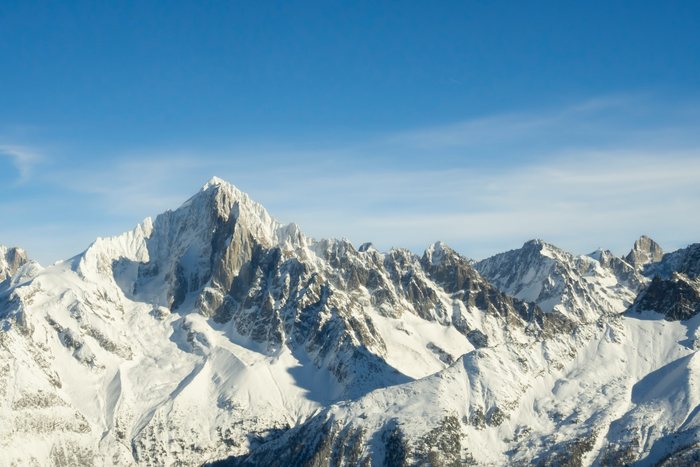
Zermatt, Switzerland vs Chamonix, France
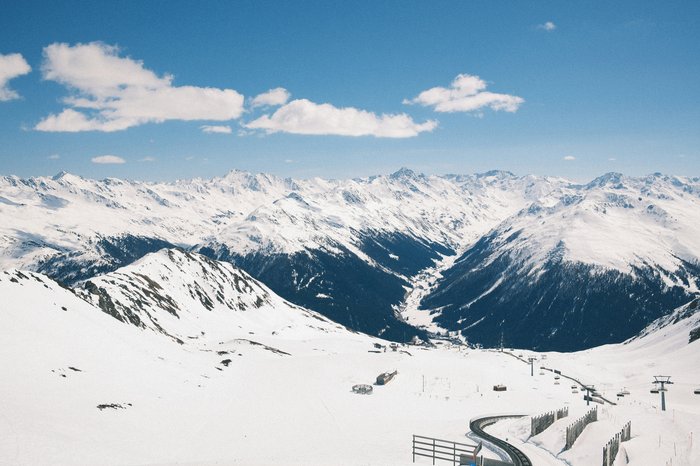
Zermatt, Switzerland vs Davos, Switzerland
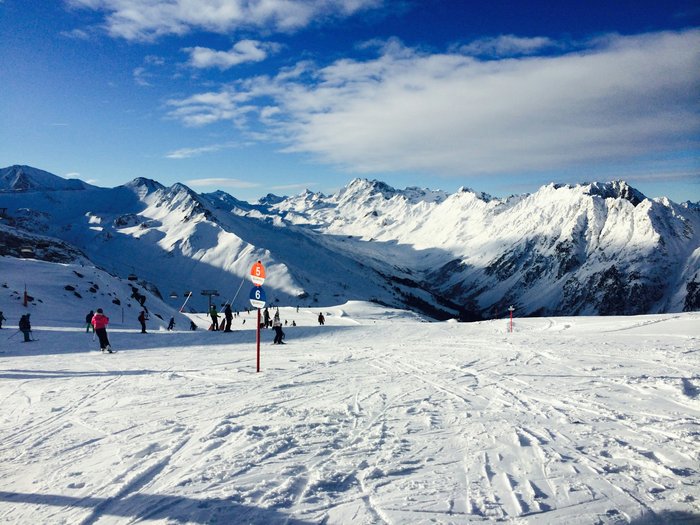
Zermatt, Switzerland vs Ischgl, Austria
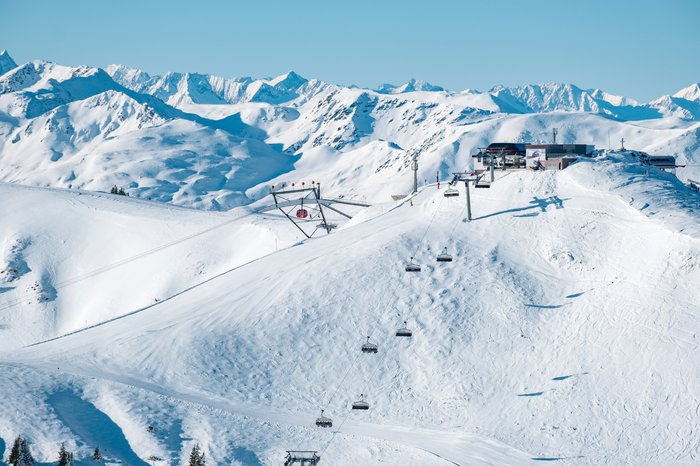
Zermatt, Switzerland vs Kitzbühel, Austria
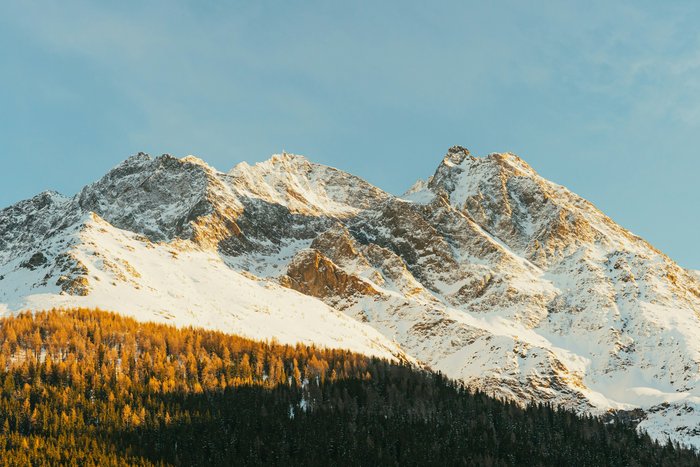
Zermatt, Switzerland vs St. Anton am Arlberg, Austria
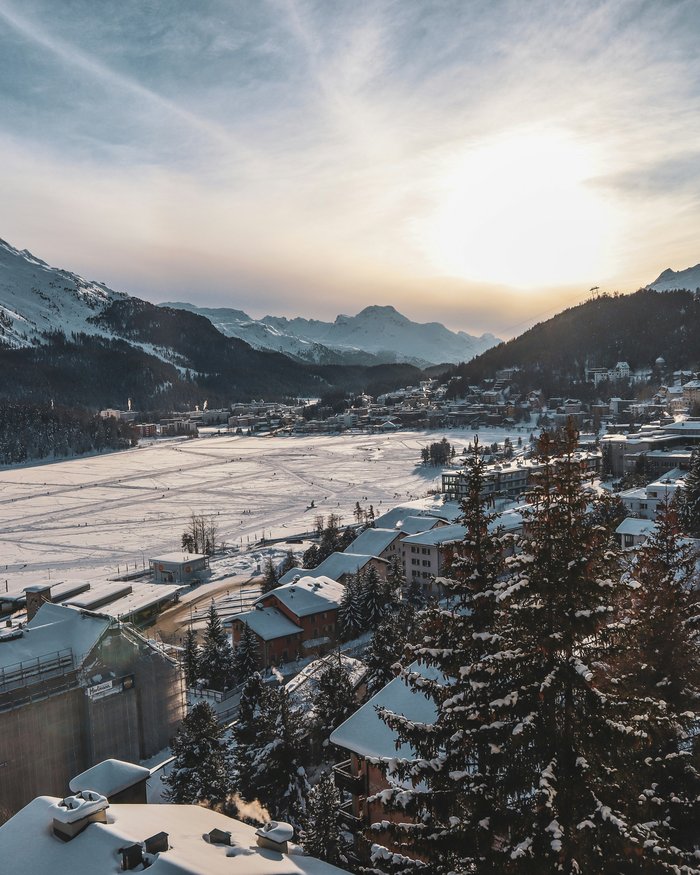
Zermatt, Switzerland vs St. Moritz, Switzerland
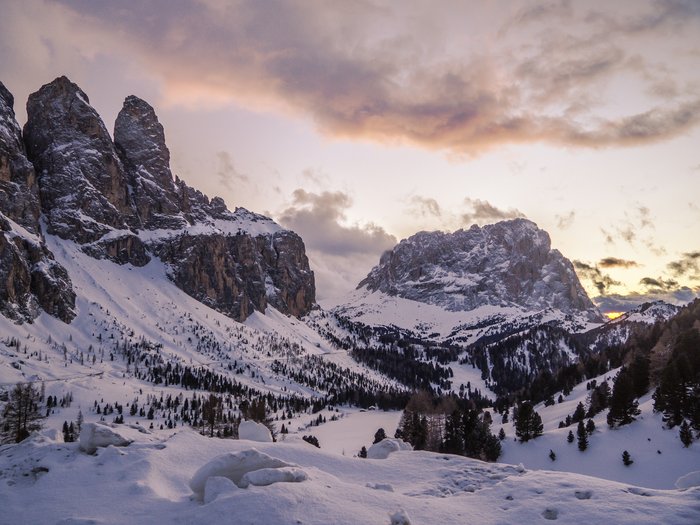
Zermatt, Switzerland vs Val Gardena, Italy
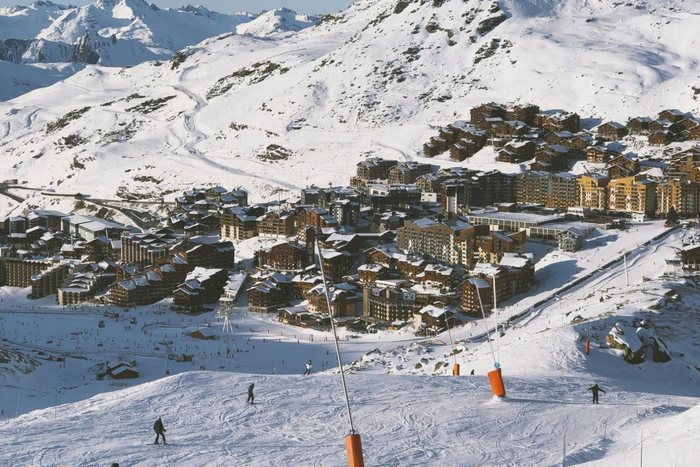
Zermatt, Switzerland vs Val Thorens, France
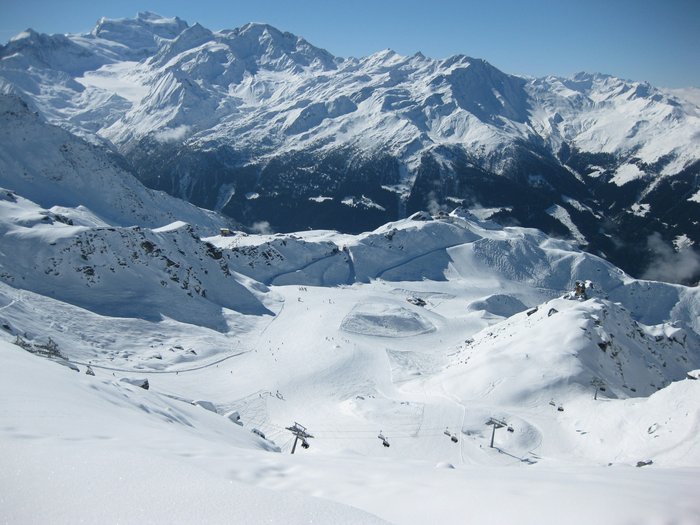
Zermatt, Switzerland vs Verbier, Switzerland
If you like Zermatt, Switzerland, also consider
Verbier, Switzerland
Switzerland’s off-piste capital — steep, sunny and expensive.
St. Moritz, Switzerland
The original winter resort — sun, snow and the Cresta Run.
Davos, Switzerland
A real Swiss town with six ski mountains and Europe’s largest natural ice rink.
Chamonix, France
The birthplace of alpinism, under Mont Blanc.
Val Thorens, France
Europe’s highest resort — snow-sure, and the gateway to the world’s largest linked ski area.
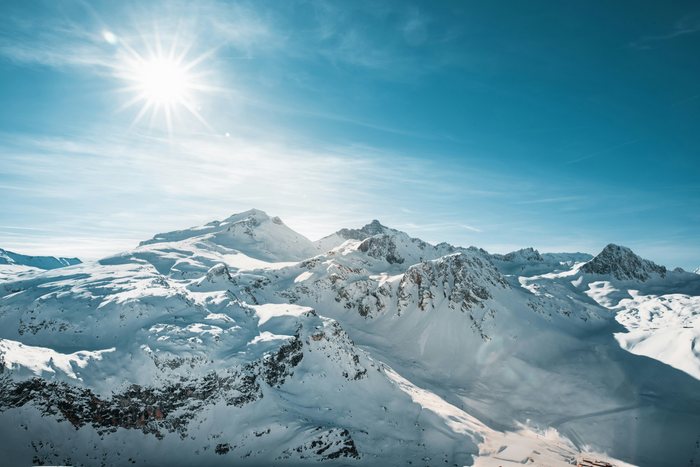
Val d’Isère, France
High-altitude, serious skiing with a village that actually feels like one.