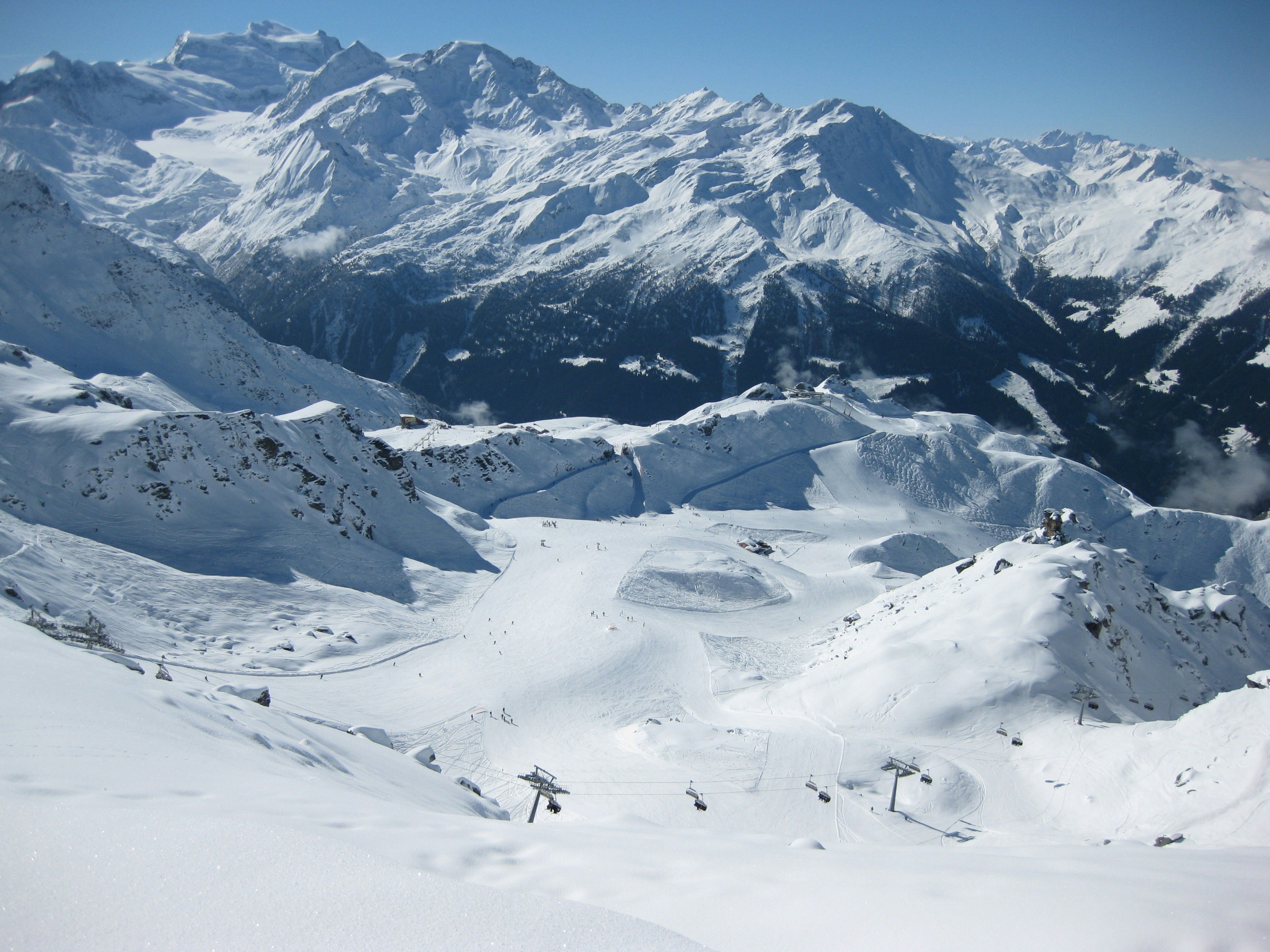
Verbier, Switzerland
Switzerland’s off-piste capital — steep, sunny and expensive.
Verbier is the resort that serious skiers and the moneyed international crowd converge on: a sun-drenched south-facing balcony above the Rhône valley with some of the most challenging lift-accessed terrain in the Alps. The 4 Vallées domain claims over 400 km of linked skiing, and the Mont Fort glacier tops out at 3,330 m.
The terrain is the draw. Mont Fort, the Col des Gentianes and the famous Mont Gelé cable car (experts only, ungroomed) deliver vertical and steepness few resorts match. The 4 Vallées link runs through Nendaz, Veysonnaz and Thyon, adding mileage for intermediates, though the links between valleys can be slow and flat.
The village is chalet-heavy and has a lively après scene (Farinet, the Pub Mont Fort) with a distinctly British-international flavour. Prices match Zermatt at the top end. The sun-trap position is a double edge: glorious on bluebird days, but the south-facing slopes soften fast in spring.
Highlights
-
Mont Fort glacier
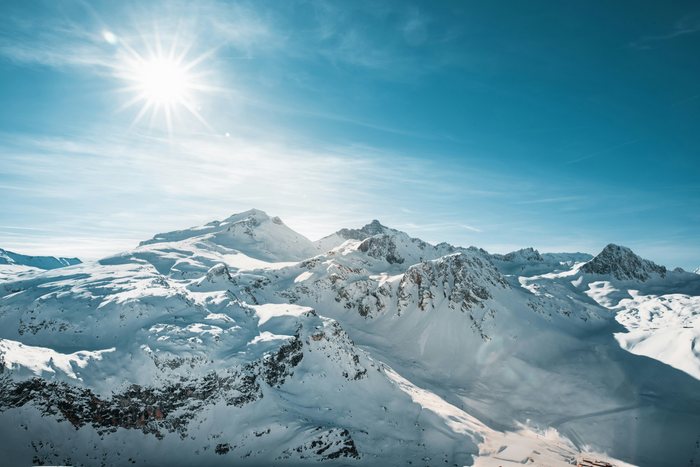
The 3,330 m summit with a panorama from Mont Blanc to the Matterhorn.
-
Mont Gelé
Experts-only cable car serving one of the steepest lift-accessed descents in the Alps.
-
4 Vallées
410 km of linked skiing through four valleys on a single pass.
-
Après scene
Farinet, Pub Mont Fort and a lively, international crowd.
Practical info
- Visa
- Switzerland is Schengen — visa-free for most Western passports (90 days).
- Currency
- CHF (Swiss franc); EUR accepted in some places at a poor rate.
- Language
- French (Valais). English widely spoken.
- Safety
- Very safe; off-piste terrain is serious and requires a guide.
- Getting around
- Train to Le Châble via Martigny, then gondola up. Geneva ~2h, Zurich ~3h.
- Tap water
- Tap water safe.
- Plug type
- Type J 230V
- Money
- Cards everywhere.
General guidance — visas, safety, and health change, so check your government's travel advisory and the official sources before you go.
Common questions
- Is Verbier good for beginners?
- Not as a first choice. Verbier's reputation is built on steep, expert terrain and off-piste, and the main Médran sector funnels skiers onto challenging runs. First-timers are better served at Les Esserts (the village nursery slope) or La Tzoumaz/Savoleyres, which is gentler and quieter. A complete beginner wanting big easy cruising is better off at a purpose-built resort. See who it suits.
- How big is the 4 Vallées ski area?
- It is marketed at 412 km of piste across four linked valleys — Verbier, Nendaz, Veysonnaz and Thyon — making it Switzerland's largest connected ski domain. Of that, around 164 km is measured groomed piste in the Verbier sector. The link runs through the Mont Fort glacier sector. See the ski area.
- What is the Bec des Rosses?
- The Bec des Rosses (3,222 m) is a near-vertical rock face above Verbier that hosts the Freeride World Tour finale each March — the most prestigious big-mountain event in professional skiing. It is not rideable by the public; the Mont Gelé cable car nearby offers the closest accessible expert terrain. See the ski area.
- Which lift pass do I need for Verbier?
- The 4 Vallées pass covers the full linked domain (Verbier, Nendaz, Veysonnaz, Thyon, La Tzoumaz). A Verbier-only pass exists for shorter visits but limits you to the Verbier and Savoleyres sectors. Children on a 7+ day pass auto-upgrade to 4 Vallées. Under-7 and over-77 ski free. See lift passes.
- How do you get to Verbier?
- Geneva Airport is the gateway — about 2 hours by car or transfer. By rail, take the SBB train to Martigny, change to the St-Bernard Express to Le Châble, then ride the Le Châble–Verbier gondola straight up. From winter 2026/27 the Verbier Express runs a direct winter train from Geneva Airport. See getting there.
- Is Verbier expensive?
- Yes — it is one of the most expensive ski resorts in Europe. Swiss prices, a strong franc and an upmarket crowd push everything higher. Budget roughly CHF 200–400 per person per day all-in before flights. The levers are self-catering, cooking in and going off-peak. See what it costs.
- Can you bring a dog to Verbier?
- Yes, and more easily than in France. Dogs are allowed on pistes if leashed in Switzerland (the French blanket ban does not apply), and Televerbier gondolas carry leashed dogs. Dog-friendly accommodation is easy to find. GB visitors need an Animal Health Certificate. See dogs.
The ski area
Switzerland's largest linked domain — and the freeride capital of the Alps
The 4 Vallées links Verbier to Nendaz, Veysonnaz, Thyon and La Tzoumaz in one pass — but it is the off-piste and the Mont Gelé that define this place, not the piste km.
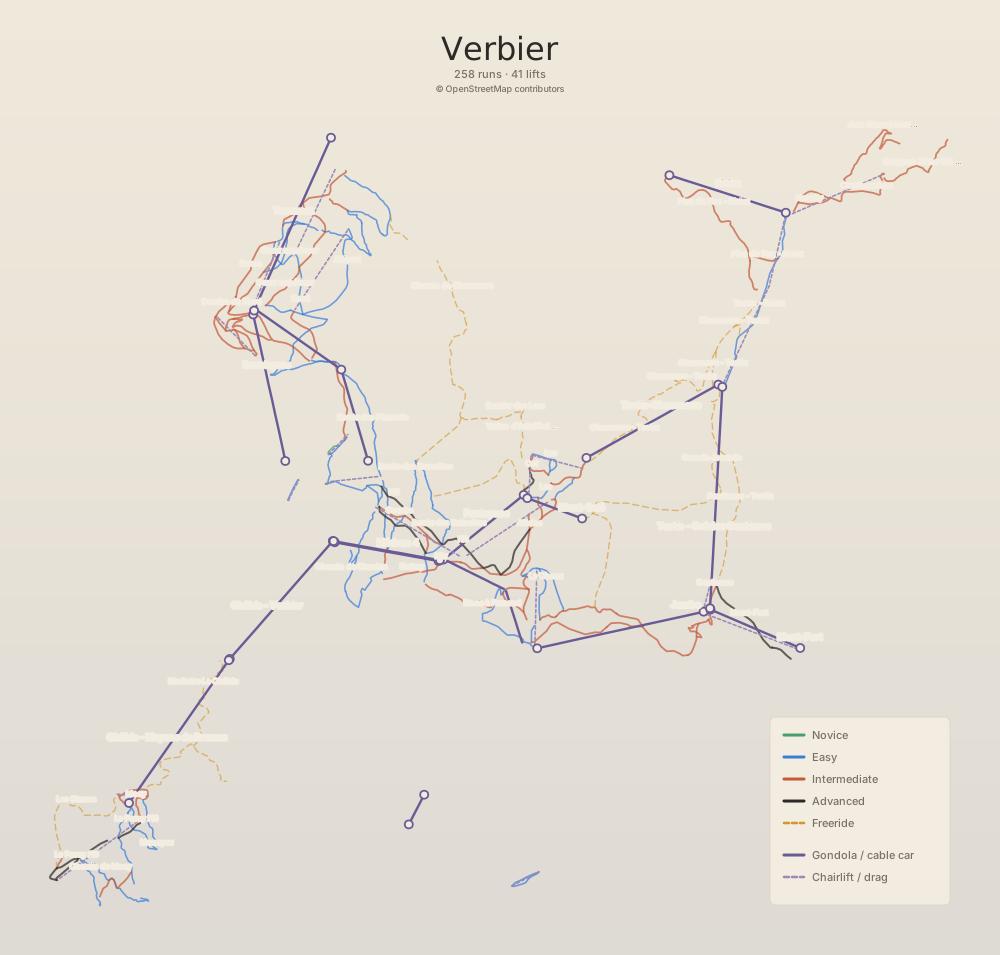
Verbier's terrain divides into four sectors. The main Médran–Ruinettes–Attelas–Mont Fort axis rises from the village through progressively steeper terrain to the glacier summit at 3,330 m. Savoleyres, across the village, is the gentler, sunnier mountain — good for intermediates and families. Bruson, reached by gondola from Le Châble, is the local secret: uncrowded powder stashes on a north-facing slope. The link to Nendaz/Veysonnaz/Thyon runs through the Gentianes–Mont Fort sector.
What sets Verbier apart is the off-piste. The Mont Gelé cable car (3,023 m) is experts-only — you sign a waiver and there are no marked descents from the top, only steep couloirs and open faces. The Bec des Rosses (3,222 m) hosts the Freeride World Tour finale each March, the biggest event in professional big-mountain skiing. The Col des Mines, Vallon d'Arbi, Stairway to Heaven and the back bowls behind Mont Fort are all part of the reason serious freeriders keep coming back.
| Sector | Altitude | Best for | Notes |
|---|---|---|---|
| Médran – Ruinettes – Attelas | 1,500 → 2,733 m | All levels to advanced | Main village axis; gets crowded at the Médran base. The Mayentzet chairlift has good intermediate reds |
| Mont Fort – Gentianes | 2,733 → 3,330 m | Advanced, glacial | Glacier summit; the link to Nendaz via Tortin (notoriously steep and icy bumps) |
| Mont Gelé | 2,700 → 3,023 m | Experts only | No marked pistes from the top — sign a waiver; steep couloirs and open faces |
| Savoleyres – La Tzoumaz | 1,500 → 2,354 m | Intermediates, families | Quieter, sunnier, tree-lined; the mellow side of Verbier |
| Bruson | 820 → 2,450 m | Powder, off-piste | Gondola from Le Châble; north-facing; uncrowded; the local secret |
| Nendaz – Veysonnaz – Thyon | 1,250 → 2,700 m | Families, intermediates | Linked via Mont Fort; quieter and cheaper bases; the Piste de l'Ours World Cup red |
Terrain split across the 4 Vallées: roughly 39% easy (blue/green), 44% intermediate (red), 17% expert (black). The off-piste and itinerary routes add enormous rideable terrain on top. Verbier's own sector is about 89 lifts and ~200 km of runs when itinerary routes are included.
The "412 km" marketing number is contested — independent measurement puts the groomed piste lower. What is not contested is the quality and seriousness of the off-piste: Verbier's reputation was built on the steep, not the groomed.
Who it suits
Who Verbier is — and isn't — for
Verbier attracts a very specific crowd: strong skiers, the British ski set and the freeride world. If you want gentle cruising in a purpose-built bubble, it will frustrate you.
The village swells from 2,900 residents to about 35,000 in a peak winter week, and the crowd skews British — sometimes heavily so. Verbier's identity is off-piste and après-ski, and the resort rewards those who come for that. Match the mountain to the skier:
- Complete beginnersSkipthe Médran sector and anything above AttelasGoLes Esserts nursery slope in the village, then Savoleyres for gentle blues — or honestly consider a purpose-built resort with better beginner infrastructure
- Cruising intermediatesSkipexpecting a Val Thorens-style linked mileage machineGoSavoleyres for sunny cruising, the Mayentzet reds, a day trip to Nendaz via the 4 Vallées link — and accept the Médran bottleneck
- Advanced & expertsSkipthe gentle outliersGoMont Gelé (sign the waiver), the Tortin bumps, the Mont Fort glacier descent, and the back bowls — this is the terrain that defines the resort
- Freeriders & powder houndsSkiptreating Verbier as groomed pisteGoA guide and the itinerary routes: Col des Mines, Vallon d'Arbi, Stairway to Heaven, Bruson's north-facing trees. The Bec des Rosses is for watching, not riding (unless you are literally on the FWT)
The British influence is real and not subtle — English is spoken everywhere, the bars play English music, and the instructor market is geared toward English-speaking clients. For some this is a feature; for others it defeats the point of skiing in Switzerland.
Snow & season
High and south-facing — a trade-off with the sun
Verbier's south-facing terrace gives it spectacular sunshine and views of the Grand Combin, but the same aspect melts snow faster than a north-facing bowl.
Months on the axis (12 = December). Crimson bars are the snow-sure high areas and the crowd peaks. The Swiss "sport holidays" are staggered by canton, overlapping with UK half-term — mid-February to early March is the crunch period.
The south-facing aspect is Verbier's defining trade-off: the sun that makes the terrace restaurants and the views legendary also softens the snow faster. The lower runs (below Ruinettes, ~2,200 m) can turn to slush by early afternoon on a warm March day, while Mont Fort and the north-facing Bruson hold powder much longer. The 95% snowmaking coverage is insurance, not a guarantee of cold snow.
Best-value quiet weeks: early-to-mid January (after New Year, before half-term) and late March (snow softening but fewer people and lower prices). Avoid UK half-term and Swiss sport holidays unless you enjoy queuing at the Médran base.
The Médran bottleneck is real: on a busy morning the queue for the base gondola can run 30–45 minutes. Locals take the Savoleyres side and traverse, or start early. This is the single biggest operational frustration of the resort.
Lift passes
Two domains, and the kids' auto-upgrade trick
The choice is between a Verbier-only pass and the full 4 Vallées — but for families on a week-long stay, the kids may auto-upgrade anyway.
Televerbier sells two main pass tiers. The Verbier–Savoleyres–Bruson pass covers the home mountain. The 4 Vallées pass adds Nendaz, Veysonnaz, Thyon and the full link through Mont Fort — worth it if you want the mileage and the variety. Children aged 7 or older on a 7-day-plus pass automatically upgrade to 4 Vallées at no extra charge — a quiet perk worth knowing.
| Pass | Covers | 6-day adult | Per day |
|---|---|---|---|
| Verbier / Savoleyres / Bruson | Verbier sector, Savoleyres, Bruson | CHF 370 | |
| 4 Vallées | Full domain — Verbier + Nendaz + Veysonnaz + Thyon + La Tzoumaz | CHF 409 | |
| 4 Vallées 1-day | Full domain, single day | CHF 94 |
Adult 20–64; child 6–15 at reduced rate (roughly 40% off); under-7 (born 2020 or later) ski free; over-77 (born 1949 or earlier) ski free. 10% online discount when booked 10+ days ahead. Dynamic pricing applies — rates shift by demand and booking window. Figures read autumn 2026 for 2026/27.
The auto-upgrade for kids on 7+ day passes is easy to miss at the till. If you are staying a week with children, buy the Verbier-only pass — they get the 4 Vallées anyway, and you save the adult supplement only if you don't plan to use the link.
Lessons & guides
Swiss schools, British academies and the mountain-guide culture
Verbier's instructor market is geared toward English-speaking clients in a way that few Swiss resorts can match — and the guiding infrastructure reflects the terrain.
The Swiss Ski School Verbier is the largest, with ~200 instructors (group and private lessons, French and English). For guaranteed native-English instruction and smaller groups, the Warren Smith Ski Academy (performance coaching and video analysis), New Generation (British-run, children's specialist), Altitude and Adrenaline are the independents. British schools dominate here more than in almost any other Swiss resort — a consequence of the clientele.
For off-piste, Verbier is a guiding town. The Bureau des Guides de Verbier and multiple independent guides run freeride itineraries, Mont Gelé descents, glacier tours and the Haute Route to Chamonix or Zermatt. A guided off-piste day runs from about CHF 450–600 for a private guide (1–4 people) or CHF 120–180 per person in a group. The Mont Gelé cable car has no marked descents — a guide makes the difference between a life-changing run and a life-threatening one.
Warren Smith runs multi-day performance courses (3–5 days) with video analysis — genuinely useful for upper intermediates who have plateaued. Book well ahead: the better independent schools fill up for peak weeks months in advance.
Families & kids
A crèche from three months old — but the village is not a family resort
Verbier has genuine infant care and good ski school, but the village's party reputation and steep terrain mean families need to choose their base and their area deliberately.
The standout childcare provision is Les Schtroumpfs (the Smurfs) — Televerbier's nursery at Les Esserts and at Médran, taking children from 3 months old. This is unusually young for a Swiss resort and a genuine option for parents who want to ski without needing a nanny. Booking ahead is essential in peak weeks.
| Option | Ages | What it is |
|---|---|---|
| Les Schtroumpfs nursery | 3 months – 3 years | Non-ski crèche at Les Esserts and Médran; indoor play, naps, meals; book ahead |
| Les Schtroumpfs snow garden | 3 – 4 years | First taste of snow: games, magic carpet, outdoor play — graduated into ski school |
| Swiss Ski School kids' group | 4+ | Group lessons by level; max ~8 children; morning or full day |
| New Generation / Warren Smith kids | 4+ | English-speaking small groups; New Generation specialises in children; gentler progression |
Best family zone: Savoleyres — sunny, gentle, tree-lined, away from the Médran crowds — or Nendaz across the 4 Vallées link (cheaper lodging, quieter, family-oriented base). Under-7s ski free. The Swiss Ski School toilet-training rule applies: children in nappies go to the crèche, not lessons.
Verbier's village is not family-oriented in the way a Nendaz or a Saas-Fee is — it is a party town after dark, the terrain is challenging and the prices are high. Families who base at Nendaz or La Tzoumaz and ski into Verbier get the terrain without the expense and the noise.
Getting there
Geneva plus a gondola — and from 2026/27, a direct train
The Le Châble gondola is the clever link: the train drops you at the bottom, the cable car takes you to the village, and you never touch a road.
Geneva Airport is the default gateway — about 2 hours by car or private transfer via the A9 motorway to Martigny and up the Val de Bagnes. By rail, take the SBB mainline to Martigny (1h40 from Geneva Airport), change to the St-Bernard Express regional train to Le Châble (~25 min), then ride the Le Châble–Verbier gondola straight up to the resort — a seamless ski-boot-to-village connection that avoids the switchback road entirely.
From winter 2026/27, the Verbier Express runs a direct seasonal train from Geneva Airport to Le Châble, eliminating the Martigny change and cutting the journey to under 2 hours station-to-station. Zurich is about 3h15 by train (via Martigny); Sion airport (30 min) handles some winter charters.
| From | To Verbier | Notes |
|---|---|---|
| Geneva Airport | ~2h by car / transfer | The default gateway; A9 to Martigny, then Val de Bagnes |
| Geneva Airport (train) | ~2h15 with change at Martigny | SBB to Martigny + St-Bernard Express to Le Châble + gondola; from 2026/27, Verbier Express direct |
| Zurich | ~3h15 by train | Via Visp or Martigny; longer but doable as a day trip from Geneva side |
| Sion Airport | ~30 min | Nearest airport; limited winter charters and private flights |
Swiss motorway vignette (CHF 40, valid Jan–Jan) required on the A9. Winter tyres are compulsory by law in conditions where they are needed (no fixed date, but effectively Nov–Mar in the mountains). The Le Châble gondola runs until about 6:30 pm in season — miss it and it's the road.
The Le Châble gondola is the key to Verbier's car-free accessibility: rail + gondola drops you in the village with your bags and no road transfer. Park at Le Châble (covered parking available) if you drive and want to avoid the hairpin road up to the village, which is steep, icy and stressful in a hire car.
Where to stay
A steep village — location matters more here than in most resorts
Verbier is built on a slope, and the walk from the wrong end of the village to the Médran base is a 15-minute uphill grind in ski boots. Pick your base deliberately.
The village is not flat. Accommodation near the Médran base (the main gondola) is the most convenient and most expensive — you walk out and you're skiing. The Place Centrale area is the village hub: bars, restaurants, shops, the bus stop. Les Esserts (the upper village) has the nursery slope and the crèche but is a bus ride from Médran. Accommodation runs from self-catered apartments (from about CHF 120/night for a basic studio) through catered chalets — the format Verbier is famous for — to five-star hotels like the W Verbier and the Chalet d'Adrien.
The cheaper bases in the 4 Vallées — Nendaz (family-oriented, dramatically cheaper), La Tzoumaz (quiet, Savoleyres-side) and Le Châble (valley-floor, gondola access) — are viable alternatives if you want to ski Verbier's terrain without Verbier's prices. All link into the same pass domain.
The chalet-with-staff model is Verbier's signature: a catered chalet for a group of 8–12, with a host who cooks dinner and bakes afternoon cake, from about CHF 300–600 per person per night including meals. For a group it can actually undercut a hotel once you factor in dining.
Après & dining
A party town first, a ski resort second — and the rösti is at Chez Dany
Verbier's après scene is among the best in the Alps: noisy, British-inflected and running from 3 pm to 3 am. The mountain food is excellent too.
The après-ski circuit starts on the mountain: Le Mouton Noir (Ruinettes station) has a DJ terrace that fills up from early afternoon; Cabane du Mont Fort at 2,457 m is a proper mountain hut with table-service food and views of the Grand Combin. The legendary Chez Dany — reachable only by piste or snowshoe — serves the rösti that half the people in this village will tell you to order.
In the village, Farinet (the bar complex on Rue de Médran) is the anchor: live music from 4 pm, cocktails, roof terrace — the place to see and be seen. Pub Mont Fort is the British institution. Fer à Cheval is the old local bar. Crock No Name is late-night. The Igloo is the club, open until 4 am in peak season. The scene is heavily British-influenced — English is the default language after dark.
Dining spans from pizza and burgers (CHF 20–30) through Savoyard fondues and raclette to fine dining. A mountain lunch on the terrace runs CHF 25–45 a head; dinner in the village is CHF 40–70 for a mid-range sit-down.
Chez Dany is the one non-negotiable meal in Verbier — the rösti and the atmosphere are genuinely special, and the ski-in/ski-out access on the Savoleyres side makes it an experience rather than just lunch. Book for a table or go at a quiet time.
Non-skiers
A beautiful setting, but fewer off-slope draws than a Chamonix or a Zermatt
Verbier is primarily a ski and party resort — the non-ski offering exists but is thinner than in the famous Swiss village resorts.
3,330 m Mont Fort summit, by cable car
Non-skiing options include snowshoeing (guided excursions from the tourist office), the Verbier ice rink, the Centre Sportif (pool, gym, wellness), paragliding and winter hiking on marked trails. The Le Châble–Verbier gondola carries pedestrians, and non-skiers can ride up to meet skiers for a mountain lunch at Chez Dany or the Cabane du Mont Fort. Verbier lacks a marquee non-ski attraction comparable to the Aiguille du Midi or the Gornergrat, though — non-skiers in a group of skiers will be content for a few days, but a full week with nothing to ski on is a stretch.
The spa scene is the gap: Verbier has hotel spas (the W, the Chalet d'Adrien) but no big public thermal complex. For a spa day, Saillon's thermal baths are about 25 minutes down the valley and have outdoor pools with mountain views.
Dogs
More dog-friendly than France — pistes included
Switzerland's rules are kinder to dogs than France's blanket piste ban: a leashed dog can join you on the slopes.
Unlike France, Switzerland does not impose a blanket ban on dogs on ski pistes. In Verbier, dogs are permitted on the pistes if kept on a lead, and Televerbier gondolas carry leashed dogs (some chairlifts may not — check at the base). Dog-friendly accommodation is easy to find, often for a small supplement. The village is walkable for dogs, and the forest trails around Savoleyres and Les Esserts make good winter walks.
The usual Swiss common-sense rules apply: dogs must be under control at all times, cleaned up after, and kept away from grooming machines and marked ski-school zones. For excitable dogs, the busy lower runs near Médran are not ideal — the quieter Savoleyres side is better.
GB → Switzerland paperwork: post-Brexit, British dogs need an Animal Health Certificate (not the old pet passport), a microchip and a rabies vaccination given at least 21 full days before travel. The AHC is valid 10 days for entry and 4 months for re-entry to GB. Tapeworm treatment is not required for Switzerland.
Accessibility
Adaptive skiing exists — but the village itself is challenging
Televerbier has adaptive-ski equipment and trained instructors, but Verbier's steep, hilly village is harder to navigate in a wheelchair than a purpose-built station.
Televerbier's adaptive-skiing programme offers Uniski (monoski), Dualski, and Tandem-ski equipment with trained pilots. Sessions must be booked at least 15 days in advance, and an introductory session is available for first-timers. The Savoleyres sector is the most accessible for adaptive skiers — gentler slopes, wider runs and easier lift loading.
The village, however, is steep and hilly — many streets are on a gradient, pavements are narrow, and the walk between areas involves significant climbs. A wheelchair user will find getting around significantly harder than in a flat, purpose-built resort. The Le Châble gondola is wheelchair-accessible, and the Médran base gondola accommodates wheelchairs, but getting between the two in the village on foot is the challenge.
For wheelchair users or anyone with mobility concerns, basing at Le Châble (flat, gondola-served, accessible) or Nendaz (flatter village, good infrastructure) and riding the lifts up is genuinely easier than navigating Verbier's steep streets.
Safety
Serious off-piste, glacier terrain — and the insurance that matters
Verbier's off-piste is genuine high mountain. The insurance gap that catches visitors is assuming European cover works the way their home policy does.
The Mont Gelé has no marked descents. The back bowls behind Mont Fort are glaciated. The Bec des Rosses is a near-vertical face. This is not resort "off-piste" — it is serious alpine terrain where avalanche danger, crevasses and cliff bands are real risks. A guide and full avalanche safety equipment (transceiver, probe, shovel) are essential off the groomed piste.
On insurance: Switzerland is not in the EU, so a UK GHIC/EHIC does not apply. Swiss mountain rescue is a billable service — an Air Glaciers helicopter mission averages about CHF 3,800, and a hospital stay without cover will be at full Swiss prices. Rega patronage (CHF 40 per year, rega.ch) means Rega will not invoice you for rescue costs from Swiss-territory missions — it is not insurance but it removes the rescue bill. Full ski-specific travel insurance covering off-piste with a guide, medical repatriation and cancellation is not optional here.
Rega patronage is the single best-value purchase in Swiss skiing: CHF 40/year and the helicopter rescue is covered. It does not cover medical costs, ambulance or foreign repatriation — those need a proper insurance policy. Buy both.
What it costs
What a day in Verbier actually costs
Verbier is one of the most expensive ski resorts in Europe — Swiss prices, a strong franc and a wealthy clientele push everything higher. But the levers are clear.
Here is the day-rate breakdown, so you can build your own number rather than trust a package headline. Everything is per person per day unless noted.
| What | Typical day-rate | Notes |
|---|---|---|
| Lift pass — Verbier / Savoleyres / Bruson | ~CHF 62 | From a 6-day pass; the home sector only |
| Lift pass — 4 Vallées | ~CHF 68 | Full linked domain; 10% online discount if booked 10+ days ahead |
| Ski / board hire | ~CHF 30 (standard) – CHF 55 (performance) | From a 6-day pre-booked rental; prices higher than in France or Austria |
| Group lesson (Swiss Ski School, adult) | ~CHF 65 per half-day | Child group similar; English-first schools from ~CHF 75 |
| Private lesson | CHF 280 / half-day · CHF 520 / day | 1–2 people; Warren Smith Academy charges a premium for video-analysis courses |
| Guided off-piste day | CHF 120–180 pp (group) · CHF 450–600 (private) | Essential for Mont Gelé, glacier terrain, the Haute Route |
| Mountain lunch | CHF 25–45 | Per head on the mountain; Chez Dany is at the top of this range |
| Dinner out | CHF 40–70 mid-range · CHF 20–30 pizza/burger | Per head in the village; fine dining higher |
| Bed for the night | CHF 120 basic apt · CHF 250–450 chalet pp · CHF 500+ 5★ | Per person or per room; peak weeks dramatically higher |
| Tourist tax (taxe de séjour) | CHF 4 / night adult · CHF 2 children 6–16 | Under-6 exempt; collected by accommodation |
| Geneva transfer | ~CHF 80 pp (shared) · CHF 350–500 (private vehicle) | One-way; the Verbier Express train from 2026/27 is cheaper |
Rates read autumn 2026 for the 2026/27 season. Swiss prices are in CHF — the franc is roughly at parity with the euro but often stronger. Dynamic pass pricing means rates shift by demand; buy online at least 10 days ahead for the discount. Peak-week accommodation (Christmas, half-term) can double or triple off-peak prices.
The levers that move the number most: base at Nendaz or Le Châble instead of Verbier (accommodation 40–60% cheaper); self-cater and shop at the Martigny Migros or Lidl; buy the Verbier-only pass if you won't use the link; and go in January rather than February half-term. A group in a catered chalet can actually spend less per head than a couple in a hotel, because the chalet rate includes meals.
Compare Verbier, Switzerland
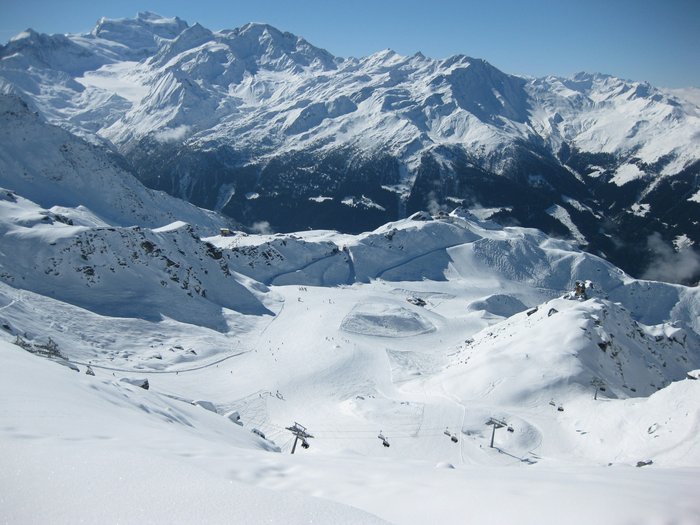
If you like Verbier, Switzerland, also consider
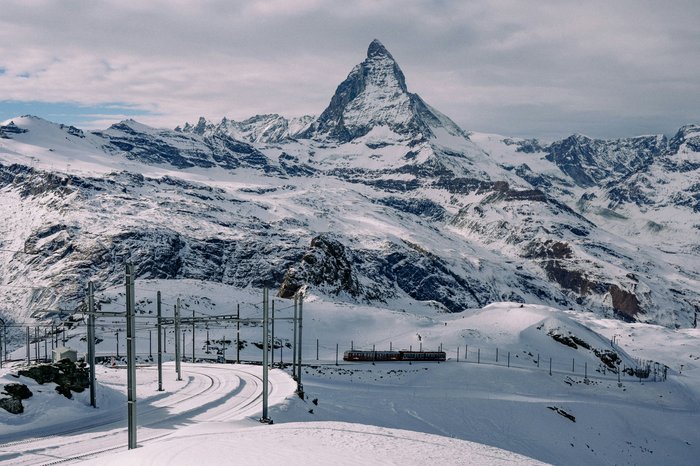
Zermatt, Switzerland
Car-free village under the Matterhorn, with year-round glacier skiing.
St. Moritz, Switzerland
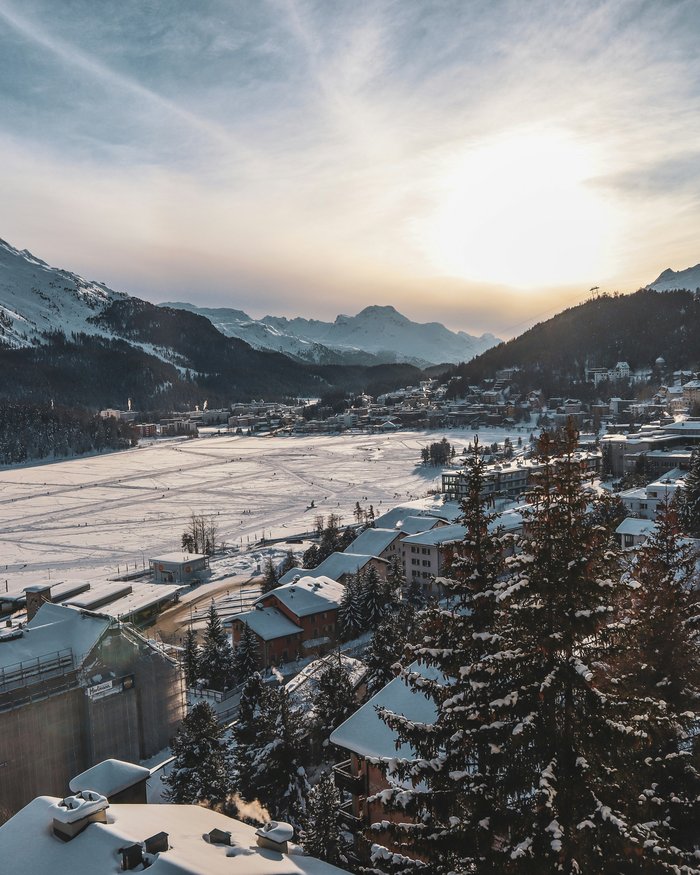
The original winter resort — sun, snow and the Cresta Run.
Davos, Switzerland
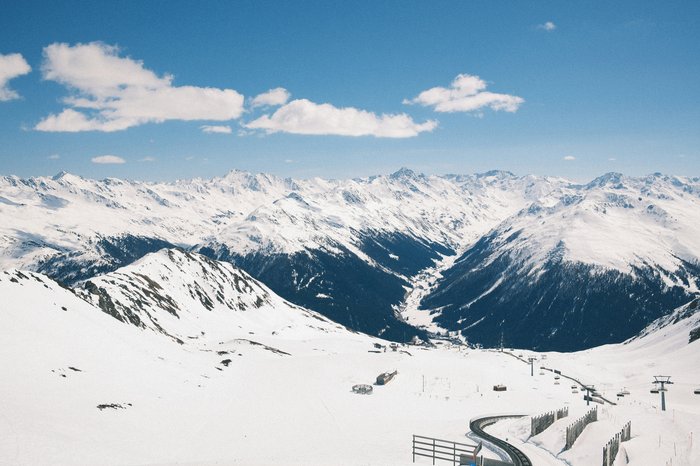
A real Swiss town with six ski mountains and Europe’s largest natural ice rink.
Chamonix, France
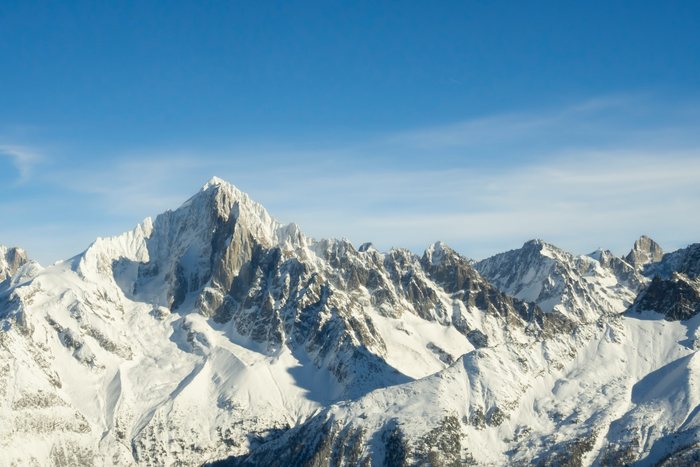
The birthplace of alpinism, under Mont Blanc.
Val Thorens, France
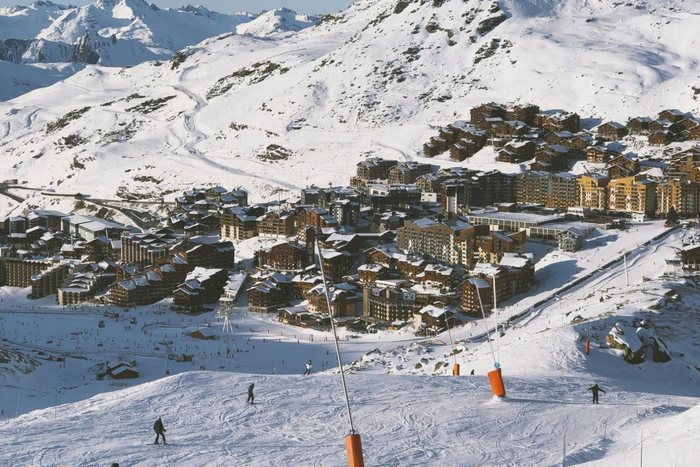
Europe’s highest resort — snow-sure, and the gateway to the world’s largest linked ski area.
Val d’Isère, France
High-altitude, serious skiing with a village that actually feels like one.