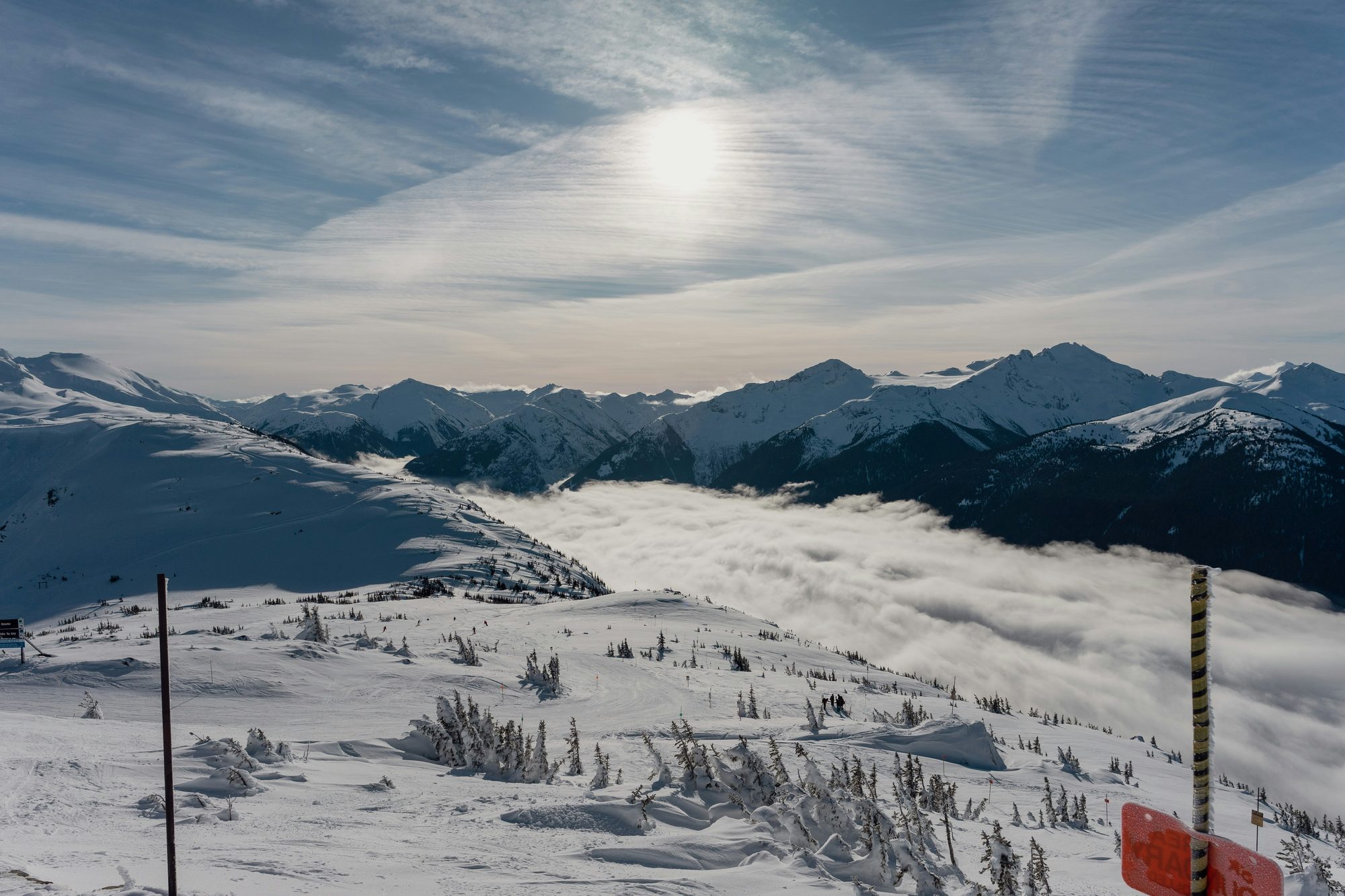
Whistler Blackcomb, BC
North America’s largest ski resort — two mountains linked by the PEAK 2 PEAK Gondola.
Whistler Blackcomb is two colossal mountains joined at the top by the record-breaking PEAK 2 PEAK Gondola, offering over 8,100 acres of skiable terrain, 200-plus runs and 16 alpine bowls. It is the largest ski resort in North America, the host of the 2010 Winter Olympics, and — with a purpose-built pedestrian village, a long season stretching into late May, and coastal snowfall that averages 11.6 m a year — the most complete ski destination in Canada.
Whistler Mountain and Blackcomb Mountain face each other across Fitzsimmons Creek, with the village at the base between them. Whistler’s side has the alpine bowls and high glacier terrain; Blackcomb has steeper fall-line skiing, the Horstman Glacier and the 7th Heaven express. The PEAK 2 PEAK Gondola crosses the gap at 436 m above the valley floor, letting you ski both mountains without returning to the village — a genuine engineering landmark.
The honest part: Whistler is expensive by any measure — accommodation, food and lift tickets are at or near the top of the Canadian market. The Sea-to-Sky Highway from Vancouver is spectacular but slow in bad weather, the village is purpose-built rather than historic, and coastal moisture means the snow is heavier and wetter than the interior Rockies or Japan. On a powder day none of that matters; on a rain day at lower elevations, all of it does.
Highlights
-
PEAK 2 PEAK Gondola
The 4.4 km span between Whistler and Blackcomb — a world-record unsupported lift, 436 m above the valley.
-
Alpine bowls
16 bowls across both mountains — Symphony, Harmony, Flute on Whistler; Glacier Creek and 7th Heaven on Blackcomb.
-
Whistler Village
A car-free, purpose-built pedestrian village with 200+ shops, restaurants and bars at the base.
-
2010 Olympic legacy
Sliding centre, ski jumps and cross-country venues at Whistler Olympic Park, open to visitors.
Practical info
- Visa
- eTA or visa for most nationalities; visa-exempt for US citizens.
- Currency
- CAD (C$)
- Language
- English.
- Safety
- Safe; the mountain risks (avalanche, tree wells in deep snow) are the main hazards.
- Getting around
- About 2 hours from Vancouver (YVR) via the Sea-to-Sky Highway; village is pedestrian.
- Tap water
- Tap water safe.
- Plug type
- Type A Type B 120V
- Money
- Cards everywhere; tips expected (15–20%).
General guidance — visas, safety, and health change, so check your government's travel advisory and the official sources before you go.
Common questions
- How big is Whistler Blackcomb?
- It is the largest ski resort in North America by skiable terrain: 8,171 acres across two mountains linked at the top by the PEAK 2 PEAK Gondola. That is more than Vail, more than Park City, and more than any resort in Canada or the US. See the ski area.
- Is Whistler good for beginners?
- Yes — both mountains have dedicated green-run zones served by their own lifts. Whistler’s Olympic zone and Blackcomb’s Magic Chair area are wide, gentle and well-groomed, and the ski school runs specific beginner packages. The scale means you can progress from green to blue to black without changing resorts. See who it suits.
- When is the best time to ski Whistler?
- Late January to mid-March for the deepest snow and most reliable conditions across both mountains. The season runs late November to late May — one of the longest in North America — and the Horstman Glacier on Blackcomb opens for summer skiing into July in good years. See snow & season.
- How do you get to Whistler from Vancouver?
- Vancouver International Airport (YVR) is about 2 hours north via the Sea-to-Sky Highway (Hwy 99). Shared shuttles (YVR Skylynx, Epic Mountain Rides), private transfers and rental cars run the route year-round. The drive itself — ocean, mountains, waterfalls — is one of the best airport transfers in skiing. See getting there.
- Is Whistler on the Epic Pass or Ikon Pass?
- Epic Pass. Whistler Blackcomb is a Vail Resorts property, so the Epic Pass (full season), Epic Local and Epic Day Pass all work here. The full Epic gives unlimited days; Epic Local has blackout dates over Christmas and Presidents’ Day. See lift passes.
- Is Whistler expensive?
- Yes — it is Canada’s most expensive ski resort and prices are comparable to Vail or Aspen in USD terms. A walk-up day ticket can top C$280, lodging in the village runs C$300–C$900+ a night, and dining and hire are priced accordingly. The Epic Pass bought in advance is the biggest lever. See what it costs.
- Can you bring a dog to Whistler?
- To the village, yes — leashed dogs are welcome on the Valley Trail and in many village areas, and several hotels accept pets. Onto the ski slopes, no — dogs are not permitted on the mountain, on lifts or in the ski area during the winter season. See dogs.
The ski area
Two mountains, one gondola, the biggest ski resort in North America
Whistler and Blackcomb are two distinct mountains linked at the top by the record-breaking PEAK 2 PEAK Gondola — together they make up 8,171 acres of skiable terrain, more than any other resort on the continent.
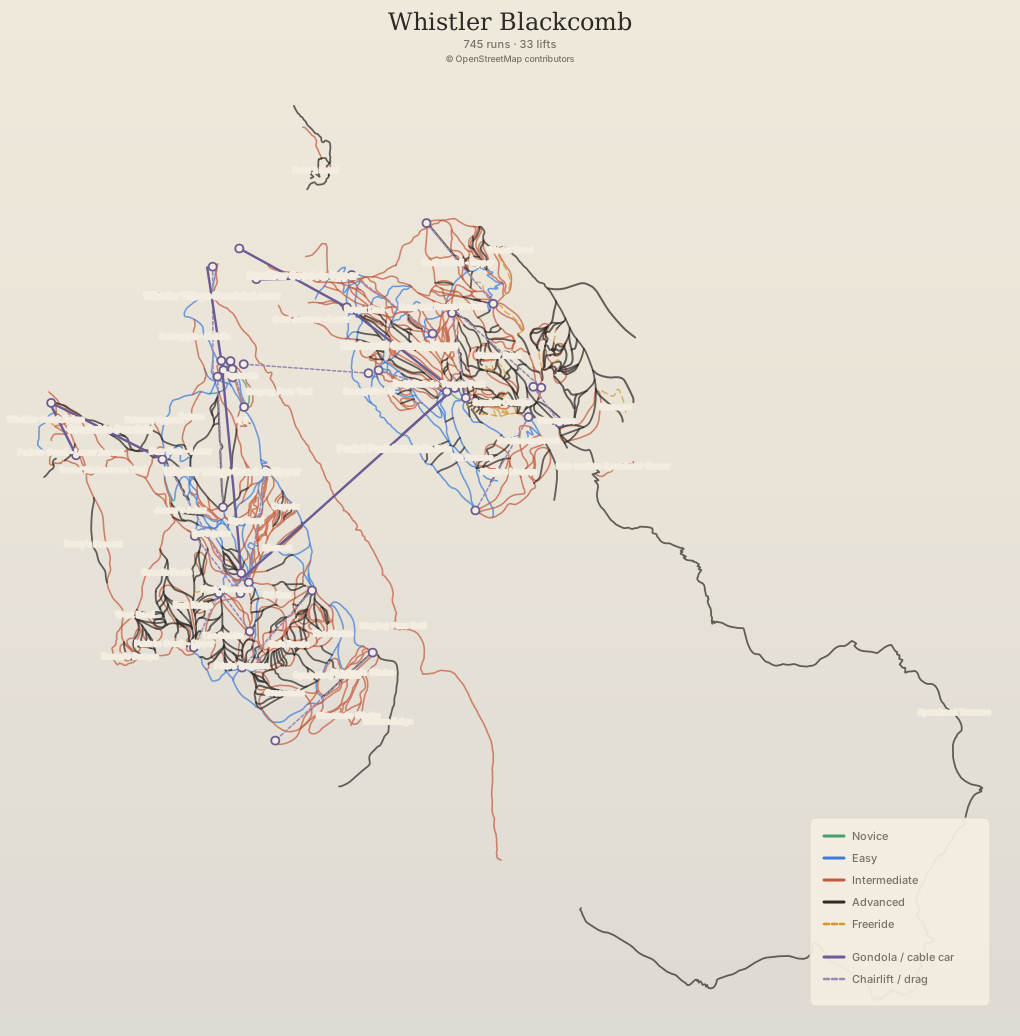
Whistler Mountain (south) and Blackcomb (north) face each other across Fitzsimmons Creek, with the village at the base between them. Each has its own gondola from the village, and the PEAK 2 PEAK Gondola links them at the top — a 4.4 km span, 436 m above the valley floor, holding the world record for the longest unsupported cable-car span. You can ski both mountains on a single pass without returning to the village.
Whistler’s terrain is broader and more varied — alpine bowls (Harmony, Symphony, Glacier, Whistler Bowl), long intermediate cruisers and the Creekside sector. Blackcomb is steeper and more concentrated — the Horstman Glacier, Blackcomb Glacier, Spankys Ladder and the Couloir Extreme. Between them you get everything from magic-carpet beginner zones to mandatory-air cliff bands.
| Mountain | Base → top | Best for | Notes |
|---|---|---|---|
| Whistler | 675 → 2,284 m | All levels; alpine bowls for intermediates+ | 16 lifts; Harmony and Symphony bowls are the signature terrain |
| Blackcomb | 675 → 2,440 m | Advanced & experts; glacier skiing | 17 lifts; the Horstman Glacier, Spankys and 7th Heaven |
| PEAK 2 PEAK | 2,020 m mid-station | Linking the two mountains at the top | 4.4 km span, 11 min crossing; world-record unsupported span |
200+ marked runs: roughly 20% green (beginner), 55% blue (intermediate), 25% black/double-black (expert). The resort also counts over 8,000 acres of side-country and backcountry accessed from the lifts.
The two mountains have different characters: Whistler is the bigger, more varied all-rounder; Blackcomb is steeper and has the glaciers. Most visitors ski both in a week, crossing via the PEAK 2 PEAK at the top rather than descending to the village.
Who it suits
Who Whistler is — and isn’t — for
The scale means Whistler works for almost everyone — but you need to pick your mountain and zone, not just ride whatever lift is nearest.
Both mountains have genuine beginner, intermediate and expert terrain — the key is knowing where each level’s best skiing lives:
- First-timers & familiesSkipBlackcomb’s upper steeps and Spankys LadderGoWhistler’s Olympic zone (green runs off the gondola mid-station) and Blackcomb’s Magic Chair area
- Cruising intermediatesSkipthe glacier bowls in poor visibilityGoWhistler’s Harmony and Symphony bowls (wide, groomed, stunning views) and the long runs off the Peak Express
- Advanced & expertsSkipthe lower-mountain groomersGoBlackcomb’s Spankys Ladder, Couloir Extreme and the Horstman Glacier; Whistler’s Flute and Oboe chutes
- Freeriders & backcountrySkiptreating the bowls as casual off-pisteGoThe controlled backcountry gates, or hire a guide — the Coast Mountains are serious avalanche terrain
Whistler’s reputation is as a big, all-round resort, not a specialist expert mountain. If what you want is the steepest inbounds terrain in North America, Jackson Hole is the sharper choice; Whistler’s edge is scale, variety and a long season.
Snow & season
Heavy, wet Pacific snow — a lot of it, for a very long time
Whistler averages 11.6 m (460 inches) of snowfall a year — but it is coastal snow, heavier and wetter than the Rockies’ "champagne powder." The trade-off is one of the longest seasons in North America.
Months on the axis (12 = December). Crimson bars mark the core season and the crowd peaks. Spring skiing is underrated here: longer days, soft corn snow on the glaciers and lower prices.
The Coast Mountains catch moisture straight off the Pacific, which means volume but not dryness — Whistler’s snow is wetter and heavier than the Rockies, which makes for excellent grooming and heavy tree skiing but less of the "float on air" powder feeling of a Niseko or a Jackson Hole. Cold snaps at altitude turn it lighter, and the Horstman Glacier on Blackcomb holds true winter snow well into spring.
Quietest and cheapest weeks: early December (before Christmas), the first two weeks of January (after New Year, before the February holidays), and April — when the village empties, prices drop and the upper mountain still skis well. Avoid the Christmas–New Year fortnight and BC Family Day week in February unless you have no choice.
Lift passes
Epic Pass territory — buy in advance, not at the window
Whistler Blackcomb is a Vail Resorts property, so the Epic Pass system applies. Walk-up prices are punishing; advance purchase is the rule, not a suggestion.
The full Epic Pass gives unlimited, unrestricted days at Whistler Blackcomb plus Vail, Park City, Beaver Creek and 40-odd other resorts worldwide. The Epic Local Pass is cheaper but has blackout dates at Whistler over Christmas and Presidents’ Day. For shorter trips, the Epic Day Pass (1–7 pre-purchased days) is the alternative to the ruinous walk-up window rate.
| Pass | Covers | Price (adult) | Per day at WB |
|---|---|---|---|
| Epic Pass (full season) | Unlimited days, no blackouts, 40+ resorts | ~C$1,200 | |
| Epic Local Pass | Unlimited with blackout dates at Whistler | ~C$900 | |
| Epic Day Pass (5 days) | Pre-purchased fixed days at Whistler | ~C$900–C$1,100 | |
| Walk-up day ticket | Single day, bought at the window | C$250–C$280+ |
Child (5–12) and youth (13–18) rates are roughly 30–40% off adult; under-5s ski free. All prices are before tax (5% GST applies to lift passes). Buy the Epic Pass in the spring/summer for early-bird pricing — prices rise as the season approaches.
If you are visiting from outside Canada, check the Epic Pass price in your home currency — Vail Resorts sells in local currency in several markets, and exchange-rate moves can make the pass significantly cheaper or more expensive than the CAD sticker.
Lessons & guides
A big resort ski school with every level covered
Whistler Blackcomb runs one of the largest ski and snowboard schools in North America — group lessons, privates, adaptive, and a guide service for the backcountry gates.
The Whistler Blackcomb Snow School runs group lessons from beginner to expert on both mountains. Groups are capped at roughly 6–8 per instructor, and the school splits by ability — you won’t be placed in a mixed-level pack. Private lessons are expensive but let you choose your mountain, terrain and pace, and are the route to serious progression in a short trip.
For backcountry and off-piste, the resort offers guided alpine experiences through the controlled backcountry gates on both mountains. Independent backcountry touring outside the resort boundary is serious Coast Range avalanche terrain and requires a certified guide, avalanche training and rescue gear — Whistler Alpine Guides Bureau and several independents operate out of the village.
Book lessons online in advance, especially over Christmas and February — the school fills up. Early-morning "first tracks" guided sessions (before the resort opens to the public) are worth the premium for fresh groomers with no one on them.
Families & kids
Childcare from 18 months, ski school from 3 — the village is the family base
Whistler’s family infrastructure is purpose-built: licensed childcare, a progression ski school and a village you can walk around without a car.
The resort runs two main childcare and lesson streams: Wee Whistler (non-ski daycare for 18 months to 4 years) and Tree Fort Kids’ Club (skiing + indoor activities for ages 3–12). Both operate out of dedicated facilities at the base of each mountain. Outside the resort, private nanny services and the Whistler Children’s Centre offer additional options.
| Option | Ages | What it is |
|---|---|---|
| Wee Whistler | 18 months – 4 years | Licensed non-ski daycare at the base — indoor play, outdoor snow play, lunch included |
| Tree Fort Kids’ Club | 3 – 12 years | Skiing/snowboarding lessons + indoor activities; full day with lunch and lift ticket |
| Teen lessons | 13 – 17 years | Group or private lessons with age-appropriate pacing and terrain |
| Private nannies | any age | Whistler Nannies and similar agencies — in-accommodation care for babies and toddlers |
Under-5s ski free on all Epic Passes and day tickets. Tree Fort books out over Christmas and February — reserve well in advance.
The pedestrian village is the family advantage: no cars to worry about, restaurants and shops within walking distance, and both gondola bases at the village edge. Families with toddlers should check Wee Whistler’s toilet-training requirement — children must be toilet-trained to attend.
Getting there
Two hours from Vancouver on one of the world’s great coast roads
The Sea-to-Sky Highway from Vancouver to Whistler is 125 km of ocean, rainforest and mountains — and the only route in.
Vancouver International Airport (YVR) is the gateway. Shared shuttles (YVR Skylynx ~C$70–C$90 one way, Epic Mountain Rides for Epic Pass holders) run several times a day; private transfers cost C$350–C$500 for a vehicle. Rental cars are the flexible option but parking in Whistler Village costs C$15–40/day, and BC law requires winter tyres (M+S or snowflake) or chains on Hwy 99 from October to March — check your rental.
There is no train or scheduled bus from the airport to Whistler (the Rocky Mountaineer is a summer tourist route). Helicopter transfers exist (~C$300/person) for those in a hurry or with a budget to match the view.
Friday-evening northbound traffic on the Sea-to-Sky can add an hour or more. If you’re arriving on a Friday, book a morning flight and leave the city by 2 pm, or accept the crawl.
Where to stay
Village, Creekside or Upper Village — ski-in/ski-out is real here
Whistler Village is purpose-built and pedestrian, with both gondola bases at its edge. True ski-in/ski-out exists but comes at a premium.
Whistler Village is the hub: restaurants, bars, shops and both the Whistler and Blackcomb gondolas within walking distance. The Upper Village (Blackcomb base) is quieter and closer to the Blackcomb gondola, with some genuine ski-in/ski-out properties. Creekside, 5 km south, is the old village with the Creekside Gondola, lower prices and a locals’ feel — it is on the free shuttle route.
Accommodation ranges from C$150/night hostels and Airbnbs on the outskirts to C$600–C$1,500+ hotel suites in the village core. True ski-in/ski-out (where you can click into skis at your door and slide to a lift) exists at the Fairmont Chateau, the Four Seasons, the Westin and several condo buildings at the Blackcomb base, but it is the top of the market.
| Zone | Character | Gondola access | Budget |
|---|---|---|---|
| Whistler Village | The hub — restaurants, bars, shops, both gondolas | Whistler Gondola + Blackcomb Excalibur | C$250–C$900+/night |
| Upper Village | Quieter, Blackcomb-side, some ski-in/ski-out | Blackcomb Excalibur Gondola | C$300–C$1,200+/night |
| Creekside | The old village — locals, lower prices, own gondola | Creekside Gondola | C$150–C$500/night |
| Function Junction / outskirts | Budget hostels, Airbnbs, car needed | Free shuttle to village | C$80–C$250/night |
The free village shuttle bus connects all zones. Add 3% MRDT (Municipal & Regional District Tax) plus 8% PST and 5% GST to all accommodation prices.
Book early for Christmas and February. Creekside is the value play — its own gondola means you skip the village crowds, and the shuttle to the main village runs every 10–15 minutes.
Après & dining
A purpose-built village with real restaurants and a serious après scene
Whistler Village is not a two-bar hamlet — it has over 200 restaurants and bars, from slopeside patios to fine dining, and an après-ski culture that runs late.
Après starts on the mountain: the GLC (at the base of Whistler), Dusty’s (Creekside base) and Merlin’s (Blackcomb base) are the classic slopeside spots. In the village, the Garibaldi Lift Company, Longhorn Saloon and Dubh Linn Gate are the loud, packed standards; Bearfoot Bistro and Araxi are the high-end alternatives.
Dining in Whistler runs the full range. Budget: pizza, ramen and pub food in the village (C$15–C$25 a main). Mid-range: Earls, Hy’s and Wild Blue (C$30–C$60). High-end: Araxi, Bearfoot Bistro, the Rim Rock Café (C$50–C$120 a main). On-mountain, the Roundhouse Lodge and Christine’s have decent food by resort standards — but bringing a packed lunch to the lodge saves real money.
Tipping is 15–20% in Canada, same as the US. Tax (GST + PST = 13%) is added on top of menu prices — your bill will be ~33–35% more than the sticker if you include tax and tip.
Non-skiers
A genuine year-round resort town with plenty to do off the slopes
Whistler hosted the 2010 Winter Olympics and has built itself as a four-season destination — non-skiers are not an afterthought here.
Non-ski activities by type
The PEAK 2 PEAK Gondola sells pedestrian sightseeing tickets (C$69 adult) for non-skiers who want the mountaintop panorama without skiing. Beyond that: snowshoeing on Lost Lake trails, cross-country skiing at the Whistler Olympic Park (the 2010 biathlon and cross-country venue, 20 km south), tubing at Coca-Cola Tube Park, ice skating on the outdoor rink at Olympic Plaza, and the Scandinave Spa — a Nordic-style outdoor hot/cold circuit in the forest.
The Squamish Líl’wat Cultural Centre in the Upper Village is genuinely good — it tells the story of the two First Nations whose territory Whistler sits on. The Audain Art Museum and the village shops round out a non-ski day.
The Scandinave Spa is a highlight but it books out weeks in advance over Christmas and weekends — reserve online before you travel.
Dogs
In the village, yes — on the mountain, no
Whistler is dog-friendly in the village and on the Valley Trail, but the ski area is off-limits.
Dogs are not permitted on the ski slopes, in the lift maze or on any lift at Whistler Blackcomb during the winter season. The resort is also a bear habitat — loose dogs create dangerous wildlife encounters, and the municipality enforces leash bylaws seriously. In the village and on the Valley Trail (a paved multi-use path around the valley), leashed dogs are welcome, and several hotels (the Westin, the Crystal Lodge, Aava) accept pets.
Visitors flying from outside Canada need to meet CFIA (Canadian Food Inspection Agency) import requirements: dogs must be microchipped and vaccinated against rabies. Dogs from the US need proof of current rabies vaccination; dogs from other countries may need additional paperwork — check inspection.canada.ca before travel.
Doggy daycare and walking services operate in the village (Whistler Dog Sitters, Waggin’ Trails) — book in advance over peak weeks.
Accessibility
Adaptive ski programmes and a village built on the flat
Whistler Village is level and pedestrian, which makes wheelchair and pushchair access easier than at most mountain resorts.
The Whistler Adaptive Sports Program (WASP) runs adaptive ski and snowboard lessons for skiers with physical, cognitive and visual disabilities, using sit-skis, outriggers and guide skiing. Equipment and trained instructors are provided; book in advance. The PEAK 2 PEAK Gondola, the Whistler Village Gondola and the Blackcomb Excalibur Gondola are all wheelchair-accessible, and most village hotels meet Canadian accessibility standards.
The village itself is flat, paved and car-free in the core — the main walkway from Whistler Village to the Upper Village is step-free, and the free shuttle buses are wheelchair-accessible.
WASP sessions fill up fast — contact them at least 2–4 weeks before your trip. The programme runs on both mountains and covers everything from first-timer sit-skiing to advanced stand-up adaptive lessons.
Safety & insurance
Travel insurance is essential — Canada does not cover visitors
Canada’s universal healthcare applies to Canadian residents only. If you are visiting from outside BC, you must carry travel insurance with ski and evacuation cover.
A broken leg on a Whistler slope can generate a hospital bill of C$30,000–C$50,000+ — ambulance, helicopter and surgery are not covered for non-residents. Even visitors from other Canadian provinces should check their home-province coverage, which may not extend to BC or may cap at a fraction of actual costs. International visitors without travel insurance will receive a bill and are expected to pay.
On the mountain, Whistler Blackcomb Ski Patrol is professional and well-equipped, with first-aid stations on both mountains. The resort enforces a responsibility code (yield to the downhill skier, ski in control, do not stop where you obstruct) and can pull your pass for reckless behaviour. Helmets are not legally required in BC but are near-universal and strongly recommended.
Buy travel insurance that explicitly covers skiing, including off-piste if you plan to use the backcountry gates, and check the policy’s altitude and helicopter-evacuation limits. The Coast Mountains are remote — a helicopter rescue from the backcountry can cost C$10,000+ before the hospital bill.
What it costs
C$300–C$600 a day, all-in — the breakdown
Whistler is Canada’s most expensive ski resort. The Epic Pass bought in advance is the single biggest saving; everything else is premium-priced.
The day-rate covers lift pass, equipment hire, food, accommodation and incidentals. Here is a typical split for one adult:
| Item | Budget | Mid-range | Premium |
|---|---|---|---|
| Lift pass | C$20–C$40 (Epic Pass, amortised) | C$250–C$280 (walk-up) | |
| Equipment hire | C$40–C$55/day (sport package) | C$90–C$120/day (demo) | |
| Lessons | — (not taking) | C$900+ (private full day) | |
| Food & drink | C$30–C$50 (self-catering + one meal out) | C$120–C$200+ | |
| Accommodation | C$80–C$150/night (hostel / outskirts) | C$600–C$1,500/night (ski-in/ski-out) | |
| Tax & tips | ~13–16% on most spending | ~13–16% | |
| Transfer (per trip, amortised) | C$70–C$90 (shared shuttle, YVR) | C$350–C$500 (private car) |
All prices in Canadian dollars, autumn 2026. GST (5%) applies to lift passes, lessons and most goods; PST (8%) applies to accommodation, food and equipment. Accommodation adds 3% MRDT on top. Tips: 15–20% at restaurants and for instructors/guides.
The biggest lever is the lift pass: an Epic Pass holder paying C$20–C$40/day amortised is spending half what a walk-up buyer spends. Buy it in the spring presale for the lowest price. Creekside lodging, self-catering and bringing your own boots also make a real dent.
Compare Whistler Blackcomb, BC
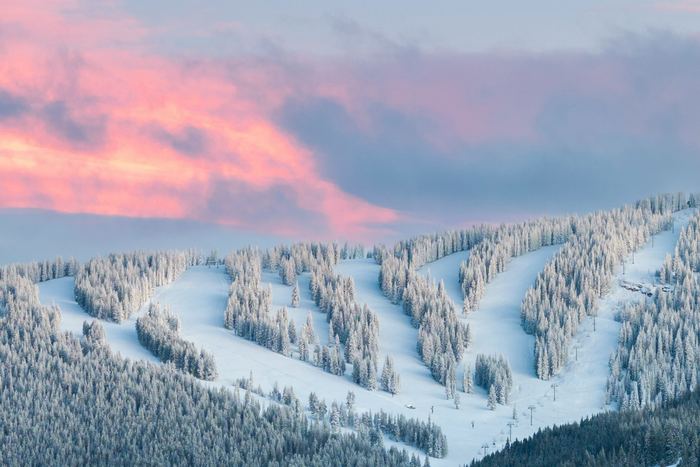
If you like Whistler Blackcomb, BC, also consider
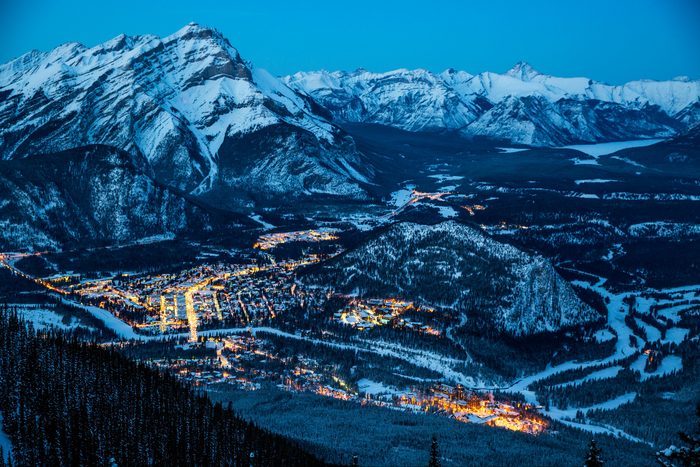
Banff & Lake Louise, Alberta
Three resorts inside a national park — dry Rockies powder and scenery that stops you mid-run.
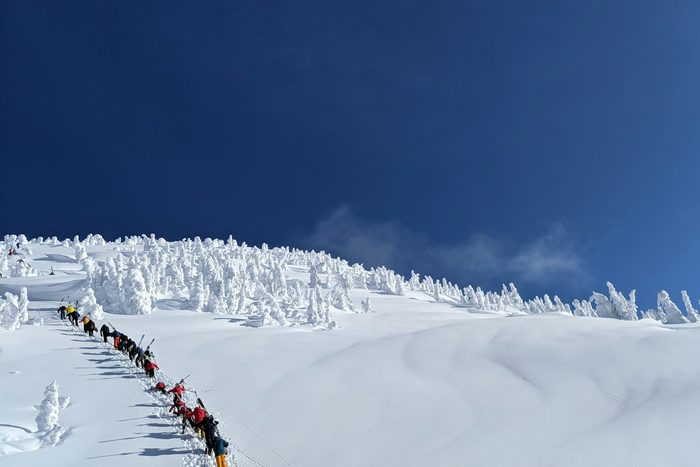
Revelstoke, BC
The longest vertical drop in North America — a powder town that went big.
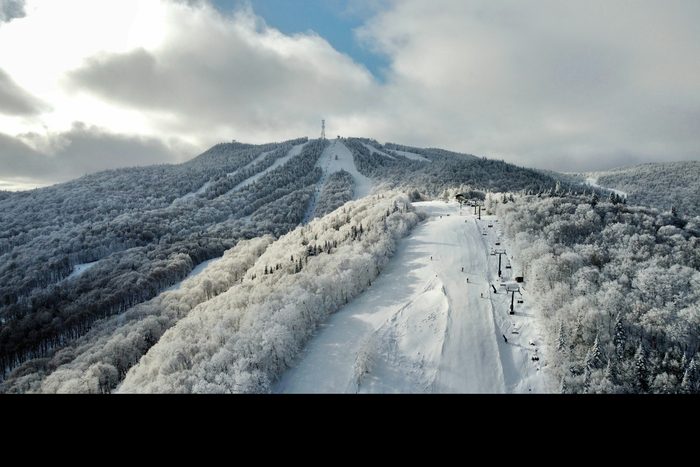
Mont Tremblant, Quebec
Eastern Canada’s best ski resort — a colourful Quebec village with snowmaking that never quits.
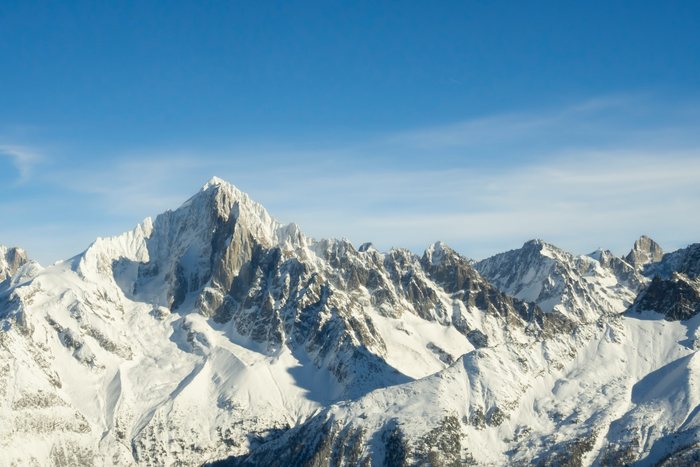
Chamonix, France
The birthplace of alpinism, under Mont Blanc.
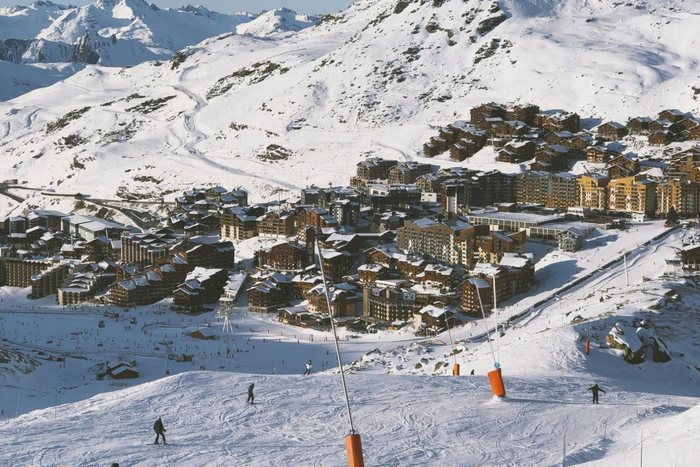
Val Thorens, France
Europe’s highest resort — snow-sure, and the gateway to the world’s largest linked ski area.
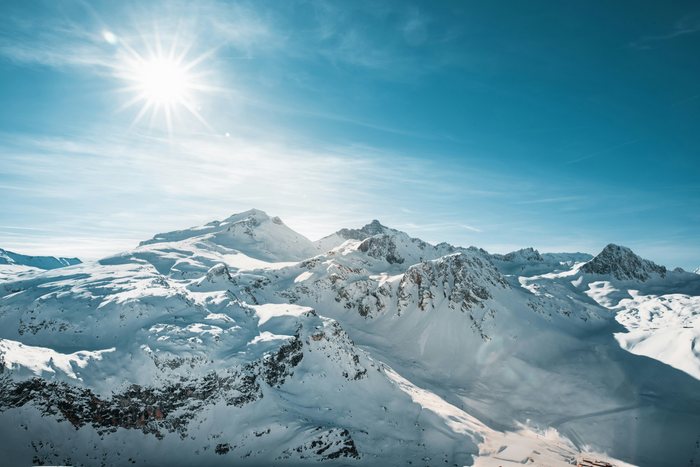
Val d’Isère, France
High-altitude, serious skiing with a village that actually feels like one.