Bali, Indonesia vs Vietnam

Two South-East Asian favourites, one an island and one a country. Bali is a single Indonesian island — Hindu temples, emerald rice terraces, surf and a famous wellness culture — a concentrated, atmospheric escape you settle into. Vietnam is a long mainland journey — 1,600 km of energetic cities, world-class food, layered history and the limestone seascapes of Ha Long Bay. One is a one-island culture-and-calm trip; the other a north-to-south adventure of constant variety.

Southeast Asia

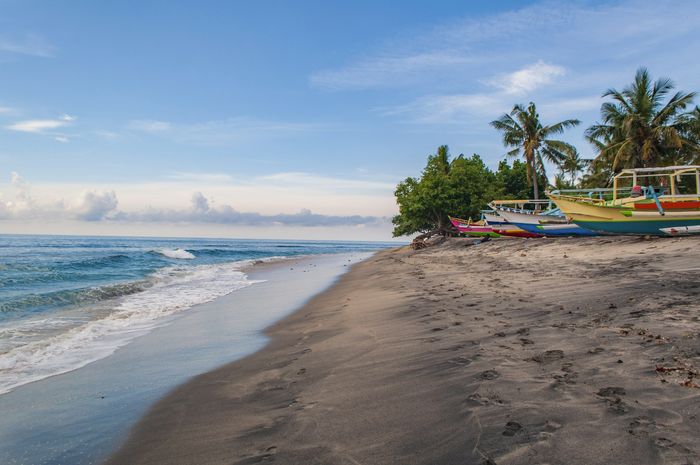
Bali, Indonesia

Warm, affordable, endlessly deep — beach, wellness, and culture in one place.

Best time to visit
  1. January: avoid
  2. February: avoid
  3. March: fine
  4. April: peak
  5. May: peak
  6. June: peak
  7. July: peak
  8. August: peak
  9. September: peak
  10. October: fine
  11. November: avoid
  12. December: avoid
Peak Fine Avoid
Southeast Asia

Vietnam

The best food in Southeast Asia, remarkable scenery, a long coastline.

Best time to visit
  1. January: fine
  2. February: peak
  3. March: peak
  4. April: peak
  5. May: fine
  6. June: avoid
  7. July: avoid
  8. August: avoid
  9. September: fine
  10. October: peak
  11. November: peak
  12. December: fine
Peak Fine Avoid

Read our full guides about Bali, Indonesia and Vietnam.

Side by side

Emphasised where they differ. Muted rows are much the same either way.

Bali, Indonesia Vietnam
Best time April–September February–April, October, November
Climate warm warm
Budget Cheap and great value — one island, so little spent getting around Among Asia’s cheapest on the ground — the long-haul flight is the main cost
Trip length 2–6 wks 2–6 wks
Visa Visa on arrival / e-visa for most Western passports (30 days, extendable). Verify before travel. E-visa available for most nationalities (90 days). Verify before travel.
Currency Indonesian Rupiah (IDR). VND (Dong). Roughly 25,000 VND ≈ 1 USD.
Language Indonesian and Balinese. English widely spoken in tourist areas. Vietnamese. Limited English outside major cities and tourist spots.
Tap water Drink bottled or filtered water. Tap water not safe.
Safety Generally safe. Watch for scooter accidents and dodgy operators. Safe. Traffic and pickpocketing are the main concerns.

General guidance — visas, safety, and health change, so check your government's travel advisory and the official sources before you go.

The split

One island, or a north-to-south journey

Both are warm, cheap and food-adjacent — but one is a single atmospheric island, the other a long, dense mainland journey.

Island vs journeythe shapeOne island to settle on, or a 1,600 km overland arc
Calm vs varietythe tripCulture-and-wellness, or cities-food-and-karst
Settle vs movethe paceBase yourself, or travel down a country

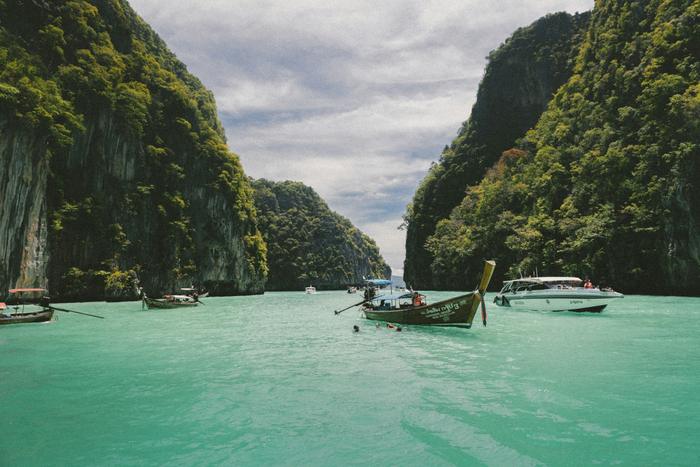
Bali is a single Indonesian island — Hindu temples, rice terraces, surf and a famous wellness culture — a concentrated, atmospheric escape you settle into. Vietnam is a long mainland journey: 1,600 km of energetic cities, world-class food, layered history and the limestone seascapes of Ha Long Bay.

The operational detail — Bali’s levy, visa-on-arrival and Nyepi; Vietnam’s nationality-dependent visa, three climate zones and Tet — lives on the two guides: Bali, know before you go and Vietnam, know before you go. This page is the head-to-head.

The real difference

Island calm, or a see-a-lot journey

The trade: Bali offers a concentrated, calm island of culture and surf; Vietnam offers food, history and a varied overland trip.

Bali wins on calm and atmosphere. Its living culture, rice terraces, surf and wellness make for an immersive, relaxed one-island escape with little ground to cover.

Vietnam wins on cultural density and the journey. One long route strings together cities, food and karst landscapes with constant variety, at rock-bottom prices — a trip that shows you a country, if a busier one. Choose the calm island, or the north-to-south journey.

Who suits which

Who each actually suits

Both are warm and cheap — but one leans island calm, the other density and journey.

If you want…BaliVietnam
A relaxing single-island baseWins. Settle and unwindA moving journey
Food as a reason to goGood, not the drawWins. A global cuisine
Visible living cultureWins. Temples, UbudHistory-led instead
Surf and wellnessWins. Its signatureNot the focus
Karst seascapes and SapaVolcanoes, not karstWins. Ha Long, Sapa
A see-a-lot country tripOne islandWins. North-to-south

Doing both

A short flight apart

Pair the Vietnam journey with a Bali decompress.

Bali and Vietnam are a short flight apart and pair well on a longer South-East Asia trip (often adding Thailand or Singapore) — Vietnam’s cities-and-journey, then Bali’s island calm. Each also compares with the region (see Bali vs Thailand, Bali vs Malaysia, Bali vs Philippines, Philippines vs Vietnam and Malaysia vs Vietnam).

What we leave out

What we deliberately leave out

Exact prices beyond the structural comparison — both are cheap and move with season — so the figures here are the shape of the difference, not a quote; the country guides carry the live detail. Bali’s levy/visa/Nyepi and Vietnam’s visa-by-nationality, climate zones and Tet are covered on the guides rather than restated here.

Bali, Indonesia or Vietnam, month by month

Which of the two is the better bet for each month of the year, scored on how well the season suits each place.

Which to choose

Choose Bali, Indonesia if:

  • Temples, rice terraces, surf and wellness on one island are the draw.
  • You want a concentrated, relaxing base, not a journey.
  • Island culture-and-calm over a long overland trip.

Choose Vietnam if:

  • Food, history and a classic north-to-south journey top the list.
  • You want cultural density and constant change.
  • An overland arc of cities and karst landscapes over a single island.

Common questions

Is Bali or Vietnam better for a relaxing trip?
Bali — it’s a single island you settle into, with a calm, spiritual feel (temples, rice terraces, the wellness heartland of Ubud), surf and beaches, and little ground to cover. Vietnam is more of a busy, moving journey — energetic cities, intense traffic and a north-to-south route to travel. For a relaxed island base, Bali; for an active, see-a-lot trip, Vietnam.
Which has the better food and culture?
Vietnam for food, Bali for visible living culture. Vietnam’s cuisine (pho, banh mi, regional specialities) is a globally celebrated draw, and the country is thick with history (Hanoi, Hue, Hoi An). Bali has a uniquely visible Hindu culture — temples, ceremonies, offerings everywhere — and a wellness scene, more than a big food-and-history pull. For cuisine and history, Vietnam; for immersive island culture, Bali.
Which has the better beaches and nature?
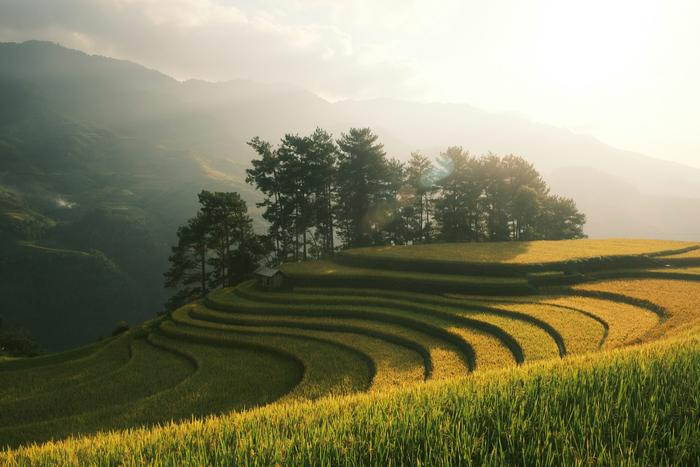
Bali is the stronger beach-and-surf island, with rice-terrace scenery and volcano hikes. Vietnam’s nature headliners are the karst seascape of Ha Long Bay, the terraced mountains of Sapa and the caves of Phong Nha, with beaches as a secondary draw (Da Nang, Phu Quoc). For surf and a single-island vibe, Bali; for karst landscapes and dramatic scenery, Vietnam.
Do the entry rules differ?
Yes. Bali (Indonesia) uses visa-on-arrival for most visitors plus a tourist levy, and observes Nyepi (a day of island-wide silence). Vietnam’s rules are nationality-dependent — much of Europe is visa-free for 45 days, but US/Canada/Australia need the 90-day e-visa (official .gov.vn site). Vietnam also has three climate zones (no single best month) and the Tet holiday to plan around. The guides carry the specifics: Bali and Vietnam.
Can I combine them?
Yes — they’re a short flight apart and pair well on a longer South-East Asia trip (often with Thailand or Singapore too): Vietnam’s cities-and-journey, then Bali’s island calm to decompress. Each also compares with the region — Bali with Thailand, Malaysia and the Philippines, Vietnam with the Philippines and Malaysia.

Still undecided

Take the quiz

Three matches. Often answers comparison questions for you.

Start the quiz