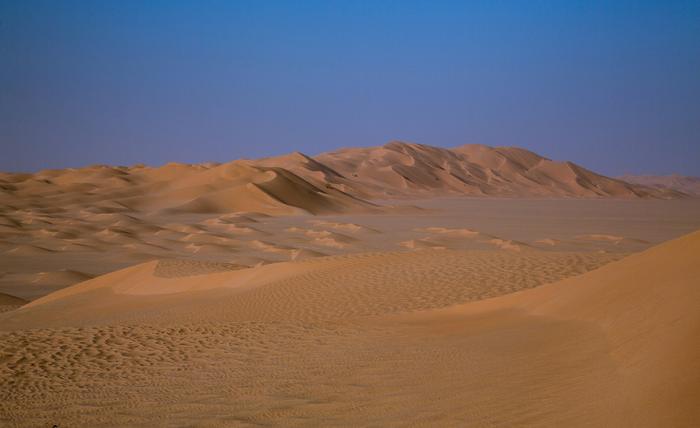
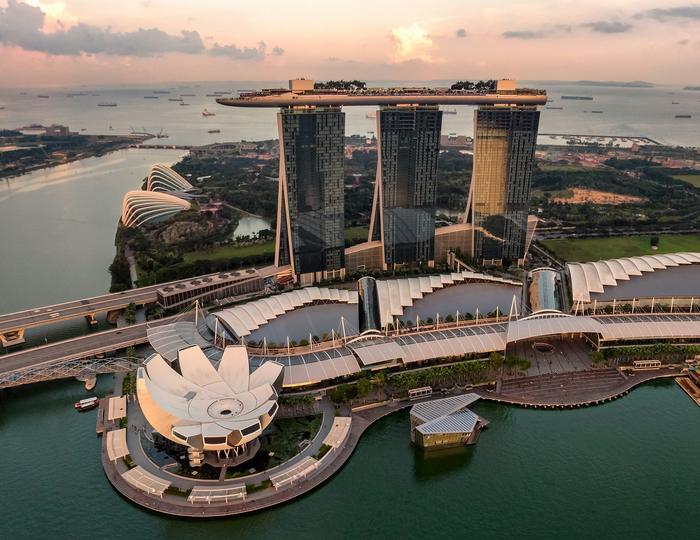
The same corner of the map, two opposite trips: one is the finished product, the other the frontier. The choice comes down to how much ease you want, and how much you mind that everything in one of them is engineered.
Both are Gulf trips. Only one of them still feels like discovery.
2019the year Saudi Arabia first issued tourist visasThe UAE has courted visitors for decades — the gap in polish follows from this
Dry vs legalalcohol — the single biggest practical differenceTotal ban in Saudi; licensed but taxed in the UAE
~25% lessSaudi’s rough cost saving on a like-for-like tripBefore the bar bill the UAE adds and Saudi doesn’t
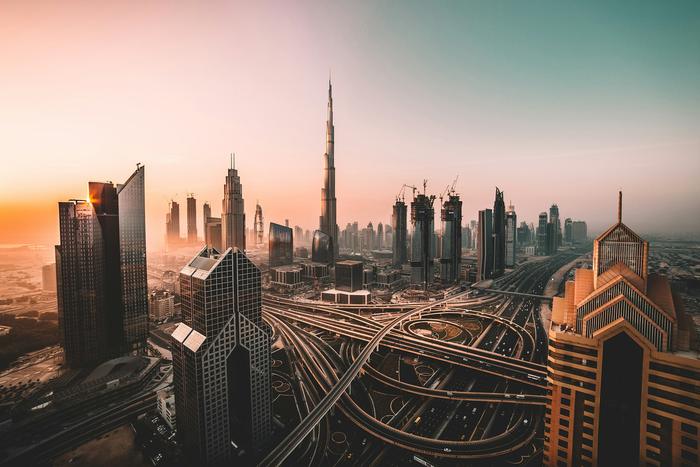
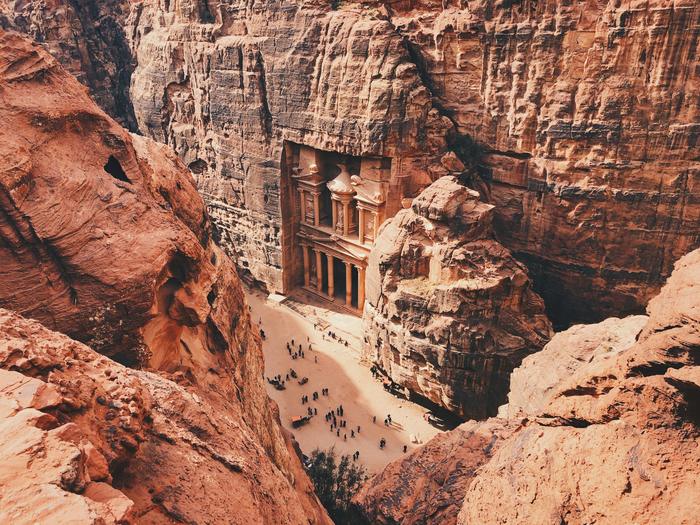
The UAE is the finished product: Dubai and Abu Dhabi are effortless — beaches, malls, world-class hotels, a driverless metro and no cultural friction, all built for the visitor over decades. Saudi Arabia only opened to leisure tourism in 2019 and still feels raw: fewer crowds, thinner infrastructure, more conservative customs, and genuine discovery in return — Hegra’s Nabataean tombs with almost no one there, empty desert, old Jeddah.
Most of the operational detail that decides a trip — how you get a visa, what you can wear and drink, how you get around, which sights need booking — is specific to each country, and lives on the two guides: Saudi Arabia, know before you go and the UAE, know before you go. This page is the head-to-head.
Ease vs reward
One asks nothing of you; the other asks for patience
The gap in effort starts at the border and runs through the whole trip.
It starts with entry. Most travellers walk into the UAE on a free passport stamp; most walk into Saudi on a pre-paid eVisa (around $140, though valid a full year). It continues in the getting-around: the UAE hands you a metro and 90-minute hops between its two cities, while Saudi is a country the size of Western Europe where the marquee sights are far apart and you fly between hubs then drive within them.
And it runs to the sights themselves. In the UAE you book a timed ticket and turn up; in Saudi the best sight, Hegra, cannot be visited independently at all — you take an official guided tour that sells out on weekends. None of this makes Saudi worse; it makes it a trip you plan rather than improvise, and the reward is that you often have the place to yourself.
Who suits which
Who each actually suits
On several of these the answer inverts — the easy choice isn’t the right one for you.
If you are…
Saudi Arabia
UAE
On your first Gulf trip
Doable, but expect thin infrastructure and more planning
Wins clearly. The frictionless introduction — visa-free, walkable, world-class
After a drink at the end of the day
No — the country is entirely dry
Wins. Legal in licensed venues, if pricey since the 2025 tax
Watching the budget
Cheaper like-for-like, and no bar bill at all
Has the genuine shoestring tier — metro, hostels, cheap eats — Saudi lacks
Chasing discovery and empty sights
Wins clearly. Hegra, empty desert, a country five years into tourism
Polished and popular — the opposite of off-the-beaten-path
Travelling car-free
Only really in Riyadh, on its new metro
Wins. Dubai runs on a driverless metro; Abu Dhabi less so
Escaping the summer heat
The Asir highlands stay mild when the desert hits 43°C
No refuge — summer is simply an indoor season
Doing both
They’re neighbours — pairing them is natural
Plenty of people asking “which one?” can simply do both.
They share a border, and Dubai is a short flight from Riyadh or Dammam — under two hours — with the Saudi east coast a drivable crossing away. The natural shape is a polished few days in the UAE bookending a longer, rawer, cheaper Saudi trip: arrive frictionless, decompress at the end, and spend the middle somewhere that still feels like it’s being discovered. The one thing to plan around is that both peak in the same November–March window and both are punishing in summer, so the calendar doesn’t let you dodge heat by hopping between them.
What we leave out
What we deliberately leave out
Current prices, above all — hotel, dining and tour rates move faster than we could keep them accurate, so the page compares what each country costs in effort, access and structure (whether a budget tier exists, whether there’s a bar bill) rather than in day-rates. Visa lists, alcohol taxes and the arriving Etihad Rail are all set to change, so treat anything dated here as worth a re-check on the two country guides before you travel.
Sources
Where this comes from
The detail above was read off primary sources
on
— operator timetables, municipal ordinances, regional tourism boards, national statistics offices and first-hand traveller reports, rather than other travel articles.
Researched and maintained by Dmitrii Romashchin — how we research.
You want a low-effort first trip or a stopover — visa-free on arrival, world-class infrastructure, zero friction.
You want a drink with dinner and a bar at night — legal here, banned there.
You’re travelling with a mix of ages and want everything indoors, air-conditioned and close.
You’d rather ride a metro than plan flights between far-apart cities.
Common questions
Is Saudi Arabia or the UAE better for a first trip to the Gulf?
The UAE, comfortably. Visa-free entry for most travellers, a driverless metro, world-class hotels and no cultural friction make it the low-effort introduction. Saudi is the more rewarding trip for a second visit or a traveller who wants discovery over polish — but it asks for more planning and patience.
Is Saudi Arabia or the UAE cheaper?
Saudi, by roughly 20–30% on hotels, dining and transport at comparable quality — and being dry removes the bar bill entirely, which in the UAE can add $50 a day. But the UAE has a genuine budget tier (metro, hostels, cheap eats) that Saudi’s thin budget market lacks, so a shoestring trip can actually come out cheaper in Dubai.
Can you drink alcohol in Saudi Arabia and the UAE?
Only in the UAE — legally, in licensed hotel bars and restaurants for over-21s, though it’s expensive since the 30% Dubai tax returned in 2025. Saudi Arabia is entirely dry: the one licensed shop that opened in Riyadh in 2024 is for diplomats only. This is the single biggest practical difference between the two.
When is the best time to visit Saudi Arabia and the UAE?
The same window for both: November to March. Both are unbearable from June to September — the UAE humid, Saudi’s interior bone-dry at 43°C — with the difference that Saudi’s Asir highlands stay mild in summer while the UAE simply moves indoors.
Should I do both Saudi Arabia and the UAE?
It’s easy to — they’re neighbours, and Dubai is a short flight from Riyadh or Dammam (and a drivable border crossing from the Saudi east coast). A common pairing is a polished few days in the UAE bookending a longer, rawer, cheaper Saudi trip.