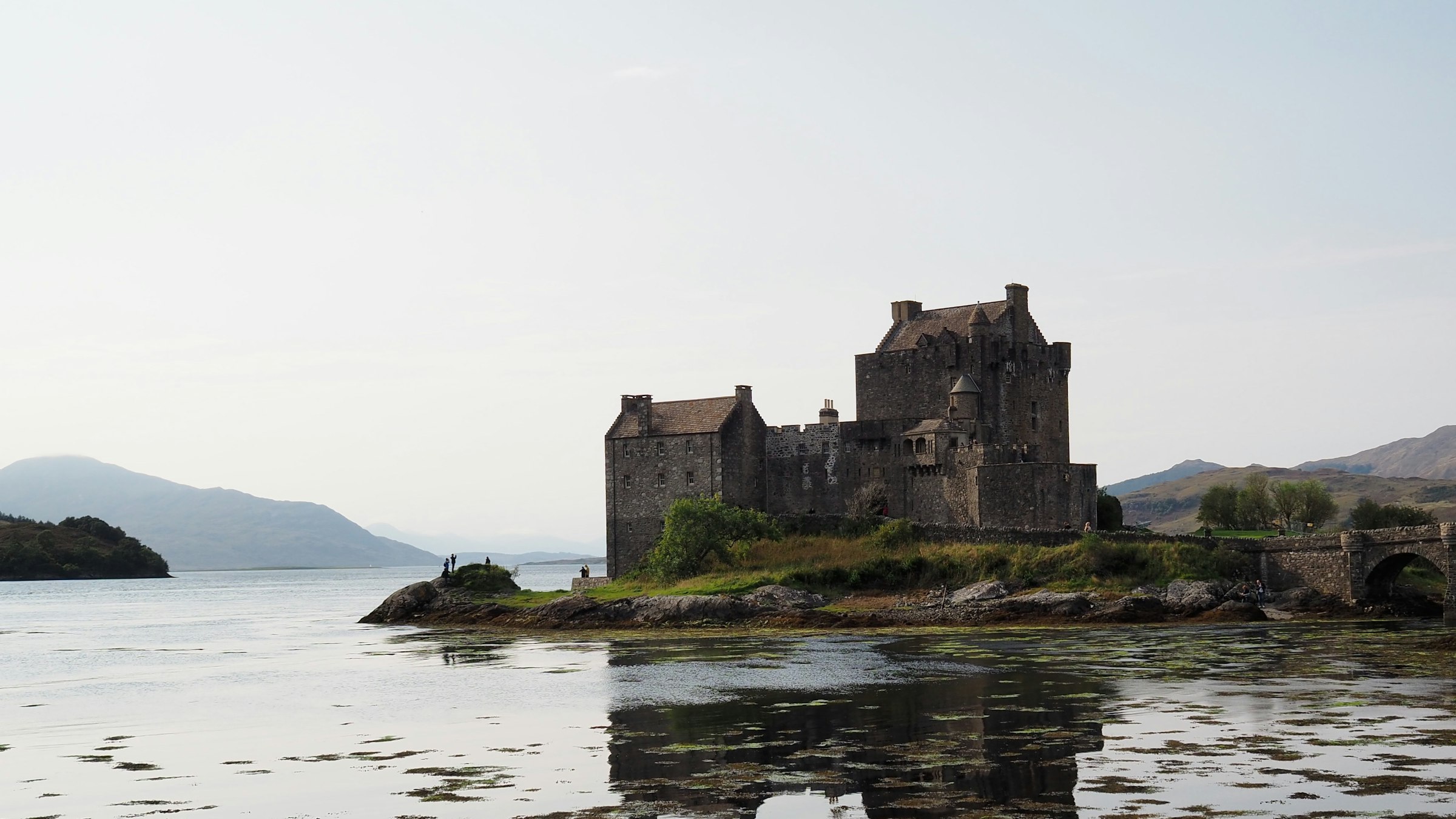
Scotland
Highlands, lochs, castles, and whisky. Dramatic, moody landscapes.
Scotland is the trip for people who want to drive empty roads through landscapes that look CGI'd. Edinburgh as the city base, then the Highlands and the Isle of Skye as the core circuit; the Outer Hebrides and Orkney are the deeper version. Pack for rain in any month.
The classic loop is a week: two nights in Edinburgh, then north through Glencoe on the A82, over the bridge to Skye, and back via Loch Ness or the Cairngorms. Days are castles, single-track roads, distillery tours, and pulling over every twenty minutes for the view. With ten days you add the North Coast 500 or a ferry to the Outer Hebrides. Your money goes on the rental car, fuel, and rural hotels that cost more than you expect.
The weather is the honest part: it will rain, possibly all week, in any month you choose. Midges make Highland evenings miserable from June to September, and Skye in August is a single-track traffic jam of campervans. Food outside the cities is hit-and-miss and never cheap. If you need guaranteed sunshine, go elsewhere. But when the cloud lifts over Glencoe, you understand why people keep coming back regardless.
Highlights
-
Edinburgh
Festival in August, atmospheric the rest of the year.
-
Isle of Skye
The famous one. Old Man of Storr, Quiraing, Fairy Pools.
-
Glencoe & the Highlands
Drive the A82 through Glencoe — utterly cinematic.
-
Speyside / Islay
Whisky distilleries on either side of the country.
Practical info
- Visa
- UK visa rules — visa-free for most Western passports (6 months).
- Currency
- GBP (£)
- Language
- English. Scottish accent occasionally requires concentration.
- Safety
- Very safe.
- Getting around
- Hire a car for the Highlands. Trains are decent for cities.
- Tap water
- Tap water safe.
- Plug type
- Type G 230V
- Money
- Cards everywhere; small cash for rural pubs.
General guidance — visas, safety, and health change, so check your government's travel advisory and the official sources before you go.
Common questions
- Do I need the UK ETA to visit Scotland?
- Yes — Scotland is in the UK, so the UK ETA (£20) applies to visa-exempt visitors (US, Canada, Australia, and the EU since April 2025). Apply on the official gov.uk/UK ETA app before travel; it’s valid two years, multiple entries, each stay up to six months. See entry.
- How bad are the midges?
- In the west Highlands and islands, June–August, genuinely bad at dawn and dusk in still, humid weather — bring repellent (Smidge) and maybe a head net. A breeze, bright sun, or heading to the east coast or Orkney keeps them off. See when to go & midges.
- When is the best time to go?
- May–September for long days and green landscapes, with May and September the sweet spot (fewer crowds and midges). July–August is peak everything; winter is dark but atmospheric.
- Do I need a car?
- For the Highlands, the NC500 and the islands, effectively yes — public transport is thin there. Cities are fine without one. You drive on the left and will meet single-track roads with passing places. See getting around.
- How do single-track roads work?
- Use the passing places: pull into one on your left (or wait opposite one on your right), give way to traffic coming uphill, never park in a passing place, and let faster traffic behind you past. A wave of thanks is customary.
- Can I wild camp and walk anywhere?
- Largely yes, under Scotland’s right to roam — responsible access to most land and water, including lightweight wild camping — except the Loch Lomond & Trossachs permit zones (Mar–Sep) and no campervans without consent. See money & culture.
Entry & money
It’s the UK — and the ETA is now live
Not Schengen, and visa-exempt visitors now need a UK ETA before they travel.
Entering Scotland means entering the UK — not Schengen — so the border rules are the UK’s, and the key change is the ETA: visa-exempt visitors (US, Canada, Australia, and the EU since April 2025) must now get an Electronic Travel Authorisation, £20, before travelling. Apply on the official gov.uk/UK ETA app (beware copycat sites that overcharge); it lasts two years, allows multiple visits, and each stay can be up to six months.
Money is pound sterling, cards and contactless universal. One quirk: Scottish banknotes are valid across the UK but aren’t technically “legal tender,” so an unfamiliar English shop may occasionally balk — a card sidesteps it.
Apply for the ETA on the official app well before you fly — it’s usually quick, but it’s a hard requirement now and copycat sites charge more for the same thing. Carry a contactless card alongside any Scottish cash; the banknote quirk is harmless but occasionally awkward south of the border.
Edinburgh & cities
The Castle, the Royal Mile, and August
Edinburgh is the headline — and in August it turns into the world’s biggest arts festival.
Edinburgh is the set-piece — the Castle on its volcanic rock, the Royal Mile down to Holyrood, Arthur’s Seat above, and an Old-and-New-Town UNESCO core. Book the Castle’s timed entry online: when the online slots sell out, there are none at the gate. In August the city hosts the Fringe, the world’s largest arts festival, plus the Military Tattoo on the Castle esplanade — electric, but accommodation and prices spike hard.
Glasgow, the larger city, is the cultural counterweight — live music (a UNESCO City of Music), Victorian architecture and galleries — and makes the natural second base.
Decide early whether you want August or not: the Fringe and Tattoo are a genuine bucket-list experience, but Edinburgh is mobbed and dear, and beds vanish months out. Outside August the city is calmer and cheaper — and either way, book the Castle slot online in advance, as gate tickets routinely sell out.
Highlands & NC500
The Highlands, and the famous drive
The scenery is the point — and the NC500 has made its single-track roads a planning subject.
~830 km the North Coast 500 loop from Inverness
The Highlands are why most people come — Glencoe’s glacial drama, Loch Ness, Ben Nevis above Fort William, and the endless single-track glens. The NC500 has packaged the far north into one ~830 km loop, which is spectacular but now crowded in summer and hard on the narrow roads.
The golden rule is to slow down: Highland distances are deceptive, the single-track etiquette is real, and the landscape rewards stopping rather than ticking off miles.
| Sight | What | Note |
|---|---|---|
| Ben Nevis | The UK’s highest peak, 1,345 m | Above Fort William; a full, serious day |
| Glencoe | A brooding glacial valley | The iconic Highland drive |
| Loch Ness | A long, deep loch; Urquhart Castle | South-west of Inverness |
| The NC500 | An ~830 km driving loop from Inverness | Single-track roads; mind the etiquette |
Climbing Scotland’s 282 “Munros” (peaks over 3,000 ft) is a national pastime; Ben Nevis is the highest. Plan fewer Highland miles per day than you think — the roads are slow and the views deserve stops.
On single-track roads, the passing-place rules aren’t optional courtesy — they keep the traffic moving: pull in on your left, give way to anything coming uphill, reverse to the nearest passing place if that clears faster, and never park in one. Allow far more time than the distance implies, and let the queue of locals behind you past.
The isles
Skye, the Hebrides and Orkney
The islands are half the magic — from honeypot Skye to Neolithic Orkney.
Skye is the honeypot — the Fairy Pools, the Old Man of Storr, the Quiraing — and so popular that the big sights now have paid car parks to manage the crush; arrive early for a space. The Outer Hebrides (Harris and Lewis) are the quieter, Gaelic-speaking alternative, with astonishing white-sand beaches and the Callanish stones.
Further off, Orkney is the surprise: Skara Brae and the Heart of Neolithic Orkney UNESCO sites are older than Stonehenge and the Pyramids — and, being north and treeless, it’s largely midge-free.
- Dramatic landscapes and the famous sightsSkipSkye at midday in summerGoSkye early (the paid car parks fill), or the quieter Outer Hebrides
- Neolithic history and no midgesSkipthe midgy west coastGoOrkney — Skara Brae, and largely midge-free
- Peated whisky at the sourceSkipa generic distillery dayGoIslay, the smoky-malt island
| Island | What | Note |
|---|---|---|
| Skye | Fairy Pools, the Old Man of Storr, the Quiraing | Overtourism; paid car parks — arrive early |
| Outer Hebrides | White-sand beaches, the Callanish stones | Remote, Gaelic-speaking (Harris & Lewis) |
| Orkney | Skara Brae + Heart of Neolithic Orkney (UNESCO) | Older than Stonehenge; largely midge-free |
| Islay | Peated-whisky distilleries | The smoky-malt island |
The west-coast isles are reached by CalMac ferries — book car spaces well ahead in summer, as sailings to Skye (Armadale), Mull, Islay and the Outer Hebrides sell out. Skye is also bridge-linked (free).
Book CalMac ferry car spaces as early as you can for a summer island trip — the popular sailings sell out weeks ahead, and turning up without a reservation can strand you. Skye you can reach by its free bridge; everywhere else on the west coast is a ferry, so it pays to plan the crossings first and build the route around them.
Whisky
Five regions, one national drink
Scotch is a landscape of regions and styles — and a distillery tour is a trip highlight.
Whisky is woven through a Scottish trip, and the fun is the regional variety: fruity, sherried Speyside (the densest concentration of distilleries anywhere, and the Malt Whisky Trail); fierce, peaty Islay; the broad, varied Highland region; and the softer Lowland and briny Campbeltown malts. A distillery tour — tasting at the source — is one of the country’s great set-pieces.
The practical catch is driving: Scotland’s drink-drive limit is lower than England’s, so a dram and a drive don’t mix.
| Region | Style | Note |
|---|---|---|
| Speyside | Fruity, honeyed, often sherry-cask | The densest cluster; the Malt Whisky Trail |
| Islay | Fiery, heavily peated and smoky | Laphroaig, Ardbeg, Lagavulin |
| Highland | Hugely varied, lighter to coastal | The biggest region, including island malts |
| Lowland / Campbeltown | Soft and grassy / briny and robust | Springbank at Campbeltown |
Five protected Scotch regions in all. Distillery tours are everywhere — but Scotland’s drink-drive limit is lower than England’s, so plan a designated driver or a tour with transport.
Plan whisky days around not driving — the Scottish limit is strict enough that even one dram is risky, so use a designated driver, a tour with transport, or the “drivers’ drams” miniatures distilleries hand out to take away. Speyside is the trail to do it on; Islay the pilgrimage for peat-lovers.
When & midges
Long summers, and the midge
Come May–September — and in the west, plan around the midge.
Jun–Aug when the Highland midge bites worst
May and September are the sweet spot — lighter crowds and fewer midges. Winter days are very short and dark (the Highlands get under 7 hours of daylight in December) but atmospheric, with Cairngorms skiing. Weather is famously changeable — pack layers and waterproofs year-round.
The season is May to September for long days — far-north midsummer barely gets dark — with May and September the smart picks for thinner crowds and fewer midges. The midge itself is the one genuinely Scottish planning factor: in the west Highlands and islands from June to August it swarms at dawn, dusk and in still, muggy weather.
A breeze, bright sun, or simply moving keeps them off, and the east coast and Orkney are largely midge-free. Whenever you come, the weather is changeable — “four seasons in a day,” often wet — so pack waterproofs.
Getting around
A car for the Highlands, trains for the glens
The cities need no car; the Highlands and islands do — plus a world-great railway.
In the cities you need no car — they have good public transport — but for the Highlands, the NC500 and the islands a car is effectively essential, on the left, braced for single-track roads. The train is a joy where it reaches: the West Highland Line to Mallaig is rated one of the world’s great rail journeys, crossing the Glenfinnan Viaduct of Harry Potter fame.
For the isles, CalMac ferries are the network — book car spaces well ahead in summer.
Pair a Highland car trip with a leg of the West Highland Line if you can — the Glasgow-to-Mallaig railway (or the seasonal Jacobite steam service over the Glenfinnan Viaduct, which books out) is a highlight in itself. Reserve the Jacobite and any CalMac car crossings early; both sell out in summer.
Money & culture
Sterling, right-to-roam, and tartan
Moderate prices, a world-leading access law, and a strong national identity.
Costs are moderate-to-upper — the Highlands and islands are the dearest to reach and stay, the cities more moderate, and August Edinburgh genuinely expensive. Tipping runs about 10% in restaurants and isn’t expected in pubs.
The standout is the right to roam: Scotland’s Land Reform Act gives responsible access to most land and inland water, including lightweight wild camping — one of the world’s most generous access laws (the exceptions are the Loch Lomond & Trossachs permit zones, Mar–Sep, and no campervans without consent). Culturally it’s a proud, distinct nation within the UK — tartan, bagpipes, Highland Games, and Gaelic on the signs through the west.
Use the right to roam responsibly — it’s a privilege built on “leave no trace”: lightweight wild camping for a night or two, away from buildings, carrying everything out, and not by campervan (which needs the landowner’s consent or a campsite). In the Loch Lomond & Trossachs zones you need a £3-a-night permit (Mar–Sep), bookable ahead.
Compare Scotland
If you like Scotland, also consider

France
Paris is only the opening act — wine country, the Alps, and two coastlines.

Italy
The benchmark for food, history, and beauty.

Greece
Ruins in the morning, a swim by noon, taverna until dark.
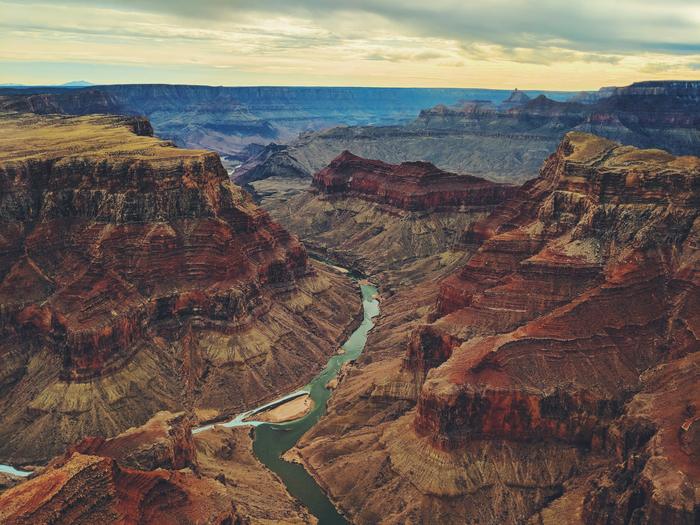
United States
A continent pretending to be a country — cities, deserts, and the best national parks anywhere.
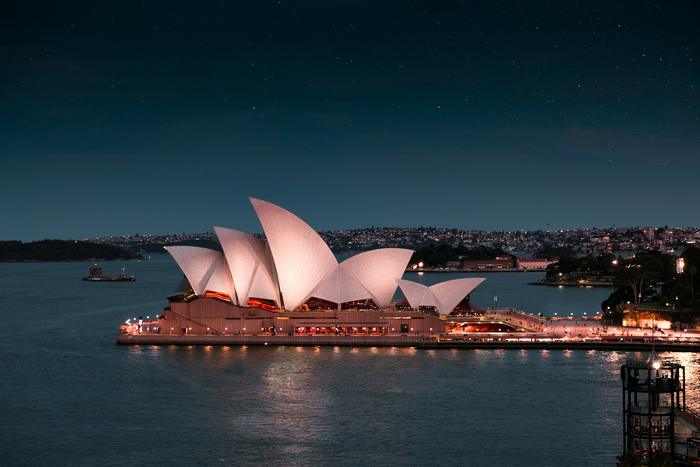
Australia
Vast, varied, relaxed. Reef, Sydney, and proper wilderness in one.
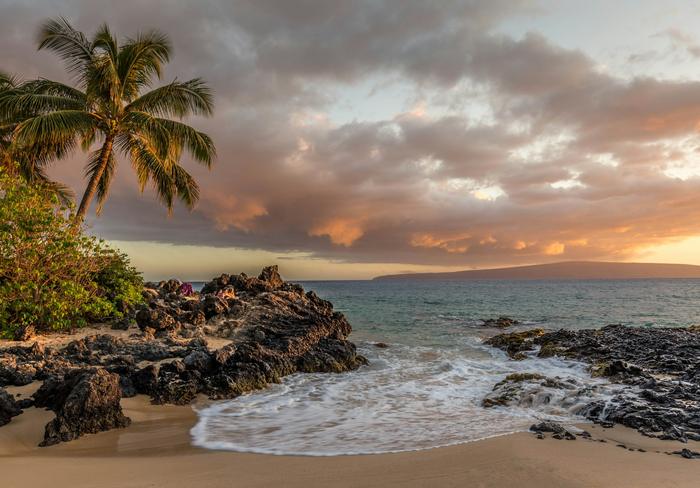
Hawaii
A handful of islands where the landscapes and the ocean genuinely earn the flight.
Not sure where to go
Take the 5-minute quiz
Answer a few honest questions and get matched to destinations that actually fit how you travel.
Start the quiz