Netherlands
Amsterdam, then the cities and coast most visitors never reach.
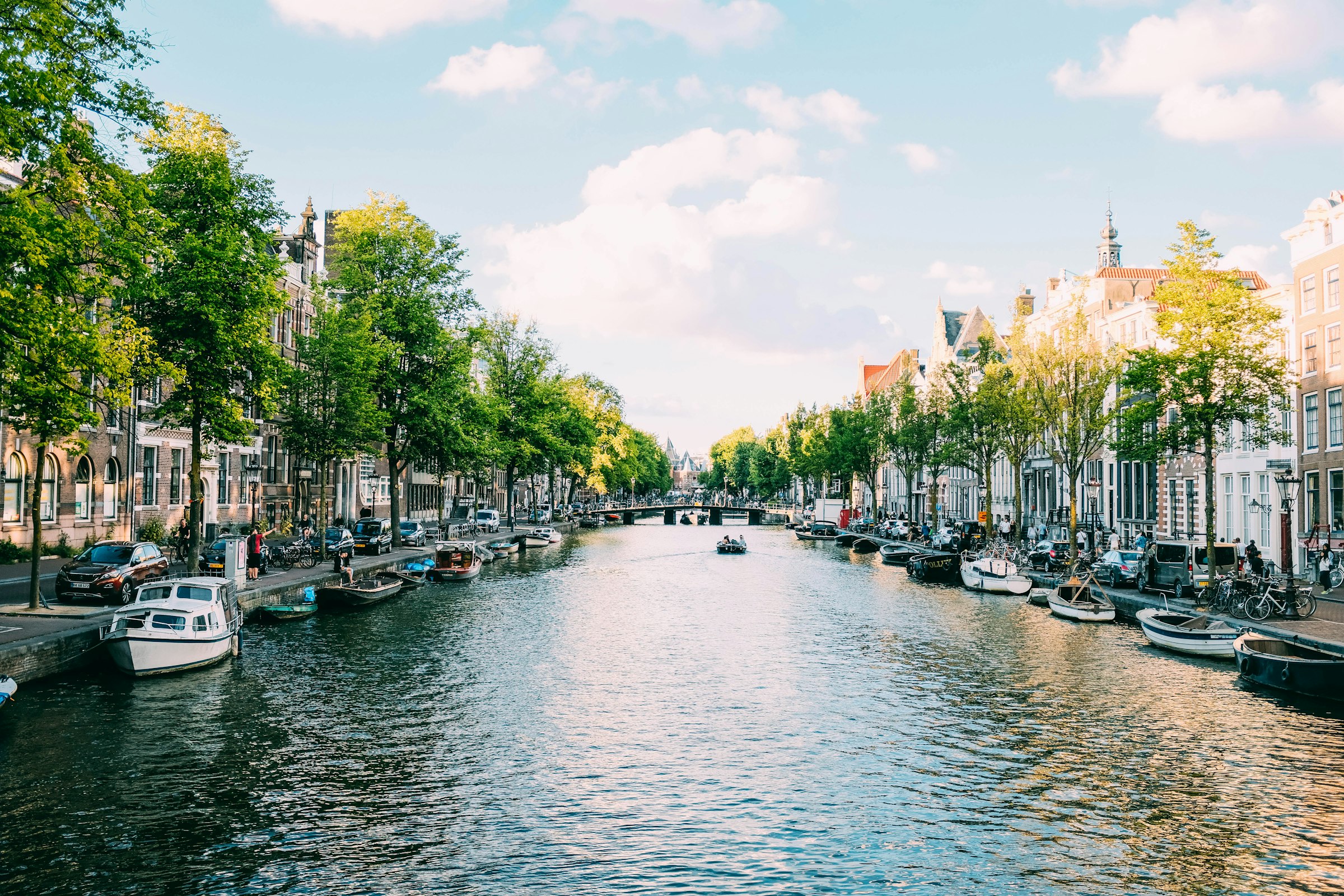
The Netherlands is more than Amsterdam, though the capital is a genuinely great city — canals, museums, and a human scale that rewards walking and cycling. Beyond it, Rotterdam brings bold modern architecture, Utrecht and Haarlem offer the charm without the crowds, and the tulip fields peak for a few weeks each April. Flat, compact, and the easiest country in Europe to get around by bike and train.
This is a train-and-bike trip: tap in with a contactless card and every city worth seeing is under an hour from Amsterdam. Book the Rijksmuseum and Van Gogh Museum well ahead, then spend the rest of your time the Dutch way — cycling the canal rings, long sits in brown cafés, herring stands and stroopwafels between stops. Day-trip to Utrecht, Haarlem, or Delft and you get the canal scenery without the crush. Hotels are the budget-killer; everything else is manageable.
The honest part: central Amsterdam is overrun — the stretch from Centraal Station to the Red Light District is a slow-moving crowd most of the year — and hotel prices are among Europe's worst. The weather runs grey and damp outside high summer, and Dutch food has never been the reason anyone visits. There is no wilderness and no drama here. What you get instead is the most frictionless city trip in Europe, and that ease is worth a lot.
Highlights
-
Amsterdam
Canals, world-class museums, and a city built for walking and bikes.
-
Rotterdam
Bold modern architecture and the antidote to Amsterdam's crowds.
-
The tulip fields
Keukenhof and the bulb region — a few weeks of colour every April.
-
Utrecht & Haarlem
Amsterdam's charm at half the crowds and a short train away.
-
The Wadden Islands
North Sea dunes and beaches the Dutch keep to themselves.
Practical info
- Visa
- Schengen — visa-free for most Western passports (90 days).
- Currency
- EUR (€)
- Language
- Dutch. English near-universal.
- Safety
- Very safe. Watch for bikes — they have right of way and use it.
- Getting around
- Trains link every city; rent a bike to get around within them.
- Tap water
- Tap water safe and good.
- Plug type
- Type C Type F 230V
- Money
- Cards and contactless everywhere; some shops are card-only.
General guidance — visas, safety, and health change, so check your government's travel advisory and the official sources before you go.
Common questions
- When are the tulips?
- Keukenhof opens only about eight weeks a year — mid-March to mid-May (2027: 18 March–9 May) — and the open bulb fields around Lisse peak briefly in mid-to-late April, weather-depending. See the tulips section.
- Do I need a car?
- No — the country is small, dense and congested, with an excellent train network putting almost every city under an hour from Amsterdam, and cities are best seen by bike and on foot. A car is a liability. See getting around.
- How do I pay for transport?
- With OVpay: tap a contactless card or phone in AND out on all trains, trams, metro and buses. Forgetting to tap out on an NS train triggers a flat ~€33.30 charge — use the same device both ends.
- Why is Amsterdam so expensive?
- High room rates stacked with Europe’s highest tourist tax (12.5%, rising to 16% in 2027) and a 21% hotel VAT since January 2026. The two compound on every night’s stay. See the Amsterdam section.
- Can tourists still use coffeeshops?
- Yes in Amsterdam — cannabis is tolerated, not legal — but street-smoking is banned in the Red Light District (€100 fine). Some southern border cities apply a residents-only rule; Amsterdam doesn’t.
- Do I need a visa or ETIAS?
- No visa for US/UK/Canada/Australia — 90 days in 180, counted across Schengen. The EES biometric border is live; ETIAS (€20) is expected in 2027, with nothing to apply for yet.
Entry
Schengen, euro, biometric border
Straightforward EU entry — with the new biometric system now live.
The Netherlands is Schengen, EU and eurozone, so entry is the standard European affair: 90 days in any 180 visa-free for US, UK, Canadian and Australian passports, counted across all of Schengen. The EES biometric entry/exit system is now fully operational, taking fingerprints and a photo in place of a passport stamp.
ETIAS, the €20 pre-authorisation, is expected in 2027 — there’s nothing to apply for yet, but it’s the one entry change on the horizon.
There’s nothing special to arrange beyond a passport for now — the EES is an automated border step, not a form. If you’re connecting through Schiphol between non-Schengen flights, note the EES applies at the external border, which can add queue time at peak; otherwise entry is quick.
Amsterdam
A capital managing its own crowds
Amsterdam is actively pushing back on overtourism — the taxes, the rules and the clampdowns all shape a visit.
Amsterdam is the headline — the 17th-century Canal Ring (UNESCO since 2010), the Rijksmuseum, the Van Gogh Museum and the Anne Frank House — but it’s also a city deliberately managing its crowds. Expect timed, sell-out museum tickets (book days ahead), a “stay away” campaign aimed at rowdy party tourists, and the practical sting of Europe’s highest tourist tax (12.5%) stacked with a 21% hotel VAT.
The clampdowns are real: a cruise-ship cap, a no-new-hotels policy, a Red Light District street-cannabis ban (€100 fine) and reduced window-brothel hours. Cannabis remains tolerated, not legal, and Amsterdam’s coffeeshops still admit tourists.
Two bookings and one budget line save an Amsterdam trip: reserve the Anne Frank House and the big museums well ahead (they sell out, with no gate tickets left), and factor the 12.5% tourist tax plus 21% VAT onto the room rate when comparing hotels — together they add a noticeable chunk to every night.
Beyond Amsterdam
The country is not just the capital
With Amsterdam so crowded, the other cities are the smart move — all a short train away.
Because Amsterdam is so busy, the rest of the country is the quiet win — and it’s all close. Rotterdam is a showcase of bold modern architecture; Utrecht has the prettier, wharf-level canals; The Hague holds the government and the Mauritshuis (and a beach at Scheveningen); Delft and Haarlem are the postcard canal towns.
The trap is the day-trip honeypot: places like Giethoorn, the car-free “Dutch Venice,” choke with midday coach crowds — so go early or stay the night.
- Amsterdam feels overrunSkiponly doing the capitalGoRotterdam, Utrecht or Haarlem — all a short train away
- A Vermeer and a quieter canal townSkipthe Rijksmuseum queuesGothe Mauritshuis in The Hague, or Delft
- The famous canal villageSkiparriving at Giethoorn middayGogoing early or staying over — it’s a honeypot
| City | For | Note |
|---|---|---|
| Rotterdam | Bold modern architecture | Cube Houses, Markthal, rebuilt post-war |
| Utrecht | Wharf-level canals, the Dom Tower | A relaxed student city |
| The Hague | Government seat + the Mauritshuis | Vermeer’s Girl with a Pearl Earring; Scheveningen beach |
| Delft / Haarlem | Classic canal towns | Vermeer and Delftware; Haarlem is 15 min from Amsterdam |
Giethoorn, the car-free “village of canals” ~120 km north-east, is a day-tripper honeypot — go early or stay over. All these are well under an hour or two from Amsterdam by train.
Base a night or two outside Amsterdam — Haarlem (15 minutes out), Utrecht or Rotterdam — and the whole country opens up for less money and fewer crowds, with the capital still a short train hop for the museums. The dense rail network makes a multi-city trip effortless.
Cycling
A country built for the bike
Cycling isn’t a novelty here — it’s the default, on 35,000 km of dedicated path.
~35,000 km of dedicated cycle paths
To see the Netherlands properly, get on a bike. The infrastructure is unmatched — 35,000 km of dedicated cycle paths, flat terrain, and bikes outnumbering people — and renting one in any city or at a station (the NS OV-fiets) is the natural way to explore. The numbered knooppunten junctions make even long rural rides easy to navigate.
The etiquette matters: don’t walk or stand in the red cycle lanes, signal your turns, use lights at night, and lock frame and wheel.
As a pedestrian, the single most important habit is to keep off the red-asphalt cycle lanes — they look like pavement but carry fast, non-stopping bike traffic that has priority, and stepping into one is the classic tourist near-miss. Look both ways for bikes as carefully as for cars.
Tulips & landscape
An eight-week tulip window, and windmills
The tulips are gorgeous and briefly timed — and the flat, reclaimed landscape is its own sight.
8 weeks Keukenhof’s entire season — mid-March to mid-May
If tulips are the reason you’re coming, the timing is unforgiving: Keukenhof opens for only about eight weeks (2027: 18 March–9 May), and the colour-block bulb fields peak for a shorter window still in mid-to-late April. Miss it and the fields are bare.
The wider landscape rewards a look too — the Kinderdijk windmills (a UNESCO site of 19 mills), the polders and dikes of a country a quarter of which sits below sea level, and the 32 km Afsluitdijk sealing off the old Zuiderzee.
Don’t conflate Keukenhof with the fields: the gardens are planted to look good across the whole season, but the famous open bulb fields bloom only for a week or two in mid-to-late April and depend on the spring weather. If the fields are your goal, aim for mid-April and keep the dates flexible.
Getting around
Trains, trams and OVpay
Fast, dense and car-free — just tap in and out.
The Netherlands runs on trains and bikes, not cars. The NS network is fast, frequent and dense — nearly every worthwhile city is under an hour from Amsterdam — and Schiphol’s station is inside the terminal, ~15–20 minutes from Amsterdam Centraal. In the cities you cycle, tram or walk.
Pay with OVpay: tap a contactless card or phone in and out on everything. The one gotcha is forgetting to tap out of an NS train, which costs a flat ~€33.30 — use the same device at both ends.
| Journey | How | Note |
|---|---|---|
| Schiphol → Amsterdam Centraal | Train from inside the terminal | ~15–20 min |
| Between cities | NS trains | Almost every city under 1 h from Amsterdam |
| Paying | OVpay — tap in AND out | Miss the NS tap-out = flat ~€33.30 |
| In the cities | Bike, tram or metro | No car needed — small, dense, congested |
The old anonymous OV-chipkaart is retiring; OVpay (contactless card or phone) is the system — tap the same device in and out. Schiphol has a rail station inside the terminal.
A hire car is a liability here — parking is scarce and expensive, cities are congested, and the trains reach everywhere faster. Skip it, and remember the OVpay tap-out on trains especially; the automatic ~€33.30 incompletion charge for a missed tap-out is the most common visitor mistake.
When to go
Tulips, King’s Day, long summers
A mild, damp climate with two unmissable spring moments.
27 April King’s Day — the country’s biggest party
The climate is mild and wet year-round with no temperature extremes — pack a rain layer regardless of season. The crimson bars are the spring highlights: book far ahead for both the tulip weeks and King’s Day.
Spring is the headline season, for two reasons: the tulips (Keukenhof mid-March to mid-May, fields peaking mid-to-late April) and King’s Day on 27 April, a nationwide orange street party that’s huge in Amsterdam — book accommodation months ahead for either. Summer is pleasant and long-lit but peak-crowded.
The climate otherwise is mild, grey and damp much of the year — no heat or cold extremes, but reliably changeable, so a rain layer earns its place in any season.
Money & culture
Euro, directness, and good cheese
Expensive-ish but easy — with a famously direct culture and a distinctive table.
Money is easy — the euro, cards and contactless everywhere, English spoken universally — and the country is expensive-ish rather than eye-watering, the real sting being Amsterdam’s stacked lodging taxes. Tipping is modest: round up or 5–10% for good service.
The culture rewards knowing two things: Dutch directness (frank, not rude) and gezelligheid (cosy conviviality, best found in a “brown café”). The food is better than its reputation — stroopwafels, bitterballen, raw herring and cheese (Gouda, Edam), with the standout being Indonesian rijsttafel, a legacy of the colonial past.
| On the bill | Rate | Note |
|---|---|---|
| Amsterdam tourist tax | 12.5% | Europe’s highest — rising to 16% in 2027 |
| Hotel VAT | 21% | Up from 9% in Jan 2026 — stacks on the tax |
| Tipping | Round up / ~5–10% | Modest; service is generally included |
Currency is the euro; cards and contactless are universal and English near-universal. The real expense is Amsterdam lodging; the rest of the country is more moderate.
Don’t take Dutch bluntness personally — a flat, direct answer is courtesy here, not rudeness, and it cuts both ways (you can be straight back). For the best meal of a Dutch trip, seek out an Indonesian rijsttafel — the “rice table” of a dozen small dishes is the country’s great culinary inheritance.
Compare Netherlands
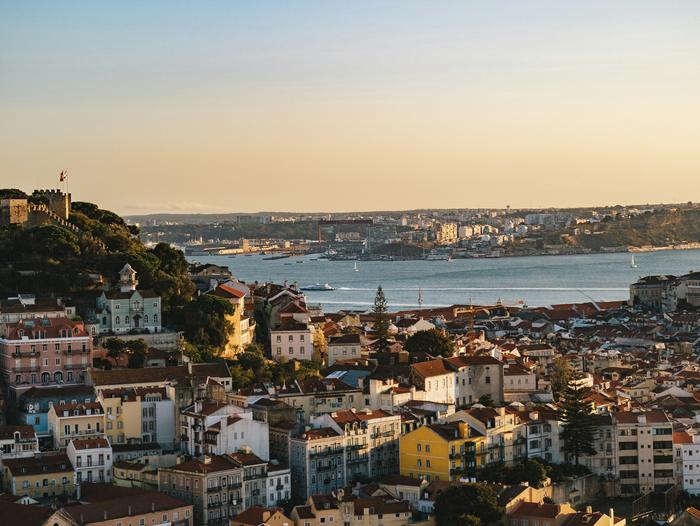
If you like Netherlands, also consider

France
Paris is only the opening act — wine country, the Alps, and two coastlines.

Italy
The benchmark for food, history, and beauty.

Greece
Ruins in the morning, a swim by noon, taverna until dark.

Japan
Extraordinary food, culture, and cities. Nothing quite prepares you for it.
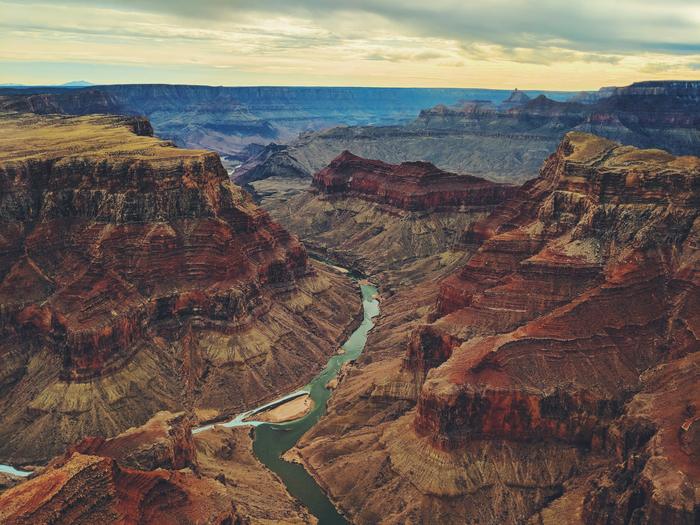
United States
A continent pretending to be a country — cities, deserts, and the best national parks anywhere.
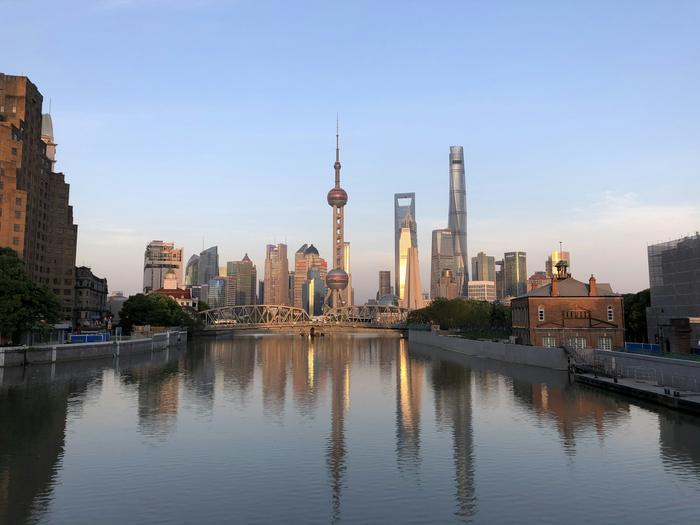
China
Ancient history and hypermodern cities at a scale that's hard to grasp until you're there.
Not sure where to go
Take the 5-minute quiz
Answer a few honest questions and get matched to destinations that actually fit how you travel.
Start the quiz