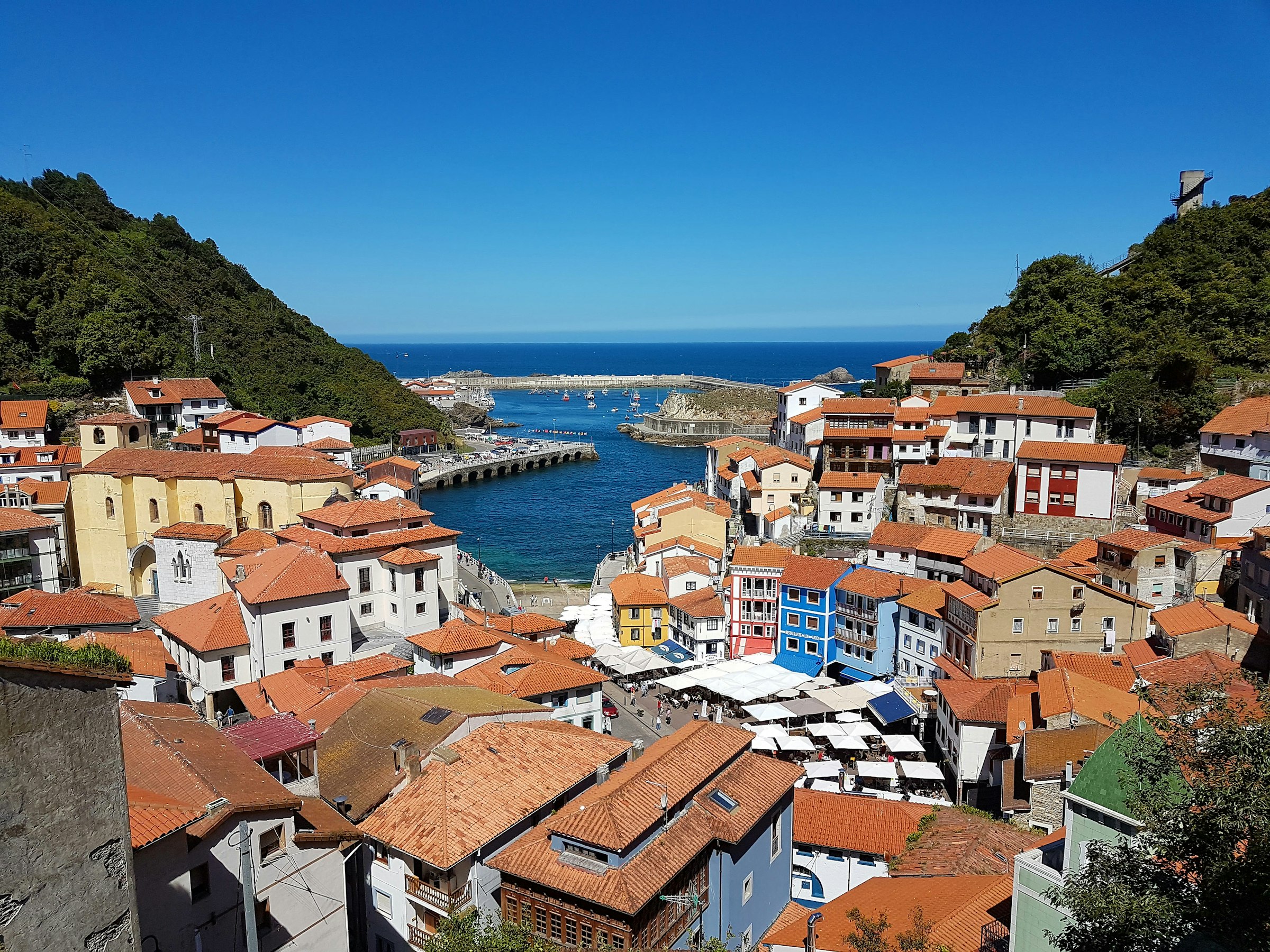
Azores
Green volcanic islands in the mid-Atlantic, half-empty and gloriously weird.
The Azores are a nine-island Portuguese archipelago marooned between Lisbon and North America, and they trade on nature over everything else. You hike the rims of flooded craters, drive lanes walled with hydrangeas, soak in geothermal hot springs, and go out on the water to watch whales and dolphins. It is green, volcanic, and low-key, and it is cheap-ish to reach — a short hop from Lisbon or a direct flight from the US East Coast.
Most people base on São Miguel, the big island, and never run out: the twin crater lakes of Sete Cidades (one blue, one green), the steaming caldera at Furnas where lunch is buried in the volcanic ground to cook, and the huge silent bowl of Lagoa do Fogo. From there you island-hop — over to Pico to climb Portugal's highest peak at dawn and drink wine grown in black-lava vineyards, or Faial for its blue-hydrangea hedges and yacht-harbour town. The rhythm is slow: rent a car per island, drive between miradouros, walk a levada or a crater trail, then find a hot spring at the end of the day.
The honest part is the weather, which is genuinely fickle and wet — the local line about four seasons in a day is not a joke, and a booked whale trip or crater viewpoint can vanish into cloud and drizzle. There are almost no sandy beaches, the nightlife barely exists, and if you want a tan-and-cocktails holiday you will be miserable here. This is a place for walking boots and a rain shell, not a party. The trade-off is dramatic, uncrowded volcanic scenery, whales offshore from spring to autumn, and a kind of geothermal strangeness you will not find anywhere else in Europe.
Highlights
-
Sete Cidades
Twin crater lakes, one blue and one green, best seen from the Vista do Rei rim at first light.
-
Furnas
A steaming valley of hot springs where cozido stew is slow-cooked underground in the volcanic soil.
-
Lagoa do Fogo
A vast, protected crater lake with a steep hike down to an empty shore.
-
Whale & dolphin watching
Boat trips from São Miguel and Pico, best April to October, with a real shot at big whales.
-
Pico
Climb Portugal's highest peak, then drink wine from the UNESCO-listed black-lava vineyards below.
-
Hydrangea roads
Come in summer and the island lanes are hedged in walls of blue and pink hydrangeas.
Practical info
- Visa
- Portugal (Schengen) — visa-free for most Western passports (90 days). Verify before travel.
- Currency
- EUR (€).
- Language
- Portuguese; English widely spoken in tourism.
- Safety
- Very safe; ordinary precautions only.
- Getting around
- Rent a car per island; inter-island flights and ferries connect the archipelago.
- Tap water
- Tap water is safe.
- Plug type
- Type C Type F 230V
- Money
- Cards widely accepted.
General guidance — visas, safety, and health change, so check your government's travel advisory and the official sources before you go.
Common questions
- When is the best time to visit Azores?
- Azores is at its best in July–September. It's best to avoid January, February, December.
- How many days do you need in Azores?
- Most trips run about 1 week, depending on how much ground you want to cover.
- Is Azores expensive?
- Plan for budget – mid-range daily spend, depending on how you travel.
- Is Azores safe for travelers?
- Very safe; ordinary precautions only.
- Do you need a visa for Azores?
- Portugal (Schengen) — visa-free for most Western passports (90 days). Verify before travel.
Compare Azores with
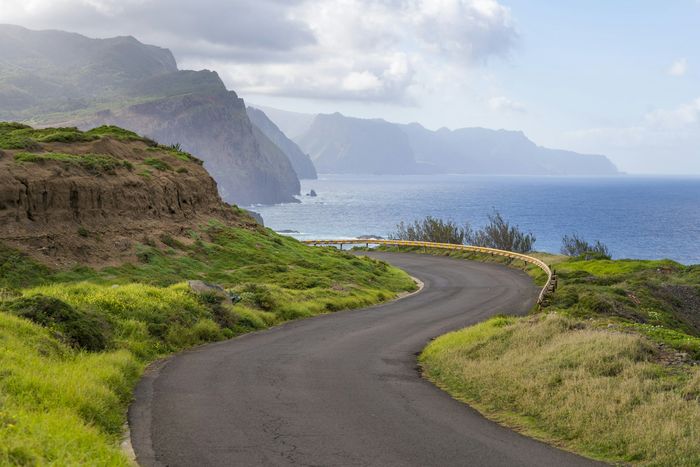
If you like Azores, also consider

France
Paris is only the opening act — wine country, the Alps, and two coastlines.
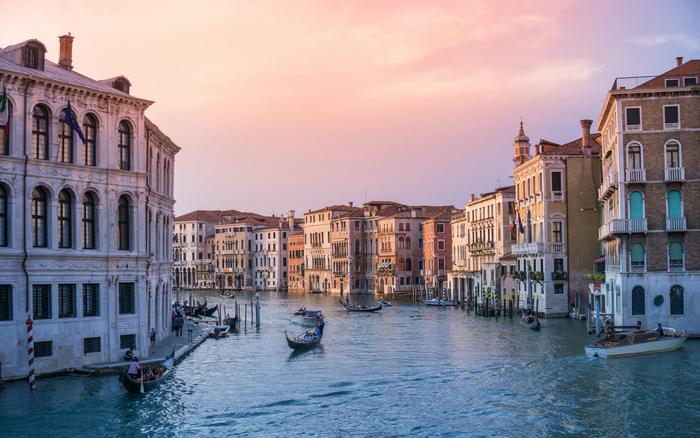
Italy
The benchmark for food, history, and beauty.
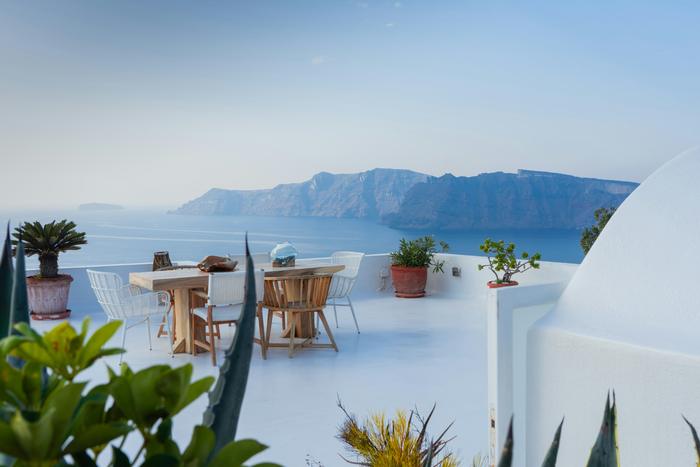
Greece
Ruins in the morning, a swim by noon, taverna until dark.
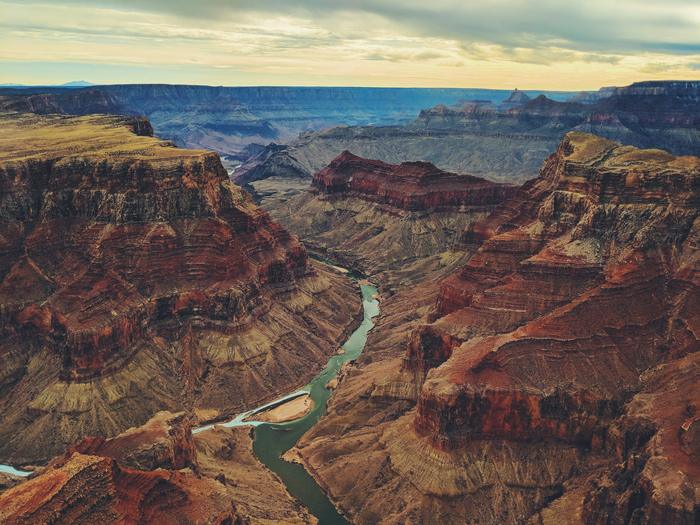
United States
A continent pretending to be a country — cities, deserts, and the best national parks anywhere.
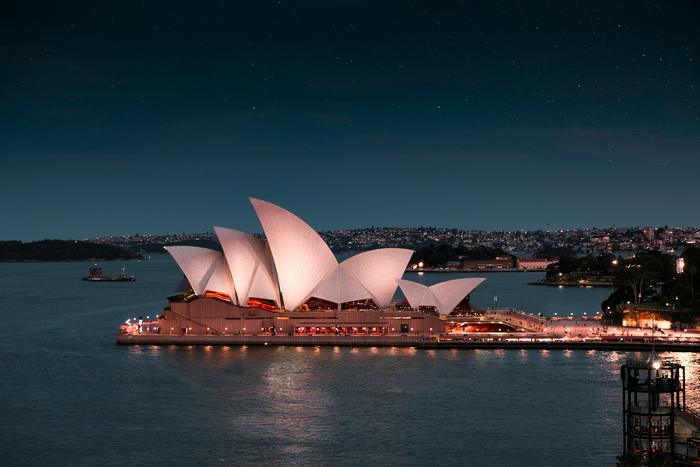
Australia
Vast, varied, relaxed. Reef, Sydney, and proper wilderness in one.
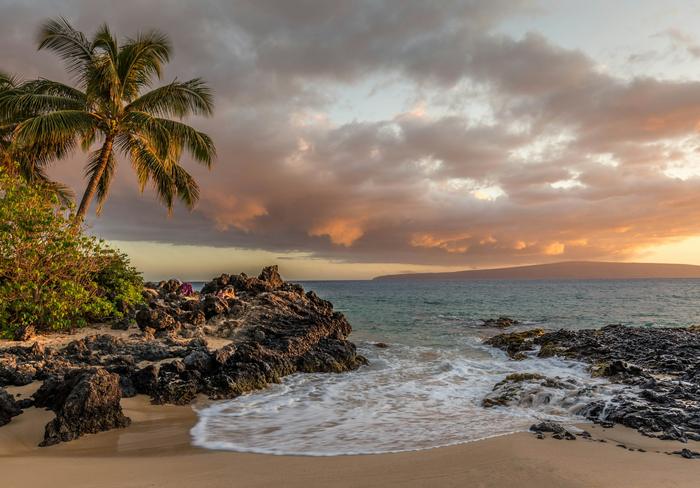
Hawaii
A handful of islands where the landscapes and the ocean genuinely earn the flight.
Not sure where to go
Take the 5-minute quiz
Answer a few honest questions and get matched to destinations that actually fit how you travel.
Start the quiz