Sestriere, Italy
Europe’s highest purpose-built resort, the 2006 Olympic downhill and the best-value big area in Italy.
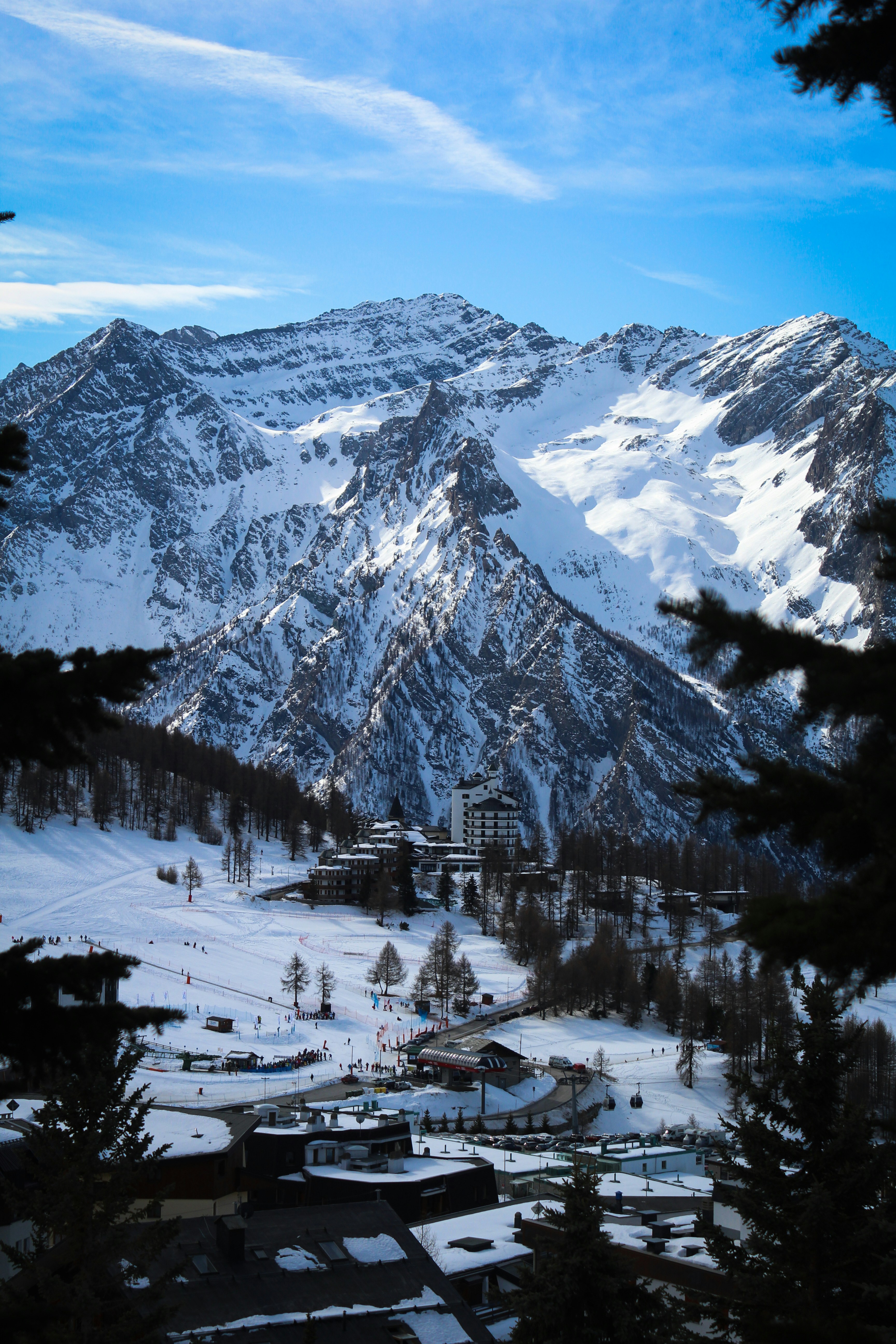
Sestriere sits at 2,035 m — the highest purpose-built resort village in Europe — at the hub of the Via Lattea (Milky Way), a 400 km network linking five Italian villages and Montgenèvre across the French border. Fiat money built the original towers in the 1930s, the 2006 Torino Olympics added modern lifts and snowmaking, and what you get today is a huge linked area at a fraction of the price of the Dolomites or the Swiss Alps.
The Via Lattea is enormous on paper, though the links between Sestriere, Sauze d’Oulx, San Sicario, Cesana and Claviere can be slow. Sestriere’s own skiing is above the treeline — open, wind-exposed bowls that are fast and fun in good weather and bleak in a whiteout. For tree-lined, sheltered runs, drop into Sauze d’Oulx or San Sicario.
The village is functional: the two landmark Fiat towers, a clutch of hotels and a handful of bars, but no cobblestoned old town. Sauze d’Oulx, 15 min down the road, has the livelier British-flavoured après scene. The value proposition is the draw: big skiing, high altitude, and Italian food at prices that make Switzerland wince.
Highlights
-
Via Lattea
400 km linking five Italian resorts and Montgenèvre (France) on one pass.
-
2,035 m village
Europe’s highest purpose-built resort — snow-sure by default.
-
2006 Olympic downhill
The Kandahar Banchetta course — still the venue for World Cup races.
-
Value
Big linked skiing at a fraction of the Dolomite or Swiss price.
Practical info
- Visa
- Schengen — visa-free for most Western passports (90 days).
- Currency
- EUR (€)
- Language
- Italian. English patchy outside hotels and ski schools.
- Safety
- Safe; above-treeline terrain means visibility can drop fast in storms.
- Getting around
- Turin airport ~1.5h. Train to Oulx, then bus.
- Tap water
- Tap water safe.
- Plug type
- Type C Type F Type L 230V
- Money
- Cards accepted in hotels/restaurants; smaller bars may prefer cash.
General guidance — visas, safety, and health change, so check your government's travel advisory and the official sources before you go.
Common questions
- How big is the ski area at Sestriere?
- Sestriere is the hub of the Via Lattea (Milky Way), which links about 400 km of piste across six resorts in Italy and France — Sestriere, Sauze d’Oulx, Sansicario, Cesana, Claviere and Montgenèvre. You can ski across the French border on the same lift pass.
- Is Sestriere good for beginners?
- Yes. The village sits at 2,035 m with wide, sunny, above-treeline terrain that is gentle and confidence-building. The nursery slopes are right in the village, and the linked areas offer long easy runs once you progress. See who it suits.
- How do you get to Sestriere?
- Turin airport is about 1.5 hours by car. There is no direct train to Sestriere — the nearest station is Oulx (on the TGV Paris–Turin line), then a 30-minute bus. Milan Malpensa is about 3 hours. See getting there.
- Is Sestriere expensive?
- No — it is one of the cheapest major ski areas in the Alps. Lift passes, lessons and accommodation are markedly below Swiss and top-tier French prices. A full day all-in runs €80–€170 per person before flights.
- Do I need insurance to ski in Italy?
- Third-party liability insurance is mandatory by Italian law since January 2022. In Piedmont, this is included in the lift pass — a unique regional benefit. You still need your own travel insurance for rescue, medical and repatriation cover; EHIC/GHIC does not cover mountain rescue. See safety.
- What are the Fiat towers?
- The two cylindrical towers on the skyline are the Torre and Duchi d’Aosta hotels, built in the 1930s by Giovanni Agnelli (founder of Fiat) when he created Sestriere as a purpose-built ski resort — among the first in the world. They are Sestriere’s architectural signature.
- Can you bring a dog to Sestriere?
- Yes — dogs are allowed on lifts with a leash and muzzle, and there are pet-friendly hotels in the village. GB visitors need an Animal Health Certificate issued within 10 days of travel. See dogs.
The ski area
The Milky Way: six resorts, two countries, one lift pass
Sestriere is the hub of the Via Lattea — a cross-border network linking Italian and French resorts on a single pass, with Olympic pedigree and some of the best-value big-area skiing in the Alps.

The Via Lattea (Milky Way) is one of the largest linked ski domains in the Alps — roughly 400 km of piste served by 70 lifts, crossing from Piedmont into Hautes-Alpes at the Claviere–Montgenèvre border. Sestriere sits at the centre: a high, purpose-built village at 2,035 m with its own skiing on Monte Sises and Monte Motta, plus direct lift links to Sauze d’Oulx (east) and Cesana/Claviere (west).
The terrain is broad and sunny rather than steep and narrow. Wide-open runs above the treeline suit cruising intermediates and give beginners room to breathe; there is less extreme-expert terrain than in Chamonix or the Dolomiti Superski’s steepest valleys, but the sheer mileage and the cross-border circuit make it rewarding for anyone who likes to cover ground. The 2006 Olympic slalom and giant slalom courses on the Kandahar Banchetta piste add a dose of serious racing terrain.
| Sector | Altitude | Best for | Notes |
|---|---|---|---|
| Sestriere (M. Sises / M. Motta) | 2,035 → 2,823 m | All levels, racing | The hub; Olympic Kandahar Banchetta piste, wide high-altitude runs |
| Sauze d’Oulx | 1,509 → 2,823 m | Intermediates, après | Linked east; famous British après scene; tree-line skiing in bad weather |
| Sansicario | 1,700 → 2,700 m | Families, quiet skiing | 2006 Olympic biathlon/bobsled venue; quieter, purpose-built, good for children |
| Cesana / Claviere | 1,350 → 2,473 m | Intermediates, border run | The link west toward France; Claviere is the last Italian village before Montgenèvre |
| Montgenèvre (France) | 1,860 → 2,580 m | All levels | French side of the Via Lattea; sunny, family-friendly; different mountain-hut culture |
Piste totals vary by source. The Via Lattea’s claimed 400 km includes all linked sectors on the single pass. Sestriere’s own local runs total about 120 km; the mileage grows fast once you link outward.
The cross-border day — Sestriere to Montgenèvre via Cesana and Claviere and back — is one of the great Via Lattea circuits. Allow a full day and check the last lift times back; getting stranded on the French side means a taxi through the Fréjus tunnel.
Who it suits
Who Sestriere is — and isn’t — for
Sestriere’s strength is breadth and value, not extremes. It suits most skiers well and costs less than the headline resorts.
The Via Lattea rewards skiers who like to travel on their skis — covering ground, linking valleys, skiing across a border. It is less suited to those chasing steep, narrow, expert-only terrain:
- Beginners & familiesSkipthe steeper Kandahar race piste and late links back from MontgenèvreGoSestriere village nursery slopes, the wide blues on Monte Sises, and Sansicario for a quiet family day
- Cruising intermediatesSkipstaying in one sector all weekGoThe full Via Lattea circuit: Sestriere to Sauze d’Oulx one day, to Montgenèvre the next — 400 km to explore
- Advanced & racersSkipexpecting Chamonix-level steepsGoThe Olympic Kandahar Banchetta, the blacks above Sauze d’Oulx, and the speed-training camp at Sestriere when running
- Budget skiersSkipnothing — this is your resortGoOne of the cheapest major linked areas in the Alps: lift passes under €60/day, beds from €40/night, and Piedmont’s insurance-inclusive passes
If you want extreme off-piste, dramatic Dolomite scenery or a glamorous town, Sestriere is the wrong pick. If you want big mileage, reliable high-altitude snow and a week that doesn’t break the bank, it is hard to beat.
Snow & season
High village, reliable cover, good snowmaking backup
At 2,035 m, Sestriere’s village is higher than many resorts’ mid-stations. The altitude keeps the base reliable; snowmaking fills the gaps.
Months on the axis (12 = December). Crimson bars mark the reliable snow window and crowd peaks. The Italian school holidays (Settimana Bianca) stagger by region but overlap with UK February half-term — mid-February is the crunch.
Sestriere’s altitude is its insurance: at 2,035 m the village floor is already above the snow line in most winters, and Monte Motta reaches 2,823 m. Natural snowfall (~400 cm average) is moderate rather than huge, but the cold, high aspect preserves it well. Snowmaking covers 60%+ of the piste network, including the key inter-resort links, so the groomers keep the runs open even in lean natural-snow years.
Early January is the sweet spot for value and quiet slopes; mid-February (Settimana Bianca + UK half-term) is the peak crush. Late March and early April bring warm, sunny skiing — enjoyable but with softer afternoon snow on south-facing runs.
Lift passes
One pass, two countries — and children under 8 ski free
The Via Lattea pass covers the entire cross-border network. The standout benefit: under-8s ski free, and Piedmont includes third-party insurance in the pass.
Free lift pass for children under 8
There is one main pass for the Via Lattea — no confusing tiers or add-ons. It covers all six linked resorts including Montgenèvre in France. Children born 2019 or later ski free when accompanied by a paying adult. Senior and youth discounts apply, and multi-day passes (6-day especially) bring the per-day rate down sharply.
| Pass | Covers | 1-day adult | 6-day adult |
|---|---|---|---|
| Via Lattea full area | Sestriere, Sauze d’Oulx, Sansicario, Cesana, Claviere, Montgenèvre | €52–€60 | |
| Sestriere local only | Sestriere sector (Monte Sises / Monte Motta) | €45–€52 | |
| Montgenèvre local | Montgenèvre only (French side) | €46–€52 |
Adult 14–64; child 8–13 roughly 20–30% off; under-8s free with an accompanying adult. Senior 65+ discounted. Prices are 2025/26 season ranges (dynamic pricing applies — buy online in advance for the best rate). Re-check on vialattea.it.
The Via Lattea full-area pass is almost always worth the small premium over a local-only pass — the linked skiing is the whole point, and you will want to explore Sauze d’Oulx and the Montgenèvre border run.
Lessons & guides
Two ski schools and no language barrier for English speakers
Sestriere’s ski schools are well set up for international visitors, with English-speaking instructors in both group and private lessons.
The two main schools are Scuola di Sci Sestriere (the traditional Italian school) and Scuola Sci Borgata. Both offer group and private lessons in Italian and English. Private lessons are the better value for families — at €55/hr for up to 4–5 people, the per-head rate beats most group options.
For off-piste and touring, Sestriere is not Chamonix — there is no big guiding tradition — but mountain guides can be arranged through the ski schools or the local alpine guide office for the couloirs above Monte Motta and touring in the upper Susa Valley. The terrain rewards exploration more than extreme descents.
Book private lessons and peak-week group slots in advance. The ski schools fill up during Settimana Bianca (Italian school holidays) and UK half-term.
Families & kids
Free under-8 passes, gentle terrain and purpose-built nursery areas
Sestriere’s combination of high-altitude gentle slopes, free child passes and low prices makes it one of the strongest family-value propositions in the Alps.
The village nursery slopes are right in Sestriere — wide, gentle and sunny, with conveyor-belt lifts and a fenced snow garden. From there, the blues on Monte Sises are broad enough for a family to ski together without feeling pushed. Sansicario, one lift link away, is even quieter: a purpose-built, car-free hamlet with its own gentle slopes, originally built for the 2006 Olympic biathlon.
Childcare follows the Italian ski-school model: snow gardens from age 3–4 (play, games, first turns), group lessons from 4+, and private lessons for any age. There is no resort-run crèche for babies and toddlers — hotel babysitting or private nannies fill the gap. The nappy/toilet-training rule applies to ski-school enrolment.
| Option | Ages | What it is |
|---|---|---|
| Snow garden (ski school) | 3–4 | Play on snow, first turns, small groups in the village nursery area |
| Group ski lessons | 4+ | Morning or full-day with Scuola di Sci Sestriere; English available |
| Private lesson (family) | any | Up to 4–5 at the same price — €55/hr split among children is excellent value |
| Hotel babysitting | babies – 5 | Several hotels arrange in-house childcare; book ahead in peak weeks |
Children under 8 ski free with an accompanying adult on a Via Lattea pass. Child 8–13 roughly 20–30% off adult rate. The family’s total lift-pass cost is often half what it would be in Switzerland.
Sansicario is the sleeper family pick: quieter than Sestriere, car-free, with its own nursery slopes and a short lift link back. It was built for the Olympics and feels like a self-contained family village.
Getting there
Turin is the gateway — and the TGV stops at Oulx
Sestriere sits in the upper Susa Valley, an easy drive from Turin and on the Paris–Turin TGV line via Oulx station.
The default gateway is Turin Caselle airport — about 1.5 hours by car up the Susa Valley, or a transfer/hire car. Milan Malpensa is about 3 hours and brings more route options. The rail option is the TGV Paris–Oulx–Turin: the high-speed train stops at Oulx, and a shuttle bus covers the last 30 minutes up to Sestriere. From Turin city, a regional train to Oulx takes about an hour.
Sestriere’s village is compact enough to be car-free once you arrive. The Via Lattea ski-bus links the resorts during the season, and the lift connections between sectors are on-snow. A car helps for exploring the Susa Valley but is not necessary for skiing.
| From | To Sestriere | Notes |
|---|---|---|
| Turin airport (TRN) | ~1.5 h | Car or private transfer up the Susa Valley; the default gateway |
| Milan Malpensa (MXP) | ~3 h | More international routes; motorway to Turin, then Susa Valley |
| Oulx station (TGV) | ~30 min by bus | TGV Paris–Oulx in winter; also regional trains from Turin (~1 h to Oulx) |
| Turin city | ~1.5–2 h | A11 motorway to Susa Valley; chains or winter tyres mandatory Nov–Mar |
Italy’s winter-tyre law requires M+S or winter tyres (or chains carried) on mountain roads 15 Nov–15 Apr. The Susa Valley autostrada is well maintained; the final stretch up to Sestriere is a mountain road with hairpins.
Where to stay
A compact village with honest prices
Sestriere is small and purpose-built — most accommodation is within walking distance of the lifts, and prices are well below the Alpine glamour resorts.
Sestriere village is the obvious base: compact, high (2,035 m), with the lifts at the door and the iconic Fiat towers on the skyline. Hotels range from simple two-stars to the four-star Grand Hotel Sestriere (in the renovated Torre tower). Self-catered apartments are plentiful and cheap by Alpine standards — a studio for two can run from €40–€80/night outside peak weeks.
Sauze d’Oulx is the alternative base: lower (1,509 m), with a livelier après scene (historically the British favourite, sometimes called "Benidorm on Snow"), more bars and restaurants, and a direct lift link to Sestriere. Sansicario suits families wanting peace and quiet in a self-contained car-free hamlet. Cesana and Claviere are smaller and quieter still, closer to the French border.
The honest truth: Sestriere village is functional rather than charming — it was built for skiing, not strolling. If you want evening atmosphere, Sauze d’Oulx has more life after dark; if you want ski-in/ski-out efficiency, Sestriere itself is hard to beat.
Après & dining
Honest mountain food and a legendary British après scene next door
Sestriere’s own après is low-key, but Sauze d’Oulx — one lift link away — has one of the liveliest bar scenes in the Italian Alps.
On the mountain, the rifugi serve honest Italian food at honest prices — a plate of pasta or a pizza for €10–€15 is the norm, which is roughly half what you pay in the Trois Vallées or Zermatt. Polenta with stew, a panino and an espresso, or a tagliere of salumi on a sunny terrace: this is not Michelin-star territory, but it is good mountain eating.
For après, Sestriere village is quiet — a few hotel bars and a pizzeria or two. The action is in Sauze d’Oulx, which has been the British package-holiday favourite since the 1980s: bars like Paddy McGinty’s, the Derby and the Cotton Club serve pints and shots until late, and the atmosphere is cheerful and unpolished. Sestriere’s own dining picks are the hotel restaurants, the local trattorie and the pizzerias along the main road.
Piedmont is one of Italy’s great wine and food regions — if you hire a car for a day off skiing, the Barolo and Barbaresco vineyards are about an hour and a half south, and the Susa Valley has its own artisan cheese and salumi producers.
Non-skiers
Olympic venues, a Renaissance fortress and cross-country at Pragelato
Sestriere’s off-slope offering is modest by Chamonix or Cortina standards, but the Olympic legacy and the Susa Valley add genuine interest.
The standout non-ski activity is cross-country skiing at Pragelato — the 2006 Olympic cross-country and ski-jumping venue, about 20 minutes from Sestriere, with well-maintained trails in a beautiful valley setting. Snowshoeing is popular on marked routes around the village and in the woods above Sauze d’Oulx.
For a day off the mountain, the Forte di Fenestrelle is extraordinary: a fortified wall complex stretching roughly 3 km up a mountainside, built between the 17th and 19th centuries and often called Europe’s largest Alpine fortress. It is about 30 minutes from Sestriere and visits run year-round (check opening hours in winter). Turin itself — the Egyptian Museum, the Mole Antonelliana, the Piedmontese cuisine — is a 1.5-hour day trip.
Ice skating is available in the village, and some hotels have small wellness centres. But honestly, if non-skiing activities are a priority for your group, Sestriere is not the strongest pick — Cortina, Chamonix or Zermatt have far more to offer off the slopes.
Dogs
Bringing a dog: allowed on lifts with a leash and muzzle
Dogs are welcome in Sestriere and can ride the lifts under Italian rules, but the paperwork for British dogs starts weeks before travel.
Italian ski-resort rules allow dogs on lifts with a leash and muzzle — different from the French blanket piste ban. Dogs are not allowed on groomed runs themselves (for safety), but they can ride the chairlifts and gondolas to meet you at the top or at a rifugio for lunch. Dog-friendly accommodation is available in Sestriere and Sauze d’Oulx; expect a small supplement at hotels.
GB → Italy paperwork (gov.uk): the old pet passport no longer works for British dogs post-Brexit. You need an Animal Health Certificate, a microchip, and a rabies vaccination given at least 21 full days before travel; the AHC is valid 10 days for entry into the EU. Tapeworm treatment is not required for Italy.
Accessibility
Freewhite: one of Italy’s leading adaptive-skiing programmes
Sestriere is home to Freewhite, a standout adaptive-skiing programme that makes it one of the most accessible ski resorts in Italy.
Freewhite is Sestriere’s dedicated adaptive-skiing organisation, offering sit-ski (mono-ski and dual-ski), visually-impaired guided skiing, and programmes for skiers with intellectual disabilities. The programme operates on Sestriere’s home slopes with trained instructors and adapted equipment — it is one of the most established adaptive-skiing centres in Italy and has hosted national and international para-ski events.
The village itself is compact and largely flat, which helps wheelchair access between accommodation and the lift base. The main gondola and newer chairlifts are wheelchair-accessible. Dedicated disabled parking is available at the lift stations. Book adaptive-skiing sessions well in advance through the Freewhite programme — the equipment and instructors are limited.
Freewhite also runs summer adaptive programmes (hand-cycling, adaptive mountain biking). For winter, contact them directly via the Sestriere tourist office or freewhite.it to discuss equipment availability and lesson scheduling — they tailor sessions to individual needs.
Safety
Mandatory insurance — but Piedmont includes it in the pass
Italian law requires third-party liability insurance on the slopes. In Piedmont, the regional law goes further: it is included in your lift pass.
Since January 2022, third-party liability insurance is mandatory by Italian law on all ski slopes. At most Italian resorts you buy it separately (~€3/day) at the ticket office. In Piedmont, the regional government includes it in the lift-pass price — a genuine cost and convenience benefit unique to the region. This covers your liability if you cause an injury; it does not cover your own rescue, medical or repatriation costs.
A UK GHIC (or EU EHIC) covers state emergency treatment but not mountain rescue, not helicopter evacuation, not repatriation. Italian mountain rescue (Soccorso Alpino) bills the patient; a helicopter call-out can cost €2,000–€5,000+. You need proper winter-sports travel insurance — check that it covers on-piste accidents, and if you ski off-piste, that it covers guided off-piste terrain.
The helmet law: Italy requires a helmet for all skiers and snowboarders under 18. Adults are not legally required to wear one, but it is strongly recommended — and most insurers expect it.
What it costs
What a day in Sestriere actually costs
Sestriere is one of the most affordable major ski areas in the Alps. The combination of low pass prices, cheap food and honest accommodation makes a genuine budget ski trip possible.
~50% cheaper than the top Swiss resorts
Here is the day-rate breakdown, so you can build your own number. Everything is per person per day unless noted.
| What | Typical day-rate | Notes |
|---|---|---|
| Lift pass — Via Lattea full area | €44–€52 | From a 6-day pass; covers all six resorts including Montgenèvre |
| Lift pass — Sestriere local | €38–€43 | From a 6-day pass; Sestriere sector only |
| Ski / board hire | €15–€30 | From a 6-day pre-booked rental; cheaper booked online |
| Group lesson (adult) | ~€50 per half-day | Child group cheaper; book ahead for peak weeks |
| Private lesson | €55/hr · ~€300/day | Up to 4–5 people at the same rate |
| Mountain lunch | €10–€15 | Pasta, pizza, polenta at a rifugio — Italian mountain pricing |
| Dinner in town | €20–€35 | Pizzeria to trattoria; Piedmontese cuisine at the upper end |
| Bed for the night | €40–€80 apartment · €70–€150 hotel | Per room or per person; peak weeks higher but still cheaper than top-tier resorts |
| Tourist tax | ~€1–€2 per night | By accommodation type; set by the municipality |
| Turin airport transfer | ~€30–€50 pp (shared) · €150–€200 (private) | One-way; the airport is ~1.5 h away |
| Third-party insurance | Included | In the Piedmont lift pass — no extra charge |
Rates read autumn 2026 (2025/26 season). They are set each season — buy passes online in advance and re-check on vialattea.it. Peak-week lodging (Christmas, mid-February Settimana Bianca) runs 30–50% above off-peak.
The levers that move the number most: self-cater in an apartment (shop at the Sestriere supermarket); buy the Via Lattea pass online in advance; eat mountain lunches at rifugi rather than sit-down restaurants; and go in January rather than February half-term.
Compare Sestriere, Italy
If you like Sestriere, Italy, also consider
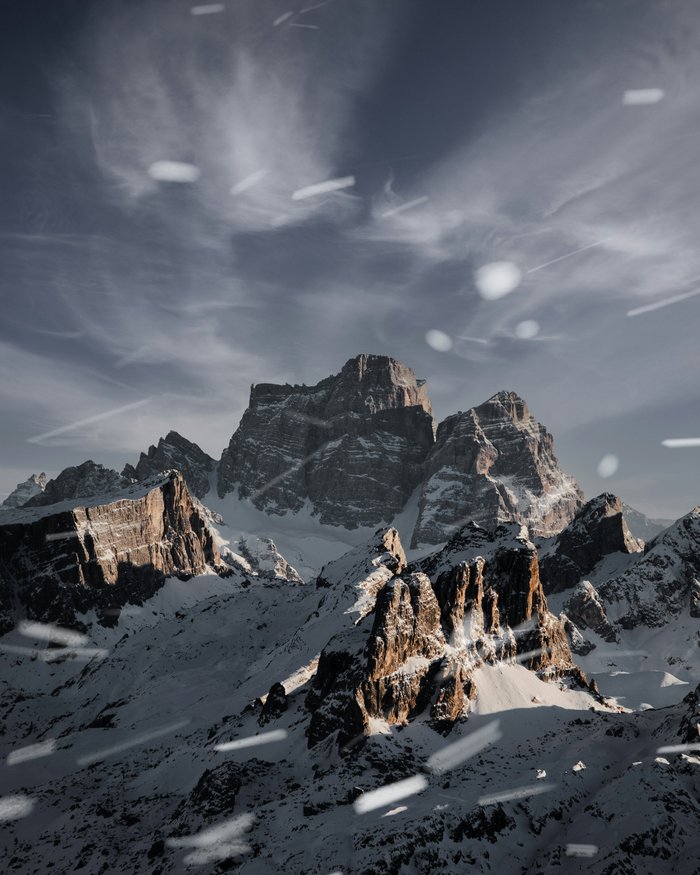
Cortina d’Ampezzo, Italy
The Queen of the Dolomites — Italian glamour, UNESCO spires and a 2026 Olympic makeover.
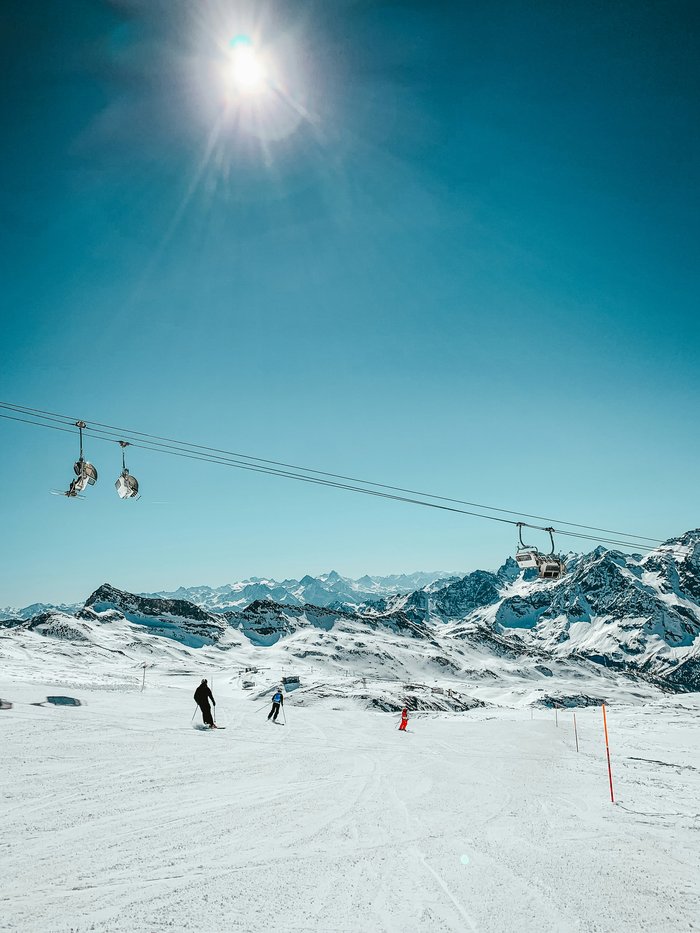
Cervinia, Italy
The Italian side of the Matterhorn — wide, high, snow-sure and half the price of Zermatt.
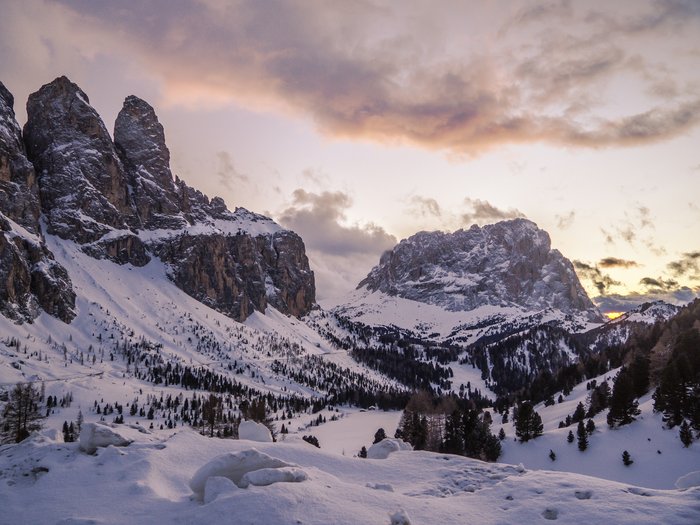
Val Gardena, Italy
The Sella Ronda, the Saslong World Cup and the best rifugio food in the Dolomites.
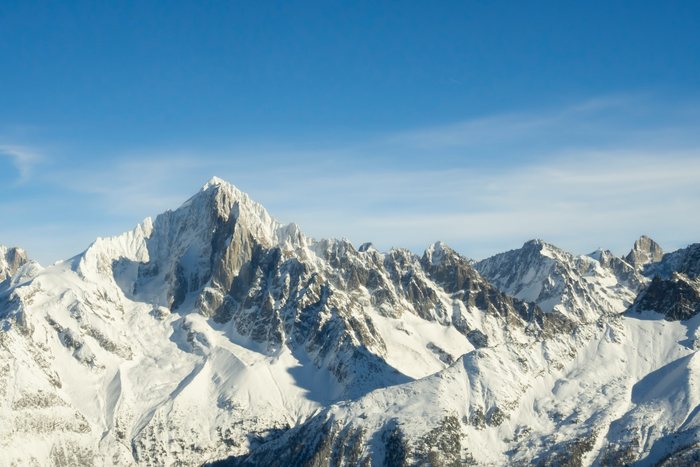
Chamonix, France
The birthplace of alpinism, under Mont Blanc.
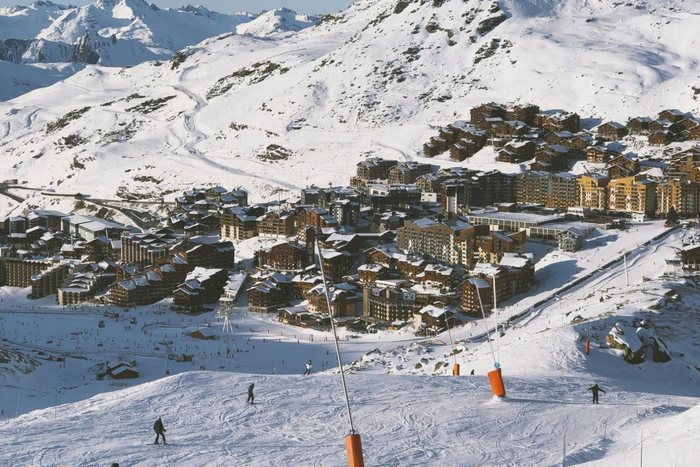
Val Thorens, France
Europe’s highest resort — snow-sure, and the gateway to the world’s largest linked ski area.
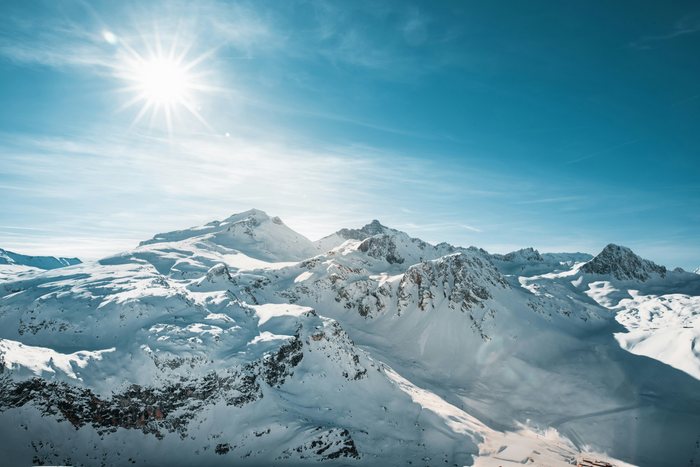
Val d’Isère, France
High-altitude, serious skiing with a village that actually feels like one.