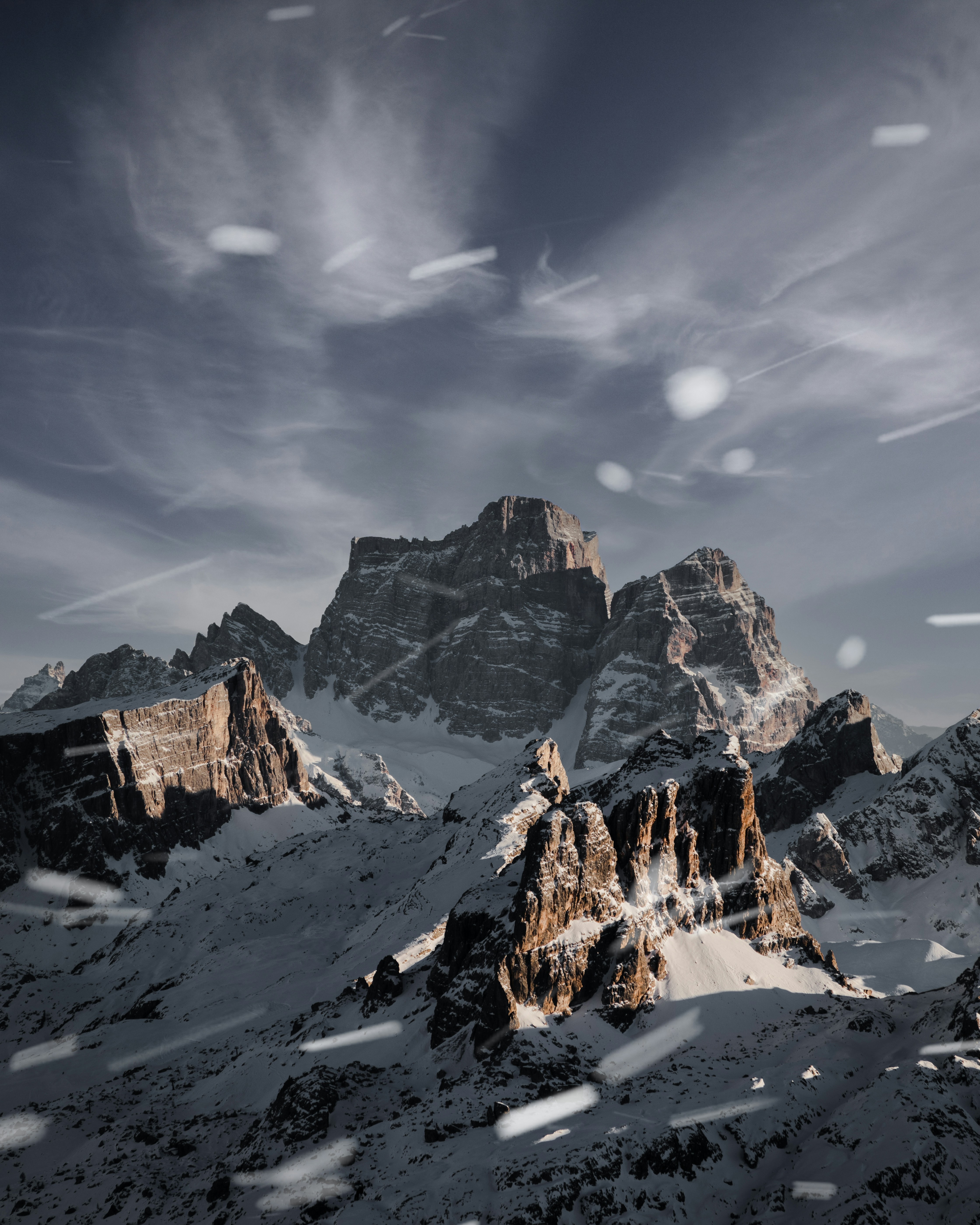
Cortina d’Ampezzo, Italy
The Queen of the Dolomites — Italian glamour, UNESCO spires and a 2026 Olympic makeover.
Cortina d’Ampezzo sits in a wide, sunny bowl ringed by the pale Dolomite towers that earned it UNESCO status and the 2026 Winter Olympics. The skiing splits across three separate areas — Tofana, Faloria–Cristallo and the hidden-valley Lagazuoi–Cinque Torri circuit — plus a lift link to Alta Badia and the Dolomiti Superski network beyond. The town itself is as much the draw as the snow: Corso Italia shopping, mountain-hut lunches that rival valley restaurants, and a see-and-be-seen Italian elegance that purpose-built resorts cannot fake.
The Olympic investment has rebuilt the lifts and sliding centre, but the skiing at Cortina was never the problem — it is the Dolomite scenery, the rifugio cooking and the Italian warmth that set it apart. The piste area is modest by Superski standards, and the sectors are not linked on snow (bus or car between them), which annoys efficiency-minded skiers and delights everyone who would rather sit on a south-facing terrace with a Bombardino.
The Lagazuoi–Cinque Torri circuit is one of the great ski days in the Alps: a First World War open-air museum, tunnels through the rock, and a long run down the Armentarola hidden valley to a horse-drawn sledge that pulls you to the Alta Badia lifts. For sheer drama it is hard to beat.
Highlights
-
Lagazuoi–Cinque Torri
First World War tunnels, hidden valleys and a horse-drawn link to Alta Badia.
-
2026 Winter Olympics
New gondola, rebuilt sliding centre and global attention for the Dolomites.
-
Rifugio cooking
Mountain huts serving hand-rolled pasta, polenta and strudel with Dolomite views.
-
Corso Italia
The pedestrianised high street — boutiques, cafés and Italian glamour at 1,224 m.
Practical info
- Visa
- Schengen — visa-free for most Western passports (90 days).
- Currency
- EUR (€)
- Language
- Italian. Some Ladin. English in hotels and ski schools.
- Safety
- Safe; standard avalanche precautions off-piste.
- Getting around
- Venice ~2h by car/bus. No direct train — bus from Calalzo station or Cortina Express from Venice.
- Tap water
- Tap water safe.
- Plug type
- Type C Type F Type L 230V
- Money
- Cards widely accepted; cash useful at smaller rifugi.
General guidance — visas, safety, and health change, so check your government's travel advisory and the official sources before you go.
Common questions
- How big is the ski area at Cortina?
- Cortina itself has about 120 km of piste across three separate sectors — Tofana, Faloria–Cristallo and Cinque Torri/Lagazuoi. With a Dolomiti Superski pass you unlock 1,200+ km across 12 valleys, including the Sella Ronda and Alta Badia, reachable via the Armentarola horse-sledge link from Lagazuoi.
- Is Cortina good for beginners?
- Yes — 37% of the terrain is blue, and the Socrepes nursery area is gentle and well-equipped. The catch is that the three sectors are separate (bus or car between them), which is less convenient than a single beginner-friendly circuit.
- What did the 2026 Olympics leave behind?
- The new Cortina Skyline gondola linking Tofana to Cinque Torri (eliminating the drive to Passo Falzarego), a rebuilt sliding centre for bobsled and luge, and major infrastructure upgrades — new snowmaking, roads and village improvements. See the ski area.
- How do you get to Cortina?
- Venice Marco Polo airport is about 2 hours by car or the Cortina Express bus (€24–37). There is no direct train — the nearest station is Calalzo di Cadore, then a bus. Innsbruck is ~2.5 h by car. See getting there.
- Is Cortina expensive?
- The town is upmarket and hotel prices are high in peak weeks, but lift passes and mountain-hut meals are markedly cheaper than Switzerland. Staying in nearby San Vito di Cadore cuts accommodation costs significantly.
- Do I need insurance to ski in Italy?
- Yes — third-party liability insurance is mandatory by Italian law (since January 2022). You can buy it at the ticket office for about €3/day, but you also need your own travel insurance for rescue, medical and repatriation cover — EHIC/GHIC does not cover mountain rescue or helicopter evacuation. See safety.
- Can you bring a dog to Cortina?
- Yes — dogs are allowed on lifts with a leash and muzzle, and Cortina has 18+ pet-friendly hotels. GB visitors need an Animal Health Certificate issued within 10 days of travel. See dogs.
The ski area
Three separate sectors beneath the Dolomite spires
Like Chamonix, Cortina’s skiing is split — three unconnected sectors plus a one-way link to Alta Badia. The new Olympic gondola has made it easier, but you still move between them by bus or car.

The Cortina Skyline gondola, opened December 2025 for the Olympics, is the game-changer: it connects the Tofana sector to the Cinque Torri/Lagazuoi area via Cianzopè, eliminating what used to be a drive or bus to Passo Falzarego. The three sectors are still not fully piste-linked in the Trois Vallées sense — Faloria–Cristallo sits across the valley and needs a bus — but the Skyline has made a Tofana–Cinque Torri–Lagazuoi day seamless.
The real magic is the Lagazuoi–Armentarola route: from the Lagazuoi summit (2,835 m) you descend through First World War tunnels blasted into the rock, past the Cinque Torri, and down the hidden Val Armentarola — an 8 km run that ends with a horse-drawn sledge towing you to the Alta Badia lifts. From there the Sella Ronda and the full Dolomiti Superski network open up. It is one of the great ski days in the Alps.
| Sector | Altitude | Best for | Notes |
|---|---|---|---|
| Tofana | 1,224 → 2,930 m | All levels, World Cup racing | The main sector: Ra Valles summit, Olimpia delle Tofane downhill. Linked to Cinque Torri by Skyline gondola |
| Faloria–Cristallo | 1,224 → 2,123 m | Intermediates, views | East side of the valley; accessed by cable car from town. Panoramic and quieter |
| Cinque Torri / Lagazuoi | 1,535 → 2,835 m | History, scenery, all levels | WWI tunnels, Armentarola hidden valley, horse-sledge link to Alta Badia |
| Socrepes | ~1,250 m | Beginners, children | Dedicated nursery area with chairlift and conveyor belt at the town edge |
Piste colour split: 45 km blue (37%), 55 km red (46%), 20 km black (17%). The longest run is 11 km from Tofana to town with 1,200 m vertical. 95% snowmaking coverage (343 cannons).
The Dolomiti Superski pass turns Cortina from a mid-sized area into the gateway to the world’s largest ski network. A week with the Superski pass lets you ski the Sella Ronda, Alta Badia, Val Gardena and more — all from a Cortina base.
Who it suits
Who Cortina is — and isn’t — for
The skiing is mostly intermediate; the town is the real draw. Cortina suits skiers who want scenery, food and Italian style as much as vertical metres.
The terrain splits roughly 37% blue, 46% red and 17% black — classic intermediate country with enough blue for beginners and a handful of steep options off Tofana for stronger skiers. Experts chasing relentless steeps or deep powder will find it tame, but the Dolomiti Superski network compensates: the Sella Ronda circuit, Marmolada glacier and Arabba’s blacks are all accessible on the same pass.
- Beginners & familiesSkipthe steeps off Ra VallesGoSocrepes nursery slopes and the gentle blues on lower Tofana; the wide Faloria–Cristallo terrain
- Cruising intermediatesSkipexpecting one big linked circuitGoThe Tofana–Cinque Torri–Lagazuoi loop (now linked by Skyline) and the Sella Ronda on a day trip
- Experts & off-pisteSkipexpecting Chamonix-level steepsGoThe Tofana blacks, guided off-piste on the Cristallo side, and day trips to Arabba’s Marmolada
- Non-skiers & foodiesSkipnothingGoCortina is one of the best non-ski resorts in the Alps: rifugio lunch, Corso Italia, Olympic bobsled, Dolomite walks
Cortina’s appeal is the package, not the piste count. If you want 400 km of linked piste and don’t care about the town, look at Val Gardena or the Via Lattea. If you want the scenery, the food and the Dolomite atmosphere, Cortina is unmatched.
Snow & season
95% snowmaking — because Dolomite snow needs help
The Dolomites are lower and drier than the Western Alps. Cortina’s answer is 343 snow cannons covering 95% of the pistes — the most reliable artificial snow in Europe.
Months on the axis (12 = December). The 2025/26 season ran late (to May 3) for the Olympics; normal closing is mid-April. Quietest weeks: early January and mid-March.
At 1,224 m the village is low for a major resort, and the summits top out at 2,930 m — below the glacier line. Natural snowfall averages about 340 cm a year (peaking in February), which is not enough to guarantee cover at lower altitudes. What makes Cortina reliable is the snowmaking infrastructure: 343 cannons covering 95%+ of the pistes, backed by extensive water storage and cold overnight temperatures that let them run most of the winter.
Best conditions: January to early March for cold, groomed snow and fully open terrain. December is reliable on the upper slopes but thin lower down until the cannons catch up. Late March and April bring spring sunshine and softening snow — good for lazy long lunches but less so for steep terrain.
Lift passes
Cortina-only or the full Dolomiti Superski — and why the Superski is usually worth it
The Cortina-only pass covers 120 km. The Superski pass, for about €15/day more, opens up 1,200+ km. For a week, the upgrade almost always pays.
Cortina sells two passes: its own area pass and the Dolomiti Superski, the biggest linked lift-pass network in the world. The Cortina-only pass covers Tofana, Faloria–Cristallo, Cinque Torri/Lagazuoi and the Skyline gondola. The Superski adds Alta Badia, Val Gardena, the Sella Ronda circuit, Kronplatz, Arabba and eight more valleys — all reachable from Cortina in a day trip.
| Pass | Covers | 1-day adult | 6-day adult |
|---|---|---|---|
| Cortina-only | Tofana, Faloria, Cinque Torri/Lagazuoi, Skyline | €65–€86 | |
| Dolomiti Superski | All 12 valleys, 1,200+ km | €80 | |
| Superdays 10-day flex | Superski, use any 10 days in season | — |
Children born 2017–2021 ski free with a parent buying an adult pass. Junior (born 2007–2016) 30% off. Senior (born 1959 and before) 10% off. Family deal: 2 parents + 3 juniors, 3rd junior free. 5% online advance-purchase discount on 2+ day passes. Prices are 2025/26; dynamic pricing means they vary by period.
The season pass at €785 (early bird) or €845 (regular) is worth considering for frequent visitors or a two-week trip — it pays for itself in under 10 days on the slopes.
Lessons & guides
Italian ski schools and Dolomite mountain guides
Four ski schools compete in Cortina. Private lessons are cheaper than in France or Switzerland — and the mountain guides know every tunnel and couloir in the Dolomites.
The main school is Scuola Sci Cortina, the largest and oldest. Scuola Sci Cristallo specialises in freeride and off-piste safety training. Snowdreamers and Boarderline cover snowboarding. All offer English-speaking instructors, though the default language is Italian.
For the Dolomite off-piste — the Lagazuoi WWI tunnels, the Cristallo traverse, the guided routes through the Tofana system — the Cortina Alpine Guides are the specialists. A private off-piste guide runs €195–€255/day.
The private-lesson price structure is generous: up to 6 people at the same rate (a €350 full day split among 4 is €87.50 each), which makes it one of the best-value private-lesson markets in the Alps.
Families & kids
Free under-8s, nursery slopes in town and childcare through the schools
Cortina is gentler than its glamour image suggests — 37% blue terrain, a purpose-built nursery area and free lift passes for young children.
The Socrepes area at the town edge is the family base: a dedicated children’s slope with a double chairlift, conveyor belt, Kids’ Village and play park. From there, the wide blues on lower Tofana build confidence before the steeper terrain higher up. Childcare is available through the ski schools and local associations (book ahead in peak weeks).
On passes, children born 2017–2021 ski free when a parent buys an adult Dolomiti Superski pass at the same time. Juniors (born 2007–2016) get 30% off. The family deal (2 parents + 3 juniors) makes the 3rd junior free.
| Option | Ages | What it is |
|---|---|---|
| Scuola Sci Cortina Mini Club | 3–5 | Snow garden at Socrepes — play, games and first turns on snow; small groups |
| Group ski lessons | 6+ | Mornings or full day; all four ski schools offer children’s groups in English and Italian |
| Private lesson (family) | any | Up to 6 at the same price — €58/hr or €350/day split among children |
| Babysitting / hotel crèche | babies – 5 | Several hotels offer in-house childcare; independent sitters bookable through tourist office |
Children born 2017–2021 ski free with a parent on a Dolomiti Superski pass. Juniors (born 2007–2016) 30% off. Family deal: 2 parents + 3 juniors, 3rd junior free.
Cortina’s non-ski family activities are strong: the Olympic Ice Stadium has public skating, there’s tobogganing, an adventure park, the Aquagranda wellness centre and the snow rafting at Faloria. On a bad-weather day, the town itself — Corso Italia shops, museums, hot chocolate — keeps children entertained.
Getting there
Venice is the gateway — but there’s no train
Cortina has no railway station. The nearest airports are Venice (~2 h) and Innsbruck (~2.5 h), with bus services filling the gap.
Venice Marco Polo (VCE) is the default: 150 km and about 2 hours by car or private transfer (€250–375). The Cortina Express bus runs directly from Venice airport to Cortina three times daily (€24–37, ~2h10). Treviso (TSF, Ryanair’s Venice) is a similar distance. Innsbruck is ~165 km / 2.5 h via the Brenner Pass.
By train, the journey goes to Calalzo di Cadore (the nearest station, on the Venice–Belluno line), then a bus up to Cortina. There’s also a night train from Rome to Calalzo. Once in Cortina, the town is compact and walkable, with free local shuttle buses linking the lift bases.
| From | To Cortina | Notes |
|---|---|---|
| Venice airport (VCE) | ~2 h | Cortina Express bus €24–37; private transfer €250–375 |
| Treviso airport (TSF) | ~2 h | Ryanair’s Venice; similar road as Marco Polo |
| Innsbruck airport (INN) | ~2.5 h | Via the Brenner Pass; Austrian alternative |
| Calalzo di Cadore (train) | ~45 min by bus | Nearest rail station on the Venice–Belluno line |
Driving in winter: winter tyres or chains are mandatory in Italy (November–April). The A27 motorway from Venice is good; the mountain road from Calalzo up is kept clear but can be slow in heavy snow.
Where to stay
Italian glamour or a budget base down the valley
Cortina’s centre is compact and the town is the point — stay in it if you can afford to, or save by basing in San Vito di Cadore 8 km south.
The town is walkable along Corso Italia, the pedestrianised high street. Lifts to Tofana and Faloria are at opposite edges of the centre, both a short bus or walk. Pocol hamlet (5 min drive) is near the Cinque Torri access and quieter.
At the top end: Cristallo, A Luxury Collection Resort (5-star since 1901, from ~€560), Faloria Mountain Spa Resort (5-star, from ~€615), and the Grand Hotel Savoia (Radisson Collection, on Corso Italia). Mid-range: Hotel de la Poste (4-star, from ~€210) and Hotel Cristallino. Budget travellers should look at San Vito di Cadore (8 km south), where apartments and B&Bs start under €100.
Cortina’s average room rate is about €215/night — but that includes the palaces. Self-catering apartments and San Vito B&Bs bring a week within range of a mid-range budget.
Après & dining
Rifugio lunches, Michelin stars and prosecco on the Corso
Cortina’s mountain food is the best in the Dolomites — every rifugio is table-service, no self-service canteens — and the town has two Michelin-starred restaurants.
The mountain huts are the highlight. Rifugio Averau (Cinque Torri) is regularly named among the ten best mountain restaurants in the Alps; Rifugio Lagazuoi (2,752 m) serves local dishes with a Dolomite panorama; Rifugio Duca d’Aosta overlooks the Ampezzo valley; Rifugio Scoiattoli and Da Aurelio round out the Cinque Torri cluster. All are table-service — Cortina is the only major resort where there isn’t a single self-service canteen on the mountain.
In town, the two Michelin stars are Tivoli (Graziano Prest) and San Brite (territory-focused Veneto cuisine). For casual dining, the Corso Italia bars serve prosecco and cicchetti in the Italian tradition — the après here is elegant rather than rowdy.
Mountain lunch €15–25 at a rifugio; pizza in town €7–18; a casual dinner €35–55 per person. The rifugi book up at lunch in peak weeks — arrive early (by 12:00) or late (after 13:30).
Non-skiers
Olympic venues, Dolomite walks and the Corso Italia
Cortina is one of the best non-ski resorts in the Alps — the town, the history and the views rival the skiing.
1956 & 2026 two Winter Olympics in one town
Beyond the Olympics: 30 km of cross-country trails, snowshoeing and winter walking beneath the Dolomite towers, fat biking, the Aquagranda wellness centre, and the Corso Italia — designer boutiques, cafés and people-watching at 1,224 m. There’s also a ski-jumping arena, snow rafting at Faloria, and the Lagazuoi WWI tunnels are accessible without skis.
Non-skiers can ride the lifts to meet skiers for a rifugio lunch — the Cinque Torri area is particularly good for this, with Rifugio Averau and Rifugio Scoiattoli both reachable by gondola.
Dogs
Dogs allowed on lifts — with a muzzle and lead
Cortina is more dog-friendly than most ski resorts: dogs can ride the lifts (with leash and muzzle), and 18+ hotels accept pets.
Unlike France and most of Switzerland, Cortina allows dogs on enclosed lifts — gondolas and cable cars — with a leash and muzzle. Small dogs may travel free; larger dogs may need a ticket (~€3). Dogs should not be taken on busy pistes, but the valley walks and winter trails are dog-friendly.
Pet-friendly hotels include the Radisson Savoia (no fee), Hotel Tofana (dog-sitting service) and numerous B&Bs. Typical pet supplements are €10–20/night.
GB → Italy: since April 2026, EU pet passports are invalid for UK pets. You need a single-use Animal Health Certificate (AHC) issued by a UK vet within 10 days of travel, a microchip, and a rabies vaccination given at least 21 days before travel. The AHC must be bilingual (English/Italian) and endorsed by APHA. Tapeworm treatment is required for returning to the UK. Budget £100–300 for the AHC.
Accessibility
Free monoskis, specialist instructors and improving infrastructure
Cortina has one of the strongest adaptive-ski programmes in Italy — free equipment loans and specialist instructors — plus Olympic-era accessibility improvements.
Free monoski loans are available for skiers with lower-limb disabilities, and specialist adaptive instructors are provided at no extra charge. The Skitest Monosci Experience events offer taster sessions. The Lagazuoi cable car is fully wheelchair-accessible, with stairlift and adapted facilities at the rifugio.
The Olympic infrastructure upgrades have improved the village: wheelchair-accessible parking and platforms, the new Skyline gondola built to modern accessibility standards, and Cortina is part of Veneto’s Social and Inclusive Tourism project. The town centre along Corso Italia is mostly flat and navigable.
Safety
Mandatory insurance, mountain rescue and the rules that apply in Italy
Italy requires third-party insurance to ski. EHIC covers state healthcare but not mountain rescue. Get proper cover.
Since January 2022, all skiers in Italy must hold third-party liability insurance. You can buy it at the Cortina ticket offices for about €3/day, or your travel insurance may include it — check before you go. This covers damage you cause to others, not your own rescue or medical costs.
Mountain rescue is provided by the Corpo Nazionale Soccorso Alpino e Speleologico (CNSAS). On-piste rescue is included with your lift pass. Off-piste rescue costs are charged to the individual — helicopter evacuation can run €5,000–10,000+. An EHIC/GHIC covers medically necessary state healthcare but not mountain rescue, helicopter evacuation or repatriation. Dedicated winter-sports travel insurance is essential.
Off-piste safety: the Dolomites have avalanche risk, and the AINEVA publishes daily bulletins. The March 2025 avalanche near Cortina injured three skiers. Never ski off-piste without a transceiver, probe and shovel, and hire a guide for unfamiliar terrain.
What it costs
What a day in Cortina actually costs
Cortina is cheaper than Switzerland and the French mega-resorts — the Italian mountain-hut system and competitive ski-hire market keep daily costs down.
Day-rate breakdown, per person per day unless noted:
| What | Typical day-rate | Notes |
|---|---|---|
| Lift pass — Cortina-only | €65–€86 | Varies by period (dynamic pricing); €77 mid-season average |
| Lift pass — Dolomiti Superski | ~€61–€73 | From a 6-day pass (€364–€437) |
| Ski / board hire | €20–€50 | Economy to performance; pre-book online for 10–15% off |
| Group lesson (half-day) | €34 | 2.5 hours; 6-day package €216 |
| Private lesson | €58/hr · €350/day | Up to 6 people at the same price |
| Mountain lunch (rifugio) | €15–€25 | Table service; pizza €7–18 |
| Dinner in town | €25–€55 | Casual to mid-range; Michelin €80+ |
| Bed for the night | €50–€100 B&B/apt · €210–€330 4★ · €560+ 5★ | Per room; San Vito di Cadore 20–40% cheaper |
| Tourist tax (tassa di soggiorno) | €1–€5 per night | By property category; max 15 consecutive nights; Olympic-era rates may be higher for luxury |
| Venice transfer | €24–€37 bus · €250–€375 private | One-way; Cortina Express bus ~2h10 |
| Third-party insurance | ~€3/day | Mandatory — buy at ticket office or check your travel policy covers it |
Rates read autumn 2026 (2025/26 season). Dolomiti Superski uses dynamic online pricing — book passes in advance for the best rate. Peak weeks (Christmas, Settimana Bianca in February) can double accommodation prices.
The biggest savings: the Cortina Express bus from Venice (€24–37 vs. €250+ private transfer); sharing a private lesson among 4–6 people (€58–€87 each for a full day); and basing in San Vito di Cadore rather than central Cortina.
Compare Cortina d’Ampezzo, Italy
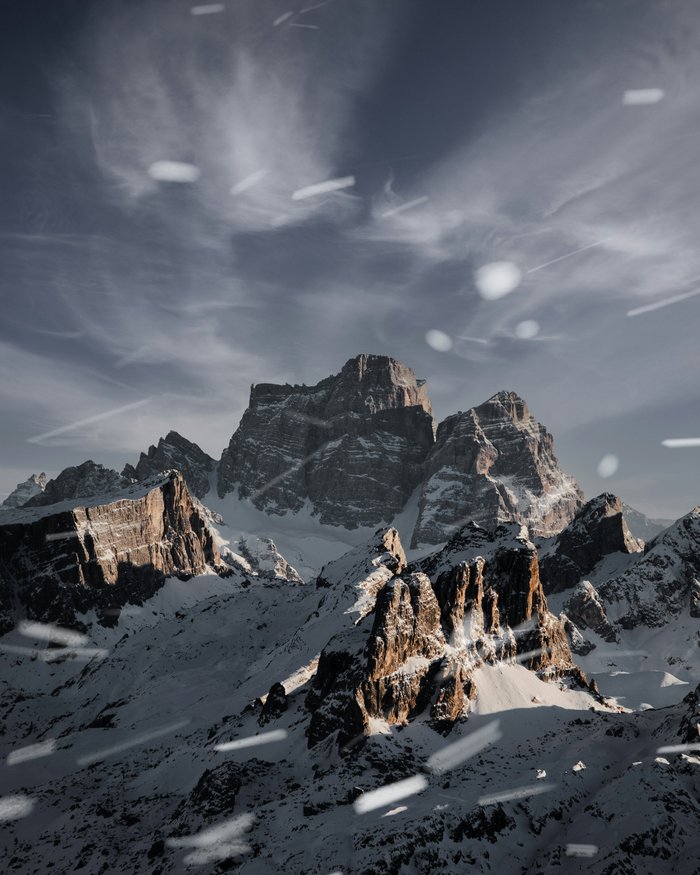
If you like Cortina d’Ampezzo, Italy, also consider
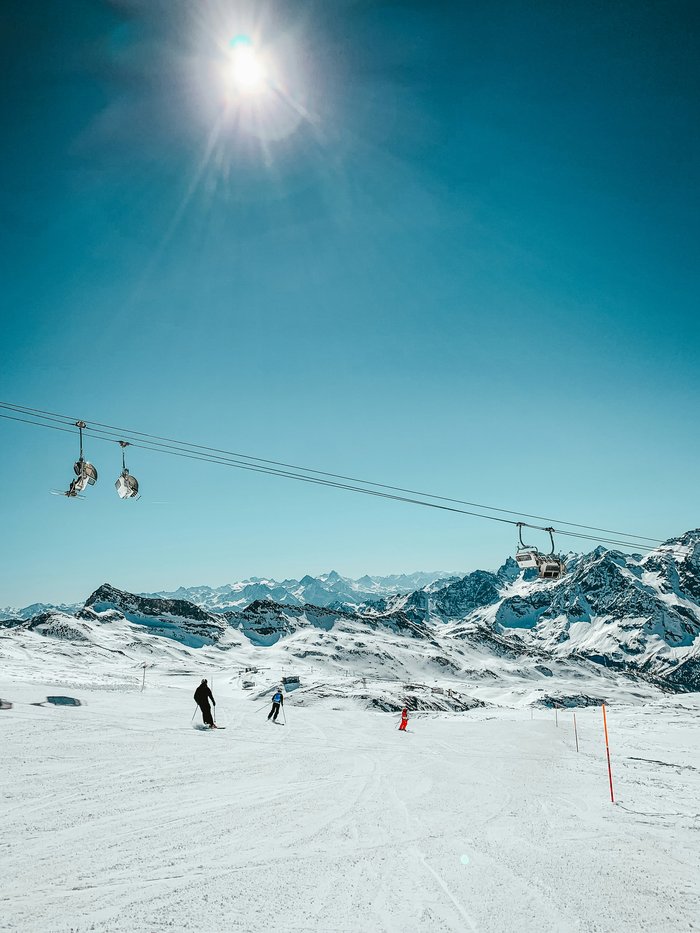
Cervinia, Italy
The Italian side of the Matterhorn — wide, high, snow-sure and half the price of Zermatt.
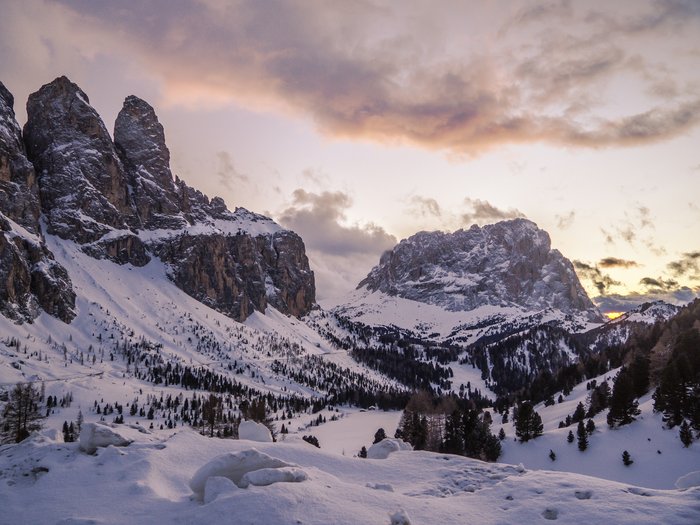
Val Gardena, Italy
The Sella Ronda, the Saslong World Cup and the best rifugio food in the Dolomites.
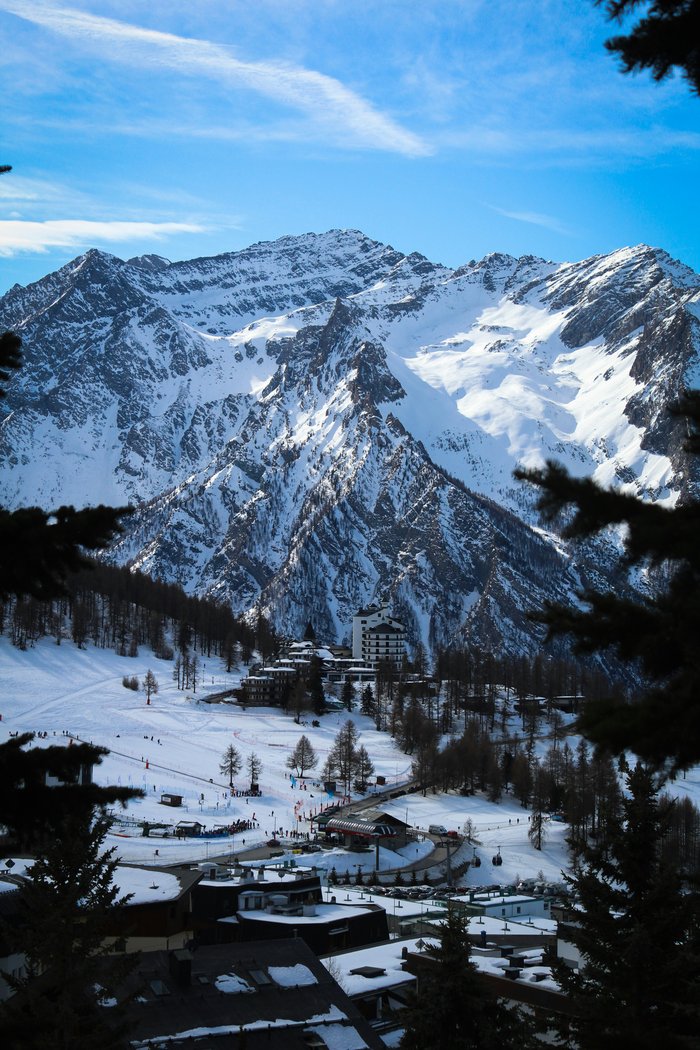
Sestriere, Italy
Europe’s highest purpose-built resort, the 2006 Olympic downhill and the best-value big area in Italy.
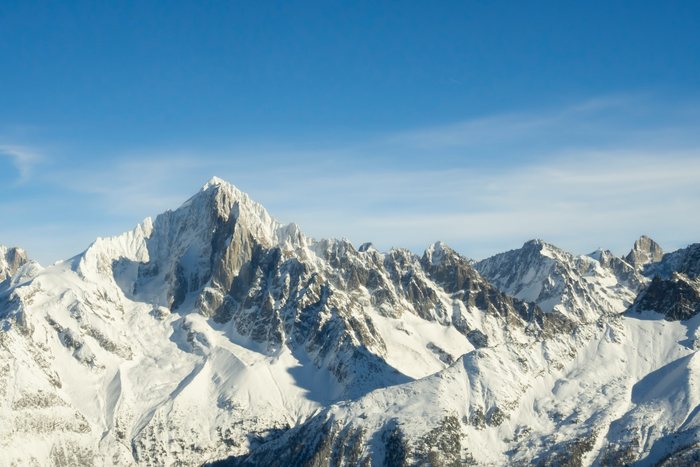
Chamonix, France
The birthplace of alpinism, under Mont Blanc.
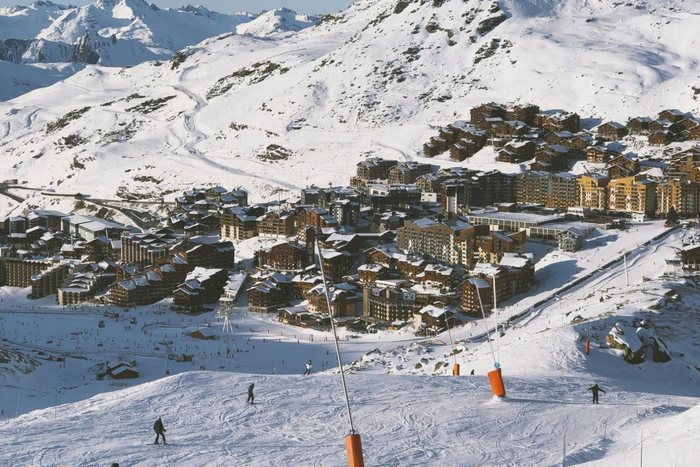
Val Thorens, France
Europe’s highest resort — snow-sure, and the gateway to the world’s largest linked ski area.
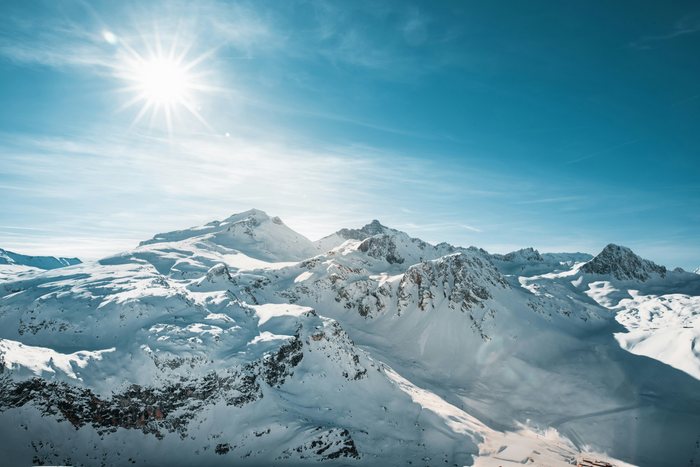
Val d’Isère, France
High-altitude, serious skiing with a village that actually feels like one.