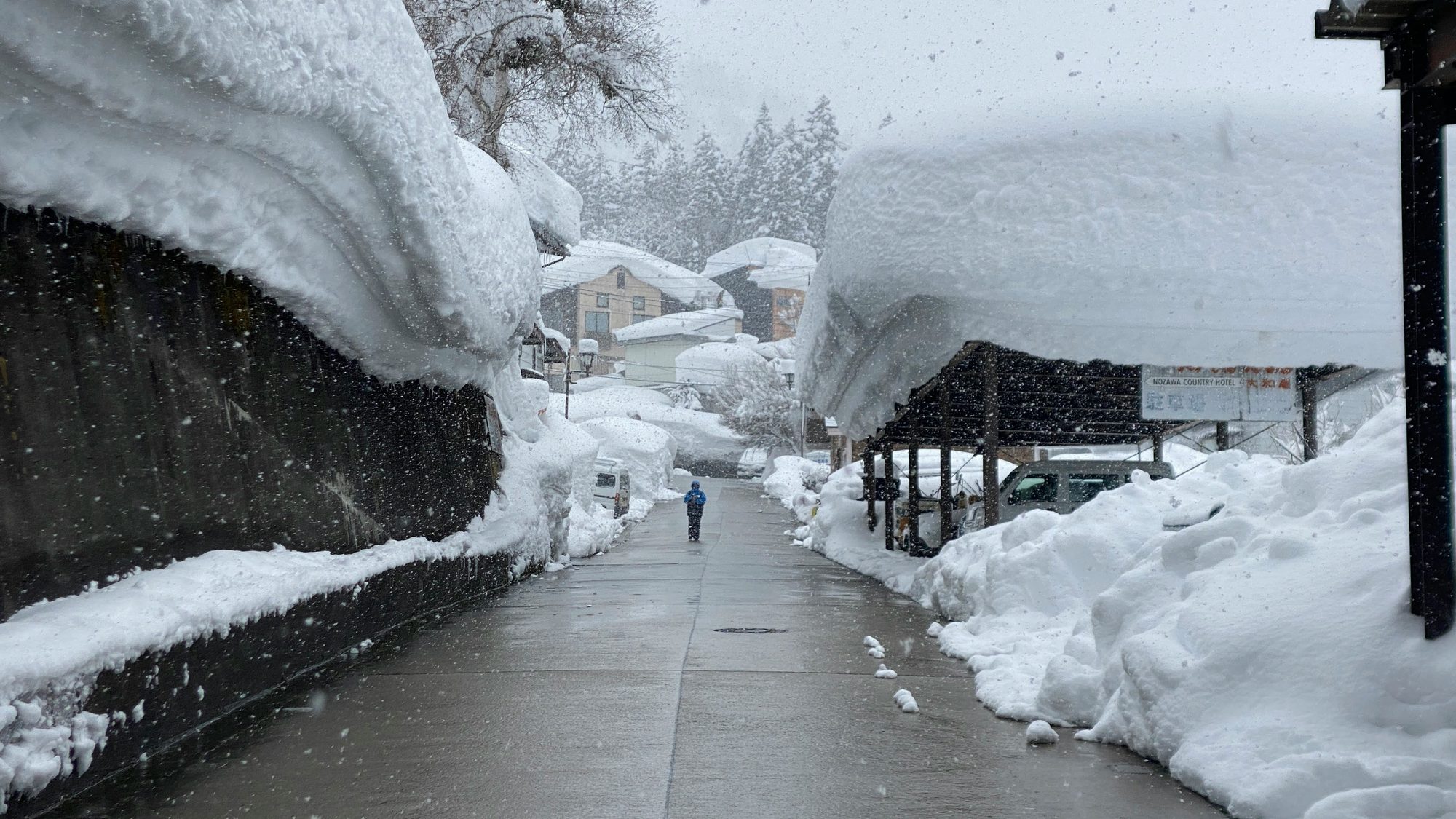
Nozawa Onsen, Japan
Thirteen free onsen, a fire festival, and 10 metres of powder — the anti-Niseko.
Nozawa Onsen is a traditional hot-spring village that happens to have 44.5 km of skiing on Mt. Kenashi above it. Thirteen free public bathhouses (soto-yu), maintained by villagers for centuries, line narrow stone lanes — and the Dosojin Fire Festival every January 15 is one of Japan’s most spectacular folk events. The skiing gets roughly 10 m of snowfall a year, with excellent tree runs and a 1,085 m vertical drop.
The village has not been built for tourism: it is a real community of wooden ryokans and minshuku inns, atmospheric narrow lanes and onsen steam drifting from every corner. The skiing above is substantial — 36 runs from the Yamabiko summit at 1,650 m down to the village at 565 m — and the snow, falling from the Sea of Japan weather systems that also feed Hakuba, is deep and consistent.
English is less widely spoken than in Niseko or Hakuba, the nightlife is a handful of bars, and the nearest bullet-train station (Iiyama) is still a bus ride away. But for skiers who want the most authentically Japanese ski-village experience — onsen, izakayas, fire festivals, and powder without the crowds — Nozawa is the one.
Highlights
-
13 free soto-yu
Public hot-spring bathhouses throughout the village — free for everyone, open 6 am–11 pm.
-
Dosojin Fire Festival
Every 15 January — a 1,200-year fire ritual and one of Japan’s Three Great Fire Festivals.
-
10 m of snow
Deep, consistent Japow with excellent tree skiing above the village.
-
Traditional village
Ryokans, narrow lanes, onsen steam — the most atmospheric ski village in Japan.
Practical info
- Visa
- Visa-free for most Western nationalities (up to 90 days).
- Currency
- JPY (¥). Cash is king — many village businesses are cash-only.
- Language
- Japanese. Limited English.
- Safety
- Very safe; no patrol outside marked runs.
- Getting around
- Shinkansen to Iiyama, then 25 min bus. ~2.5h from Tokyo.
- Tap water
- Tap water safe.
- Plug type
- Type A 100V
- Money
- Mostly cash; cards at larger hotels only.
General guidance — visas, safety, and health change, so check your government's travel advisory and the official sources before you go.
Common questions
- Is Nozawa Onsen good for beginners?
- Yes — half the piste is rated beginner, the Hikage area at the base has a free kids’ park with a magic carpet, and the long Uenotaira cruiser is one of the most confidence-building runs in Japan. The village is compact and flat, making it easy for families with small children. See who it suits.
- How do you get to Nozawa Onsen from Tokyo?
- Hokuriku Shinkansen to Iiyama station (~1 h 50 min, ~¥8,500 one-way), then the Nozawa Onsen Liner bus (20–25 min, ¥600). Under 2.5 hours door-to-door, which makes it one of the most accessible Japanese resorts from Tokyo. See getting there.
- What are the soto-yu onsen?
- Thirteen free public bathhouses scattered through the village, each with its own character and water temperature. They have been maintained by the yu-nakama (bathing association) for centuries, are open roughly 6 am–11 pm, and are free for everyone — visitors and villagers bathe together. A small donation is customary. See non-skiers & off-slope.
- When is the Dosojin Fire Festival?
- Every 15 January, without exception. It is one of Japan’s Three Great Fire Festivals and a 1,200-year-old tradition designated an Important Intangible Folk Cultural Property. The main fire lighting is around 10 pm. If you can time a trip to Nozawa around this date, do. See non-skiers.
- How cheap is Nozawa compared to the Alps?
- Dramatically cheaper. A day pass is ~¥7,500 (~€47), a ryokan with dinner and breakfast ~¥12,000 (~€75), and a bowl of ramen is ~¥1,000 (~€6). A budget day all-in comes to about ¥20,000 (~€125) — roughly a third of an equivalent day in Switzerland. See what it costs.
- Can you bring a dog to Nozawa Onsen?
- Unusually for Japan, dogs are allowed on the Nagasaka Gondola (the resort sells dog gondola tickets). They are not allowed on chairlifts, inside the Nagasaka Center House (outdoor terrace OK), or in most ryokans and hotels. See dogs.
- Is Nozawa Onsen good for non-skiers?
- It is one of the best ski villages in the world for non-skiers. The 13 free onsen, the atmospheric village lanes, temple visits, snowshoeing and the Sparena complex give a non-skiing partner a full week without needing the slopes. See non-skiers & off-slope.
The ski area
44.5 km of piste on a single mountain, from village to summit
Nozawa Onsen is a single, connected ski area rising straight from the village — no buses, no separate sectors, no transfers. You walk from your ryokan to the gondola in geta.
The mountain fans out from the village across three broad zones: Hikage (the base, beginner area and kids’ park), the mid-mountain around Nagasaka and Paradise, and the upper mountain at Yamabiko and Uenotaira where the snow is deepest and the tree skiing lives. The longest run — Uenotaira down to the village — is roughly 10 km and skiable by a confident intermediate.
What sets Nozawa apart from the bigger Japanese resorts is the direct village-to-summit connection: you step out of a centuries-old onsen village and you are on the snow in five minutes, with no transfers, no car parks and no bus timetable. The skiing isn’t the biggest in Japan — Hakuba Valley and Niseko United are both larger — but the vertical, the snow and the integration with the village are hard to beat.
| Zone | Elevation | Best for | Notes |
|---|---|---|---|
| Hikage (base) | 565–700 m | Beginners, families | Free kids’ park, magic carpet, ski-school meeting point |
| Nagasaka–Paradise | 700–1,100 m | Intermediates | Gondola top station, wide cruisers, Sparena onsen complex |
| Yamabiko–Uenotaira | 1,100–1,650 m | Advanced, powder | Deepest snow, best tree skiing, the Schneider and Kandahar courses |
Terrain split: roughly 50% beginner, 29% intermediate, 21% advanced. Night skiing runs on the Hikage and lower slopes most evenings.
Nozawa hosted the biathlon events at the 1998 Nagano Winter Olympics — the cross-country course is still visible near the village.
Who it suits
Who Nozawa Onsen is — and isn’t — for
Nozawa is the anti-Niseko: a traditional Japanese village for skiers who want culture, onsen and powder without an international resort wrapper.
The village is small, the nightlife is quiet, and the English is limited — this is the resort for skiers who want to be in Japan, not in a ski resort that happens to be in Japan. Match your expectations to the mountain:
- Beginners & familiesSkipYamabiko in bad weather — exposed and steepGoHikage base area (free kids’ park, magic carpet) and the long, gentle Uenotaira run from the top
- Cruising intermediatesSkipexpecting Alpine-scale linked mileageGothe 10 km summit-to-village descent and the mid-mountain cruisers, plus a day trip to nearby Madarao or Tangram
- Powder & tree skiersSkipthe groomed lower slopes after a dumpGoYamabiko and the Uenotaira trees — Nozawa’s snow is as good as Hakuba’s, with a fraction of the crowds
- Cultural travellersSkipNiseko if what you want is JapanGoNozawa: 13 free onsen, the Dosojin Fire Festival, ryokans, nozawa-na pickles and a village unchanged for centuries
If you want big nightlife, extensive English and a modern resort village, Niseko is the better fit. If you want the most atmospheric, authentically Japanese ski experience available, Nozawa is it.
Snow & season
Ten metres of Sea of Japan snow, and a season that runs to May
Nozawa faces the Sea of Japan weather systems head-on. The result is roughly 10 m of annual snowfall — one of the highest totals in Japan.
The axis spans November to May. Crimson bars mark the full-resort window and crowd peaks. The Dosojin Fire Festival is a single date (15 Jan) — book early if you want to be in the village for it.
The snow comes from cold Siberian air crossing the Sea of Japan — the same weather systems that feed Hakuba, 90 km to the south-west. January and February deliver the deepest, coldest powder; March is drier and sunnier but still reliable at the summit. The lower Hikage runs open earliest and close latest, while the upper Yamabiko zone has a shorter window but the best snow.
The quietest weeks are early-to-mid January (after New Year, before the festival) and March (spring snow, fewer crowds, cheaper accommodation). December before Christmas is a gamble on the upper lifts being open.
Lift passes
One mountain, one pass — and under-5s ride free
Nozawa’s pass is straightforward: a single ticket covers every lift on the mountain, with no upgrade tiers and no separate sectors.
There is only one lift pass, and it covers everything. Multi-day passes must be used on consecutive days at the ticket office; for non-consecutive days, buy through Nozawa Holidays. Night skiing is a separate ticket. An IC keycard costs ¥500 on first purchase (reusable).
| Duration | Adult | Child (<15) | Senior (60+) |
|---|---|---|---|
| 1 day | ¥4,500 | ¥6,000 | |
| 2 days | ¥8,300 | ¥11,100 | |
| 3 days | ¥12,200 | ¥16,300 | |
| 4-hour | ¥3,800 | ¥5,100 | |
| Night | ¥1,600 | — | |
| Season | ¥58,500 | — |
Under 5: free with a paying adult. Prices are 2025/26; the 2026/27 1-day adult rises to ¥7,800. IC keycard deposit ¥500 (reusable).
At ~¥7,500 a day (~€47), Nozawa’s lift pass is roughly half the price of Niseko United (¥12,000–¥13,500) and about a third of a Swiss resort. For a week, the saving is enormous.
Lessons & guides
English-speaking schools and private guides for the trees
Nozawa has several English-speaking ski schools — fewer instructors than Niseko, but smaller groups and a more personal feel.
Nozawa Snowsports School (operated by Canyons) is the main English-speaking school: adult group full day ¥16,500, morning only ¥13,000, infant (4–6 years, ski, full day including lunch) ¥19,000. Ride Nozawa and the Nozawa Holidays Ski School are the other English-speaking options. Private lessons through Canyons run from ¥34,000 for 2 hours up to ¥75,000 for a full day and ¥90,000 for a premium first-to-last-lift day (up to 6 people, so a family or group can share).
For children under 7 who have never seen snow, the Intro to Snow session (¥17,000 for 1 hour, private) is a gentler start than a full lesson. Book English instructors early — there are fewer here than in Niseko or Hakuba, and peak weeks sell out.
Lift pass and rental are not included in lesson prices. The schools can arrange hire as a package if you book in advance.
Families & kids
Free kids’ park, onsen-village childcare — and under-5s ski free
Nozawa is a natural family resort: compact, walkable, gentle at the base, and the onsen bathhouses give everyone something to do after skiing.
The distinction that matters: the Yumin Day Care Centre (Hikage Information Center, 2F) is non-ski childcare with certified staff for young children. The Kids’ Park at Hikage base is a free snow-play area with a sledging course. Ski lessons start from age 3–4 (group) or age 3 (private).
| Option | Ages | What it is |
|---|---|---|
| Yumin Day Care Centre | young children | Non-ski childcare at Hikage, certified staff, 8:30–12:00 and 13:00–16:00, ~Dec 20–Mar 29 |
| Kids’ Park (Hikage base) | all ages | Free snow play, sledding course, no booking needed |
| Group ski lessons (infant) | 4–6 | Nozawa Snowsports School, morning/afternoon, ¥19,000/day incl. lunch |
| Private Intro to Snow | under 7 | Canyons Nozawa, 1 hour ¥17,000 — a first taste for tiny children |
Under 5: free lift pass with a paying adult. The village is flat and compact, so pushchairs work on the main streets (though some lanes are narrow and steep).
The village itself is the family bonus: children love the onsen (many welcome small children; check temperature), the onsen tamago (eggs boiled in hot-spring water), and the narrow lanes with their steam and wooden buildings. It feels like stepping into a Ghibli film.
Getting there
Under 2.5 hours from Tokyo by bullet train and bus
Nozawa is closer to Tokyo than most people expect — the Hokuriku Shinkansen has cut the journey to under 2.5 hours door-to-door.
The standard route: Hokuriku Shinkansen from Tokyo Station to Iiyama (~1 h 50 min, ~¥8,500 one-way reserved), then the Nozawa Onsen Liner bus from outside the station (20–25 min, ¥600). Total journey: about 2–2.5 hours. Check the bus timetable — it does not meet every shinkansen, and the last bus runs before the last train.
From Nagano (for connections from other regions): local train or bus to Iiyama (~30 min), then the same bus to Nozawa. The nearest airports with international flights are Tokyo Narita and Haneda — take the Narita Express or Keisei Skyliner to Tokyo, then the shinkansen.
| From | Route | Time | Cost (one-way) |
|---|---|---|---|
| Tokyo Station | Shinkansen → Iiyama → bus | ~2–2.5 h | ~¥9,100 |
| Nagano Station | Train/bus → Iiyama → bus | ~1 h | ~¥2,000 |
| Narita airport | Skyliner → Tokyo → shinkansen → bus | ~3.5–4 h | ~¥12,000 |
A JR Pass covers the shinkansen leg (the bus is separate). Rental cars are possible but winter tyres are required, and the village centre is not designed for cars.
The Nozawa Onsen Liner bus is the only public transport from Iiyama to the village. Taxis exist but are expensive (~¥4,000–5,000). Check the timetable and plan your shinkansen arrival around a bus departure.
Where to stay
Ryokans, minshuku and the reason to stay traditional
Nozawa is one of the few ski villages where the accommodation is part of the experience — a traditional ryokan with dinner, breakfast and a private onsen is worth the premium.
The village has no large chain hotels and no purpose-built resort blocks. Accommodation is overwhelmingly ryokans (traditional inns with tatami rooms, futons, multi-course kaiseki dinner and breakfast) and minshuku (family-run guesthouses, simpler meals, lower prices). Self-catering apartments and a growing number of modern lodges fill in the rest.
There is no meaningful ski-in/ski-out in Nozawa — but the village is compact enough that the walk from most accommodation to the Nagasaka Gondola or the Hikage lifts is under ten minutes, often through atmospheric lanes and past steaming soto-yu.
| Type | Price per person per night | What you get |
|---|---|---|
| Ryokan (traditional inn) | Tatami room, futon, kaiseki dinner + breakfast, private or shared onsen | |
| Minshuku (guesthouse) | Simple Japanese room, home-cooked meals, family-run warmth | |
| Budget lodge / hostel | Western or Japanese rooms, self-catering or no meals | |
| Self-catering apartment | Modern apartments, kitchen, more space for families |
Ryokan prices include dinner and breakfast — which substantially changes the daily food budget. A ¥15,000 ryokan with two meals included is often cheaper all-in than a ¥8,000 lodge plus eating out twice.
For the full Nozawa experience, stay in a ryokan at least once — the multi-course dinner, the futon on tatami, and the in-house onsen are the trip, not a footnote to the skiing.
Après & dining
Onsen is the après — the skiing ends, the bathing begins
In Nozawa, après-ski is not a beer on a terrace — it is a naked soak in a 42°C wooden bathhouse, surrounded by snow and steam.
The 13 free soto-yu (public bathhouses) define the après ritual: skis off, boots changed, walk three minutes to O-yu or Shin-yu, strip down and get in. Each bathhouse has its own character and temperature (some are very hot — test with a toe). The Sparena complex near the mid-mountain adds a paid onsen with an outdoor pool, jets and saunas for those who want a longer soak.
Dining is village-scale but excellent within its range: izakayas (try the local nozawa-na pickles, tempura’d or in miso), ramen and soba shops, yakiniku grills, and the handful of bars (Stay Bar, Kaika) that stay open late. This is not a nightclub village — it is a hot-bath-and-sake-and-bed village, and that is the point.
Onsen etiquette basics: wash thoroughly before entering the bath; no swimwear (everyone bathes naked); tie long hair up; and tattoos are an issue at some facilities (the village soto-yu are generally relaxed, but hotel onsen may not be). A small towel for modesty is fine; do not put it in the water.
Non-skiers
Thirteen free onsen, a fire festival and a village that existed before tourism
Nozawa’s non-ski offering is not a consolation prize — the onsen, the village atmosphere and the Dosojin Fire Festival are reasons to come instead of skiing, not despite it.
13 free public bathhouses
The Dosojin Fire Festival (15 January every year) is one of Japan’s Three Great Fire Festivals and designated an Important Intangible Folk Cultural Property. A 1,200-year-old tradition: 25-year-old men defend a massive wooden shrine structure while older villagers try to set it alight with torches. The main fire lighting is around 10 pm and the spectacle runs for hours. It is extraordinary, and it is free.
Beyond the onsen and the festival: onsen tamago (eggs cooked in the hot-spring water at communal pools near O-yu), the village’s temple and atmospheric lanes, snowshoeing on the mountain, and the Sparena complex with its heated outdoor pool. The village walking itself is the experience — steam from the bathhouses, wooden buildings, narrow stone lanes, the sound of water everywhere.
If you can only visit Nozawa on one date, make it 15 January. The Dosojin Fire Festival is genuinely one of the most spectacular folk events in Japan, and combining it with the skiing and the onsen makes for one of the great winter trips anywhere.
Dogs
Dogs on the gondola — an unusual exception in Japan
Japanese ski resorts almost universally ban dogs. Nozawa Onsen is one of the rare exceptions — dogs ride the gondola.
Dogs are allowed on the Nagasaka Gondola, and the resort sells dog gondola tickets — unusual enough in Japan that it is worth highlighting. Dogs are not allowed on chairlifts, inside the Nagasaka Center House (the outdoor terrace is fine), or on the groomed pistes. Most ryokans and hotels in the village do not accept pets, so check before booking if you are travelling with a dog.
Practically: the village lanes are good for walking a dog, but the onsen bathhouses are obviously not an option, and Japan’s import requirements for pets (rabies vaccination, microchip, 180-day quarantine or an import permit with blood test results) make a casual visit with a dog unrealistic for most international travellers. The gondola policy is more relevant for Japan-based dog owners on a ski trip.
For international visitors with dogs: Japan’s animal import process takes months of advance paperwork (the MAFF 180-day pre-travel blood test and certification). This is not a “bring the family pet on holiday” destination — it is a destination where Japan-resident dog owners can take their dog up the mountain.
Accessibility
A traditional village — with the limitations that implies
Nozawa’s narrow lanes and stepped paths are atmospheric but not easy for wheelchair users or those with limited mobility.
No dedicated adaptive ski programme was found at Nozawa Onsen in English-language sources. Japan’s adaptive skiing infrastructure is less developed than Europe or North America, and most provision is concentrated around Sapporo in Hokkaido. Contact the resort directly for specific needs.
The village itself is compact and mostly flat on the main streets, but many lanes are narrow, sloped and icy in winter, and ryokans often have steps, raised floors and no lifts. The Nagasaka Gondola has level boarding. The soto-yu bathhouses have steps and require sitting on the floor — they are not accessible for those who cannot get in and out of a bath unassisted.
If accessible accommodation is essential, check with individual ryokans before booking — modern lodges and apartments are more likely to have step-free access than traditional inns.
Safety & insurance
Patrolled on the pistes, on your own outside them
Nozawa is a safe resort, but the backcountry gates come with a blunt warning: "You can die."
Ski patrol operates on marked runs only. There is no patrol, rescue or signage outside the resort boundary — backcountry gates exist, but they carry explicit warnings and the responsibility is entirely the skier’s. Off-piste rescue costs fall on the individual, and helicopter rescue in Japan can exceed ¥1,000,000.
Travel insurance with winter sports and mountain rescue cover is essential. Japanese hospitals require upfront payment from foreign patients; a standard travel policy often excludes skiing, and Japan’s national health insurance does not cover tourists or search-and-rescue. Make sure your policy explicitly covers ski injuries and off-piste rescue if you plan to leave the marked runs.
Emergency patrol number: 0269-85-3456. Helmets are strongly recommended (not legally required). The backcountry “gates” are not an invitation — they are a warning that you are leaving all support behind.
What it costs
What a day in Nozawa Onsen actually costs
Nozawa is one of the cheapest serious ski resorts in the world — a fraction of the Alps, and notably cheaper than Niseko.
The day-rate breakdown, per person per day:
| What | Typical day-rate | Notes |
|---|---|---|
| Lift pass | ~¥7,500 (~€47) | From a 1-day adult; multi-day is cheaper per day (¥6,950 on a 3-day) |
| Ski / board hire | ~¥4,000–¥6,000 | Per day from local rental shops; cheaper for multi-day |
| Group lesson (adult full day) | ~¥16,500 (~€103) | Nozawa Snowsports School, 4.5 hours |
| Private lesson (2 h) | ¥34,000 (~€213) | Canyons Nozawa, up to 6 people — split cost for a family |
| Lunch | ~¥1,000–¥2,000 | Ramen, soba or a cafeteria bowl on the mountain |
| Dinner | ~¥2,000–¥4,000 | Izakaya or ramen in the village; included if staying in a ryokan |
| Ryokan (dinner + breakfast) | ¥15,000–¥60,000+ | Per person; meals included — the two best meals of the day are in the price |
| Minshuku (meals optional) | ¥6,000–¥12,000 | Per person; home-cooked meals add ~¥3,000–5,000 |
| Budget lodge / hostel | ¥4,000–¥8,000 | No meals; self-catering or eat out |
| Tourist tax | ¥200/night | Nagano Prefecture, from June 2026 for stays over ¥6,000/night |
| Iiyama bus | ¥600 each way | Nozawa Onsen Liner from the shinkansen station |
Rates are 2025/26 season at ~¥160/€1. They are set each season — re-check at en.nozawaski.com before travel. The 13 soto-yu onsen are free, which is a genuine daily saving over resorts where a hot-spring entry costs ¥500–¥1,000.
The biggest cost lever is accommodation type: a ryokan at ¥15,000 with dinner and breakfast included is all-in cheaper than a ¥8,000 lodge plus two restaurant meals. The second lever is the pass: Nozawa’s ¥7,500 vs Niseko’s ¥13,500 saves ¥6,000 a day — ¥42,000 over a week.
Compare Nozawa Onsen, Japan
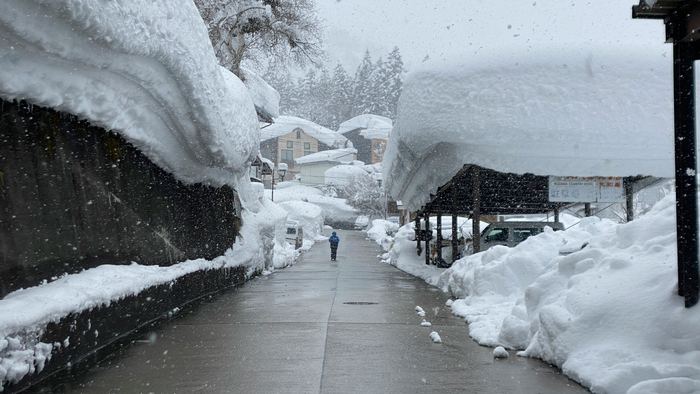
If you like Nozawa Onsen, Japan, also consider
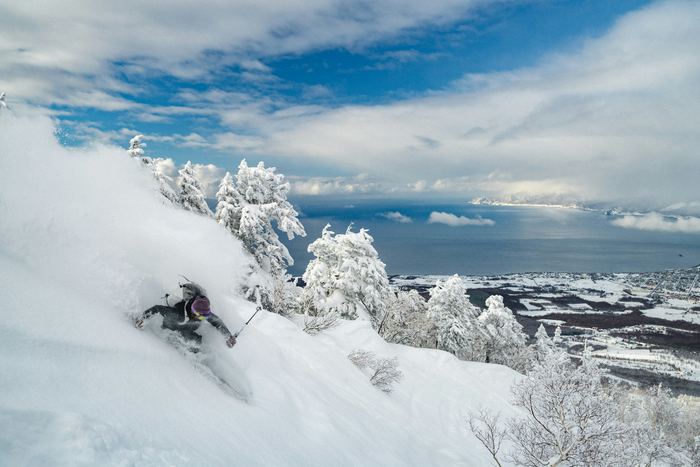
Niseko, Japan
The powder capital of Japan — 15 metres of dry Hokkaido snow and onsen after every run.
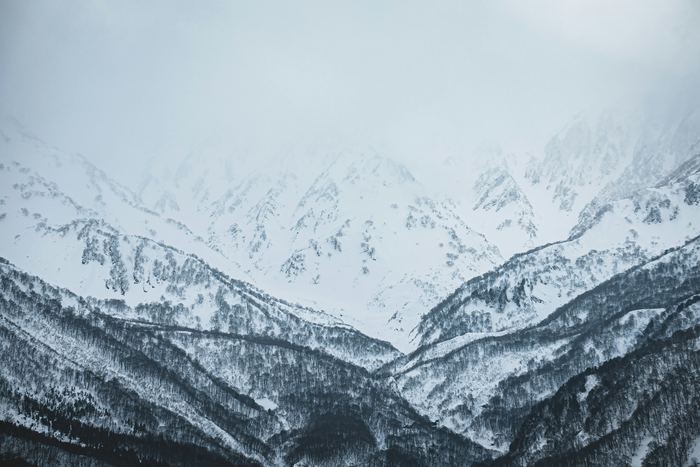
Hakuba Valley, Japan
Ten resorts, one pass, and the 1998 Olympic downhill — Japan’s biggest ski valley, three hours from Tokyo.
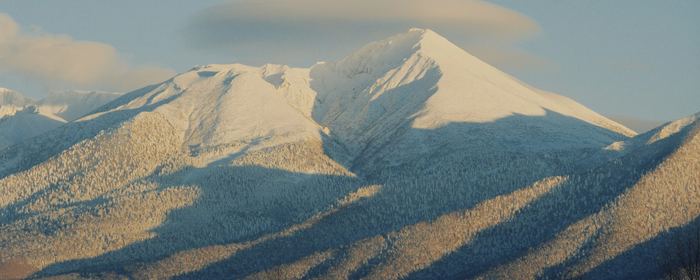
Furano, Japan
A real Hokkaido farming town with FIS World Cup piste, cheese, wine and the driest powder in Japan.
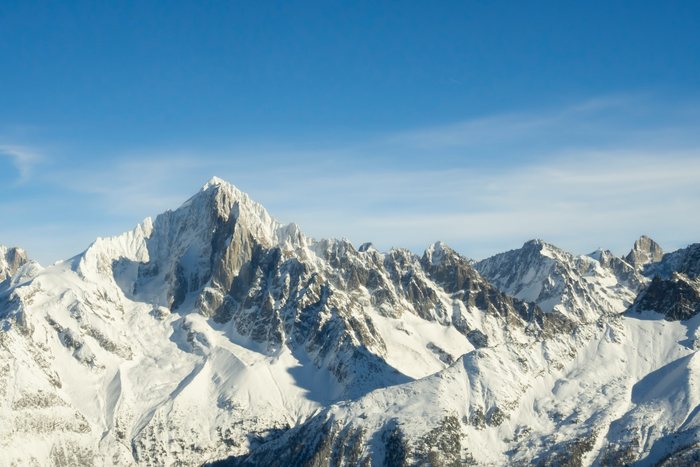
Chamonix, France
The birthplace of alpinism, under Mont Blanc.
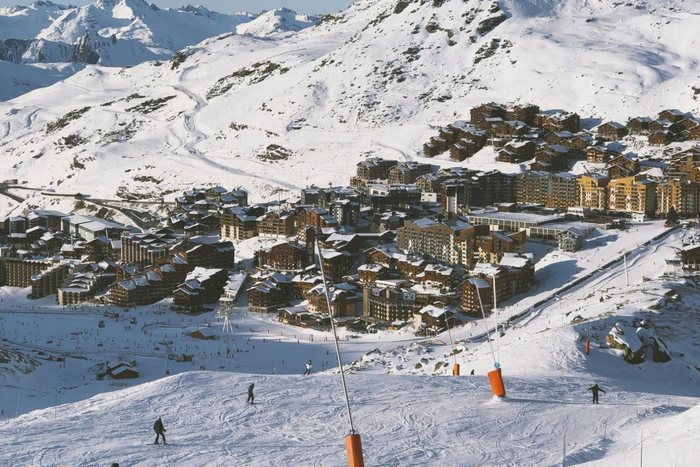
Val Thorens, France
Europe’s highest resort — snow-sure, and the gateway to the world’s largest linked ski area.
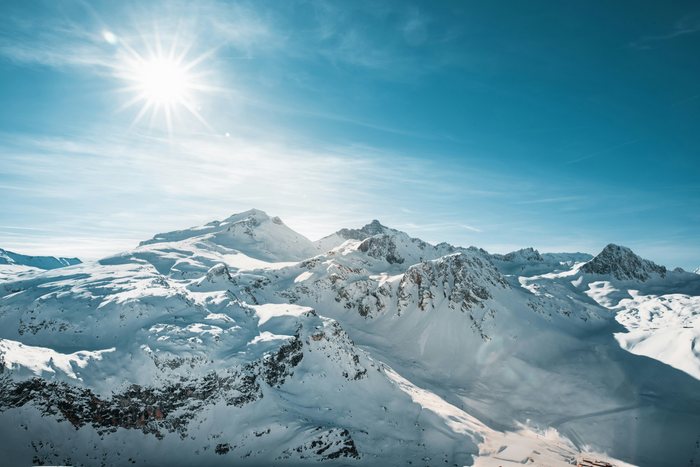
Val d’Isère, France
High-altitude, serious skiing with a village that actually feels like one.