Niseko, Japan
The powder capital of Japan — 15 metres of dry Hokkaido snow and onsen after every run.
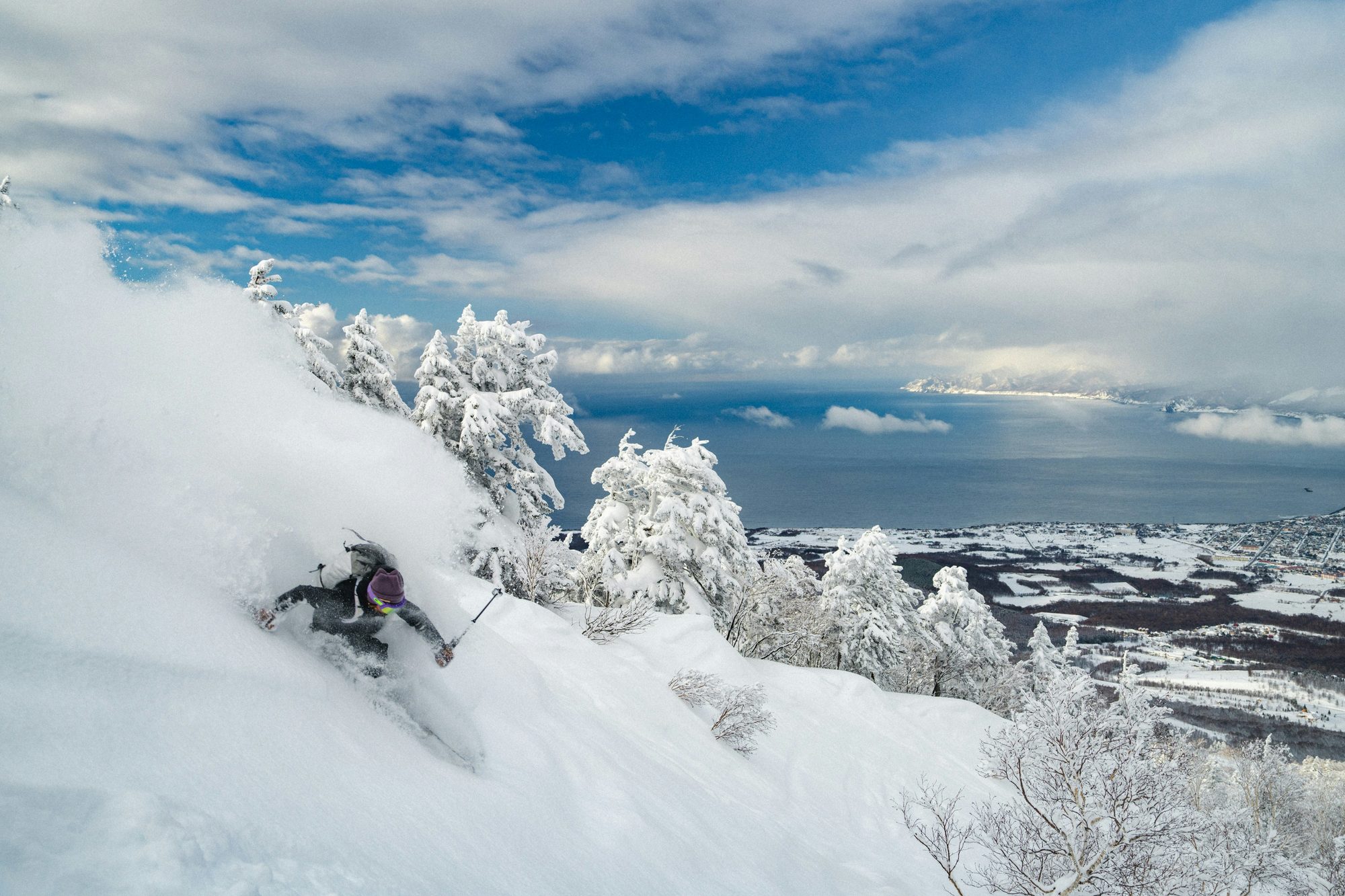
Niseko United links four resorts on the flanks of Mt. Annupuri, catching 14–15 m of annual snowfall from cold Siberian air crossing the Sea of Japan. The result is the lightest, driest powder most skiers will ever ride. Add night skiing under the lights of Grand Hirafu, a dozen onsen baths, and the most English-friendly infrastructure in Japan, and you have the resort that put Japow on the global map.
The four areas — Grand Hirafu, Hanazono, Niseko Village and Annupuri — share a single lift pass and are linked at the top of Mt. Annupuri, so you can traverse the whole resort in a day. Grand Hirafu is the biggest and busiest, with the most restaurants and nightlife; Annupuri is the quietest. Eleven backcountry gates open when avalanche conditions allow, giving controlled access to the famous tree skiing.
The honest part: Niseko is the most international (some say least Japanese) of Japan’s ski resorts, with Australian, British and Asian visitors outnumbering locals in peak season. Lift infrastructure is older and slower than the Alps, queues form on powder mornings, and the terrain — while excellent for powder — is modest in vertical and groomed variety compared to a Val d’Isère or a Zermatt.
Highlights
-
Japow
Arguably the most consistent deep, dry powder on the planet — 14–15 m a year.
-
Night skiing
Grand Hirafu’s lit runs include advanced tree skiing — one of the largest night-ski areas in Japan.
-
Onsen culture
25+ hot springs in the area, from forest baths to public village sento.
-
Mt. Yōtei
The "Ezo Fuji" — a perfect volcanic cone on the skyline, a spring ski-touring objective.
Practical info
- Visa
- Visa-free for most Western nationalities (up to 90 days).
- Currency
- JPY (¥). Cash still widely needed; cards increasingly accepted in Niseko.
- Language
- Japanese. English widely spoken in the resort.
- Safety
- Very safe; backcountry gates have strict rules — off-piste rescue costs start at ¥100,000.
- Getting around
- Bus from New Chitose airport (CTS), 2.5–3 hours.
- Tap water
- Tap water safe.
- Plug type
- Type A 100V
- Money
- Cash for smaller shops; cards in hotels and ski centres.
General guidance — visas, safety, and health change, so check your government's travel advisory and the official sources before you go.
Common questions
- When is the best time to ski Niseko?
- Mid-January to mid-February for the driest, deepest powder. The season runs late November to early May, but the famous Japow peaks in the coldest weeks — base depths of 200–400 cm are normal in January. See snow & season.
- Is Niseko good for beginners?
- Yes — wide groomed runs at Annupuri and Niseko Village, plus several English-speaking ski schools (GoSnow, NISS, SAS Niseko). The powder between the trees is the main draw for advanced skiers, but the groomed terrain is beginner-friendly. See who it suits.
- How do you get to Niseko from Tokyo?
- Fly to New Chitose airport (CTS) near Sapporo (~1h45 from Haneda), then take a direct resort bus (2.5–3 hours, ¥2,000–¥5,000). Private transfers cut it to ~2 hours. See getting there.
- Is Niseko expensive for Japan?
- It is the most expensive ski resort in Japan — international demand has pushed prices well above Hokkaido norms — but it remains significantly cheaper than the European Alps. A mid-range day costs about ¥55,000 (~€345) all-in. See what it costs.
- Do you need Japanese in Niseko?
- No — Niseko is Japan’s most English-friendly resort. Signage, menus, ski schools and many staff operate in English, especially in Hirafu. It is the one resort where monolingual English speakers will feel comfortable.
- Can you bring a dog to Niseko?
- To the resort villages, yes — some accommodation (Snowdog Village) is pet-friendly. Onto the ski slopes, no — dogs are not permitted on Niseko United pistes or lifts. See dogs.
- What do non-skiers do in Niseko?
- Soak in one of 25+ onsen hot springs — the post-ski bath is the daily ritual here. Add snowshoeing, snowmobiling, reindeer sledding and Hokkaido’s extraordinary food scene. See non-skiers & off-slope.
The ski area
Four resorts, one mountain, one pass
Niseko United links Grand Hirafu, Hanazono, Niseko Village and Annupuri on the slopes of Mt. Annupuri. They share a single lift pass and connect at the summit — you can traverse the whole resort in a day.
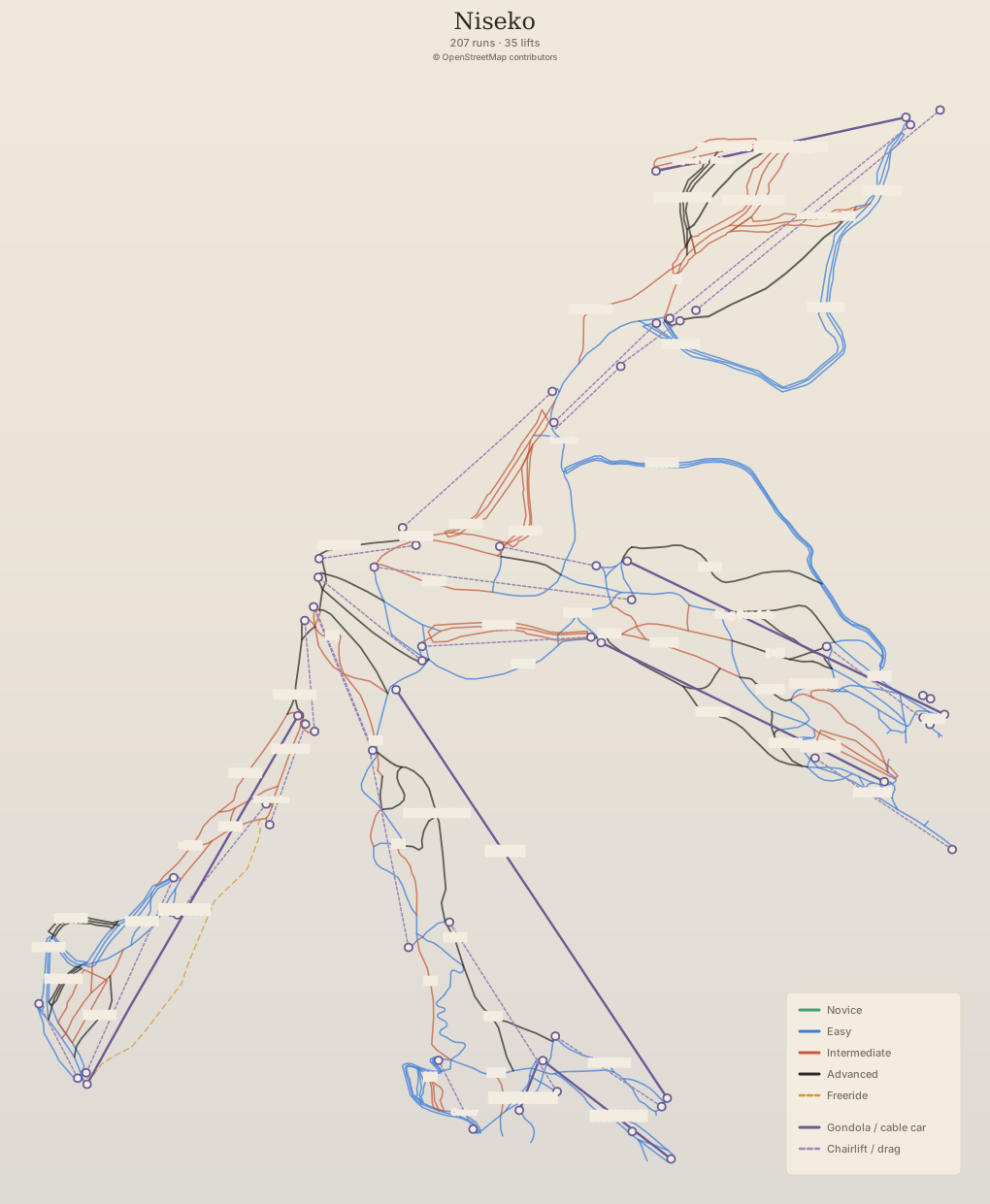
The four areas fan around Mt. Annupuri: Grand Hirafu is the biggest and busiest, with the most restaurants and nightlife; Hanazono to the east has excellent tree skiing and the resort’s best terrain park; Niseko Village in the centre is quieter, with ski-in/ski-out hotels; Annupuri to the west is the smallest and quietest, with wide, gentle runs.
They connect at the summit of Mt. Annupuri via a network of traverses and the Hirafu–Hanazono inter-resort gondola, so you can ski all four areas on a single day without touching a bus. In practice, most people ski two or three areas per day — the connections are skiable but not instant.
| Area | Runs | Best for | Notes |
|---|---|---|---|
| Grand Hirafu | ~30 | All-rounders, nightlife, night skiing | The largest area; one of Japan’s biggest lit night-ski zones including tree runs |
| Hanazono | ~10 | Tree skiing, park, powder | Excellent ungroomed terrain and the 308 Park; NISS ski school base |
| Niseko Village | ~27 | Intermediates, families | Ski-in/ski-out hotels; quieter, well-groomed, with the Hilton and Ritz-Carlton |
| Annupuri | ~13 | Beginners, families, peace | The gentlest area; wide, uncrowded runs; a good place to learn |
A single Niseko United All Mountain pass covers all four areas. The separate resort of Moiwa, nearby, requires its own pass. Piste totals vary by source and season.
The 11 backcountry gates across the four resorts open when avalanche conditions allow, giving controlled access to the famous tree and powder skiing. Gate rules are strict — no patrol operates outside marked runs, and rescue costs start at ¥100,000.
Who it suits
Who Niseko is — and isn’t — for
Niseko’s reputation is built on powder. If deep snow is your priority, this is the pilgrimage. If groomed variety and vertical are what matter, the Alps are better value.
The resort’s selling point is simple: 14–15 m of dry, light powder a year, consistently delivered by Siberian weather systems crossing the Sea of Japan. That volume of quality snow in a lift-served, English-speaking resort is unmatched globally. But the piste area is modest (51 km), the vertical is limited (933 m), and the lift infrastructure is a generation behind the Alps.
- Powder huntersSkipthe groomed runs on a dump dayGoGrand Hirafu and Hanazono tree skiing through the 11 backcountry gates — the reason Niseko exists on the global map
- Beginners & familiesSkipHirafu’s steep upper slopes on a busy dayGoAnnupuri (widest, gentlest, quietest) and Niseko Village (groomed, with English ski schools and childcare)
- Night owlsSkipAnnupuri after 4 pmGoGrand Hirafu’s lit runs (open to ~8:30 pm) — night skiing through the trees under fresh powder is the signature Niseko experience
- Cultural immersion seekersSkipexpecting old Japan — Hirafu is Niseko’s international villageGoAnnupuri or Niseko Village for a quieter, more Japanese atmosphere; or consider Nozawa Onsen or Furano for a genuinely traditional resort
If your priority is groomed cruising, big vertical and efficient modern lifts, the Alps will deliver more for the money. Niseko’s case is the snow — no European resort gets this volume of this quality, this consistently.
Snow & season
The snowiest lift-served resort on earth
Cold Siberian air crosses the Sea of Japan and dumps 14–15 m of ultra-dry powder on Mt. Annupuri every winter. This is the fact that built Niseko’s reputation.
Crimson bars mark the snow-sure peak and the full operating season. The Chinese/Lunar New Year window brings a second crowd peak, largely from Asian markets — powder mornings in late January can see 30-minute lift queues at Grand Hirafu.
The powder is the product. ‘Japow’ — the ultra-light, cold, dry snow produced by Siberian weather systems — falls in volumes that European and North American resorts simply do not see, and the consistency is remarkable: fresh snow on 80+ days a season means you rarely wait more than a day or two between dumps in the core winter.
The trade-off is visibility: heavy snowfall days are common and strong winds can close the upper mountain. Tree skiing below the summit ridge is the default storm-day plan — and in Niseko, a storm day often means the best skiing.
Lift passes
One pass for all four resorts — with seasonal pricing windows
The Niseko United All Mountain Pass covers Grand Hirafu, Hanazono, Niseko Village and Annupuri. Prices shift between early, regular and peak windows.
Niseko’s pass pricing is simpler than the Alps — one main pass covers everything — but the seasonal price windows matter. Peak-season (Christmas through February) prices are 35–50% higher than early- or spring-season rates. A ¥500 IC keycard fee applies on first purchase.
| Period | 1-day adult | 1-day child (4–12) | 6-day adult |
|---|---|---|---|
| Early / Spring | ~¥5,300 | ~¥49,000 | |
| Regular | ~¥7,600 | ~¥67,000 | |
| Peak (Christmas–Feb) | ~¥8,100 | ~¥78,500 |
Under-4s ski free. Season pass: ¥175,600 adult / ¥105,400 child. Online booking gives ~5% discount. Prices shown are 2025/26 where available, with 2026/27 for the 6-day peak rate. Niseko uses dynamic-ish pricing between windows — re-check on niseko.ne.jp before you book.
The nearby resort of Moiwa (small, quiet, no queues) is not on the Niseko United pass and requires its own ticket. It’s a good half-day escape when Hirafu is crowded.
Lessons & guides
English-speaking schools — Niseko’s biggest advantage over the rest of Japan
Niseko has more English-speaking instructors than all other Japanese resorts combined. Book early — they sell out weeks ahead in peak season.
The main English-speaking schools: GoSnow (Hirafu, the budget-friendly option), NISS (Hanazono, premium, 5.5-hour full-day including lunch), Niseko Village Snow School and SAS Niseko. Lift pass and rental are not included in any lesson price.
For off-piste, Niseko’s backcountry is accessed through the 11 gate system rather than hired guides — but guided powder tours through companies like Hokkaido Backcountry Club are available and recommended for first-timers to the gate system. A transceiver, probe and shovel kit is essential for gate skiing.
Peak-season (late December through February) lessons with English-speaking instructors sell out fast. Book 4–6 weeks ahead if you want a specific school and time slot.
Families & kids
Childcare from 18 months, free skiing under 4, and the nappy question
Niseko is the best-equipped resort in Japan for English-speaking families — but the childcare options are scattered across the four areas, not centralised.
As in Europe, the three tiers are different services at different ages: nursery / childcare (non-skiing, from 18 months), snow play / ski kindergarten (first taste of snow, from about 3), and ski-school lessons proper (from age 3–4 at most schools, age 7 for the structured NISS Junior programme).
| Option | Ages | What it is |
|---|---|---|
| Niseko Village Kids Club | 18 months – 7 yrs | Indoor nursery with snow-play option; ~¥5,000–¥7,000/hr, half-day from ~¥15,000 |
| GoSnow Kids (Hirafu) | 3–6 | Ski kindergarten with English instructors; games and first snow skills |
| NISS Junior (Hanazono) | 7–14 | Structured full-day programme including lunch (¥31,000–¥36,000) |
| In-room babysitting | any age | Private babysitters bookable through hotels — rates vary |
Under-4s get a free lift pass (collect at the ticket office). Japanese ski schools generally require children to be toilet-trained for on-snow programmes.
The scattered layout means you need to match childcare location to where you’re skiing. Niseko Village Kids Club is the only option from 18 months; if your child is under 3, base there or arrange in-room care.
Getting there
Fly to Sapporo, bus to the powder
New Chitose airport (CTS) near Sapporo is the gateway — about 2.5–3 hours by bus to Niseko. There is no train to the resort.
Most international visitors fly into New Chitose (CTS), Hokkaido’s main international airport with direct flights from Asia-Pacific hubs (Tokyo, Seoul, Taipei, Hong Kong, Singapore, Bangkok, Sydney). From Tokyo, domestic flights to CTS take about 1h45 from Haneda or Narita.
From CTS, direct resort buses are the standard transfer: Chuo Bus, White Liner, Sky Express and Hokkaido Resort Liner all run to Hirafu, taking 2.5–3 hours depending on stops and weather. Private transfers (Sky Express, Niseko Shuttle) cut it to about 2 hours. The JR train route (via Sapporo and Otaru to Kutchan) takes 3.5–4 hours and needs a taxi or shuttle from Kutchan station to the resort.
| From | To Niseko | Notes |
|---|---|---|
| New Chitose (CTS) by bus | 2.5–3 hrs | ¥2,000–¥5,000 one-way; most popular option; book ahead in peak weeks |
| New Chitose (CTS) private transfer | ~2 hrs | Door-to-door; more comfortable, faster |
| Tokyo (Haneda/Narita) | ~1h45 flight + 2.5h bus | Domestic flight to CTS, then resort bus |
| Sapporo, by JR train + taxi | 3.5–4 hrs | JR to Kutchan via Otaru (~¥3,000–¥4,000) + 20 min taxi to resort |
Sapporo city is worth a day or two either side of the ski trip — the ramen, seafood market and beer museum are reason enough. Driving is possible (winter tyres required) but the bus is the default for visitors.
Where to stay
Four villages, four characters — ski-in/ski-out is possible but premium
Each Niseko United area has its own base village. Hirafu is the centre of gravity — but the quieter bases offer better value and shorter lift queues.
Grand Hirafu (Upper, Middle, Lower village) is the default: the most restaurants, bars and shops, the best nightlife, and ski-in/ski-out access in Upper Hirafu. Hanazono has a handful of premium properties at the base of the gondola. Niseko Village is the resort-hotel zone — Hilton, Ritz-Carlton, ski-in/ski-out — and the most sheltered base. Annupuri is the quietest: a few lodges, no nightlife, the most Japanese-feeling of the four.
Ski-in/ski-out is available at Upper Hirafu, Niseko Village and Hanazono, but it comes at a price premium. Most visitors in Middle and Lower Hirafu use the free shuttle bus to the lifts (a 5–10 minute ride).
| Base | Character | Price range per night |
|---|---|---|
| Hirafu (Lower/Middle) | Lively, international, restaurants | |
| Hirafu (Upper) | Ski-in/ski-out, premium | |
| Niseko Village | Resort hotels, families | |
| Hanazono | Quiet, upmarket, ski base | |
| Annupuri | Quietest, most Japanese |
Prices vary enormously by season: peak (late Dec–Feb) can be 2–3× the early/spring rate. Book 3–6 months ahead for peak-season accommodation in Hirafu.
The budget move: stay in Lower Hirafu or Kutchan town (a short drive/bus away) and shuttle to the slopes. Kutchan has supermarkets, izakayas and a fraction of Hirafu’s prices.
Après & dining
Hokkaido seafood, Michelin ramen and Genghis Khan lamb — not a fondue in sight
The food at Niseko is a genuine reason to come. Hokkaido’s seafood, dairy and produce are Japan’s best, and 100+ restaurants in Hirafu serve them in every style from izakaya to Michelin.
This is not Alps dining. Forget the fondue — you are eating Hokkaido uni (sea urchin), crab, and salmon sashimi that arrived this morning, Genghis Khan (jingisukan — Hokkaido’s signature grilled lamb on a dome griddle), soup curry, miso ramen, and butter corn. Kamimura in Hirafu holds a Michelin star (French-Japanese fusion), and a branch of Sapporo’s three-star Sushi Miyakawa operates as Sushi Shin.
Après is concentrated in Hirafu: Musu Niseko Bar & Bistro and Ezo (slope-side, casual) are the go-tos, with a handful of bars open late. It is not St. Anton — the after-ski scene is more relaxed than raucous, and most people head for an onsen bath before dinner rather than a 3:30 pm dance floor.
Non-skiers
Onsen is the reason — 25+ hot springs and a ritual that defines the trip
The post-ski onsen bath is not an optional extra in Niseko — it is the daily rhythm of the place, and for non-skiers it is the headline experience.
25+ onsen hot springs in the Niseko area
Beyond the baths: snowshoeing through Hokkaido’s birch forests, snowmobiling (operators in Hirafu and Hanazono), reindeer sledding, fat biking and cross-country skiing. Sapporo (2.5 hours by bus) has the beer museum, the seafood market, and the nightlife for a day trip or city bookend.
Onsen etiquette for first-timers: wash thoroughly before entering the bath; no swimwear (you bathe naked); tie long hair up; don’t submerge the small towel. Most onsen separate by gender. Tattoos are increasingly tolerated in Niseko — less so elsewhere in Japan.
Dogs
Not on the slopes — limited options in the resort
Dogs are not allowed on Niseko United slopes or lifts. Pet-friendly accommodation exists, but the options are far more limited than in Europe.
Japanese ski resorts almost universally ban dogs from pistes and lifts — Niseko is no exception. A handful of lodges, including Snowdog Village in the area, accept pets, but most hotels, ryokans and restaurants do not.
If you are flying with a pet from abroad, Japan’s import process (rabies vaccination, microchip, RNATT blood test, 180-day wait) is one of the strictest in the world and takes at least seven months to complete. Bringing a dog to Niseko for a ski holiday is, in practical terms, unrealistic for most international visitors.
Accessibility
No dedicated adaptive programme — plan ahead and contact resorts directly
Niseko does not have a formal adaptive-skiing programme comparable to European resorts. Wheelchair accessibility varies between the four bases.
Japan’s adaptive-skiing infrastructure is less developed than Europe or North America. Niseko has no dedicated sit-ski, dualski or visually-impaired programme advertised in English. Hokkaido has some adaptive initiatives through Sapporo’s para-sports organisations, but nothing resort-based at Niseko.
The main gondola stations and the newer Niseko Village hotel complex have accessible paths and parking. Older facilities in Hirafu are less well adapted. Contact the individual resorts in advance with specific requirements — willingness to help is high, but the infrastructure lags behind purpose-built European provision.
Safety & insurance
Gate system, no patrol off-piste, and the insurance gap that catches visitors
Niseko’s 11 backcountry gates are the gateway to the famous tree and powder skiing — but outside those gates, you are on your own.
The Niseko Rules govern off-piste access across all four resorts. The 11 gates open when avalanche conditions allow; each has a status board and specific rules. There is no ski patrol outside the marked runs — ski at your own risk. Off-bounds rescue is charged to the individual, with costs starting at ¥100,000 and escalating rapidly for helicopter callouts.
On insurance: standard Japanese health insurance does not cover tourists, and most travel insurance policies exclude off-piste skiing, tree runs and mountain rescue by default. You need specific winter sports cover that includes off-piste, equipment and rescue. The GHIC / EHIC has no equivalent in Japan — there is no reciprocal state cover for European visitors.
The most common costly mistake: skiing through the gates on a standard travel policy that excludes off-piste. Check the small print before you leave — the gate system counts as off-piste for most insurers.
What it costs
What a day in Niseko actually costs
Niseko is the most expensive resort in Japan but still significantly cheaper than the Alps. The ¥/€ rate makes the maths worth doing carefully.
Here is the day-rate breakdown at approximately ¥160 = €1. Everything is per person per day unless noted.
| What | Typical day-rate (¥) | Notes |
|---|---|---|
| Lift pass (peak) | ~¥13,500 | 1-day adult; drops to ~¥8,800 early/spring season |
| Lift pass (6-day, peak) | ~¥13,100/day | From a 6-day pass at ¥78,500 |
| Ski/board hire | ~¥5,000–¥9,500 | Budget to performance; pre-book online for savings |
| Group lesson (GoSnow, adult) | ~¥17,000–¥25,000 full day | Value/regular/peak; half-day from ¥15,000 |
| Private lesson (NISS) | ~¥43,000–¥93,000 half day | For 1–6 people; full day ¥87,000–¥120,000 |
| Lunch | ~¥1,500–¥4,000 | Ramen/curry/cafeteria; restaurant lunch ¥4,000–¥8,000 |
| Dinner out | ~¥3,000–¥8,000 | Izakaya/ramen; high-end ¥15,000+ |
| Accommodation | ~¥8,000–¥40,000 | Lower Hirafu hostel to mid-range hotel; ski-in/ski-out ¥30,000+ |
| Tourist tax | 2–3% of room rate | Kutchan Town 2%, Niseko Town 3%; Hokkaido prefectural tax adds from Apr 2026 |
| CTS bus transfer | ~¥2,000–¥5,000 | One-way; private transfer more |
At ~¥160/€1 (approximate late-2026 rate): budget ¥28,000 ≈ €175/day; mid-range ¥55,000 ≈ €345/day. The yen’s exchange rate is a major variable — a weaker yen makes Niseko extraordinary value against the Alps. Prices shown are 2025/26 or 2026/27 where indicated; set each season.
The biggest savings: stay in Lower Hirafu or Kutchan, eat at ramen shops and izakayas (not the international restaurants), and buy the pass online in advance. Self-catering with a Kutchan supermarket run halves the food bill.
Compare Niseko, Japan
If you like Niseko, Japan, also consider
Hakuba Valley, Japan
Ten resorts, one pass, and the 1998 Olympic downhill — Japan’s biggest ski valley, three hours from Tokyo.
Nozawa Onsen, Japan
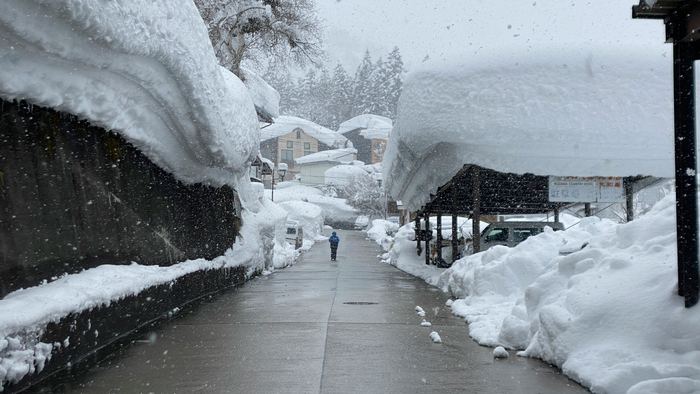
Thirteen free onsen, a fire festival, and 10 metres of powder — the anti-Niseko.
Furano, Japan
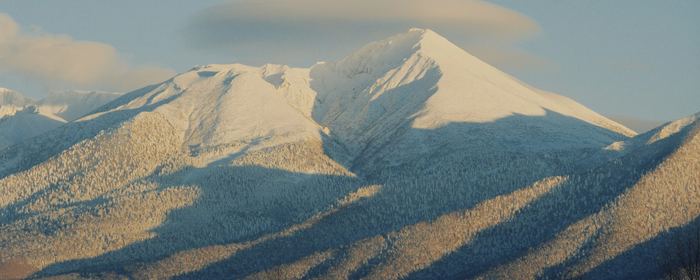
A real Hokkaido farming town with FIS World Cup piste, cheese, wine and the driest powder in Japan.
Chamonix, France
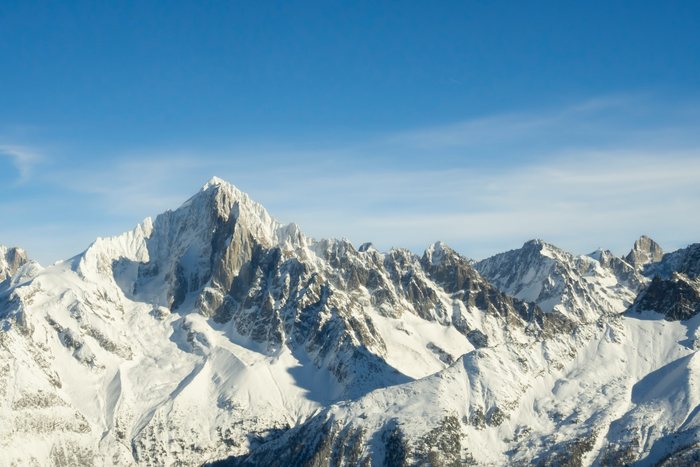
The birthplace of alpinism, under Mont Blanc.
Val Thorens, France
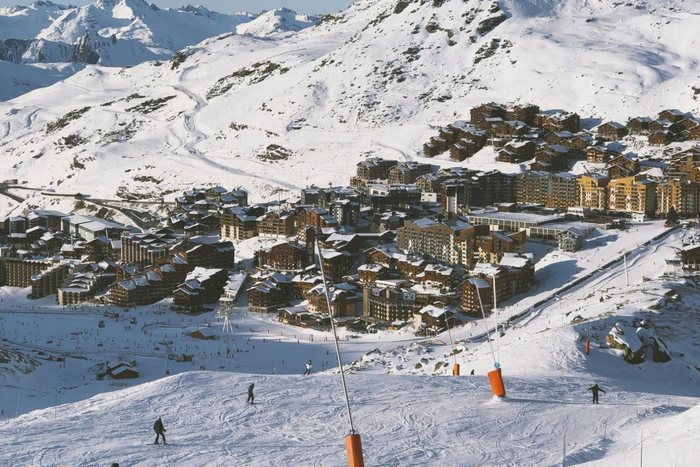
Europe’s highest resort — snow-sure, and the gateway to the world’s largest linked ski area.
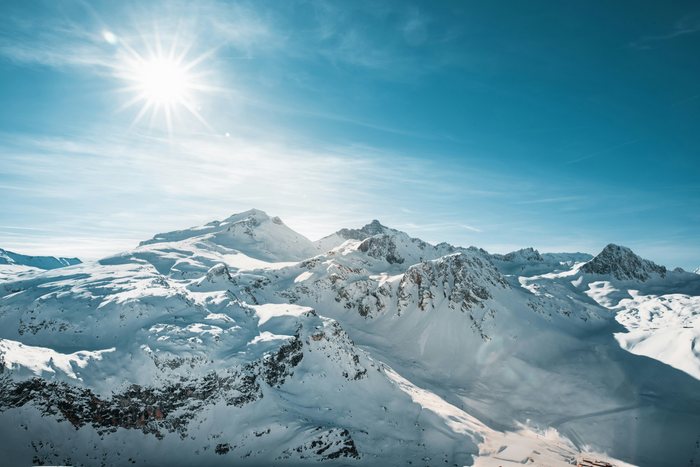
Val d’Isère, France
High-altitude, serious skiing with a village that actually feels like one.